


Watersheds possess several remarkable characteristics that affect their hydrological functions, including the reception of precipitation and its subsequent disposal.
These characteristics influence the concentration time of runoff generated by rainfall, water drainage, soil loss, channel erodibility, sediment production, and the shape of hydrographs.
The main characteristics include size (area), shape, topography, geology, rock and soil, climate, vegetation, and land use.
Understanding Watershed Characteristics in Agricultural Context
Watershed characteristics, also referred to as watershed geomorphology, represent the physical properties of watersheds. These characteristics significantly influence runoff behaviour and hydrological responses, such as the flow regime during periods of flood and drought.
In the same way, the time of concentration which determines how quickly and intensely a watershed reacts to rainfall is also shaped by these physical attributes. The key watershed characteristics are:
1. Size (area)
2. Shape
3. Topography
4. Geology, rock and soil
5. Climate
6. Vegetation
7. Land use
Read Also: Various Types Of Fruits And Their Nutritional Value
Watershed Size and Its Influence on Water Behaviour

The size of a watershed determines the amount of rainfall it receives, retains, and disposes of as runoff. Larger watersheds typically have more expansive channels and greater water storage within the basin. Important effects of watershed size include:
1. More intense rainfall events are usually spread over a smaller area; as the area increases, rainfall intensity tends to decrease.
2. Peak runoff flow (per unit area) generally reduces with increasing watershed size.
3. Larger basins tend to provide more stable minimum flow due to greater groundwater storage capacity and the wider distribution of local rainfall.
Watershed Shape and Hydrograph Characteristics
Watersheds can take various forms, such as square, triangular, rectangular, oval, palm, or fern leaf shapes. The shape plays a critical role in shaping the hydrograph of the watershed.
Fan-shaped watersheds generate greater runoff because their tributaries are almost equal in length, causing runoff to concentrate at nearly the same time.
In contrast, fern leaf-shaped watersheds distribute discharge over a longer period due to the varying lengths of tributaries.
Topography and Slope Effects on Soil and Water Flow
Slope characteristics such as length, steepness, and uniformity—influence the speed of runoff, disposal of water, and soil erosion. Both slope length and degree affect the concentration time (Tc) and water infiltration.
Drainage is controlled by topography. Drainage density (total length of drainage channels per article area), the dimensions of main and subsidiary channels, and the outlet size are determined by landform. These factors influence the time required for runoff to reach the watershed outlet.
Geology, Rock Type, and Soil Characteristics in Watershed Management
The geological formation and rock type affect water erosion, channel and hill face erodibility, and sediment production. Soft rocks like shales and phyllites erode easily, while igneous rocks are more resistant.
Geological features include surface and sub-surface soil types, rock permeability, and structure, all of which influence infiltration and percolation rates.
Soils with finer particles (like clay) have low infiltration capacity, resulting in higher runoff, while sandy soils promote more infiltration.
Additionally, physical and chemical soil properties such as texture, structure, and depth influence how water is absorbed, stored, or lost through runoff.
Read Also: Cultivation Methods For Different Fruit Trees And Bushes
Climate Parameters and Their Effect on Watersheds
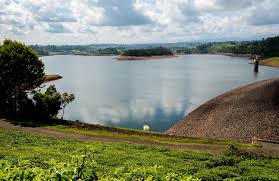
Climate plays a major role in how a watershed functions:
1. Rainfall provides precipitation input, and characteristics like intensity, frequency, and total amount directly affect watershed output.
2. Other parameters like temperature, humidity, and wind velocity influence water retention, soil health, and vegetation dynamics.
Vegetation and Its Impact on Infiltration and Runoff
The type and extent of vegetation regulate several watershed processes such as infiltration, water retention, erosion, sedimentation, and runoff.
For instance, flow over an impervious, steep, and smooth surface causes minimal retardation and little loss, while flow over a pervious, vegetated slope experiences significant delay and water absorption due to infiltration.
Land Use Practices and Watershed Behaviour
Land use, including its type, extent, and management, has a direct impact on how a watershed behaves. Sustainable and judicious land use practices are essential for effective watershed functioning and management, especially in agricultural zones.
Watershed Length and Its Relevance in Agricultural Hydrology
Watershed length is the distance measured along the main water channel from the outlet to the basin divide. As this length increases, the extent of drainage also increases.
This measurement is vital for calculating time parameters related to the travel time of water across the watershed, which is crucial for irrigation planning, erosion control, and flood management in agriculture.
Do you have any questions, suggestions, or contributions? If so, please feel free to use the comment box below to share your thoughts. We also encourage you to kindly share this information with others who might benefit from it. Since we can’t reach everyone at once, we truly appreciate your help in spreading the word. Thank you so much for your support and for sharing!