


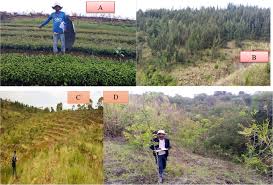
Watershed condition refers to the overall state of physical and biological features and processes within a watershed that influence soil and hydrologic functions essential for supporting aquatic ecosystems.
In agricultural contexts, understanding watershed condition helps ensure the health of water sources, soil stability, and environmental balance required for sustainable farming.
Read Also: Considerations in Constructing a Poultry House
Explanation of Watershed Condition in Agricultural Environments
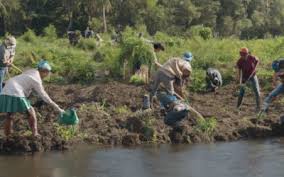
Watershed condition reflects a continuum ranging from natural pristine states (functioning properly) to degraded states (severely altered or impaired).
A properly functioning watershed contains terrestrial, riparian, and aquatic ecosystems that efficiently capture, store, and release water, sediment, wood, and nutrients within natural limits.
In agriculture, the condition of a watershed directly affects crop irrigation, soil fertility, flood control, and biodiversity, which are vital to farm productivity.
A healthy watershed supports essential land and water functions that benefit both the natural environment and farming operations.
Key Features of a Functioning Watershed in Agriculture
Watersheds that function effectively are often referred to as healthy watersheds. These watersheds demonstrate five major characteristics that are crucial for maintaining agricultural productivity and environmental sustainability:
1. High Biotic Integrity: They support adaptive animal and plant communities through natural habitats, ensuring ecological balance that also benefits pollination and pest control in farming.
2. Resilience to Disturbances: They quickly recover from both natural and human-induced disturbances, allowing farmlands to remain productive after events like storms or land-use changes.
3. Strong Connectivity: They maintain high connectivity along the stream (longitudinally), across the floodplain and valley bottom (laterally), and between surface and subsurface water flows (vertically), which supports groundwater recharge and flood mitigation.
4. Provision of Ecosystem Services: They supply high-quality water, replenish aquifers and streams, support riparian vegetation, and help moderate climate-related variations, all of which are critical for consistent farm operations.
5. Long-Term Soil Productivity: They protect and maintain soil structure and fertility over time, ensuring sustained agricultural yield and land value.
Read Also: Cold Weather Poultry Diseases and How to Manage them
Importance of Maintaining Watershed Condition for Agriculture
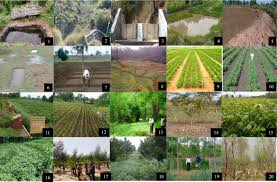
Watersheds that are in good condition help to sustain functional terrestrial, riparian, aquatic, and wetland habitats, which are capable of supporting diverse native species.
These habitats contribute to biodiversity, improve microclimates, and support ecological services essential to agriculture.
A degraded watershed, on the other hand, compromises water availability, increases erosion, and disrupts nutrient cycling all of which negatively affect farming systems.
Monitoring and managing watershed condition is therefore essential for any agricultural development that relies on land and water resources.
This article has explained that the condition of a watershed ranging from natural and healthy to degraded is critical in determining its capacity to support soil and water functions in agriculture.
Recognising and preserving the five key characteristics of a healthy watershed ensures long-term productivity, ecological balance, and sustainable agricultural practices.
Do you have any questions, suggestions, or contributions? If so, please feel free to use the comment box below to share your thoughts. We also encourage you to kindly share this information with others who might benefit from it. Since we can’t reach everyone at once, we truly appreciate your help in spreading the word. Thank you so much for your support and for sharing!