


Prevention of food-borne illness is critical in the food service industry. Implementing effective prevention strategies safeguards consumers and ensures food handlers adhere to proper safety standards.
Strategies for Preventing Food-Borne Illness
Several methods can prevent food-borne illnesses in food service establishments. These include maintaining personal hygiene, avoiding chemical contamination, and ensuring allergens are excluded from food preparation when necessary. Below are key approaches to prevent food-borne illnesses:
Preventing Physical Hazards in Food
Bennion (1992) and Potter and Hotchkiss (1995) recommended that food processors and manufacturers employ robust manufacturing techniques and carefully analyze essential control points in their production line to reduce the risks of physical contaminants.
The Hazard Analysis Critical Control Points (HACCP) system, of which this is a component, was developed.
If materials like glass, nails, or other objects are discovered in food and appear to have been intentionally placed, management should notify the supplier, as stated in the Educational Foundation Textbook (1985). It might be an isolated incident.
Safe Advance Food Preparation
Issues arising from advance food preparation can be mitigated as follows:
- Prepare, cook, and serve food on the same day rather than leaving it to sit.
- Consume leftovers after reheating.
- Properly refrigerate food prepared in advance.
- Cover food properly after cooling.
Preventing Contamination by Infected Persons
To prevent contamination from infected individuals, the following precautions should be maintained:
- Food handlers should use gloves to avoid direct contact with food.
- Food handlers exhibiting symptoms such as cough, vomiting, or diarrhea should not handle utensils used in food preparation and should be sent home.
- Maintain personal hygiene by ensuring hair, fingernails, and toenails are trimmed and neat.
- Wash hands after using the toilet or handling raw meat, fish, or poultry.
- Bandage cuts properly to prevent food contamination (BC Cook, 2015).
Read Also: Cold Weather Poultry Diseases and How to Manage them
Preventing Chemical Hazards in Food
Chemical hazards can be prevented as follows:
- Train staff on the safe use of chemicals that may pose health risks.
- Avoid spraying chemicals near uncovered food.
- Purchase food from reliable sources with proper storage, processing, preservation, and packaging practices.
- Ensure chemicals or rodenticides used in the kitchen do not contact food.
- Store food safely.
David et al. (2011) support these measures, emphasizing:
- Purchasing food from reliable sources with good farming practices and proper storage procedures.
- Using containers (especially metal ones) only for their intended purpose.
- Storing kitchen chemicals well away from food.
- Diluting chemicals accurately and safely per regulations.
- Avoiding spraying chemicals like sanitizers or fly sprays near open food.
The Educational Foundation Textbook (1985) advises that only professionals use pesticides and germicides in the facility. These must be correctly labeled, stored in original containers, and kept separate from food and food-contact materials.
Food service operators should check labels of processed goods for sulfating agents and ensure no equipment contains hazardous metals like lead.
Preventing Contamination of Raw Food
Contamination of raw food can be prevented as follows:
- Purchase food materials from approved suppliers with safety plans.
- Avoid serving contaminated food to vulnerable groups such as children, the elderly, hospital patients, or nursing mothers, as they are more susceptible to illness.
Read Also: Layers or Broilers which One is More Profitable in Poultry Farming? Find Out!
Preventing Cross-Contamination in Food Handling

Cross-contamination can be prevented by:
- Using separate cutting boards, knives, utensils, sinks, and preparation areas for raw and ready-to-eat foods.
- Storing raw and ready-to-eat foods separately.
- Washing hands after handling raw foods before touching other foods.
- Avoiding bare-hand contact with ready-to-eat foods.
- Maintaining personal hygiene during food handling.
- Handling raw meat, fish, and poultry carefully to prevent contamination.
- Cleaning the environment and utensils thoroughly.
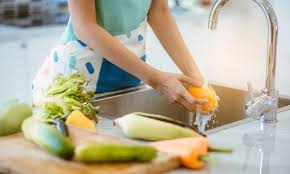
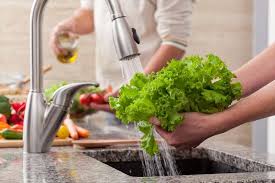
- Washing raw fruits and vegetables meticulously.
- Cleaning methodically and frequently per the cleaning schedule, training staff in “clean as you go” procedures.
- Unpacking food delivery boxes away from open food.
- Protecting food from contamination during cooking.
Preventing Biological Hazards in Food
Biological hazards can be prevented as follows:
- Food handlers should maintain personal hygiene.
- All food handlers must undergo health screenings before handling food.
- Prevent S. aureus contamination by refrigerating cooked food, using aprons and gloves to reduce skin-to-food contact, and enforcing hygiene regulations (Hayes, 1995).
- Promptly refrigerate food, especially sliced and chopped meats, custards, and cream fillings, at 45°F (7.2°C) or below to prevent staphylococcal intoxication (Educational Foundation Textbook, 1985).
- Prohibit workers with respiratory diseases, acne, boils, infected cuts, or burns from handling food.
- Avoid bare-hand contact with food or use disposable gloves properly.
- Handle leftovers carefully, either discarding them or reheating to 165°F (73.9°C) or higher.
- Prevent C. perfringens by quickly cooling cooked food, storing leftovers in shallow containers, and maintaining proper storage conditions (Yigit et al., 1997; WHO, 2012).
- Serve meat and poultry dishes hot immediately after cooking, avoiding advance preparation (Educational Foundation Textbook, 1985).
- Cool meat dishes quickly before consumption and avoid thawing frozen food at room temperature.
- Prevent Salmonella by storing food at appropriate temperatures and maintaining sanitation to eliminate rodents and flies (Duyff, 2002; Yigit et al., 1997; WHO, 2013).
- Avoid cross-contamination by sanitizing utensils between uses and using separate cutting boards for raw and cooked foods.
- Use pasteurized dry milk and eggs, and avoid using unclean, cracked, or broken eggs in products like meringues and custards (Educational Foundation Textbook, 1985).
David et al. (2011) emphasize good practices to avoid pathogenic food poisoning:
- Ensuring food handlers maintain the highest personal hygiene standards and report illnesses before entering food areas.
- Implementing planned processes for handling raw foods, especially meat and poultry.
- Monitoring storage, preparation, cooking, and hot holding of food.
- Supervising temperature control and duration.
- Recording pest control measures.
- Training staff in food safety protocols.
Preventing Allergenic Hazards in Food
Allergenic hazards can be avoided as follows:
- Provide guests with clear information about ingredients used in food preparation.
- Include ingredient details on menus.
- Train staff on menu planning to explain ingredients to guests effectively.
Preventing E. coli Contamination
According to David et al. (2011), E. coli can be prevented by:
- Thorough cooking.
- Maintaining good personal hygiene.
- Avoiding cross-contamination from raw to cooked food.
- Ensuring proper temperature control.
The World Health Organization (2011) supports these measures, emphasizing control at all stages of the food chain, from agricultural production to processing, manufacturing, and preparation in commercial and household settings.
Do you have any questions, suggestions, or contributions? If so, please feel free to use the comment box below to share your thoughts. We also encourage you to kindly share this information with others who might benefit from it. Since we can’t reach everyone at once, we truly appreciate your help in spreading the word. Thank you so much for your support and for sharing!