


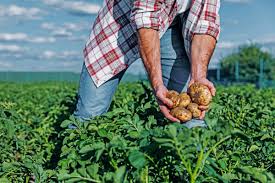
Weed control is a critical aspect of potato production, as weeds compete with crops for nutrients, water, and light, reducing yield and quality. Effective management requires understanding weed types, their growth patterns, and control methods.
This article explores strategies for controlling annual and perennial weeds in potato fields. It covers cultivation, herbicide use, and crop rotation to ensure optimal potato growth. The following sections provide detailed insights into weed challenges and solutions.
Proper weed control enhances potato tuber quality and harvest efficiency. Uncontrolled weeds can penetrate tubers, lowering market value. By combining cultural practices and chemical controls, growers can achieve sustainable weed management. This article outlines practical approaches for addressing common weeds in potato farming.
The focus is on both annual and perennial weeds, which present distinct challenges. Annual weeds germinate quickly, while perennials persist through robust root systems. Understanding these differences helps tailor control measures. The article also emphasizes herbicide resistance management to maintain long-term effectiveness.
By adopting integrated weed management, potato growers can minimize losses and improve productivity. The strategies discussed here balance mechanical and chemical methods, considering soil health and crop rotation. This comprehensive approach ensures high-quality potato yields.
Read Also: The Effect of Heat Stress on Animal Productivity
Weed Types in Potato Fields
This section examines the primary weed types affecting potato crops, including annual broadleaf weeds, annual grasses, and perennial weeds. Each type poses unique challenges, requiring specific control strategies to prevent yield losses and maintain tuber quality.
A. Annual Broadleaf Weeds
Annual broadleaf weeds are common in potato fields, competing aggressively with crops. Hairy nightshade, common lambsquarters, redroot pigweed, kochia, ragweed, and Pennsylvania smartweed are prevalent. These weeds germinate early, requiring timely control measures to prevent establishment. Most are manageable with proper herbicide application.
Controlling broadleaf annuals is often straightforward, except for nightshade species. Pre-emergence herbicides with residual activity are effective when applied after hilling. These herbicides target germinating weed seeds, reducing competition. Consistent monitoring ensures weeds do not outcompete young potato plants.
Effective control enhances tuber development by minimizing resource competition. Broadleaf weeds can reduce light availability, impacting potato canopy growth. Using herbicides and cultivation together improves outcomes. Growers must act before weeds establish to protect crop vigor.
B. Annual Grasses
Annual grasses like barnyardgrass, foxtail, wild oat, and fall panicum germinate later than broadleaf weeds. This delayed emergence complicates control, as pre-emergence herbicides may lose efficacy. Post-emergence herbicides or residual treatments are necessary to target these grasses effectively.
Late germination requires extended weed management strategies. Herbicides applied after potato emergence can control grasses, but timing is critical. Cultivation may supplement chemical controls, though it risks soil compaction. Monitoring grass emergence ensures timely interventions for optimal control.
Grasses compete for nutrients, reducing potato yield and quality. A dense potato canopy can suppress some grasses, but chemical controls are often needed. Combining cultivation with herbicides provides robust management, ensuring grasses do not dominate fields.
C. Perennial Weeds
Perennial weeds, such as nutsedges, quackgrass, and Canada thistle, are the most challenging to control. Their deep root systems allow regrowth, reducing potato yield and harvest efficiency. Root structures can penetrate tubers, severely impacting quality. Multiple control methods are often required.
Perennials demand more tillage than annuals, even with herbicide use. Control is more effective in rotation crops like winter wheat, where targeted treatments reduce weed pressure. Repeated tillage disrupts root systems, but excessive cultivation risks soil degradation. Strategic planning is essential.
Herbicides alone may not suffice for perennials, as their roots persist. Combining chemical treatments with mechanical methods improves outcomes. Crop rotation disrupts weed life cycles, enhancing control. Persistent management ensures perennials do not dominate potato fields over time.
Weed Control Methods
This section explores weed control methods, including cultivation, herbicide application, and their combination. Each method has benefits and limitations, and integrating them optimizes weed management while preserving soil health and tuber quality.
A. Cultivation Practices
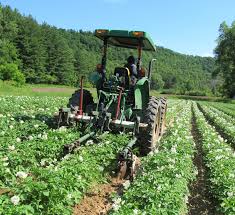
Cultivation is a traditional weed control method in potato farming.
1. Benefits: It physically removes weeds, reducing competition. Early cultivation targets emerging weeds, preventing establishment. It complements herbicide use, enhancing overall control.
Cultivation disrupts weed growth but must be timed carefully. Multiple sessions may be needed for heavy infestations, but excessive tillage causes soil compaction. Compaction reduces aeration, hindering potato growth. Careful planning minimizes these risks while controlling weeds.
2. Limitations: Cultivation can damage potato foliage and roots, reducing yield. It may spread diseases in seed-growing areas. Wet soil delays cultivation, and in-row weeds often persist. These challenges require integrating cultivation with other methods for effective weed management.
Balancing cultivation frequency protects soil structure and crop health. Over-cultivation produces clods that bruise tubers during harvest. Strategic timing and minimal tillage preserve soil quality while addressing weed pressure. Growers must weigh benefits against potential crop damage.
B. Herbicide Application
Herbicides are critical for weed control in potatoes.
1. Pre-emergence Herbicides: These target germinating weed seeds, applied after hilling. They require incorporation into the soil (2-5 cm) via irrigation or tillage. This ensures contact with weed seeds, maximizing efficacy.
Pre-emergence herbicides are most effective on a clean bed post-hilling. They do not control emerged weeds, requiring timely application. Non-selective herbicides can be used before potato emergence to kill existing weeds. These lack residual activity, necessitating additional treatments.
2. Post-emergence Herbicides: These target weeds after potato emergence, addressing late-germinating species. They complement pre-emergence treatments, ensuring season-long control. Proper selection prevents crop injury while targeting specific weeds, maintaining tuber quality.
Herbicide timing and application method are crucial for success. Tank-mixing herbicides with different modes of action enhances control and reduces resistance risk. Regular monitoring ensures timely applications, preventing weed dominance and supporting healthy potato growth.
C. Integrated Weed Management
Combining cultivation and herbicides provides superior weed control.
1. Early Season Strategy: Timely pre-emergence herbicide application, followed by cultivation during weed germination, ensures a clean field. This approach targets weeds before they compete with potatoes, improving yield potential.
Integrated management balances chemical and mechanical methods. Cultivation kills emerging weeds, while herbicides prevent further germination. This synergy reduces reliance on a single method, preserving soil health. Regular field checks ensure timely interventions for emerging weeds.
2. Crop Rotation Benefits: Rotating crops like winter wheat disrupts weed life cycles. Herbicides used in rotation crops may control perennials more effectively. Rotating herbicide modes of action prevents resistance, ensuring long-term weed management success.
Integrated strategies enhance control while minimizing environmental impact. Crop rotation and varied herbicide use prevent resistant weed biotypes. This approach maintains potato quality and yield, supporting sustainable farming practices over multiple seasons.
Read Also: BellFlowers – All You Need to Know About
Herbicide Resistance Management
This section addresses the risk of herbicide resistance, where weeds develop tolerance to specific herbicides. Managing resistance through crop rotation and herbicide diversity ensures long-term weed control efficacy in potato production.
A. Understanding Resistance
Repeated use of herbicides with the same mode of action creates selection pressure.
1. Resistance Development: Resistant weed biotypes, initially rare, survive treatments. Over time, these biotypes dominate, rendering herbicides ineffective. This reduces weed control options and increases costs.
Resistance arises when susceptible weeds are eliminated, leaving resistant ones. Common weeds like pigweed can develop resistant populations quickly. Monitoring fields for poor herbicide performance helps detect resistance early, allowing growers to adjust strategies promptly.
2. Impact on Farming: Resistant weeds reduce herbicide efficacy, increasing reliance on mechanical methods. This raises labor and fuel costs. Resistant populations spread, complicating control in future seasons. Proactive management prevents these challenges, preserving herbicide utility.
Early detection of resistance allows growers to switch herbicide modes. Rotating crops and herbicides disrupts weed adaptation. This approach maintains effective weed control, protecting potato yields and reducing economic losses over time.
B. Preventing Resistance
Preventing resistance requires strategic herbicide use.
1. Rotate Herbicide Modes: Using herbicides with different modes of action annually prevents selection pressure. Tank-mixing herbicides with overlapping weed control spectrums enhances efficacy and delays resistance development.
Crop rotation complements herbicide rotation.
2. Crop Rotation Benefits: Crops like winter wheat tolerate different herbicides, allowing varied weed control methods. This disrupts weed life cycles, reducing resistance risk. Diverse management practices support long-term weed control success.
Monitoring and record-keeping track herbicide performance. 3. Monitoring Strategies: Regular field scouting identifies resistant weeds early. Adjusting herbicide choices based on weed response maintains control. Combining chemical and mechanical methods further reduces resistance risks.
Implementing these strategies ensures sustainable weed management. Diverse herbicide use and crop rotation prevent resistant weed dominance. This approach preserves herbicide effectiveness, supporting high potato yields and quality over multiple growing seasons.
Frequently Asked Questions
1. What are the most common weeds in potato fields?
Common weeds include hairy nightshade, common lambsquarters, redroot pigweed, kochia, ragweed, Pennsylvania smartweed, barnyardgrass, foxtail, wild oat, fall panicum, nutsedges, quackgrass, and Canada thistle.
2. Why are perennial weeds harder to control?
Perennial weeds have deep root systems that allow regrowth, penetrate tubers, and persist across seasons. They require multiple tillage operations and targeted herbicides, often more effectively managed in rotation crops.
3. How does cultivation affect potato crops?
Cultivation removes weeds but can damage potato foliage and roots, cause soil compaction, and spread diseases in seed-growing areas. Excessive tillage may reduce aeration and produce clods that bruise tubers.
4. What is the benefit of pre-emergence herbicides?
Pre-emergence herbicides target germinating weed seeds, preventing early competition. Applied after hilling, they create a clean bed, enhancing potato growth when incorporated into the soil via irrigation or tillage.
5. How can herbicide resistance be prevented?
Rotating herbicides with different modes of action, tank-mixing herbicides, and rotating crops like winter wheat disrupt weed adaptation. Regular scouting and diverse management practices delay resistance development.
6. Why is crop rotation important for weed control?
Crop rotation disrupts weed life cycles and allows the use of different herbicides. Crops like winter wheat enable targeted perennial weed control, reducing weed pressure in potato fields.
7. What is integrated weed management?
Integrated weed management combines cultivation and herbicide application for effective control. It targets weeds at different growth stages, reduces reliance on single methods, and supports sustainable potato production.
8. How does a dense potato canopy help with weed control?
A dense potato canopy with early row closure competes with weeds for light and resources, suppressing their growth. This natural competition reduces weed pressure, complementing chemical and mechanical controls.
Do you have any questions, suggestions, or contributions? If so, please feel free to use the comment box below to share your thoughts. We also encourage you to kindly share this information with others who might benefit from it. Since we can’t reach everyone at once, we truly appreciate your help in spreading the word. Thank you very much for your support and for sharing!