


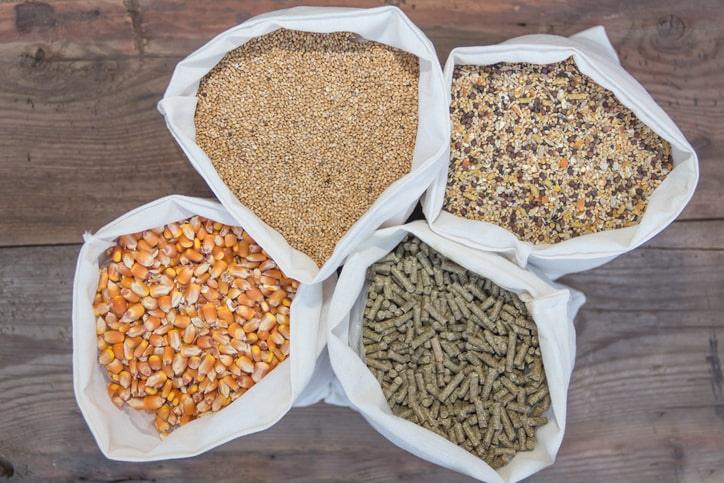
Feeding your chickens properly is one of the most important aspects of poultry farming. Get the nutrition right and your birds will grow well, stay healthy, and produce at their full potential.
Get it wrong and you’ll see slow growth, poor egg production, health problems, and financial losses that are difficult to recover from. Yet surprisingly, many poultry farmers don’t fully understand the different types of feed available or when to use each one.
The truth is that chicken feed is not one-size-fits-all. Different types of birds need different feeds at different stages of their lives. A day-old chick needs completely different nutrition than a laying hen.
A fast-growing broiler requires different feed than a slow-maturing heritage breed. Using the wrong feed at the wrong time wastes money and prevents your birds from reaching their productive potential.
Feed costs typically account for 60 to 70 percent of total production expenses in a poultry operation. This makes feed management the single biggest factor affecting your profitability.
When you understand how to match the right feed to each bird type and life stage, you reduce waste, improve performance, and maximize returns. When you get it wrong, you’re literally throwing money away with every bag of feed you buy.
There are different types of chicken feed or poultry feed that can only be used at different levels of birds according to their age and breed. Broilers, for example, are raised for 8 to 10 weeks.
They need broiler starter feed mash during their first 4 to 5 weeks of life, then broiler finisher feed mash in the last 4 to 5 weeks. Cockerels follow a different pattern entirely. They eat chick feed mash for their first 8 weeks, then maintain on grower feed mash for the rest of their lives.
Layers have their own feeding schedule. They start on chick feed mash for the first 8 weeks. Then they get grower feed mash until they start laying at about 18 weeks. Layer feed mash is introduced after the birds have been laying for one or two weeks.
An important note here: never give layer feed mash to your birds until they’ve reached at least 5% production. Feeding layer rations too early damages their kidneys due to the high calcium and phosphorus content.
Beyond just knowing which feed to use when, you also need to understand feed ingredients, nutrient requirements, different feed forms, and water management. Feed ingredients for poultry diets are selected based on the nutrients they provide, the absence of anti-nutritional or toxic factors, their palatability and effect on voluntary feed intake, and their cost.
The key nutrients that need to be supplied by dietary ingredients are amino acids contained in proteins, vitamins, and minerals. All life functions also require energy, which is obtained from starches, lipids, and proteins.
Feed ingredients are broadly classified into cereal grains, protein meals, fats and oils, minerals, feed additives, and miscellaneous raw materials such as roots and tubers.
Each category plays a specific role in meeting the bird’s nutritional needs. Understanding these categories helps you evaluate commercial feeds and make informed decisions about what you’re feeding your birds.
Water management is just as critical as feed management, though it often gets less attention. Poultry should always have access to plenty of cool, fresh drinking water.
Generally, water intake should be about 1.5 to 2 times feed intake. Birds that don’t get enough water quickly reduce their feed intake, and production drops immediately. In extreme cases, water deprivation can cause death.
This comprehensive guide covers everything you need to know about poultry feed types, forms, nutritional requirements, and water management. Whether you’re raising broilers for meat, layers for eggs, or maintaining a backyard flock, the information here will help you feed your birds properly and maximize both their health and your profitability.
Read Also: How to Prevent the effect of Excess Cold and Excess Heat in a Poultry House
1. Types of Chicken / Poultry Feed
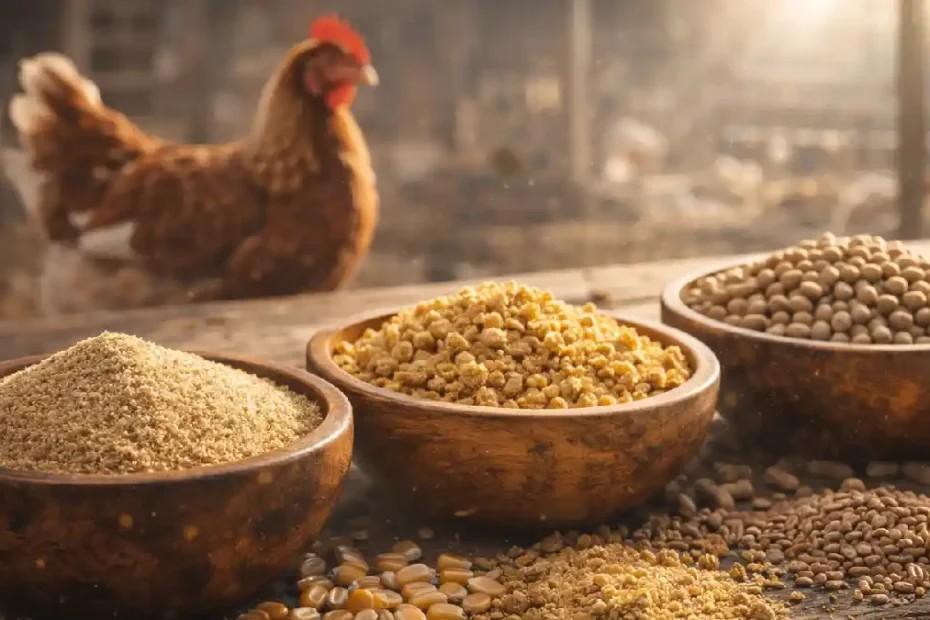
The correct type of feed for your birds largely depends on two things: their age and whether they are meat birds or laying birds. These factors determine protein levels, energy content, vitamin and mineral ratios, and other nutritional specifications that change significantly as birds mature and as their production purpose differs.
A. Chick Starter
i. Purpose and duration: Chick starter is exactly what it sounds like. It’s the first feed you give to baby chicks, typically for the first six weeks of their lives. This feed provides the high-nutrition young chicks need for rapid early growth and development.
ii. Protein content: Protein levels in chick starter vary depending on whether you’re raising meat birds or laying breeds. Broiler starter (for meat birds) typically contains 22 to 24 percent protein to support their aggressive growth rates. Layer breed chick starter contains about 20 percent protein, which supports good growth without pushing layers to develop too quickly.
iii. Medicated versus unmedicated: You can buy chick starter in both medicated and unmedicated forms. Most commercial farmers use medicated feed, which contains coccidiostats to prevent coccidiosis, a common parasitic disease in young chicks. However, organic farms and small pastured operations often prefer unmedicated feed. The choice depends on your management philosophy, production system, and disease risk in your area.
B. Grower Pullet Feed
i. Purpose and timing: After chick starter, young pullets destined for egg production are put on a lower-protein diet. This grower pullet feed is specifically designed to slow growth and allow birds to develop strong bones and reach proper adult body weight before laying begins.
ii. Why protein matters: If protein content is too high during this phase, development happens too quickly and birds start laying too early. This causes problems. Pullets that begin laying before their bodies are fully mature produce smaller eggs, have more health issues, and often have shorter productive lives. Grower pullet rations typically contain 18 percent protein.
iii. Feeding duration: Grower pullet feed is typically fed from 6 weeks until 14 weeks of age. This eight-week period is critical for proper skeletal and organ development.
C. Pullet Developer or Finisher
i. Final preparation phase: At 14 weeks of age, young pullets can be transitioned to an even lower protein feed, typically around 16 percent protein. This pullet developer or finisher feed continues the controlled growth strategy until birds begin laying.
ii. Not always distinct: Some feed manufacturers don’t distinguish between the grower and developer stages. Instead, they offer a single grower-finisher feed that sits somewhere in the middle protein-wise. This simplified approach works fine for many operations, though separate stages offer more precise nutritional management.
iii. Duration: Pullet developer or finisher is fed from 14 weeks until the birds reach the point of lay, which is typically around 18 to 22 weeks dep, ending on breed and management.
D. Layer Ratios
i. Purpose and timing: Layer rations are formulated specifically for mature laying hens. These feeds contain everything a hen needs to maintain her body, stay healthy, and produce high-quality eggs consistently.
ii. Protein and calcium content: Layer feeds typically contain 16 to 18 percent protein. More importantly, they contain high levels of calcium (3.5 to 4 percent) and phosphorus needed for strong eggshell formation. A hen laying one egg per day needs significantly more calcium than a non-laying bird.
iii. Critical age restriction: Never feed layer rations to birds younger than about 18 to 20 weeks of age. The high calcium and phosphorus content damages the kidneys of immature birds that aren’t yet producing eggs. This kidney damage is permanent and can kill young birds or shorten their productive lives significantly.
iv. Roosters can eat layer feed: Despite the high calcium content, roosters can safely eat layer rations. Their kidneys can handle the extra calcium when they’re mature, and it’s usually more practical to feed the whole flock the same ration than to separate roosters for feeding.
E. Broiler Rations
i. For meat birds: Broiler rations are high-protein feeds designed specifically for meat birds, particularly the fast-growing Cornish Cross Rock hybrids that dominate commercial meat production. These birds grow at remarkable rates and need concentrated nutrition to support that growth.
ii. Protein content: Broiler rations typically contain 18 to 20 percent protein during the growth phase. This high protein level, combined with adequate energy, allows broilers to reach market weight of 1.5 to 2 kilograms in just 8 to 10 weeks.
iii. Sometimes called grower-finisher: In the broiler industry, the term “grower-finisher” feed often refers to broiler rations. This can be confused with the grower feeds used for pullets, so always check the protein content and intended use when buying feed.
iv. Heritage breed adjustments: For heritage and pastured meat birds that grow more slowly than commercial broilers, protein content can be lowered to 16 percent after 12 weeks of age until butchering. Some farmers choose to keep heritage meat birds on higher grower-finisher rations all the way to slaughter, depending on desired growth rates and market timing.
2. The Different Forms of Feed
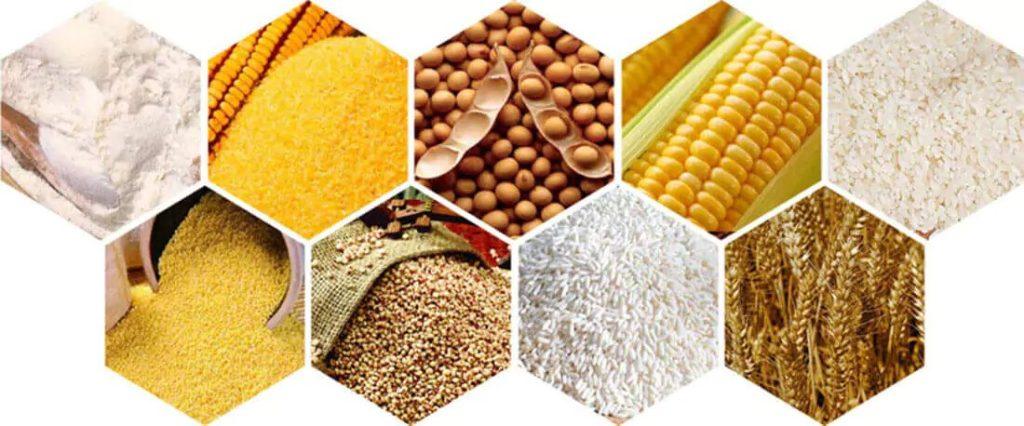
Chicken and poultry feed comes in three main physical forms: crumbles, pellets, and mash. Each form has advantages and disadvantages, and the best choice depends on the bird’s age, equipment, and availability in your area.
A. Crumbles
i. What they are: Crumbles are small, irregular pieces of feed made by breaking up pellets. The crumbled texture is easy for birds to eat and reduces waste compared to mash.
ii. Advantages: Crumbles are excellent if you can get them. They’re easier for young birds to eat than whole pellets but less wasteful than mash. The texture appeals to chickens and most birds eat crumbles readily.
iii. Availability: Crumbles are sometimes harder to find than pellets or mash, and they may cost slightly more due to the additional processing step.
B. Pellets
i. What they are: Pellets are compressed feed formed into small cylindrical shapes. The pelleting process uses heat, pressure, and sometimes binding agents to create uniform, dense feed pieces.
ii. Advantages: Pellets reduce feed waste because birds can’t selectively eat only certain ingredients. They’re also easier to handle, store, and dispense from feeders. Pellets are widely available and often the only form available in many locations.
iii. Considerations: Young chicks may have difficulty eating whole pellets, though they adapt quickly. Some birds prefer crumbles or mash, but most will eat pellets without issue once they’re a few weeks old.
C. Mash
i. What it is: Mash is finely ground feed that hasn’t been pelleted or crumbled. It’s a powdery, loose mixture of ground ingredients.
ii. Primary use: Mash is usually used for baby chicks because the fine texture is easy for tiny beaks to eat. The small particle size allows even day-old chicks to consume feed immediately.
iii. Wastage concerns: Mash is the most wasteful feed form. Birds scatter it easily, and fine particles get trampled or blown away. For this reason, many farmers switch to crumbles or pellets as soon as birds are large enough to eat them.
iv. Special uses: Mash can be mixed with warm water to make a thick, oatmeal-like treat for chickens. This warm mash is especially useful for sick birds, during cold weather, or as an occasional treat to encourage feed intake. However, mixed mash must be fed right away. Don’t let it sit around because it spoils quickly and becomes moldy, which can sicken or kill birds.
Read Also: How to prevent Rats from invading your Poultry House
3. Poultry Feed, Nutrition, and Water
Providing the right nutrition is important for poultry growth, production, and health. Different energy requirements are needed depending on factors including bird age and production status. Providing adequate nutrition is important so that the bird is able to achieve its productive potential and also to sustain health.
Feed that is of poor quality, not in the right form, or does not contain the right levels of energy and mix of nutrients can potentially cause nutritional stress and lead to other health concerns. Poor nutrition doesn’t just affect growth or egg production. It also weakens immune function, making birds more susceptible to disease. The cost of poor nutrition extends far beyond the immediate production losses.
A. Nutrient Requirements
The nutrient requirements of poultry vary depending on several critical factors. Understanding these factors helps you select appropriate feeds and adjust rations when necessary.
i. Genetics: Different species, breeds, and strains of birds have different nutritional needs. A commercial white leghorn layer has different requirements than a heritage breed. A Cornish Cross broiler needs different nutrition than a slower-growing Freedom Ranger.
ii. Age: Nutritional needs change dramatically as birds age. Young chicks need high protein for growth. Mature birds need different ratios for maintenance and production. Always match feed to age.
iii. Sex: Significant differences in diet requirements appear between male and female birds once they reach sexual maturity. Laying hens need far more calcium than roosters. Males may need different protein and energy ratios than females.
iv. Reproductive state: Egg production in hens and sexual activity in males both increase nutritional requirements. A hen in peak lay needs substantially more nutrients than a non-laying hen of the same age and weight.
v. Ambient temperature: Birds in hot climates eat less feed to reduce internal heat production. Birds in cold climates eat more to generate body heat. Temperature affects both the quantity of feed consumed and the nutrient density needed in that feed.
vi. Housing: Indoor birds with controlled temperatures have different requirements than outdoor birds exposed to weather. Free-range birds that forage may need less supplemental feed than confined birds.
vii. Health: Sick birds may eat less feed but need more nutrients to support their immune system and recovery. Parasite loads increase nutrient requirements because the parasites consume nutrients intended for the host bird.
viii. Production purpose: Meat production versus egg laying creates completely different nutritional demands. Meat birds need high protein for muscle growth. Layers need high calcium for eggshell production plus adequate protein for egg white formation.
B. Essential Nutrients
A bird’s diet must include a combination of several nutrient categories for optimal growth and production.
i. Carbohydrates: These provide the primary energy source for body functions, movement, and production. Common carbohydrate sources in poultry feed include corn, wheat, barley, and sorghum.
ii. Fats: Dietary fats provide concentrated energy and essential fatty acids. Fats contain more than twice the energy per gram compared to carbohydrates, making them valuable for high-energy diets.
iii. Proteins: Proteins supply amino acids needed for muscle growth, feather development, egg production, and countless metabolic functions. The quality of protein (its amino acid profile) matters as much as the quantity.
iv. Vitamins: These organic compounds are needed in small amounts for normal metabolism, growth, and reproduction. Different vitamins serve different functions, and deficiencies cause specific disease symptoms.
v. Minerals: Inorganic elements like calcium, phosphorus, sodium, chlorine, magnesium, and trace minerals all serve critical functions. Calcium and phosphorus are especially important for bone development and eggshell formation.
vi. Water: Often overlooked as a nutrient, water is essential. Birds can survive weeks without food but only days without water. Water is involved in every metabolic process, temperature regulation, and egg formation.
C. Feed Formulation by Life Stage
Different feed rations are formulated for different ages and stages of production. Starter, grower, finisher, layer, and breeder rations all have different levels of protein, energy, vitamins, and minerals depending on the nutritional requirements of the birds at each stage.
Commercial feed mills employ nutritionists who formulate feeds using sophisticated computer programs that balance dozens of nutrients while minimizing cost. Small farmers should rely on commercial feeds rather than attempting to mix their own unless they have considerable expertise and can source quality ingredients reliably.
D. Feed Intake
The amount of feed consumed by poultry varies depending on whether the bird is being raised for egg or meat production. Feed intake also varies depending on environmental conditions such as temperature, physical activity, and whether birds have access to other sources of feed such as grass in free-range systems.
Factors affecting feed intake:
i. Age: Younger birds eat less per bird but more relative to body weight. As birds grow, daily feed consumption increases in absolute terms but decreases as a percentage of body weight.
ii. Breed: Different breeds have different feed intake patterns. Some breeds are more efficient converters of feed to meat or eggs than others.
iii. Health: Sick birds reduce feed intake immediately. Disease, parasites, and stress all suppress appetite and reduce consumption.
iv. Welfare: Birds that are stressed, crowded, or lack adequate feeder space eat less than comfortable birds. Good welfare supports good feed intake.
v. Availability and access: Birds can only eat what’s available. Empty feeders obviously prevent eating, but insufficient feeder space also limits intake even when feed is present. Dominant birds may prevent subordinate birds from accessing feeders.
E. Feed Ingredients
Poultry feed contains many ingredients, each contributing specific nutrients to the complete ration.
i. Grains: Wheat, barley, sorghum, corn, and other cereal grains provide carbohydrates for energy plus some protein. Grains typically make up the largest portion of most poultry feeds.
ii. Protein meals: Soybean meal, canola meal, and animal protein meals provide concentrated protein and amino acids. Soybean meal is the most common protein source in poultry feeds worldwide.
iii. Fats and oils: Added fats increase the energy density of feeds and supply essential fatty acids. Animal fats, vegetable oils, and rendered products are commonly used.
iv. Amino acids: Synthetic amino acids like methionine and lysine are often added to feeds to balance the amino acid profile without adding excess total protein.
v. Vitamins and minerals: These are added as premixes to ensure birds receive adequate amounts of all essential micronutrients. Calcium and phosphorus sources (like limestone and dicalcium phosphate) are particularly important additions.
Feed ingredients vary depending on several factors including product availability, locality, price, and quality of the raw ingredients. Feed mills constantly adjust formulations to maintain nutritional targets while managing costs as ingredient prices fluctuate.
4. Drinking Water
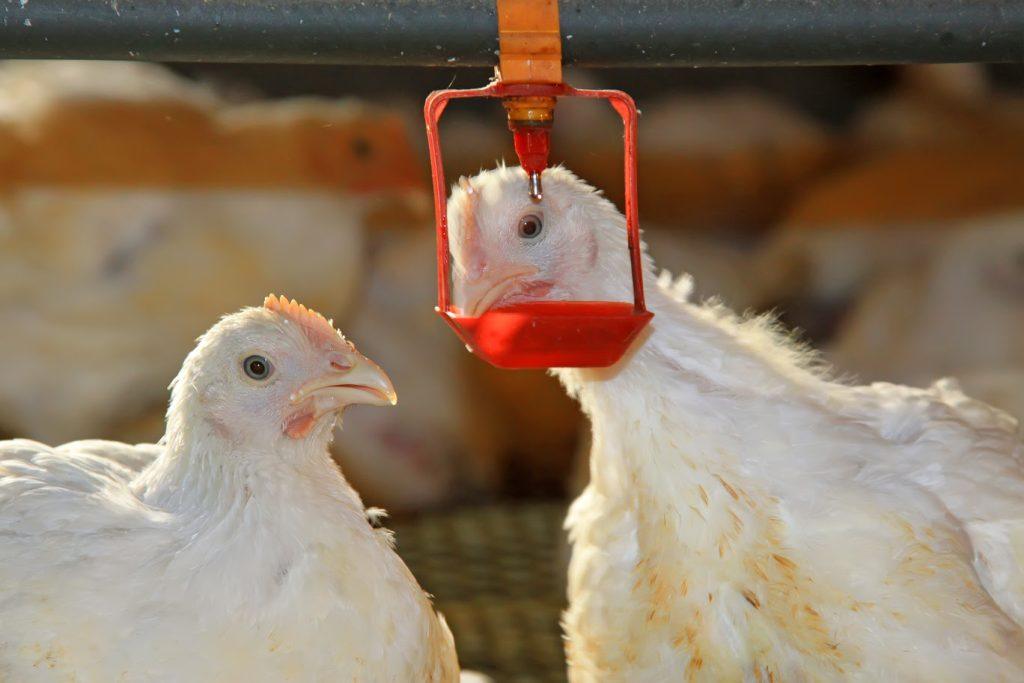
Poultry should always have access to plenty of cool, fresh drinking water. Water is as important as feed for poultry health and productivity, yet it often receives less attention than it deserves. Problems with water quality, availability, or access can devastate production and health as quickly as poor nutrition.
A. Water Quality Considerations
i. Salt content: Make sure the water is low in salt. Salt is already provided in poultry feed at appropriate levels. Drinking water with high salt levels causes an oversupply of these minerals and leads to increased water intake, wetter droppings and wet litter issues, and reduced performance.
ii. Microbial contamination: Water provided for drinking, cooling, and range irrigation must be free from microbial contamination that could potentially cause disease in poultry or lead to food safety issues. Test water regularly to ensure it meets specific microbiological and contaminant standards.
iii. Water treatment: Water that does not meet quality standards, including all surface water such as creek, dam, or tank water, must be treated with approved methods to kill potential disease organisms. Chlorination, UV treatment, and other sanitization methods can make questionable water safe for poultry use.
B. Water Intake
Generally, water intake should be about 1.5 to 2 times feed intake. This ratio can vary based on temperature, humidity, production level, and other factors, but it provides a useful guideline for monitoring flock health. If water consumption drops relative to feed consumption, something is wrong.
Factors affecting water consumption:
i. Food consumption: Reduced food intake usually leads to reduced water intake and vice versa. Birds eat and drink together. Problems affecting one often affect the other.
ii. Water temperature: Water that’s too hot is unpalatable. Birds avoid drinking warm or hot water, which leads to dehydration. In hot climates, providing cool water encourages drinking and helps birds manage heat stress.
iii. Water contamination: Contaminated water, whether from algae, bacterial growth, mineral deposits, or other sources, tastes bad and discourages drinking. Clean water systems regularly.
iv. Ambient temperature: Birds drink much more in hot weather to support evaporative cooling. Cold weather reduces water intake somewhat, though adequate water remains essential.
v. Type of drinkers: Different watering systems (nipple drinkers, bell drinkers, troughs) affect water consumption patterns. Some systems waste less but may limit intake if not properly adjusted.
vi. Drinker height: Drinkers positioned at the wrong height make drinking difficult or uncomfortable. Adjust the drinker height as birds grow so they’re always positioned appropriately for the birds’ size.
vii. Water pressure: In automatic watering systems, improper pressure can make water flow too fast or too slow. Either condition discourages drinking and reduces intake.
C. Water System Management
I. Daily checks: Check drinkers daily to ensure they’re in working order. A malfunctioning drinker can prevent an entire section of birds from accessing water, leading to rapid dehydration and death.
ii. Regular cleaning: Drinker systems should be cleaned and flushed regularly to remove any microbial or mineral buildup in the lines. Biofilm forms in water lines over time and provides a protected environment for bacteria to multiply.
iii. Adequate capacity: To ensure that adequate water is available to meet bird requirements, follow the manufacturer’s recommendation for the number of birds per drinker. Insufficient drinker space creates competition, limits access, and reduces intake for subordinate birds
Summary on Types of Chicken / Poultry Feed
| Aspect | Key Points |
|---|---|
| Feed Importance | 60-70% of production costs; proper feed selection critical for profitability |
| Broiler Feeding | Starter (22-24% protein) for 4-5 weeks; finisher (18-20% protein) for 4-5 weeks |
| Layer Feeding | Chick starter 8 weeks; grower until 18 weeks; layer feed after 5% production |
| Chick Starter | 20-24% protein; 6 weeks; medicated or unmedicated options available |
| Grower Pullet | 18% protein; 6-14 weeks; slows growth for proper bone development |
| Pullet Developer | 16% protein; 14 weeks to point of lay; prepares birds for production |
| Layer Rations | 16-18% protein, 3.5-4% calcium; never feed to birds under 18 weeks |
| Broiler Rations | 18-20% protein; called grower-finisher; supports rapid meat production |
| Feed Forms | Crumbles (best), pellets (most available), mash (chicks and treats) |
| Nutrient Factors | Genetics, age, sex, temperature, housing, health, production purpose |
| Essential Nutrients | Carbohydrates, fats, proteins, vitamins, minerals, water |
| Water Intake | Should be 1.5-2 times feed intake; critical for health and production |
| Water Quality | Low salt, free from microbial contamination, cool and fresh |
| Feed Ingredients | Grains, protein meals, fats/oils, amino acids, vitamins, minerals |
Frequently Asked Questions About Types of Chicken / Poultry Feed
1. Can I feed layer feed to my whole mixed flock including roosters and young pullets?
No, this is dangerous for young birds. Layer feed contains 3.5 to 4% calcium, which damages the kidneys of immature birds that aren’t yet laying eggs. Never feed layer rations to pullets under 18 weeks old. However, mature roosters can safely eat layer feed, so once all your birds are mature, feeding the whole flock layer rations is fine. For mixed-age flocks, use an all-flock or grower feed for everyone and provide calcium supplements (like oyster shell) free-choice for layers.
2. What’s the difference between broiler starter and chick starter for layers?
The main difference is protein content. Broiler starter contains 22 to 24% protein to support the aggressive growth rates of meat birds. Layer breed chick starter contains about 20% protein, which provides good growth without pushing birds to develop too quickly. Using broiler feed for layer chicks works but may cause them to grow too fast, while using layer chick feed for broilers will slow their growth and reduce profitability.
3. Why can’t I just use one feed for all my birds at all ages?
Each life stage has distinct nutritional requirements. Chicks need high protein for growth. Growers need moderate protein to develop properly without maturing too early. Layers need high calcium for eggshells but that same calcium damages kidneys in young birds. Using the wrong feed wastes money and causes health problems. Feed represents 60 to 70% of production costs, so proper feed management directly impacts your profitability.
4. Is medicated chick starter necessary or can I use unmedicated feed?
It depends on your management system and disease risk. Medicated starter contains coccidiostats that prevent coccidiosis, a common parasitic disease that kills many young chicks. Most commercial operations use medicated feed for this reason. However, organic farms and well-managed pastured operations often successfully raise chicks on unmedicated feed. If you use unmedicated feed, maintain extremely clean conditions and watch closely for symptoms of coccidiosis (bloody droppings, hunched posture, ruffled feathers).
5. Can I mix mash with water for all my birds or just for special situations?
Warm mash made by mixing feed with warm water is best used as a treat or for special situations. It’s excellent for sick birds, during cold weather, or to encourage feed intake after stress. However, don’t make it a regular practice for healthy adult birds. Mixed mash spoils quickly and becomes moldy if left sitting, which can sicken or kill birds. If you do feed mixed mash, prepare only what birds will eat immediately and remove any leftovers within an hour.
6. How do I know if my birds are getting enough water?
Water intake should be about 1.5 to 2 times feed intake. If you’re tracking feed consumption, you can estimate expected water use. Signs of inadequate water include: reduced feed intake, drop in egg production, birds crowding around drinkers, dehydration (check by pulling up skin on the neck), dark urine, and increased mortality in severe cases. Check drinkers multiple times daily to ensure they’re working and accessible to all birds.
7. When should I switch from starter to grower feed for my layer pullets?
Switch from chick starter (20% protein) to grower feed (18% protein) at approximately 6 weeks of age. Then switch from grower to developer or finisher (16% protein) at 14 weeks. Finally, introduce layer feed (16-18% protein plus high calcium) only after birds begin laying, ideally when they reach 5% production. Making these transitions at the right times ensures proper bone development and prevents early laying that can cause long-term problems.
8. Why are my birds wasting so much feed and how can I reduce it?
Feed form affects waste significantly. Mash is most wasteful, crumbles less so, and pellets are least wasteful. Other factors include: overfilled feeders (fill only one-third full), feeder height (adjust so the top edge is at bird back height), feeder design (use models with rolled edges or anti-waste features), and rodent control (rats and mice consume substantial feed if not controlled). Switching from mash to pellets alone can reduce feed waste by 20% or more.
9. Can I make my own poultry feed to save money?
Mixing your own feed is possible but challenging. Feed mills employ nutritionists with sophisticated software to balance dozens of nutrients while minimizing cost. Mistakes in home mixing can cause nutritional deficiencies or imbalances that cost more in lost production than you save on feed. If you insist on mixing your own feed, invest considerable time learning poultry nutrition, source quality ingredients consistently, and test formulations carefully before feeding your entire flock. Most small farmers are better off buying commercial feeds.
10. What should I do if my water source has high salt content or contamination issues?
First, have your water tested by a qualified laboratory to identify specific problems and contamination levels. High salt water must be diluted with low-salt water or replaced with a better source. For microbial contamination, install water treatment systems like chlorinators or UV sterilizers. Surface water from creeks, dams, or tanks should always be treated before use. Some farmers install rainwater collection systems to provide clean water for their birds. Poor water quality causes as many production problems as poor feed quality, so this issue deserves serious attention and investment.
Do you have any questions, suggestions, or contributions? If so, please feel free to use the comment box below to share your thoughts. We also encourage you to kindly share this information with others who might benefit from it. Since we can’t reach everyone at once, we truly appreciate your help in spreading the word. Thank you very much for your support and for sharing!
Read Also: Comprehensive Guide on How to Start Cockerel Farming Business
plz just wanted to know what can be used instead of oyster shell
Bone meal or Limestone can be used as a replacement to Oyster shell as they all serve as “Calcium ” source.