


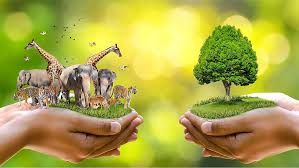
Wildlife conservation is a vital social process that involves both professional and public efforts to ensure the wise use and perpetuation of wild animals and their habitats. It seeks to maintain a harmonious balance between humans and the natural environment, fostering sustainable ecosystems.
This article explores the principles, goals, and challenges of wildlife conservation. It highlights the importance of managing wildlife populations, the benefits they provide, and the evolving dynamics of conservation policies to address human-wildlife conflicts effectively.
Understanding Wildlife Conservation
Wildlife conservation encompasses activities aimed at preserving wild animals and their biotic communities. It involves a delicate balance between human needs and environmental preservation, ensuring ecosystems remain functional and vibrant for future generations.
This process requires active management, research, and public cooperation. By fostering sustainable practices, wildlife conservation supports biodiversity while addressing human needs, such as food security and recreation.
A. Defining Wildlife Conservation
1. Social Process: Wildlife conservation involves both professionals and the public working together to protect and sustain wild animals and their habitats.
2. Harmony with Land: It aims to achieve a state of balance where human activities coexist with natural ecosystems, minimizing harm to wildlife.
3. Management Focus: Conservation includes active habitat manipulation or protection to maintain ecological balance, as outlined in the 1962 First World Conference on National Parks.
B. Ecological Context
1. Ecological Islands: Most parks and reserves are not large enough to be self-regulating, making them vulnerable to external influences like human activities or environmental changes.
2. Management Techniques: Effective control may involve reducing animal numbers, using barriers, applying frightening techniques, encouraging hunting, adjusting agriculture, or creating feeding areas.
3. External Influences: Factors like immigration, emigration, fire regimes, and water alterations impact wildlife habitats, requiring tailored management strategies.
C. Stable vs. Dynamic Communities
1. Stable Climax Communities: Large, undisturbed ecosystems like rainforests or tundra can self-perpetuate under protection without active management.
2. Successional Communities: Most habitats undergo constant change, requiring interventions like controlled burns to maintain desired ecological stages, such as savannas or prairies.
3. Population Imbalance: When animal populations exceed habitat capacity, control measures are essential to prevent environmental degradation, as seen with elephants in African parks.
Read Also: Pincushion Flowers (Scabiosa Spp): Complete Growing and Care Guide
Goals and Benefits of Wildlife Conservation
Wildlife conservation serves multiple purposes, from preserving biodiversity to supporting human well-being. Its goals range from metaphysical ideals to practical benefits, addressing diverse societal needs.
Understanding these benefits helps guide conservation efforts. By aligning objectives with public and private interests, managers can resolve conflicts and promote sustainable practices.
A. Metaphysical and Intrinsic Values
1. Preservation for Its Sake: Wildlife is valued as an integral part of the land’s character, deserving protection regardless of utility.
2. Spiritual Connection: Many view animals as essential to the vitality of ecosystems, fostering a sense of stewardship and responsibility.
3. Ethical Motivation: Preserving species reflects a commitment to maintaining the natural world for future generations.
B. Recreational Benefits
1. Active Recreation: Activities like hunting, fishing, birdwatching, and trail tracking provide opportunities for engaging with wildlife.
2. Passive Recreation: Reading about wildlife, watching documentaries, or observing animals at feeding stations offers accessible enjoyment.
3. Community Engagement: Recreation fosters public interest in conservation, encouraging broader support for wildlife protection.
C. Practical and Economic Contributions
1. Physical Utility: Wildlife provides resources like meat, fur, hides, and bones, meeting human needs through direct use or trade.
2. Monetary Value: Hunting, tourism, and fur sales generate revenue, while wildlife presence can increase land values.
3. Ecosystem Services: Animals contribute to ecosystem stability, supporting agriculture and environmental health.
D. Scientific and Environmental Monitoring
1. Gene Pool Potential: Wildlife offers genetic resources for research, aiding the development of resilient hybrid species.
2. Environmental Indicators: Species like raccoons and starlings signal ecosystem health, revealing issues like heavy metal or pesticide buildup.
3. Health Analogies: Wildlife studies on crowding and disease provide insights into human health challenges, such as stress or reduced fertility.
Read Also: Economic Importance, Uses, and By-Products of Mushroom Gills
Dynamics of Conservation Policies
Conservation policies evolve with changing attitudes, land use, and wildlife challenges. Addressing conflicts like crop damage or predation requires innovative and adaptive strategies.
Effective management relies on research and public cooperation. Policies must balance human needs with environmental protection, adapting to new ecological and social realities.
A. Wildlife Damage and Control
1. Predation Issues: Large carnivores preying on livestock remain a significant challenge, requiring targeted control measures.
2. Crop Damage: Birds and mammals damage fruits and crops, exacerbated by modern monoculture practices and high production costs.
3. Control Methods: Techniques like scaring devices, alternative feeding areas, or selective lethal methods aim to reduce damage while minimizing environmental harm.
B. Forest and Range Challenges
1. Tree Reproduction: Birds and mammals, such as mice and squirrels, hinder forest regeneration by consuming seeds.
2. Browsing Damage: Ungulates like deer can overgraze seedlings, necessitating population control through regulated hunting.
3. Rodent Impacts: Burrowing and food storage by rodents affect rangelands, requiring management to balance vegetation and animal needs.
C. Non-Agricultural Conflicts
1. Disease Transmission: Wildlife can carry diseases like rabies, posing risks to humans and domestic animals.
2. Aviation Risks: Bird strikes, such as the 1960 Logan Airport crash, highlight the need for habitat management near airports.
3. Data Needs: Accurate data collection is critical for developing effective solutions to these complex issues.
D. Positive Roles of Predators and Rodents
1. Ecological Balance: Predators and rodents contribute to ecosystem dynamics, supporting biodiversity and vegetation health.
2. Research Needs: Developing non-lethal control methods is essential to align with public preferences and ecological goals.
3. Innovative Solutions: Biological, mechanical, electronic, and chemical methods, along with compensation programs, offer diverse approaches to damage control.
Frequently Asked Questions
1. What is wildlife conservation?
Wildlife conservation involves protecting and managing wild animals and their habitats to ensure their sustainable use and perpetuation, balancing human and ecological needs.
2. Why is wildlife conservation important?
It preserves biodiversity, supports ecosystem health, provides recreational and economic benefits, and maintains genetic resources for future research and development.
3. How do humans benefit from wildlife conservation?
Humans gain recreational opportunities, resources like meat and fur, ecosystem stability, and environmental insights through wildlife monitoring.
4. What challenges does wildlife conservation face?
Challenges include human-wildlife conflicts, such as crop damage, predation, and disease transmission, as well as habitat changes due to land use.
5. How are wildlife populations managed?
Management involves techniques like population control, habitat manipulation, barriers, frightening devices, and encouraging sustainable hunting practices.
6. What role does research play in conservation?
Research informs management strategies, evaluates outcomes, and develops innovative solutions to balance human needs with wildlife preservation.
7. How can non-lethal methods help in conservation?
Non-lethal methods, like scaring devices or habitat modification, reduce damage while preserving valued species and minimizing environmental impact.
Do you have any questions, suggestions, or contributions? If so, please feel free to use the comment box below to share your thoughts. We also encourage you to kindly share this information with others who might benefit from it. Since we can’t reach everyone at once, we truly appreciate your help in spreading the word. Thank you so much for your support and for sharing!