


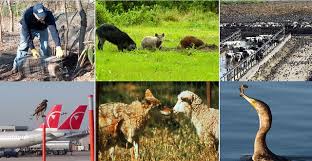
Wildlife damage issues challenge biologists, managers, and administrators regularly. Addressing these requires knowledge, accurate information, and responsibility. This article explores wildlife damage principles, identification, control strategies, and public perspectives to ensure effective management while balancing human and wildlife interests.
Understanding Wildlife Damage
Accurate identification and assessment are critical for managing wildlife damage. Superficial evaluations or lack of expertise can lead to misdiagnosis. Detailed examinations and technical analysis ensure precise solutions, minimizing harm while addressing the problem effectively.
A. Identifying the Problem
1. Accurate Diagnosis: Correctly identifying the cause of damage, such as tree bark damage at Yankari, requires thorough observation.
2. Detailed Examination: Experienced professionals must conduct repeated observations or technical analyses to confirm the wildlife species involved.
3. Specific Evidence: For example, determining which predator caused tree damage ensures targeted and effective control measures.
B. Assessing Damage Severity
1. Extent of Impact: Evaluate how many trees, by age and land, are damaged or how many acres of farmland are affected.
2. Frequency of Damage: Note if damage, like elephant destruction, occurs in multiple areas or is recurring.
3. Severity Levels: Determine if the damage causes total destruction or only a temporary setback to plan appropriate responses.
C. Comprehensive Reporting
1. Detailed Records: Include specifics like the number of affected areas and the extent of damage for accurate reporting.
2. Ongoing Assessment: Assess whether damage is continuous or likely to reoccur to inform control strategies.
3. Planning Control: Use gathered data to develop precise, effective measures to mitigate wildlife damage.
Read Also: When to Feed each Poultry Feed Types to Birds
Wildlife Damage Control Strategies
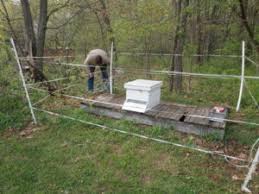
Control is justified only when human interests outweigh the value of the wildlife involved. Economic and social factors guide decisions, aiming to minimize damage to tolerable levels using the least invasive methods, aligning with modern public attitudes.
A. Economic and Social Considerations
1. Economic Evaluation: Control costs must be lower than the assessed damage to justify action.
2. Social Perspectives: Public views, valuing wildlife’s positive aspects, question the necessity of control measures.
3. Land Manager Views: Resource managers prioritize total resource operations, often differing from public sentiments.
B. Control Objectives
1. Minimal Intervention: Modern control avoids extermination, focusing on reducing damage to acceptable levels.
2. Targeted Approach: Control programs target specific damage rather than entire animal populations.
3. Public Attitude Shift: Unlike past eradication goals, today’s focus is on sustainable, minimal control measures.
C. Types of Control Methods
1. Lethal Control: Includes gassing, shooting, or poisoning, like special deer hunts to protect vineyards.
2. Preventive Control: Uses fencing, chemical repellents, or live-trapping to deter animals like beavers.
3. Environmental Control: Modifies habitats, such as vegetation removal, to reduce wildlife attraction to crops.
Read Also: How to Prevent the effect of Excess Cold and Excess Heat in a Poultry House
Categories of Wildlife Damage
Wildlife damage varies by type, species, and habitat. Classifying damage by its nature, the animals involved, and their legal status helps tailor control methods to specific situations, ensuring effective and humane management.
A. Nature of Damage
1. To Other Wildlife: Predation on species like antelope or ducks affects ecosystems.
2. To Natural Resources: Rodent or big game damage to native vegetation impacts biodiversity.
3. To Economic Interests: Deer-livestock competition or migratory bird crop damage affects agriculture.
4. Public Health Risks: Rabies from foxes or deer-automobile collisions pose safety threats.
B. Animal Characteristics
1. Feeding Habits: Animals may have local or wide-ranging feeding patterns.
2. Migration Patterns: Damage varies between migratory and non-migratory species.
3. Species Status: Damage differs between native and introduced species.
4. Activity Timing: Some species cause damage seasonally, others year-round.
C. Legal Status of Animals
1. Protected Species: Parrots, patas monkeys, and cheetahs are fully protected.
2. Game Species: Deer and elephants cause timber and crop damage.
3. Furbearers: Muskrats and beavers damage water structures or trees.
4. Non-Protected Species: Rats and starlings are considered pests, causing health and crop issues.
Advanced Control Techniques
Modern control techniques prioritize humane and sustainable methods. Beyond lethal and preventive measures, environmental and physiological controls, along with compensatory approaches, offer innovative solutions to mitigate wildlife damage effectively.
A. Physiological Control
1. Modifying Behavior: Use of wetting agents or chemosterilants, like in pigeon control, alters animal survival.
2. Reducing Reproduction: Techniques aim to limit population growth of offending species.
3. Targeted Application: Focuses on specific animals to minimize ecosystem disruption.
B. Compensatory Approaches
1. Crop Damage Insurance: Used in Canada to mitigate waterfowl grain damage.
2. Alternative to Control: Compensation addresses losses without direct wildlife intervention.
3. Limitations: Compensation does not resolve underlying wildlife conflict causes.
C. Integrated Control Measures
1. Population Reduction: Limited culling to immediately reduce damage.
2. Mechanical Barriers: Fencing to prevent crop access by wildlife.
3. Frightening Techniques: Use of distress calls or exploders to deter birds.
4. Habitat Management: Establishing non-crop feeding areas to divert wildlife.
Effective wildlife damage management balances human and wildlife interests. By accurately identifying damage, assessing its severity, and applying minimal, targeted control measures, professionals can reduce conflicts. Public attitudes and innovative techniques, like compensation and habitat management, enhance sustainable solutions.
Do you have any questions, suggestions, or contributions? If so, please feel free to use the comment box below to share your thoughts. We also encourage you to kindly share this information with others who might benefit from it. Since we can’t reach everyone at once, we truly appreciate your help in spreading the word. Thank you so much for your support and for sharing!