


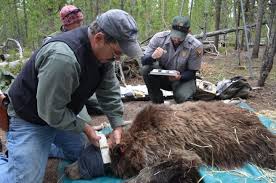
Wildlife management blends science and art to sustainably manage wild game for human use. This article explores its ecological foundations, key strategies, and practical applications. From habitat improvement to predator control, it highlights techniques ensuring wildlife thrives for recreational and conservation purposes.
The practice, rooted in ecology, balances animal populations, habitats, and human goals. Understanding these principles is crucial for effective management, ensuring sustainable wildlife populations. This article details core concepts, methods, and assessments vital for wildlife conservation and management.
Ecological Foundations of Wildlife Management
Wildlife management relies on ecological principles governing organism-environment interactions. These principles guide how managers manipulate habitats and populations to meet human objectives while ensuring sustainability.
The relationship between organisms and their environment, including shared resources like soil, water, vegetation, and atmosphere, forms the basis of wildlife management. Changes in land use, such as reduced agriculture or increased urban development, impact habitat availability, influencing wildlife populations.
A. Habitat Dynamics
1. Land Use Changes: Declining agricultural land in some areas creates suitable wildlife habitats, while highways, dams, and urban expansion reduce them. Managers identify limiting factors to enhance wildlife abundance.
2. Balancing Habitats: Managers aim to control entities that limit wildlife populations. By addressing habitat loss, they ensure conditions support sustainable game populations for recreational use.
3. Ecological Interactions: Wildlife management considers interactions among species sharing resources. Effective management maintains ecological balance to support diverse wildlife populations.
B. Early Management Strategies
1. Hunting Regulation: Early efforts focused on controlling hunting to protect breeding stocks, ensuring sustainable populations for future seasons.
Honeypot Ant
2. Predator Management: Controlling predators was a key strategy to protect game species, though modern approaches target specific offending individuals or groups.
3. Artificial Replenishment: Restocking uninhabited or overhunted ranges with game animals was used to restore populations, often combined with habitat management.
Read Also: How to Grow, Use and Care for Whiteedge Flatsedge Grass (Cyperus flavicomus)
Wildlife Population Management
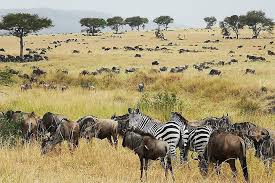
Managing wildlife populations involves strategies like hunting regulation, refuges, and predator control. These methods aim to sustain healthy populations while maximizing recreational benefits.
Population management ensures wildlife thrives without overexploiting resources. Techniques like controlled hunting and habitat restoration are critical to maintaining ecological balance and supporting biodiversity.
A. Controlled Hunting
1. Self-Regulatory Hunting: Resident small game hunting is self-regulating, as hunting pressure decreases with declining populations, leaving enough for breeding.
2. Migratory Species: Migratory game, like waterfowl, requires hunting limits to protect breeding stocks in limited habitats where hunting is concentrated.
3. Population Expansion: Transplanted animals are protected from hunting until established, allowing populations like antelope and wild turkey to grow rapidly in favorable habitats.
B. Wildlife Refuges
1. Purpose of Refuges: Refuges protect animals from hunting and predators, initially used for farm game but now focused on endangered species.
2. Effectiveness Concerns: Studies, like those in Wisconsin, show little difference in pheasant populations between hunted and protected areas, as natural mortality offsets hunting.
3. Overpopulation Risks: Excessive refuge protection can lead to overpopulation, causing unthrifty animals and habitat damage due to limited harvest.
C. Predator Control
1. Targeted Species: Wolves, lions, bobcats, and foxes are primary predators managed to protect game, with control focused on specific individuals or groups.
2. Avian Predators: Pesticides have reduced avian predator populations by interfering with reproduction, impacting their ability to prey on game.
3. Selective Management: Controlling only offending predators ensures minimal disruption to ecosystems while protecting game species.
Read Also: How To Grow, Use and Care For Threeawn Grass (Aristida Spp.)
Habitat and Stocking Strategies
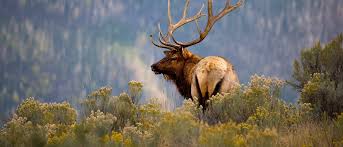
Habitat improvement and artificial stocking are critical for sustaining wildlife. These strategies enhance environments and populations to support biodiversity and recreational use.
Effective habitat management creates conditions for species to thrive, while artificial stocking supplements populations. Both approaches must align with ecological principles to succeed.
A. Artificial Stocking
1. Challenges of Stocking: Artificially reared birds and animals are less competitive than wild stock, often due to genetic selection, reducing survival rates.
2. Shooting Preserves: Stocking provides recreation in managed areas, but success decreases with time between release and harvest.
3. Carrying Capacity Limits: Stocking in occupied ranges fails when carrying capacity is exceeded, as game farm animals are most vulnerable to loss.
B. Habitat Improvement
1. Creating Conditions: Improving habitats involves providing food, water, and cover to support species reproduction and survival.
2. Enhancing Vegetation: Creating openings in forests encourages herbaceous cover, boosting populations of birds and other wildlife.
3. Resource Provision: Water holes, salt licks, and small openings enhance habitats, meeting species’ daily and seasonal needs.
C. Interspersion and Territories
1. Habitat Interspersion: Positioning vegetation types creates edges critical for feeding, loafing, and resting, supporting non-migratory wildlife.
2. Territorial Behavior: Game managers reduce territory size by optimizing vegetative components, ensuring all necessities are within a small range.
3. Migratory Patterns: Migratory birds return to natal territories, a behavior exploited to manage breeding populations effectively.
Vegetation Assessment for Habitat Improvement
Vegetation assessment evaluates plant cover to improve wildlife habitats. It measures canopy cover to determine habitat quality and inform management decisions.
Understanding vegetation’s role in habitats is essential for effective wildlife management. Assessments guide interventions to enhance biodiversity and habitat suitability.
A. Canopy Cover Assessment
1. Definition of Cover: Canopy cover is the ground area covered by the aerial parts of plant species, expressed as a percentage.
2. Open vs. Closed Vegetation: Total cover below 100% indicates open vegetation with gaps, while above 100% suggests closed, dense foliage.
3. Assessment Steps:
- Measure Plot Area: Determine the total area of the assessed plot.
- Map Canopy: Outline the canopy of trees within the plot.
- Calculate Coverage: Compute covered and uncovered areas to find percentages.
B. Practical Example
1. Plot Measurement: A 50x50m plot was assessed, totaling 2500m², to evaluate vegetation cover and habitat quality.
2. Canopy Data: Tree diameters were measured, and areas calculated (e.g., Tree A: 5.45m diameter, 23.32m² area), summing to 312.86m² covered.
3. Coverage Results: Covered area was 12.51%, with 87.49% uncovered, indicating open vegetation with significant gaps.
C. Interpretation and Recommendations
1. Habitat Quality: Low cover (12.51%) exposes soil to sunlight, increasing evaporation and erosion, indicating a poor habitat.
2. Soil Fertility: Sparse tree cover limits leaf litter, reducing soil fertility and habitat quality for wildlife.
3. Management Suggestions: Planting more trees or implementing fire prevention measures can improve habitat quality and support wildlife.
Frequently Asked Questions
1. What is wildlife management?
Wildlife management is the science and art of managing habitats, animal populations, and human interactions to achieve sustainable recreational and conservation goals.
2. Why is ecological balance important in wildlife management?
Ecological balance ensures sustainable populations by maintaining interactions between organisms and their environment, preventing habitat degradation or species loss.
3. How does controlled hunting benefit wildlife?
Controlled hunting regulates populations, promotes breeding success, and maintains healthy turnover rates, ensuring sustainable game populations.
4. What is the role of refuges in wildlife management?
Refuges protect animals from hunting and predators, but excessive protection can lead to overpopulation and habitat damage.
5. Why is artificial stocking less effective?
Artificially reared animals are less competitive than wild stock, often failing to survive due to genetic and environmental challenges.
6. What is carrying capacity?
Carrying capacity is the maximum number of animals a habitat can support, limited by resources like food, water, and cover.
7. How does habitat improvement support wildlife?
Habitat improvement provides essential resources like food, water, and cover, enhancing species reproduction and survival rates.
8. Why is vegetation assessment critical?
Vegetation assessment evaluates habitat quality, guiding management to improve cover and resources for sustainable wildlife populations.
Do you have any questions, suggestions, or contributions? If so, please feel free to use the comment box below to share your thoughts. We also encourage you to kindly share this information with others who might benefit from it. Since we can’t reach everyone at once, we truly appreciate your help in spreading the word. Thank you so much for your support and for sharing!