


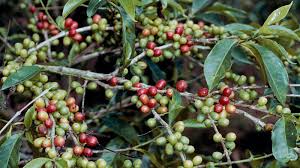
Coffea, scientifically known as Coffea arabica, is a beloved beverage enjoyed by millions worldwide. However, its significance extends far beyond its role as a morning pick-me-up. Coffee, derived from the Coffea plant, has a rich history and a plethora of potential health benefits.
The Botanical Description of Coffea
Coffea, a genus of flowering plants in the Rubiaceae family, encompasses more than 120 species, with two primary species taking center stage in the coffee industry: Coffea arabica (Arabica coffee) and Coffea canephora (Robusta coffee). Understanding the botanical aspects of Coffea is crucial to comprehending its unique properties and health benefits.
1. Life: Coffea plants are evergreen shrubs or small trees, typically ranging from 2 to 10 meters in height. They have a long lifespan, often exceeding 100 years, under optimal conditions.
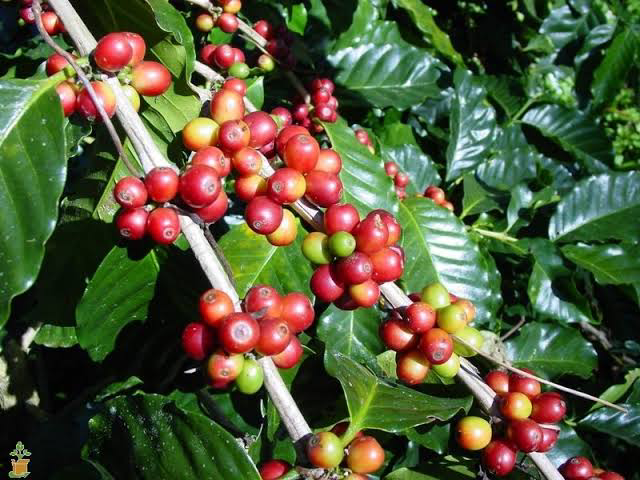
2. Leaves: The leaves of Coffea are dark green, glossy, and arranged in pairs on opposite sides of the stems. They are elliptical or lance-shaped, featuring prominent veins.
3. Flowers: Coffea plants produce small, fragrant, and white flowers with five petals. These flowers typically bloom in clusters and possess a pleasant, sweet aroma.
4. Fruits: The fruit of Coffea, commonly referred to as coffee cherries, starts as green, unripe berries and matures into bright red or yellow when ready for harvest. Each cherry contains two seeds, which we know as coffee beans.
5. Growth Conditions: Coffea plants thrive in tropical and subtropical climates with consistent rainfall and moderate temperatures. They require well-drained soil and protection from frost.
6. Coffee Varieties: Within the Coffea genus, there are numerous coffee varieties, each with distinct flavors and characteristics. Arabica coffee, known for its mild and aromatic profile, is often considered superior in taste to Robusta coffee, which is bolder and more bitter.
The Geographic Distribution of Coffea
Coffea, commonly referred to as coffee, has a fascinating geographic distribution that plays a crucial role in its cultivation and availability worldwide.
1. Native Habitat: Coffea is native to tropical regions of Africa, specifically Ethiopia and Sudan. It was discovered in the region known as the Horn of Africa.
2. Global Cultivation: Coffee cultivation has expanded well beyond its native regions. Today, it is grown in over 70 countries, with the largest coffee-producing nations including Brazil, Vietnam, Colombia, and Ethiopia.
3. Altitude Dependence: Coffee is typically cultivated at higher altitudes, with the best quality beans often grown between 2,000 and 6,000 feet above sea level. The altitude affects the flavor profile of the coffee beans.
4. Arabica vs. Robusta: Coffea arabica, the more delicate and flavorful coffee species, is often grown at higher altitudes in regions with milder climates, such as Colombia and Ethiopia. Coffea canephora, or Robusta coffee, is grown at lower altitudes and is known for its robust and bitter flavor.
5. Climate Sensitivity: Coffee cultivation is highly sensitive to climate conditions, making it susceptible to the effects of climate change. Temperature, rainfall, and humidity levels all impact coffee yields and quality.
6. Shade vs. Sun-Grown: Coffee can be cultivated in different environments, including shade-grown and sun-grown. Shade-grown coffee is often considered more environmentally friendly as it preserves biodiversity and requires fewer chemicals.
The Chemical Composition of Coffea
The chemical composition of Coffea, the source of our beloved coffee, is a complex and intriguing subject. Understanding the compounds within coffee can help explain both its flavor and potential health benefits.
1. Caffeine: Coffee is renowned for its caffeine content, a natural stimulant that can enhance alertness and focus. Caffeine is also found in other plants, but coffee beans contain it in relatively high concentrations.
2. Chlorogenic Acids: These antioxidants are responsible for coffee’s bitter taste. They have been studied for their potential health benefits, including reducing the risk of chronic diseases.
3. Lipids: Coffee beans contain lipids, or fats, which contribute to the overall mouthfeel and texture of brewed coffee.
4. Carbohydrates: Coffee beans have carbohydrates, which are caramelized during the roasting process, influencing the flavor and aroma of the final brew.
5. Amino Acids: Coffee beans contain various amino acids, including theanine, which can affect the taste of coffee. Theanine is known for its calming properties.
6. Sugars: Sugars in coffee beans undergo Maillard reactions during roasting, contributing to the development of flavors and aromas.
7. Acids: Coffee contains various acids, such as citric, malic, and acetic acid, which impart acidity and brightness to the flavor profile.
8. Minerals: Coffee contains essential minerals like potassium, magnesium, and calcium, which are extracted during the brewing process.
9. Volatile Compounds: Coffee is rich in volatile compounds that produce its signature aroma. These compounds include aldehydes, ketones, and esters.
10. Melanoidins: Formed during the roasting process, melanoidins contribute to the color and taste of coffee, providing depth and complexity to its flavor profile.
The Harvesting and Processing of Coffea
The journey of coffee from the coffee cherry to your cup involves several crucial steps in harvesting and processing to preserve its flavor and quality.
1. Harvesting: Coffee cherries are typically handpicked when they are ripe. This labor-intensive process ensures that only the best cherries are selected for processing.
2. Pulping: After harvesting, the outer skin and pulp are removed from the coffee cherries, revealing the two coffee beans inside.
3. Fermentation: The beans are then fermented to remove the sticky mucilage. This process can take anywhere from 12 to 48 hours, depending on various factors.
4. Washing: After fermentation, the coffee beans are thoroughly washed to remove any remaining pulp or mucilage.
5. Drying: The washed beans are spread out to dry in the sun or using mechanical dryers. Proper drying is essential to prevent mold and maintain quality.
6. Milling: Once dried, the coffee beans are hulled and polished to remove the parchment layer, revealing the green coffee beans.
7. Sorting: The green beans are sorted to remove any defects or beans of lower quality.
8. Roasting: Green coffee beans are roasted to perfection, bringing out their unique flavors and aromas.
9. Grinding and Brewing: Finally, the roasted beans are ground and brewed into the coffee we enjoy.
Read Also: Worm Infestation on Ruminant Animals: Symptoms and Treatment
The Medicinal Health Benefits Of Coffea (Coffea arabica)
Coffea, commonly known as coffee, offers a wide range of potential health benefits beyond its delightful aroma and taste. Let’s explore 25 of these medicinal health benefits:
1. Enhanced Mental Alertness: Coffee’s caffeine content can improve focus and cognitive function.
2. Improved Mood: Caffeine may elevate mood and reduce the risk of depression.
3. Antioxidant Protection: Coffee is rich in antioxidants, which help combat free radicals and reduce the risk of chronic diseases.
4. Reduced Risk of Stroke: Moderate coffee consumption has been linked to a decreased risk of stroke.
5. Lowered Risk of Parkinson’s Disease: Some studies suggest that coffee may reduce the risk of Parkinson’s disease.
6. Alzheimer’s Disease Prevention: Coffee consumption may lower the risk of Alzheimer’s disease.
7. Enhanced Physical Performance: Caffeine can improve physical endurance and performance.
8. Reduced Risk of Type 2 Diabetes: Coffee may improve insulin sensitivity and reduce the risk of type 2 diabetes.
9. Liver Health: Coffee may protect the liver from conditions like fatty liver disease and cirrhosis.
10. Asthma Management: Caffeine can help alleviate asthma symptoms by relaxing airway muscles.
11. Headache Relief: Coffee can provide relief from certain types of headaches due to its vasoconstrictive properties.
12. Gallstone Prevention: Regular coffee consumption has been associated with a lower risk of gallstone formation.
13. Pain Management: Coffee may enhance the effectiveness of pain medications and reduce the need for pain relief.
14. Anti-Inflammatory Effects: Some compounds in coffee have anti-inflammatory properties.
15. Skin Health: Topical application of coffee grounds can exfoliate and improve skin texture.
16. Weight Management: Caffeine can boost metabolism and aid in weight loss efforts.
17. Reduced Risk of Certain Cancers: Some studies suggest that coffee consumption may reduce the risk of liver, colorectal, and endometrial cancers.
18. Gout Prevention: Coffee intake has been associated with a lower risk of gout.
19. Improved Digestion: Coffee can stimulate the release of gastric juices, aiding digestion.
20. Respiratory Health: Caffeine may help dilate airways and improve breathing in certain respiratory conditions.
21. Enhanced Athletic Performance: Caffeine is a legal ergogenic aid that can enhance athletic performance.
22. Dental Health: Some compounds in coffee may inhibit the growth of oral bacteria.
23. Sun Protection: Coffee extracts can offer limited protection against UV damage when applied to the skin.
24. Anti-Aging Properties: Antioxidants in coffee can help combat skin aging when used topically.
25. Enhanced Hair Health: Coffee rinses may stimulate hair growth and add shine
The Methods of Usage to Achieve the Provided Health Benefits Of Coffea (Coffea arabica)
要利用咖啡的藥用健康益處,可以採用各種食用和應用方法。以下是實現這些益處的九種方法:
1. 飲用咖啡: 最常見的方法是飲用沖泡咖啡,以改善警覺性和情緒。
2. 局部應用: 咖啡渣或提取物可用於磨砂膏、面膜或乳液中,以促進皮膚健康。
3. 咖啡灌腸: 有些人使用咖啡灌腸作為排毒方法,儘管尚未經醫學證明。
4. 體重管理: 將咖啡納入您的日常生活中,以促進新陳代謝並幫助體重管理。
5. 運動表現: 運動員可能會在鍛鍊或比賽前飲用咖啡,以提高耐力。
6. 緩解疼痛: 咖啡可以輔助止痛藥,以增強緩解效果。
7. 護膚產品: 尋找含有咖啡提取物的護膚產品,以獲得抗衰老功效。
8. 頭髮沖洗: 咖啡沖洗可以刺激頭髮生長並改善頭髮質感。
9. 吸入: 咖啡香味精油的芳香療法可以提振情緒和精神警覺性。
使用咖啡藥用植物的副作用
雖然咖啡提供了許多健康益處,但重要的是要注意與其消費相關的潛在副作用:
1. 失眠: 過量攝入咖啡因可能導致難以入睡。
2. 紧张和焦虑: 高剂量的咖啡因可能导致紧张和焦虑。
3. 消化问题: 咖啡可能是一种泻药,并可能导致某些人胃部不适。
4. 心悸: 咖啡因可能导致敏感人群心跳加速。
5. 依赖性: 经常饮用咖啡会导致咖啡因依赖和戒断症状。
6. 血压升高: 高咖啡因摄入可能会暂时升高血压。
7. 骨骼健康: 过量饮用咖啡可能会减少钙的吸收并影响骨骼健康。
8. 铁吸收: 咖啡会抑制来自植物性食物的非血红素铁的吸收。
9. 牙齿染色: 过量饮用咖啡会导致牙齿染色。
10. 胃食管反流: 咖啡可能会加重某些人的胃酸倒流症状。
11. 骨质疏松症: 一些研究表明,高咖啡摄入量与较高的骨质疏松症风险相关。
12. 妊娠期顾虑: 孕妇应限制咖啡因摄入,以避免潜在的并发症。
另请阅读:蓝蛇鞭草 (Stachytarpheta cayennensis) 的 18 种药用健康益处
咖啡的科学研究

对咖啡(Coffea)的科学研究揭示了其对健康和福祉的诸多影响。以下是与咖啡相关的 14 项重要研究和发现:
1. 心血管健康:发表在《新英格兰医学杂志》上的一项研究发现,适量饮用咖啡与降低心血管疾病死亡风险相关。
2. 预防糖尿病:《内科医学档案》中的研究表明,饮用咖啡可能降低 2 型糖尿病的风险。
3. 帕金森病:包括《美国医学会神经病学》上的一项研究在内的多项研究表明,饮用咖啡可能降低帕金森病的风险。
4. 阿尔茨海默病:《阿尔茨海默病杂志》发表的研究表明,摄入咖啡可能降低阿尔茨海默病的风险。
5. 肝脏健康:《肝脏病学研究》中的一项研究表明,饮用咖啡与降低肝纤维化和肝硬化的风险有关。
6. 情绪提升:《精神药理学杂志》的研究发现,咖啡因可以改善情绪和认知能力。
7. 预防皮肤癌:《美国国家癌症研究所杂志》的研究表明,饮用咖啡可能降低某些皮肤癌的风险。
使用咖啡(Coffea)药用植物的安全预防措施和建议
虽然咖啡提供了多种健康益处,但负责任地使用它并考虑安全预防措施至关重要:
1. Moderate Consumption: Limit caffeine intake to avoid side effects like insomnia and anxiety.
2. Pregnancy and Nursing: Pregnant and nursing women should consult with a healthcare provider and limit caffeine intake.
3. Individual Sensitivity: Be aware of your caffeine sensitivity; some people are more prone to its effects.
4. Hydration: Balance coffee consumption with adequate water intake to prevent dehydration.
5. Medication Interactions: Check for potential interactions between coffee and medications you are taking.
6. Dental Care: Rinse or brush your teeth after coffee to prevent staining.
7. Bone Health: If you have concerns about bone health, consider moderating coffee consumption.
8. Avoid Excessive Sugar and Additives: Limit the use of high-calorie additives like sugar and cream.
9. Quality Matters: Choose high-quality coffee to maximize potential health benefits and flavor.
FAQs About Coffea (Coffee) Medicinal Plant
Here are 18 frequently asked questions (FAQs) about the medicinal use of coffee:
1. Can coffee prevent heart disease? Some studies suggest moderate coffee consumption may reduce the risk of cardiovascular diseases.
2. Is coffee safe during pregnancy? Limited caffeine intake is generally considered safe during pregnancy, but consult with a healthcare provider.
3. 咖啡会导致失眠吗? 过量饮用咖啡,尤其是在下午或晚上,可能会导致失眠。
4. 咖啡能帮助减肥吗? 咖啡因可以促进新陈代谢,如果在健康饮食和锻炼的同时使用,有助于体重管理。
5. 每天喝多少咖啡是安全的? 适量饮用咖啡通常被认为是安全的,每天3-4杯是一个常见的指导方针。
6. 咖啡能提高精神警觉性吗? 是的,咖啡中的咖啡因可以提高精神警觉性和注意力。
7. 咖啡会导致脱水吗? 虽然咖啡有利尿作用,但适量饮用不会导致明显的脱水。
8. 咖啡能预防某些癌症吗? 一些研究表明,咖啡可能降低肝癌和结直肠癌的风险。
9. 咖啡会加重骨质疏松症吗? 过量摄入咖啡与较高的骨质疏松症风险有关。
10. 咖啡可以外用以获得皮肤益处吗? 是的,咖啡渣和提取物在皮肤护理中用于去角质和抗氧化特性。
11. 咖啡会与药物相互作用吗? 咖啡可能会与某些药物相互作用,如果您有疑虑,请咨询您的医疗保健提供者。
12. 咖啡可以缓解头痛吗? 在某些情况下,咖啡因可以缓解特定类型的头痛。
13. 无咖啡因咖啡是一个好选择吗? 无咖啡因咖啡保留了一些有益的化合物,适合对咖啡因敏感的人。
14. 咖啡可以用于头发护理吗? 咖啡冲洗液可能刺激头发生长并改善头发质地。
15. 咖啡会导致消化问题吗? 过量饮用咖啡会导致胃部不适和消化问题。
16. 咖啡会上瘾吗? 咖啡可能导致某些人对咖啡因产生依赖,从而导致戒断症状。
17. 咖啡可以保护肝脏吗? 适量饮用咖啡与降低肝脏疾病风险有关。
18. 咖啡是抗氧化剂的良好来源吗? 咖啡富含抗氧化剂,有益于整体健康。
另请阅读:小型企业增长的 5 个障碍