


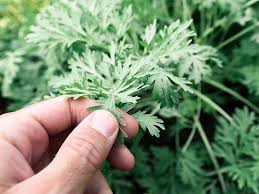
Artemisia kawakamii,俗称川上艾,是一种具有悠久药用历史的植物。本文探讨了它的各种健康益处、植物学描述等。
Artemisia kawakamii,也称为川上艾,是艾属植物的一个物种,原产于东亚,特别是台湾和日本。在这些地区,它有着悠久的传统药用历史,并因其潜在的健康益处而备受重视。
Artemisia kawakamii 的植物学描述
Artemisia kawakamii 是一种多年生草本植物,具有以下植物学特征:
1. 生长习性: 它通常生长为小型木本灌木,高度达到 30 至 90 厘米。
2. 叶子: Artemisia kawakamii 的叶子深裂且呈银绿色,赋予该植物独特的外观。叶子覆盖着细小的银色毛发,这有助于其柔软的质地。
3. 花朵: 该植物产生小的、不显眼的花朵,通常为绿黄色。这些花朵成簇排列,并在夏末至初秋出现。
4. Aroma: One of the notable features of Artemisia kawakamii is its strong, aromatic scent. The leaves emit a pleasant fragrance when crushed or rubbed, which is a characteristic of many artemisia species.
5. Habitat: Kawakami Wormwood thrives in well-drained soils and is often found in mountainous regions, particularly in Taiwan and parts of Japan.
6. Traditional Use: In traditional Chinese and Japanese medicine, Artemisia kawakamii has been used for various medicinal purposes. It is known for its potential anti-inflammatory, antispasmodic, and analgesic properties.
7. Medicinal Compounds: The plant contains bioactive compounds, including essential oils, flavonoids, and sesquiterpene lactones, which are believed to contribute to its medicinal properties.
8. Modern Research: While Artemisia kawakamii has a rich history of traditional use, modern research is ongoing to better understand its potential health benefits and pharmacological properties.
9. Conservation: Due to its limited distribution and habitat, Artemisia kawakamii faces conservation concerns. Efforts are being made to protect and preserve this valuable medicinal plant.
The Geographic Distribution of Artemisia kawakamii
Artemisia kawakamii, commonly known as Kawakami Wormwood, has a limited geographic distribution primarily in East Asia, with a focus on specific regions. Here, we will explore the plant’s distribution and where it can be found.
1. Native Range: Artemisia kawakamii is native to Taiwan and certain parts of Japan, primarily the southern and central regions of Taiwan and various areas in Japan.
2. Taiwan: Within Taiwan, Kawakami Wormwood is distributed across the central mountain range, including areas such as Nantou, Taichung, and Chiayi. These regions offer suitable habitats for the growth of this medicinal plant.
3. Japan: In Japan, Artemisia kawakamii is found in specific locations, primarily in the southern part of the country, including regions like Kyushu and Shikoku. It thrives in mountainous and hilly areas with well-drained soil.
4. Altitude: This plant species tends to grow at higher elevations, typically between 800 and 2,000 meters above sea level. The mountainous terrain of its native regions provides the ideal altitudinal range for its growth.
5. Habitat: Artemisia kawakamii prefers habitats with well-drained, sandy, or loamy soils. It often grows in forest margins, grasslands, and open areas within its native range.
6. Conservation: Due to its limited geographic distribution and specific habitat requirements, Artemisia kawakamii is considered vulnerable and faces conservation challenges. Efforts are underway to protect and conserve this valuable medicinal plant.
The Chemical Composition of Artemisia kawakamii
The chemical composition of Artemisia kawakamii contributes to its potential medicinal properties. Below, we explore some of the key compounds found in this plant:
1. Essential Oils: Artemisia kawakamii contains essential oils with various volatile compounds, including terpenes and sesquiterpenes. These oils are responsible for the plant’s distinct aromatic scent.
2. Flavonoids: Flavonoids are a group of polyphenolic compounds found in Artemisia kawakamii. These compounds are known for their antioxidant properties and potential health benefits.
3. Sesquiterpene Lactones: Kawakami Wormwood contains sesquiterpene lactones, which are bioactive compounds that may possess anti-inflammatory and analgesic properties.
4. Coumarins: Coumarins are another group of compounds identified in Artemisia kawakamii. These compounds have been investigated for their potential medicinal effects.
5. Phenolic Compounds: Phenolic compounds, including phenolic acids, have been detected in this plant and are known for their antioxidant and anti-inflammatory properties.
6. Alkaloids: Some alkaloids have been reported in Artemisia kawakamii, although their specific roles and effects are still being studied.
7. Phytochemical Diversity: The chemical composition of Artemisia kawakamii may vary depending on factors such as location, growth conditions, and maturity of the plant. Researchers continue to explore the full spectrum of phytochemicals present in this species.
Understanding the chemical composition of Artemisia kawakamii is essential for unlocking its potential medicinal benefits and exploring its applications in traditional and modern medicine. Ongoing research aims to further elucidate the specific compounds responsible for its therapeutic properties.
The Harvesting and Processing of Artemisia kawakamii
The harvesting and processing of Artemisia kawakamii involve specific methods to ensure the preservation of its medicinal properties. Here, we delve into the steps involved in harvesting and processing this valuable plant:
1. Harvesting Time: The timing of harvest is crucial. Artemisia kawakamii is typically harvested during its flowering period, which usually occurs from late summer to early autumn. This is when the plant is believed to contain the highest concentration of beneficial compounds.
2. Hand Harvesting: In many cases, Kawakami Wormwood is hand-harvested by skilled gatherers. Hand harvesting allows for careful selection of healthy plant parts while leaving the rest of the plant intact for regrowth.
3. Drying: After harvesting, the plant material is dried thoroughly. Proper drying is essential to prevent mold and ensure the preservation of the plant’s active compounds. It is typically air-dried in shaded, well-ventilated areas.
4. Storage: Once dried, the Artemisia kawakamii plant material is stored in a cool, dry place to maintain its quality and potency. Proper storage conditions help prevent moisture and degradation.
5. Processing: In some cases, the dried plant material may be further processed to extract specific compounds, such as essential oils or other bioactive substances. Extraction methods can vary depending on the intended use.
6. Traditional Medicine: In traditional Chinese and Japanese medicine, different parts of Artemisia kawakamii, such as the leaves and stems, may be used in various medicinal preparations, including herbal teas, decoctions, or poultices.
7. 可持续采摘: 鉴于其保护状态,人们正在努力确保可持续的采摘方法。这包括遵守防止过度采摘并促进负责任地采集川上艾的准则。
8. 研究与开发: 研究人员继续探索加工川上艾的创新方法,以最大限度地发挥其药用潜力,同时确保可持续性和质量控制。
另请阅读:8种金钱草的药用健康益处
川上艾的药用健康益处
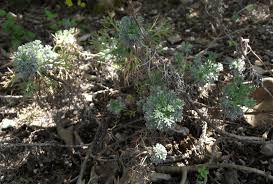
川上艾,也称为Kawakami Wormwood,具有悠久的传统药用历史,其潜在的健康益处引起了人们的极大兴趣。在这里,我们探讨与这种非凡植物相关的一些药用健康益处。
1. 抗炎特性: 据信川上艾具有抗炎特性,使其在控制以炎症为特征的疾病(如关节炎和炎症性肠病)中可能有用。
2. 镇痛效果: 传统医学表明,川上艾可能具有镇痛(止痛)特性。它可用于缓解各种类型的疼痛,包括头痛和肌肉疼痛。
3. 助消化: 在传统中医中,玉山蒿一直被用于助消化。它可能有助于缓解消化不良、腹胀和胃肠不适。
4. 呼吸道支持: 这种植物已被用作呼吸道问题的疗方。它可能有助于缓解咳嗽、感冒和支气管炎的症状。
5. 抗氧化活性: 玉山蒿含有黄酮类和酚类化合物,具有抗氧化特性。抗氧化剂有助于保护细胞免受氧化应激,并可能支持整体健康。
6. 潜在的抗菌作用: 一些研究表明,玉山蒿提取物可能对某些病原体表现出抗菌活性。这可能使其在解决感染方面具有价值。
7. 在疟疾中的传统用途: 在传统医学中,蒿属植物已被用于治疗疟疾。虽然今天不是主要的治疗方法,但它强调了这种植物在草药医学中的历史重要性。
实现玉山蒿提供的健康益处的使用方法
为了利用玉山蒿的药用健康益处,在传统和现代草药实践中采用了各种使用方法。以下是一些常见的方法:
1. 草药茶: 利用玉山蒿最常见的方法之一是制备草药茶。将干燥的叶子和茎浸泡在热水中,制成具有治疗作用的浸剂。这种茶通常用于解决消化问题并促进整体健康。
2. 药泥:在某些情况下,将川上艾的叶子压碎后局部使用,作为药泥来缓解疼痛,特别是针对肌肉酸痛或关节疼痛等病症。
3. 草药组合:有时会将川上艾与其他草药组合使用,以增强其疗效。这些组合可以针对特定的健康问题,并产生协同效应。
4. 传统配方:在中国和日本传统医学中,川上艾有时会被包含在复杂的配方中,即根据个人健康需求量身定制的草药处方。
5. 膳食补充剂:在现代,川上艾也可以以膳食补充剂的形式获得,包括胶囊和提取物。这些补充剂经过标准化,含有特定的生物活性化合物。
6. 吸入:使用川上艾进行蒸汽吸入可用于解决呼吸道问题。吸入植物释放的芳香化合物可以缓解鼻塞和咳嗽。
7. 咨询草药师:当使用川上艾治疗特定健康问题时,务必咨询具有传统医学经验的草药师或医疗保健专业人员。他们可以提供有关剂量和使用方法的指导。
使用川上艾药用植物的副作用
虽然川上艾具有潜在的健康益处,但务必了解可能的副作用和注意事项:
1. 过敏反应: 有些人可能对蒿属植物敏感或过敏,导致皮疹、瘙痒或呼吸道症状。如果您怀疑过敏,请停止使用。
2. 消化不良: 在极少数情况下,过度饮用川上氏艾茶可能导致消化不适,包括恶心和胃痉挛。
3. 与药物的相互作用: 如果您正在服用药物,特别是血液稀释剂或治疗慢性疾病的药物,请在使用川上氏艾之前咨询医疗保健专业人员,因为它可能与某些药物相互作用。
4. 怀孕和哺乳期: 怀孕或哺乳期的人应谨慎,并在使用草药疗法(包括川上氏艾)之前咨询医疗保健提供者。
5. 质量和剂量: 确保您采购高质量的川上氏艾产品,并遵循推荐剂量。过度食用可能导致不良反应。
川上氏艾的科学研究和调查
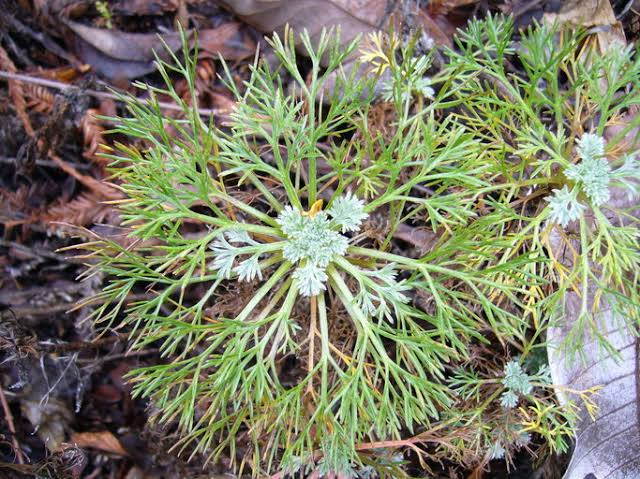
对川上氏艾(通常称为川上苦艾)的科学研究和调查揭示了其潜在的健康益处和药理特性。以下是研究和调查的一些主要发现:
1. 抗炎作用:研究表明,川上艾蒿具有抗炎特性。植物中的化合物可能有助于减轻炎症,使其成为关节炎和炎症性肠病等疾病的潜在候选药物。
2. 抗氧化活性:研究表明,川上艾蒿含有抗氧化化合物,如黄酮类和酚类化合物。这些抗氧化剂可以中和有害的自由基,并支持整体健康。
3. 镇痛特性:一些研究表明,川上艾蒿可能具有镇痛(缓解疼痛)作用,这可能对控制疼痛状况有益。
4. 传统医学验证:科学研究已经证实了川上艾蒿在治疗呼吸道问题、消化问题和缓解疼痛方面的部分传统用途,为其有效性提供了经验证据。
5. 抗微生物潜力:研究表明,川上艾蒿的提取物可能具有抗菌特性,这可能对解决由某些病原体引起的感染有价值。
6. 安全性分析:研究已经探索了川上艾蒿的安全性,重点是了解潜在的副作用以及与药物的相互作用。该领域的研究旨在确保这种药用植物的安全使用。
7. 植物化学分析: 研究人员对川上蒿进行了详细的植物化学分析,以鉴定和量化其生物活性化合物。这有助于理解其化学成分和潜在的治疗机制。
8. 保护工作: 由于川上蒿分布有限,一些研究侧重于保护川上蒿。人们正在努力保护和可持续管理这种珍贵植物的种群。
使用川上蒿药用植物的安全预防措施和建议
虽然川上蒿具有潜在的健康益处,但在使用这种药用植物时,必须采取安全预防措施并遵循建议:
1. 过敏: 注意可能对蒿属植物产生的过敏反应。如果您在使用后出现皮疹、瘙痒或呼吸道症状,请停止使用并寻求医疗建议。
2. 剂量: 遵循草药师或医疗保健专业人员提供的建议剂量。过量食用会导致不良反应。
3. 药物相互作用: 如果您正在服用药物,请在使用川上蒿之前咨询医疗保健提供者,因为它可能与某些药物相互作用,特别是血液稀释剂。
4. 怀孕和哺乳: 怀孕或哺乳期的人在使用包括川上蒿在内的草药疗法之前应咨询医疗保健提供者。
5. 质量控制: 确保您从信誉良好的来源采购高质量的川上蒿产品,以保证安全性和有效性。
关于川上氏蒿药用植物的常见问题解答
以下是一些关于川上氏蒿的常见问题:
1. 长期使用川上氏蒿安全吗?
按照指示使用时,川上氏蒿通常短期使用是安全的。但是,建议长期使用咨询医疗保健专业人员,特别是如果您有潜在的健康问题或正在服用药物。
2. 川上氏蒿可以用于治疗哮喘等呼吸道疾病吗?
虽然一些传统做法使用川上氏蒿治疗呼吸道问题,但不应取代处方的哮喘药物。请咨询医疗保健提供者进行哮喘管理。
3. 川上氏蒿对传染病有效吗?
对其抗菌特性的研究正在进行中,但不应将其作为治疗传染病的主要手段。传统的医疗方法对于解决感染至关重要。
4. 使用川上氏蒿有年龄限制吗?
没有具体的年龄限制,但不同年龄组的剂量和安全注意事项可能有所不同。请咨询医疗保健提供者以获取指导,特别是对于儿童和老年人。
5. 川上氏蒿可以用作膳食补充剂吗?
是的,可以使用含有川上氏蒿的膳食补充剂。确保它们来自信誉良好的来源,并遵循建议的剂量。
6. 使用和购买川上氏蒿是合法的吗?
川上氏蒿的法律地位可能因地区而异。 使用或购买前,请确保符合当地法规。
7. 川上氏蒿在怀孕和哺乳期间可以使用吗?
怀孕或哺乳期的人在使用川上氏蒿之前应咨询医疗保健提供者,因为其在这些期间的安全性尚未得到充分证实。
8. 川上氏蒿是否存在已知的药物相互作用?
川上氏蒿可能与某些药物相互作用,尤其是血液稀释剂。 如果您正在服药,请在使用此草药之前咨询医疗保健提供者。
9. 应如何储存川上氏蒿以保持其效力?
将川上氏蒿产品储存在阴凉、干燥的地方,避免阳光直射,以保持其效力。 遵循包装上提供的任何特定储存说明。
10. 川上氏蒿可以用来治疗过敏吗?
虽然它具有抗炎特性,但对于正确的过敏管理,咨询过敏症专家或医疗保健提供者至关重要。 不要自行用药治疗过敏症。
11. 川上氏蒿是否受到任何卫生部门的监管?
关于含有川上氏蒿的草药补充剂的法规因国家/地区而异。 确保您从信誉良好的来源购买符合当地卫生标准的产品。
12. 川上氏蒿可以用来治疗 COVID-19 或其他病毒感染吗?
虽然对川上艾蒿的抗病毒特性研究正在进行中,但它并不是一种经证实的 COVID-19 或任何其他病毒感染的治疗方法。请遵循卫生当局关于 COVID-19 管理的指南。
13. 如果在使用川上艾蒿后出现不良反应,我该怎么办?
如果您在使用川上艾蒿后出现严重不良反应、过敏或任何意想不到的症状,请立即停止使用并就医。
14. 川上艾蒿可以用于治疗焦虑或抑郁等精神健康问题吗?
虽然有些草药被研究用于改善心理健康,但川上艾蒿对于焦虑或抑郁症的疗效尚未得到充分证实。请咨询心理健康专业人士以寻求适当的治疗方法。
您有任何问题、建议或贡献吗?如果有,请随时使用下面的评论框分享您的想法。我们还鼓励您将此信息分享给可能从中受益的其他人。由于我们无法立即联系到每个人,我们非常感谢您帮助传播信息。非常感谢您的支持和分享!
免责声明:本文仅供教育和参考之用。所描述的健康益处基于科学研究和传统知识。它们不能替代专业的医疗建议、诊断或治疗。在使用任何草药或自然疗法进行医疗用途之前,请务必咨询医疗保健专业人员。
另请阅读:西番莲的益处