


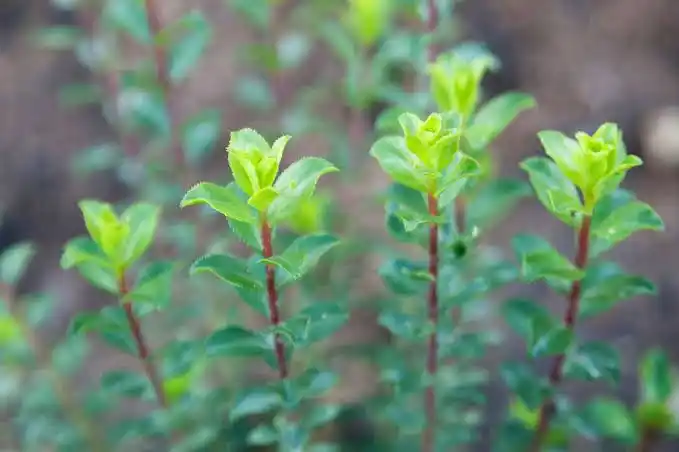
布枯(学名:Agathosma betulina)是一种原产于南非的植物,以其芳香的叶子而闻名,这些叶子传统上被用于各种保健用途。.
“buchu”这个名字来源于科伊桑语,指的是芸香科的一类芳香植物,包括桦叶香木(Agathosma betulina)。
布枯叶富含精油,赋予其独特的香气。传统上,南非土著居民一直利用布枯的潜在药用价值。人们常将布枯叶制成草药浸剂、提取物或精油,用于治疗。
布枯的主要传统用途之一是其利尿功效。这种植物一直被用于维护泌尿系统健康,并缓解尿路感染和膀胱炎等疾病。.
人们认为布枯的利尿作用有助于清除泌尿系统中的毒素和细菌。
布枯叶因其潜在的抗炎和抗菌特性而闻名。它常被外用于治疗伤口、皮肤刺激和风湿病等疾病。从布枯叶中提取的精油含有胡薄荷酮和地奥司明等化合物,这些化合物被认为有助于其发挥这些功效。
在传统草药医学中,布枯被视为治疗多种疾病的良药,包括消化问题。它常被用于治疗消化不良、腹胀和胃痛等症状。
布枯虽然有着悠久的传统使用历史,但谨慎使用至关重要。这种植物含有挥发性油脂,可能会刺激某些人的皮肤,尤其是在使用高浓度制剂时。.
与任何草药疗法一样,在将布枯草纳入个人健康方案之前,建议咨询医疗保健专业人员,特别是对于已有疾病或正在服用药物的人。
布枯补充剂和草药制剂有多种形式,包括胶囊、酊剂和茶剂。目前关于布枯具体作用机制和功效的科学研究有限,需要更多研究来充分了解其潜在益处和风险。
布枯(Agathosma betulina)是一种在南非传统医学中根深蒂固的植物。它传统上用于维护泌尿系统健康、抗炎和促进消化,这些用途使其具有重要的历史意义。.
与任何草药疗法一样,在将布枯草纳入个人健康养生计划之前,务必谨慎行事,寻求医疗保健专业人员的指导,并考虑个人的健康因素。
布枯的植物学描述
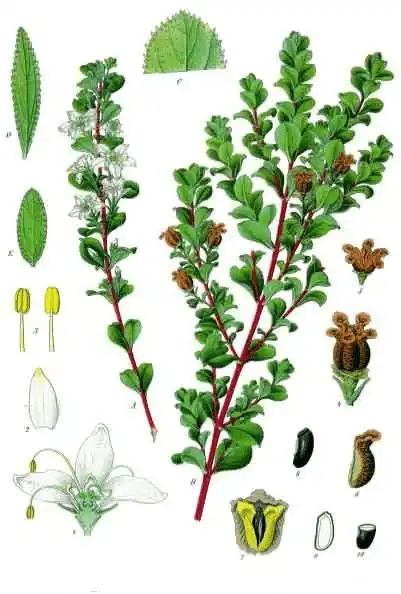
1. 布枯植物概述: 布枯(学名:Agathosma betulina)是一种芳香的常绿灌木,原产于南非西开普省。它属于芸香科,叶片小而有光泽,开白色至粉红色的簇生花朵。
2. 形态特征: 布枯植株紧凑茂密,高度可达一至两米。椭圆形叶片对生,揉搓后会散发出浓郁的香气。
3. 香气特性: 叶子中含有丰富的精油,如胡薄荷酮和二酚类化合物,使植物散发出浓郁的香味。
4. 花卉和果实: 布枯会开出簇生的小型星形花朵,花色从白色到粉色不等。授粉后,它会结出小型蒴果,内含种子。
5. 对恶劣环境的适应: 布枯在排水良好的沙质土壤中生长旺盛,对干旱和偶尔发生的火灾具有较强的适应能力。
布枯的地理分布
1. 原生栖息地: 布枯原产于南非西开普省,尤其在芬博斯生物群落中较为常见。
2. 芬博斯生物群落: 布丘在芬博斯生物群落中生长茂盛,芬博斯生物群落是生物多样性热点地区,具有地中海气候和独特的动植物群。
3. 在原产地以外地区进行种植: 由于全球需求,种植范围已从南非扩展到气候适宜的地区。
4. 全球需求与保护工作: 布氏木的叶子被采摘提取精油,这促使人们采取保护措施,以确保可持续的做法。
5. 气候和土壤偏好: 布丘喜欢地中海气候和排水良好的沙质土壤地区。
布枯的化学成分
1. 精油: 布卡斯精油,包括薄荷酮和二酚,赋予了它独特的香气和治疗功效。
2. 黄酮类化合物: 布枯中的黄酮类化合物是天然抗氧化剂,有助于维持整体健康和幸福感。
3. 地奥司明和橙皮苷: 布枯叶含有地奥司明和橙皮苷,研究表明其可能对血管有益。
4. 抗菌化合物: 布枯叶因其特定化合物而具有抗菌特性,这印证了其传统用途。
5. 酚酸: 酚酸类物质,包括迷迭香酸,具有抗氧化特性和潜在的抗炎作用。
6.萜烯类化合物: 萜烯类化合物是布枯草香气和药用特性的来源。
7. 布枯樟脑: 这种特殊的化合物赋予了布克斯独特的化学特性,影响了它的芳香品质。
8. 潜在的生物活性化合物: 目前的研究正在探索布枯中其他生物活性化合物,以扩大其治疗潜力。
另请阅读: 柳枝稷(Panicum virgatum)的种植和养护指南
布枯(Agathosma betulina)的药用保健功效
1. 抗炎特性: 布枯叶具有强大的抗炎作用,这归功于其所含的黄酮类化合物和酚酸类化合物,有助于控制炎症。
2. 抗氧化功效: 布枯富含黄酮类化合物,具有抗氧化活性,能够对抗氧化应激,并有可能降低患慢性疾病的风险。
3. 泌尿系统健康: 布枯叶传统上用于支持泌尿系统健康,可以缓解不适并促进泌尿系统的整体功能。
4. 利尿作用: 布卡斯利尿的特性有助于增加尿液生成,帮助排出多余的体液,并有助于治疗水肿等疾病。
5. 胃肠道支持: 布枯可能对胃肠道有益,包括对消化系统有舒缓作用,历史上曾用于治疗消化不适。
6. 抗感染特性: 布枯叶含有抗菌化合物,可能具有抗感染特性,有助于治疗细菌和真菌感染。
7. 呼吸系统健康支持: 布枯的芳香化合物,包括精油,可能对呼吸系统有益,可以缓解咳嗽和呼吸道充血等症状。
8. 缓解关节和肌肉疼痛: 布枯的抗炎特性可能有助于缓解关节和肌肉疼痛,因此它是一种治疗疼痛和炎症的传统药物。
9.经期舒适度: 布枯叶自古以来就被用于缓解经期不适,它或许能够缓解与月经周期相关的痉挛和不适。
10. 免疫系统支持: 布枯中的黄酮类化合物和其他生物活性化合物可能有助于增强免疫系统,提高人体抵御感染的能力。
11. 缓解压力: 布枯的芳香特性可能具有轻微的镇静作用,有助于减轻压力和提升整体健康水平。
布枯(Agathosma betulina)的保健功效使用方法
1. 花草茶: 布枯叶可以泡制成草药茶,方便人们享受其药用价值,尤其是在泌尿系统和消化系统健康方面。
2. 精油的应用: 从布枯中提取的精油可以稀释后外用,常用于缓解关节和肌肉疼痛,或利用其抗菌特性。
3. 酊剂和提取物: 布枯酊剂和提取物是浓缩形式,便于剂量控制,可添加到饮料中或直接服用,以获得各种健康益处。
4. 膳食补充剂: 含有布枯提取物的补充剂有多种形式,包括胶囊和粉末,为将其融入日常健康养生习惯提供了一种便捷的方式。
5.芳香疗法: 布枯精油可用于芳香疗法,吸入其芳香化合物可缓解压力,促进呼吸系统健康。
6. 烹饪用途: 在某些文化中,布枯叶被用作烹饪香草,为菜肴增添独特的风味,但其药用价值相对较低。
7. 敷剂和冷敷剂: 布枯叶可通过外敷或湿敷的方式给药,可缓解局部疼痛,常用于关节和肌肉的支撑。
8. 传统冲泡方式: 在传统医学中,布枯叶浸泡液被用于各种保健目的,提供了一种温和而传统的养生方法。
使用布枯药材的副作用
1. 过敏反应: 对芸香科植物过敏的人可能会对布枯产生反应,包括皮肤刺激或呼吸问题。
2. Gastrointestinal Discomfort: Excessive consumption may lead to gastrointestinal discomfort; following recommended dosage guidelines is crucial.
3. Pregnancy and Lactation Concerns: Pregnant and lactating individuals should use Buchu cautiously due to limited safety data; consultation with a healthcare professional is advisable.
4. Drug Interactions: Buchu may interact with certain medications; individuals taking prescription medications should seek medical advice before use.
5. Skin Sensitivity: Topical application may cause skin sensitivity; patch testing is recommended, and dilution should be practiced.
6. Avoiding Prolonged Use: Long-term or excessive use may have unknown effects; its advisable to use Buchu for specific health purposes and under guidance.
7. Not Recommended for Children: Due to the lack of safety data, Buchu is not recommended for use in children; potential risks outweigh perceived benefits.
8. Kidney Concerns: Individuals with existing kidney conditions should use Buchu cautiously due to its diuretic effects; consultation with a healthcare professional is essential.
Read Also: Everything you Need to Know About Farm World
The Scientific Research and Studies of Buchu
1. Overview of Scientific Interest: Scientific research on Buchu (Agathosma betulina) has gained momentum due to its traditional uses and potential health benefits. Researchers explore its chemical composition, pharmacological properties, and applications in various health conditions.
2. Antimicrobial Properties: Studies have investigated Buchus antimicrobial properties, focusing on its ability to combat bacteria and fungi. Essential oils extracted from Buchu have shown inhibitory effects against certain pathogens.
3. Anti-Inflammatory Effects: Scientific studies delve into Buchus anti-inflammatory effects, exploring its potential to modulate inflammatory pathways. This research contributes to understanding its application in conditions related to inflammation.
4. Diuretic Activity: Researchers have explored Buchus diuretic activity, evaluating its impact on urine production and fluid balance. This aspect is crucial for understanding its traditional use in promoting kidney health.
5. Phytochemical Analysis: Comprehensive phytochemical analyses have been conducted to identify and quantify the bioactive compounds in Buchu. This includes flavonoids, terpenes, and essential oils responsible for its medicinal properties.
6. Buchu and Oxidative Stress: Scientific interest extends to Buchus potential role in reducing oxidative stress. Antioxidant compounds present in Buchu may contribute to cellular protection against oxidative damage.
7. Safety and Toxicology Studies: To ensure safe usage, researchers have conducted safety and toxicology studies on Buchu. These studies aim to establish appropriate dosage guidelines and identify potential adverse effects.
8. Potential Cardiovascular Benefits: Exploration of Buchus impact on cardiovascular health includes studies on blood pressure regulation and potential benefits for vascular function. This research provides insights into its broader therapeutic applications.
The Safety Precautions and Recommendations In Using Buchu (Agathosma betulina) Medicinal Plant
1. Consultation with Healthcare Professionals: Individuals with pre-existing medical conditions or those taking medications should consult healthcare professionals before using Buchu. This precaution is crucial to avoid potential interactions or adverse effects.
2. Dosage Guidelines: Adherence to recommended dosage guidelines is essential. Excessive consumption may lead to adverse reactions, emphasizing the importance of responsible and controlled use.
3. Allergic Reactions: People with known allergies to plants in the Rutaceae family, including citrus fruits, should exercise caution. Buchu may trigger allergic reactions, and any signs of allergies should be promptly addressed.
4. Pregnancy and Lactation: Pregnant and lactating individuals should avoid Buchu unless under the guidance of a healthcare provider. Limited safety data warrants cautious use during these periods.
5. Monitoring for Side Effects: Users should monitor for any adverse effects, such as gastrointestinal discomfort or skin reactions. If side effects occur, discontinuation is recommended, and professional advice should be sought.
6. Prolonged Use Caution: Avoid prolonged or excessive use of Buchu, as its long-term effects are not fully understood. Periodic breaks in usage may be advisable.
7. Kidney Conditions: Individuals with existing kidney conditions should use Buchu cautiously due to its diuretic effects. Regular monitoring and consultation with a healthcare professional are recommended.
8. Skin Sensitivity: Topical applications of Buchu essential oil may cause skin sensitivity in some individuals. Prior patch testing and proper dilution are advised.
FAQs About Buchu (Agathosma betulina) Medicinal Plant
1. Is Buchu Safe for Daily Use? Yes, Buchu can be safe for daily use when consumed within recommended dosage limits. However, its advisable to consult with a healthcare professional for personalized guidance.
2. Can Buchu Interact with Medications? Buchu may interact with certain medications, especially diuretics and lithium. Its crucial to inform healthcare providers about Buchu use to prevent potential interactions.
3. Are There Any Age Restrictions for Buchu Use? While Buchu is generally safe for adults, its not recommended for children due to limited safety data. Consultation with a healthcare professional is advised for individuals of all ages.
4. Can Pregnant Women Use Buchu? Pregnant women should avoid Buchu unless approved by a healthcare professional. Limited safety data warrants caution during pregnancy.
5. Is Buchu Effective for Urinary Tract Health? Buchu has traditionally been used to support urinary tract health. Scientific studies suggest potential benefits, but individual responses may vary.
6. 布枯精油外用时应如何稀释? 布枯精油在使用前应先用基础油稀释。常用的稀释比例是每茶匙基础油加入2-3滴布枯精油。
7. 布枯可以用于烹饪吗? 布枯在某些文化中虽有食用价值,但其主要用途是药用。食用布枯或许能增添风味,但可能无法提供浓缩的药用功效。
8. 发生过敏反应时应采取哪些预防措施? 如果出现过敏反应,例如皮肤刺激或呼吸道问题,建议立即停止使用布枯叶。对于严重反应,就医至关重要。
9. 是否有布枯中毒的报道病例? 只要负责任地使用,并在推荐剂量范围内,布枯叶通常是安全的。然而,过量或长期使用可能会产生未知的影响,因此适度使用至关重要。
10. 布枯精油可以用于芳香疗法吗? 是的,布枯精油可以通过扩香用于芳香疗法。吸入其芳香成分可能有助于缓解压力和促进呼吸系统健康。
11. 布枯被认为是濒危物种吗? 根据目前的评估,布枯不属于濒危物种。然而,由于其需求量和种植面积的增加,保护工作至关重要。
12. 布枯可以与其他草药补充剂同时服用吗? 同时服用布枯叶和其他草药补充剂时应谨慎,需考虑潜在的相互作用。建议咨询医疗保健专业人员以获得个性化指导。
您有任何问题、建议或意见吗?如有,请在下方评论框留言。我们也鼓励您将此信息分享给其他可能从中受益的人。由于我们无法同时联系到所有人,因此非常感谢您帮忙传播信息。非常感谢您的支持和分享!
免责声明: 本文仅供教育和信息参考。文中描述的健康益处基于科学研究和传统知识,但不能替代专业的医疗建议、诊断或治疗。在使用任何草药或天然疗法进行医疗用途前,请务必咨询医疗保健专业人员。
另请阅读: 关于Snap Dragon你需要知道的一切