


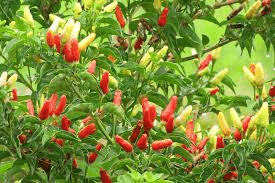
辣椒有很多不同的品种,每种辣椒在辣度、大小、颜色等方面都是独一无二的。但在本文中,我们将探讨辣椒的健康益处,以及在你的饮食中添加辣椒会获得什么好处等等。
然而,在世界各地,辣椒已经成为每个人生活中不可或缺的一部分,因为没有辣椒的烹饪会让你的食物味道奇怪。
现在,你应该知道,辣椒的潜在健康益处,或者说一个人从在饮食中添加辣椒所能获得的好处,来自于其中包含的一种叫做“辣椒素”的化学物质。
回顾辣椒的历史,它因辣椒素的存在而变得非常受欢迎。现在,为什么辣椒素很重要?这是因为它在辣椒中的存在使其能够抑制细菌的生长和形成达75%,通过在食物中使用它可以起到防腐剂的作用。
因此,在你的食物中添加用辣椒制成的香料或辣椒本身,不仅能使你的食物在你的香料中脱颖而出,而且还能持续保护你的食物免受细菌侵害。由于辣椒素的存在,它还可以保护我们免受食物中毒的侵害。
另请阅读:鳄鱼辣椒(Aframomum melegueta)——事实、健康益处和用途
辣椒(辣椒属)的营养价值
1. 维生素C:辣椒,尤其是红色和黄色品种,维生素C含量非常高,可以支持免疫功能、皮肤健康和伤口愈合。一个中等大小的红甜椒可以提供每日建议摄入量的150%以上。
2. Vitamin A: Capsicum contains beta-carotene, which the body converts to vitamin A, essential for vision, immune health, and skin maintenance. Red peppers have higher levels due to their ripeness.
3. Fiber: Peppers provide dietary fiber, aiding digestion, promoting gut health, and helping regulate blood sugar levels. One cup of chopped bell peppers contains about 2-3 grams of fiber.
4. Vitamin E: Found in smaller amounts, vitamin E in peppers acts as an antioxidant, protecting cells from damage and supporting skin and heart health.
5. Vitamin K: This vitamin supports blood clotting and bone health. A medium pepper provides a modest amount, contributing to daily needs.
6. Vitamin B6: Peppers contain pyridoxine (B6), which supports brain health, mood regulation, and red blood cell production. A single pepper offers about 10% of the daily requirement.
7. Folate: Essential for DNA synthesis and cell division, folate in peppers supports overall growth and is particularly important during pregnancy.
8. Potassium: Peppers provide potassium, which helps regulate blood pressure, supports muscle function, and maintains fluid balance in the body.
9. Capsaicin: Found primarily in hot peppers, capsaicin has anti-inflammatory properties and may boost metabolism, aiding in weight management.
10. Antioxidants: Peppers are rich in antioxidants like quercetin and lutein, which combat free radicals, reducing the risk of chronic diseases like cancer and heart disease.
Health Benefits of Pepper (Capsicum)
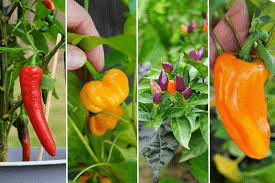
1. Boosts Immune Function: Peppers, particularly red and yellow varieties, are loaded with vitamin C, an antioxidant that enhances white blood cell production and helps fight off infections, potentially reducing the duration of colds and supporting overall immunity.
Add sliced bell peppers to salads or smoothies to increase vitamin C intake, strengthening your immune system against everyday illnesses.
2. Supports Eye Health: The beta-carotene and lutein in peppers convert to vitamin A, protecting the retina from damage and reducing the risk of age-related macular degeneration, while also preventing night blindness.
Incorporate red or yellow peppers into stir-fries or roasted dishes to support long-term vision health with vitamin A and lutein.
3. Aids Digestion: Dietary fiber in peppers promotes regular bowel movements, prevents constipation, and supports a healthy gut microbiome by feeding beneficial bacteria, which can alleviate issues like bloating and improve nutrient absorption.
Use peppers in high-fiber meals like stuffed peppers or vegetable soups to promote smooth digestion and gut health.
4. Reduces Inflammation: Antioxidants such as quercetin and capsaicin in peppers have potent anti-inflammatory effects, which may help manage conditions like arthritis by lowering inflammatory markers in the body.
Add chili peppers to spicy dishes or sauces to reduce inflammation and support joint health over time.
5. 促进心脏健康:辣椒中的钾和纤维有助于调节血压和胆固醇水平,而辣椒素可能改善血液循环并降低心血管事件(如心脏病发作)的风险。
在烤蔬菜什锦或沙拉等有益心脏健康的食谱中加入辣椒,以维持健康的血管和心脏功能。
6. 辅助体重管理:辣椒中的辣椒素增加生热作用和脂肪氧化,促进新陈代谢并产生饱腹感,从而减少卡路里摄入并支持可持续的体重减轻。
在莎莎酱或咖喱中加入辣椒,以增强新陈代谢并支持体重控制。
7. 调节血糖:辣椒中的化合物,包括辣椒素,增强胰岛素敏感性并减缓葡萄糖吸收,可能降低血糖水平,使糖尿病或糖尿病前期患者受益。
将辣椒纳入均衡膳食中,如炒菜或谷物碗,以帮助稳定血糖水平。
8. 提供止痛效果:辣椒素通过耗尽P物质(一种参与疼痛信号传递的神经递质)发挥天然镇痛剂的作用,外用或食用时可缓解头痛、关节炎和神经性疼痛。
在辛辣菜肴中适量使用辣椒,以利用辣椒素的止痛特性,实现天然的疼痛缓解。
9. 增强皮肤健康:维生素C和E以及抗氧化剂可保护皮肤免受紫外线损伤和自由基的侵害,促进胶原蛋白生成,从而减少皱纹并提高弹性,使外观更显年轻。
Add bell peppers to fresh salads or smoothies to nourish skin with vitamins and antioxidants for a radiant complexion.
10. Offers Anticancer Potential: Bioactive compounds like carotenoids and capsaicin induce apoptosis in cancer cells and inhibit tumor growth, particularly for prostate and other cancers, while reducing oxidative stress that leads to DNA damage.
Include chili peppers in marinades or roasted dishes to incorporate their potential cancer-fighting compounds into your diet.
Read Also: Everything You Need To Know About Farming Markets
Scientific Evidence and Case Studies on Pepper (Capsicum)
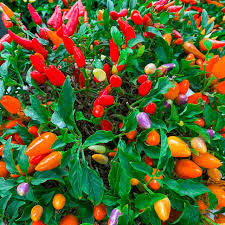
1. Wahyuni et al. (2013): A study explored the antioxidant activity of various Capsicum species, finding that peppers, particularly red and chili varieties, have high levels of phenolic compounds and flavonoids, which reduce oxidative stress and may lower the risk of cardiovascular diseases (Wahyuni, Y., Ballester, A. R., Sudarmonowati, E., Bino, R. J., & Bovy, A. G. (2013). Secondary metabolites of Capsicum species and their importance in the human diet. Journal of Natural Products, 76(4), 783-793).
2. Howard et al. (2000): Research demonstrated that bell peppers are a significant source of vitamin C and carotenoids, with red peppers showing higher antioxidant capacity than green ones, supporting their role in reducing inflammation and protecting against chronic diseases (Howard, L. R., Talcott, S. T., Brenes, C. H., & Villalon, B. (2000). Changes in phytochemical and antioxidant activity of selected pepper cultivars (Capsicum species) as influenced by maturity. Journal of Agricultural and Food Chemistry, 48(5), 1713-1720).
3. Ogunruku et al. (2013): This study investigated capsaicin’s effects on metabolism, finding that it increases thermogenesis and fat oxidation, potentially aiding in weight loss and metabolic health (Ogunruku, O. O., Oboh, G., & Ademosun, A. O. (2013). Capsaicin from Capsicum species as a potential therapeutic agent in obesity management. Food Chemistry, 141(2), 695-703).
4. Sun et al. (2007): Researchers found that capsaicin in chili peppers exhibits anti-cancer properties by inducing apoptosis in cancer cells, particularly in prostate cancer models, suggesting potential therapeutic uses (Sun, T., Xu, Z., Wu, C. T., Janes, M., Prinyawiwatkul, W., & No, H. K. (2007). Antioxidant and antiproliferative activities of Capsicum annuum. Journal of Food Science, 72(9), S798-S806).
5. Materska & Perucka (2005): A study confirmed that Capsicum varieties are rich in flavonoids, which provide anti-inflammatory and cardiovascular benefits, supporting their use in preventing heart disease (Materska, M., & Perucka, I. (2005). Antioxidant activity of the main phenolic compounds isolated from hot pepper fruit (Capsicum annuum L.). Journal of Agricultural and Food Chemistry, 53(5), 1750-1756).
Frequently Asked Questions About Pepper (Capsicum)
1. Are bell peppers and chili peppers the same?
Bell peppers and chili peppers both belong to the Capsicum genus but differ in flavor and heat. Bell peppers are mild, while chili peppers contain capsaicin, which gives them their spicy kick.
2. Can eating peppers help with weight loss?
Yes, hot peppers containing capsaicin may boost metabolism and increase fat burning, as shown in some studies, but they should be part of a balanced diet and exercise plan.
3. Are peppers safe for everyone to eat?
Most people can safely eat peppers, but those with acid reflux or sensitivities to spicy foods may need to avoid hot varieties. Consult a doctor if unsure.
4. Which pepper color is the healthiest?
Red peppers are often considered the healthiest due to higher levels of antioxidants like beta-carotene and vitamin C, as they are fully ripened.
5. Can peppers improve heart health?
Yes, peppers’ antioxidants, potassium, and fiber content can support heart health by reducing inflammation and regulating blood pressure.
6. 烹饪会使辣椒失去营养吗?
烹饪可能会减少一些营养物质,如维生素C,但它可以增强其他营养物质的生物利用度,如β-胡萝卜素,使煮熟的辣椒仍然富有营养。
7. 吃太多辣椒有什么风险吗?
过量食用辛辣辣椒可能会引起消化不适或刺激。适量是关键,特别是对于那些不习惯辛辣食物的人。
8. 辣椒能增强免疫系统吗?
是的,辣椒中高含量的维生素C支持免疫功能,帮助身体抵抗感染并维持整体健康。
您有任何问题、建议或意见吗?如果有,请随时使用下面的评论框分享您的想法。我们也鼓励您善意地与可能从中受益的其他人分享此信息。由于我们无法立即联系到每个人,我们非常感谢您在传播信息方面的帮助。非常感谢您的支持和分享!
免责声明:本文仅供教育和信息参考之用。所描述的健康益处基于科学研究和传统知识。它们不能替代专业的医疗建议、诊断或治疗。在使用任何草药或自然疗法进行医疗用途之前,请务必咨询医疗保健专业人员。