


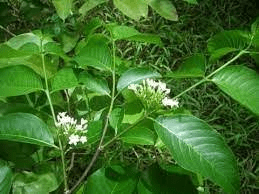
Holarrhena floribunda, commonly known as Holarrhena or Mamyrua, is a versatile plant that exhibits distinctive botanical features. This description offers insights into its appearance, habitat, and growth characteristics.
Holarrhena floribunda is a deciduous tree that typically reaches heights of 4 to 15 meters (13 to 49 feet). Its growth habit can vary from shrub-like to small tree, depending on environmental conditions. The plant has a straight trunk with a smooth, grayish bark that becomes slightly fissured with age. Young branches are covered with fine hairs that diminish as the branches mature.
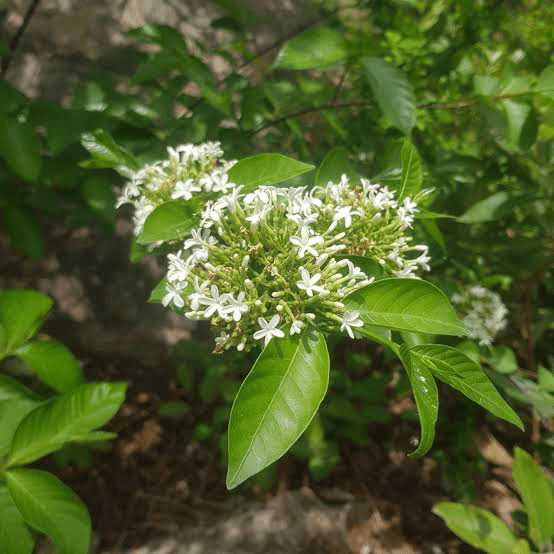
The leaves of Holarrhena floribunda are arranged oppositely on the branches. They are simple and elliptical in shape, measuring about 6 to 20 centimeters (2.4 to 7.9 inches) in length. The leaves have a glossy, dark green color and a smooth texture on the upper surface, while the lower surface is paler in color. Leaf venation is prominent, with curving lateral veins branching out from the midrib.
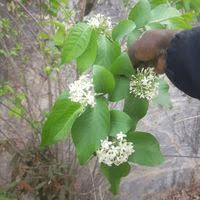
Holarrhena floribunda produces clusters of small, fragrant flowers. These inflorescences are usually found at the tips of branches. Each flower has five white to pale yellow petals, forming a funnel-like shape. The flowers have a pleasant fragrance and attract pollinators, including bees and butterflies.
The plant’s fruit is a pair of slender follicles that are green when young and turn brown as they mature. The follicles can reach lengths of about 15 to 30 centimeters (5.9 to 11.8 inches). They contain numerous seeds with a papery wing that aids in wind dispersal.
Holarrhena floribunda is native to various regions in tropical and subtropical Africa. It is commonly found in open woodlands, savannas, and grasslands. The plant thrives in well-drained soils and can tolerate a range of soil types. It is often encountered in areas with seasonal rainfall patterns.
The various parts of Holarrhena floribunda have been used in traditional medicine for their medicinal properties. The bark, leaves, and roots contain bioactive compounds that contribute to its antimalarial, digestive, and other health benefits.
Read Also: 20 Medicinal Health Benefits of Helichrysum Petiolare (Licorice Plant)
The Medicinal Health Benefits of Holarrhena floribunda (Holarrhena)
1. Antimalarial Effects: One of the most well-known benefits of Holarrhena floribunda is its potent antimalarial activity. Compounds such as conessine found in the plant’s bark and roots exhibit remarkable efficacy against the malaria parasite. These natural compounds interfere with the lifecycle of the parasite, making Holarrhena floribunda a valuable resource in malaria-endemic regions.
2. Digestive Aid: The plant’s bitter principles stimulate digestive secretions, promoting healthy digestion. Consuming preparations made from Holarrhena floribunda can alleviate indigestion, bloating, and other gastrointestinal discomforts, helping to maintain a balanced digestive system.
3. Diabetes Management: Certain compounds within Holarrhena floribunda show potential in regulating blood sugar levels. The plant may enhance insulin sensitivity and contribute to better glycemic control, offering support for individuals dealing with diabetes.
4. Anti-Inflammatory Properties: Holarrhena floribunda possesses anti-inflammatory effects attributed to its bioactive components. It can be employed to manage conditions characterized by inflammation, such as arthritis and inflammatory bowel diseases, helping to mitigate discomfort and pain.
5. Antibacterial and Antifungal Activity: The plant’s extracts exhibit antibacterial and antifungal properties, making them effective against various microbial infections. Holarrhena floribunda can aid in treating skin infections and other ailments caused by bacteria and fungi.
6. Fever Reduction: Traditional healers have utilized Holarrhena floribunda to manage fevers. Its antipyretic properties can help lower body temperature during fever episodes, contributing to overall comfort and well-being.
7. Gastrointestinal Parasite Control: The plant’s anthelmintic properties are valuable in expelling intestinal parasites and worms. Holarrhena floribunda can help maintain a healthy gastrointestinal system by addressing parasitic infestations.
8. Wound Healing: The application of Holarrhena floribunda extracts or poultices to wounds can expedite the healing process. Its antimicrobial and tissue-regenerating properties aid in wound closure and tissue repair.
9. Respiratory Relief: Holarrhena floribunda has been used to alleviate respiratory symptoms like coughs and bronchitis. Its expectorant and bronchodilator properties facilitate easier breathing and help manage respiratory discomfort.
10. Liver Support: The plant’s hepatoprotective properties contribute to liver health maintenance. Holarrhena floribunda may assist the liver in detoxification processes, promoting optimal liver function.
Read Also: 6 Medicinal Health Benefits of Camphor Tree (Cinnamomum Camphora)
The Methods of Usage to Achieve the Provided Health Benefits of Holarrhena floribunda (Holarrhena)
1. Infusions and Teas: One of the simplest ways to benefit from Holarrhena floribunda is by preparing infusions or teas. Boil water and pour it over dried or fresh leaves. Let it steep for about 10-15 minutes, then strain and drink. This method is effective for digestive support, fever reduction, and general wellness.
2. Decoctions: For a more concentrated preparation, consider making a decoction. Simmer the plant’s bark or leaves in water for a longer period to extract its active compounds. Strain the liquid and consume it. Decoctions are particularly useful for addressing conditions like malaria and digestive issues.
3. Topical Applications: Crushed leaves or bark can be applied topically as poultices to wounds, sores, and skin infections. Their antimicrobial properties aid in wound healing and preventing infections.
4. Tinctures: Tinctures involve extracting the plant’s medicinal components using alcohol or glycerin. Tinctures offer a longer shelf life and concentrated effects. They can be taken orally by adding a few drops to water or another beverage.
5. Powdered Form: Dried leaves or bark can be ground into a fine powder. This powder can be encapsulated for convenient consumption. It’s essential to follow dosing guidelines to avoid excessive intake.
7. Oil Infusions: Holarrhena floribunda extracts can be infused in carrier oils like coconut or olive oil. These infused oils can be used for massaging, addressing skin conditions, or making ointments.
8. Incorporate in Food: In some cultures, Holarrhena floribunda is added to traditional dishes for its medicinal properties. However, using it this way requires knowledge of proper dosage and preparation methods.
9. Herbal Combinations: Combining Holarrhena floribunda with other complementary herbs can enhance its effects. Consult with herbalists or healthcare professionals to create safe and effective herbal blends.
The Side Effects of Using Holarrhena floribunda Medicinal Plant
1. Digestive Discomfort: Excessive consumption of Holarrhena floribunda, particularly in high doses, may lead to digestive discomfort such as nausea, vomiting, and stomach cramps. It’s important to adhere to recommended dosages and consult a healthcare professional before use.
2. Allergic Reactions: Some individuals may be sensitive or allergic to compounds present in Holarrhena floribunda. If you experience symptoms like skin rash, itching, or difficulty breathing after using the plant, discontinue use and seek medical attention.
3. Drug Interactions: Holarrhena floribunda may interact with certain medications. If you are taking prescription drugs, especially antidiabetic medications or antimalarials, consult your healthcare provider before using this plant to avoid potential interactions.
4. Pregnancy and Breastfeeding: Pregnant and breastfeeding individuals should avoid using Holarrhena floribunda. Limited safety data is available in these contexts, and it’s better to err on the side of caution to ensure the well-being of both the mother and the baby.
5. Children: The safety of Holarrhena floribunda in children has not been thoroughly studied. It’s advisable to avoid using it in children unless under the guidance of a qualified healthcare professional.
6. Dosage Concerns: Like any herbal remedy, the appropriate dosage of Holarrhena floribunda is critical. Using excessively large amounts can increase the risk of adverse effects. Always follow recommended dosages and consult an expert for guidance.
7. Quality and Source: To minimize the risk of side effects, ensure that you obtain Holarrhena floribunda from reputable sources. Contaminants or improper processing could potentially lead to adverse reactions.
8. Long-Term Use: Prolonged and continuous use of Holarrhena floribunda may have unintended consequences. It’s advisable to take breaks from usage and monitor your body’s response over time.
Nutritional Value of Holarrhena floribunda (Holarrhena)
1. Alkaloids: Holarrhena floribunda is rich in steroidal alkaloids like conessine, holonamine, and holadienine, which exhibit antimicrobial and anti-inflammatory properties, supporting its use in traditional medicine.
2. Flavonoids: The plant contains flavonoids such as quercetin-3-O-glucoside and kaempferol-3-O-glucoside, which provide antioxidant effects, helping to combat oxidative stress and inflammation.
3. Phenolic Compounds: Found in the leaves and bark, phenolic compounds contribute to antioxidant activity, potentially reducing the risk of chronic diseases by neutralizing free radicals.
4. Saponins: These compounds in the leaves and bark may support immune function and have antimicrobial properties, aiding in the treatment of infections.
5. Tannins: Present in the bark, tannins offer astringent and antioxidant benefits, which may promote wound healing and digestive health.
6. Diterpenoids: Compounds like 6-β-hydroxyrosenonolactone in the bark show moderate antiprotozoal activity, supporting traditional uses for parasitic infections like malaria.
7. Carbohydrates: The seeds contain carbohydrates, providing a minor energy source, though they are not a primary nutritional component due to limited edibility.
8. Glycosides: Phenolic and flavonoid glycosides enhance the plant’s antioxidant profile, potentially aiding in inflammation reduction and cellular protection.
9. Triterpenoids: These compounds, found in the bark, may contribute to anti-inflammatory and cytotoxic effects, supporting potential anticancer applications.
10. Minerals (Potassium): Trace amounts of potassium in the leaves and bark support fluid balance and cardiovascular health, though not in significant dietary quantities.
Scientific Evidence and Case Studies on Holarrhena floribunda
1. Yoa et al. (2017): This study evaluated the ethanolic leaf extract of Holarrhena floribunda, finding antimicrobial activity against Staphylococcus aureus, Salmonella typhi, and Klebsiella pneumoniae (MICs 0.62–1.25 mg/mL) and antimalarial activity, supporting its traditional use for infections and malaria (Yemoa, A., Gbenou, J. D., et al., 2017).
2. Kpegba et al. (2018): Researchers isolated flavonoids from Holarrhena floribunda trunk bark, showing significant antioxidant activity (IC50 29.80 μg/mL via DPPH assay) and antihypertensive effects in guinea pigs, reducing mean arterial pressure dose-dependently, validating its use for hypertension (Kpegba, K., Kondo, E. T., et al., 2018).
3. Fotie et al. (2006): This study isolated lupeol long-chain fatty acid esters from Holarrhena floribunda stem bark, demonstrating antimalarial activity against drug-resistant Plasmodium falciparum (IC50 1.02–18.53 μg/mL), supporting its traditional use for malaria treatment (Fotie, J., Bohle, D. S., et al., 2006).
4. Badmus et al. (2013): Badmus et al. found that leaf fractions of Holarrhena floribunda exhibited antioxidant, antimutagenic, and lipid peroxidation inhibitory activities, suggesting potential in preventing oxidative stress-related diseases (Badmus, J. A., Odunola, O. A., et al., 2013).
5. Agoreyo et al. (2022): This study isolated steroidal alkaloids (holonamine, holadienine, conessine) from Holarrhena floribunda stem bark, showing biofilm inhibitory activity against bacterial strains, indicating potential for combating antibiotic-resistant infections (Agoreyo, B. O., et al., 2022).
6. Stephen et al. (2022): Research demonstrated that Holarrhena floribunda hydro-ethanolic stem bark extract reduced arthritis symptoms in rats by up to 81.26% (prophylactic) and 67.92% (therapeutic), attributed to its phenolic compounds, alkaloids, and saponins, supporting its anti-inflammatory use (Obbo, C. J. D., et al., 2022).
Frequently Asked Questions About Holarrhena floribunda
1. What is Holarrhena floribunda used for?
It’s used in traditional medicine to treat malaria, dysentery, diarrhea, hypertension, and infections, primarily using bark and leaf extracts.
2. Is Holarrhena floribunda safe for consumption?
While traditionally used, its alkaloids may be toxic in high doses; consult a healthcare provider before use, especially for internal applications.
3. How does Holarrhena floribunda help with malaria?
Its bark contains compounds like lupeol esters and diterpenoids that show antimalarial activity against Plasmodium falciparum, as supported by research.
4. Can Holarrhena floribunda treat infections?
Yes, its leaf and bark extracts exhibit antimicrobial activity against bacteria like Staphylococcus aureus and fungi, supporting its use for infections.
5. What are the main active compounds in Holarrhena floribunda?
Key compounds include steroidal alkaloids (conessine, holonamine), flavonoids, phenolic compounds, and saponins, contributing to its medicinal effects.
6. Where is Holarrhena floribunda found?
It’s native to West and Central Africa, thriving in tropical and subtropical climates, often in forests and savannas.
7. How is Holarrhena floribunda prepared for medicinal use?
Bark and leaves are typically processed into hydro-ethanolic or aqueous extracts, decoctions, or powders for treating various ailments.
8. Can Holarrhena floribunda help with hypertension?
Studies show its bark extract reduces blood pressure in animal models, supporting its traditional use for managing high blood pressure.
Do you have any questions, suggestions, or contributions? If so, please feel free to use the comment box below to share your thoughts. We also encourage you to kindly share this information with others who might benefit from it. Since we can’t reach everyone at once, we truly appreciate your help in spreading the word. Thank you very much for your support and for sharing!
Disclaimer: This article is for educational and informational purposes only. The health benefits described are based on scientific research and traditional knowledge. They are not a substitute for professional medical advice, diagnosis, or treatment. Always consult a healthcare professional before using any herb or natural remedy for medical purposes.