


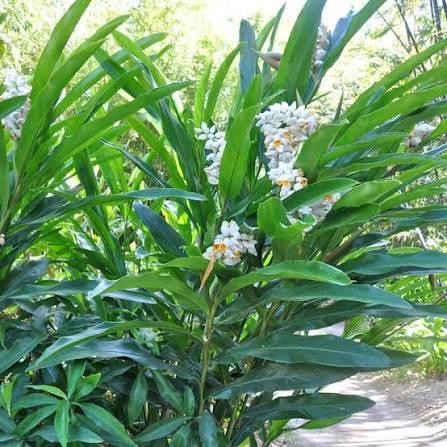
马来姜,学名红豆蔻(Alpinia malaccensis),是一种具有悠久药用历史的非凡植物。本文讨论了与该植物相关的众多健康益处,阐明了其多种治疗应用。
红豆蔻,俗称马来姜,是一种属于姜科的热带草本植物。它原产于东南亚,并以其多功能的药用特性而闻名。本文深入探讨了马来姜在传统医学中的历史用途及其在当代健康实践中的相关性。
马来姜作为药用植物的历史与传统治疗体系息息相关。几个世纪以来,它一直是东南亚传统医学不可或缺的一部分,尤其是在马来西亚、印度尼西亚和泰国等国家。以下是马来姜的一些主要历史用途:
马来姜已被用于各种传统疗法中,以治疗消化问题,如消化不良和腹胀。它已被用于缓解疼痛,包括头痛和肌肉不适。由于其祛痰特性,马来姜在治疗咳嗽和感冒等呼吸道疾病方面有着悠久的历史。
Traditional healers utilized Malay Ginger to reduce inflammation, making it valuable for conditions like arthritis. In some cultures, Malay Ginger was considered an aphrodisiac and used to enhance libido. It was used as a digestive tonic to improve appetite and aid in digestion. Women have traditionally used Malay Ginger to alleviate menstrual cramps.
The Botanical Description of Alpinia malaccensis
Understanding the botanical characteristics of Alpinia malaccensis is essential to appreciate its medicinal value fully. Here are eight key aspects of its botanical description:
1. Plant Height: Malay Ginger is a tall perennial plant that can reach heights of up to 3 meters (approximately 10 feet).
2. Leaves: The leaves of Malay Ginger are lance-shaped and can grow up to 45 centimeters (18 inches) in length. They have a glossy green appearance.
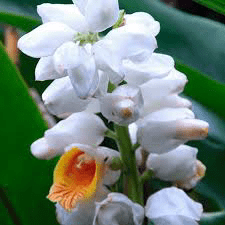
3. Flowers: The plant produces clusters of showy, fragrant flowers. These flowers have a tubular shape with white or pale yellow petals and are known for their aesthetic appeal.
4. Rhizomes: Malay Ginger’s underground rhizomes are the most prized part of the plant for medicinal and culinary purposes. They are knobby and reddish-brown in color.
5. Growth Habitat: Malay Ginger thrives in tropical climates and is commonly found in rainforests and tropical gardens.
6. Leaf Arrangement: The leaves are arranged alternately along the stems.
7. Growth Form: Malay Ginger has a clumping growth habit, with multiple stems emerging from the base.
8. Aromatic Qualities: The plant emits a pleasant, spicy fragrance when the leaves and rhizomes are crushed.
The Geographic Distribution of Alpinia malaccensis
The geographic distribution of Alpinia malaccensis, commonly known as Malay Ginger, provides valuable insights into where this medicinal plant can be found and cultivated. Here, we explore the regions where Malay Ginger thrives:
1. Southeast Asia: Malay Ginger is native to Southeast Asia, with its primary distribution covering countries such as Malaysia, Indonesia, Thailand, and the Philippines. It is a staple plant in the tropical rainforests of these regions.
2. Malaysia: This plant is particularly abundant in Malaysia, where it is a prominent part of traditional herbal medicine.
3. Indonesia: Malay Ginger can be found in various parts of Indonesia, including Sumatra and Java.
4. Thailand: It is also prevalent in Thailand, where it is utilized for its culinary and medicinal properties.
5. Philippines: In the Philippines, Malay Ginger is found in both wild and cultivated forms, and it plays a significant role in local traditional medicine.
6. Cultivation Beyond Native Regions: Due to its popularity and versatility, Malay Ginger is cultivated in other tropical regions worldwide, including parts of Africa, India, and South America.
The Chemical Composition of Alpinia malaccensis
The chemical composition of Alpinia malaccensis (Malay Ginger) contributes to its medicinal and culinary value. Here are seven key components found in Malay Ginger:
1. Essential Oils: Malay Ginger contains essential oils, including terpenes like camphene, sabinene, and pinene, which contribute to its aromatic properties.
2. Alpinia Galangin: This compound is specific to Malay Ginger and contributes to its distinct flavor and potential health benefits.
3. Flavonoids: Malay Ginger is rich in flavonoids, which have antioxidant properties that protect cells from oxidative stress.
4. Phenolic Compounds: Phenolic compounds in Malay Ginger are known for their potential anti-inflammatory and antioxidant effects.
5. Alkaloids: Some alkaloids are present in Malay Ginger, although they are not as abundant as in other plants.
6. Dietary Fiber: Malay Ginger contains dietary fiber, which can aid in digestive health.
7. Vitamins and Minerals: While not present in large quantities, Malay Ginger contains vitamins and minerals like vitamin C and potassium, contributing to its nutritional profile.
The Cultivation and Growth of Alpinia malaccensis
The successful cultivation and growth of Alpinia malaccensis (Malay Ginger) require specific conditions and practices. Here are five essential aspects of its cultivation and growth:
1. Climate: Malay Ginger thrives in tropical climates with high humidity and consistent rainfall. It is sensitive to frost and cannot withstand cold temperatures.
2. Soil: Well-draining, loamy soil with organic matter is ideal for Malay Ginger. The soil should have good water retention capabilities.
3. Sunlight: Malay Ginger prefers partial shade or dappled sunlight. It can grow under the canopy of taller trees in its natural habitat.
4. Propagation: Malay Ginger can be propagated from rhizome divisions. Rhizomes are typically planted in prepared beds or containers.
5. Maintenance: Regular watering and mulching help maintain soil moisture. Fertilization with organic matter can enhance growth.
Successful cultivation of Malay Ginger can yield a sustainable supply of this valuable plant for medicinal and culinary purposes.
The Harvesting and Processing of Alpinia malaccensis
The harvesting and processing of Alpinia malaccensis (Malay Ginger) are crucial steps in preparing it for various uses. Here are eight steps involved in the harvesting and processing of Malay Ginger
1. Harvesting: Malay Ginger is typically harvested when the rhizomes are mature, usually after 9-12 months of growth.
2. Cleaning: After harvesting, the rhizomes are cleaned to remove dirt and debris.
3. Drying: The cleaned rhizomes are dried to reduce moisture content. This can be done naturally or using drying equipment.
4. 切片: 干燥后,将根茎切成薄片,用于各种用途。
5. 研磨成粉: 一些马来姜被研磨成细粉,方便用于草药制剂和烹饪应用。
6. 提取精油: 可以从马来姜中提取精油,用于芳香疗法和作为调味剂。
7. 包装: 加工后的马来姜被包装起来进行分销,并附有适当的标签,以表明其预期用途。
8. 储存: 适当的储存条件,包括防止潮湿和害虫,对于保持马来姜产品的质量至关重要。
另请阅读:迷迭香的健康益处
Alpinia malaccensis(马来姜)的药用健康益处
Alpinia malaccensis,被称为马来姜,具有悠久的传统药用历史。它的各种健康益处使其成为传统治疗实践中的一种有价值的植物。以下是与马来姜相关的 15 种药用健康益处:
1. 抗炎特性: 马来姜具有抗炎作用,可以帮助缓解关节炎和关节疼痛等炎症性疾病。
2. 助消化: 它通过促进消化酶的分泌、减少消化不良和缓解胃部不适来帮助消化。
3. 缓解恶心: 马来姜以其减轻恶心和呕吐的能力而闻名,使其可用于缓解晕动病和妊娠期间的孕吐。
4. 呼吸系统健康: 由于其祛痰特性,它已被用于缓解咳嗽、感冒和支气管炎等呼吸系统疾病。
5. 疼痛管理: 马来姜可以帮助管理各种类型的疼痛,包括头痛、肌肉疼痛和经痛。
6. 抗氧化作用: 它的抗氧化化合物可以保护细胞免受氧化损伤,并可能降低患慢性疾病的风险。
7. 抗菌活性: 马来姜具有抗菌特性,有助于对抗细菌感染。
8. 抗癌潜力: 一些研究表明,马来姜中的化合物可能具有抗癌特性。
9. 免疫系统支持: 它可以增强免疫系统的功能,有助于整体健康。
10. 壮阳药: 在传统医学中,马来姜被认为是壮阳药,用于提高性欲。
11. 心血管健康: 它可能有助于降低血压,并降低患心脏相关疾病的风险。
12. 抗糖尿病作用: 马来姜可能通过调节血糖水平在糖尿病管理中发挥作用。
13. 体重管理: 它可以改善新陈代谢并促进饱腹感,从而帮助进行体重管理。
14. 皮肤健康: 马来西亚姜的抗氧化特性可以通过对抗衰老迹象和防止紫外线伤害,从而促进更健康的皮肤。
15. 抗焦虑和减轻压力: 它具有镇静作用,可能有助于降低焦虑和压力水平。
实现马来西亚姜的健康益处的使用方法
为了利用马来西亚姜的健康益处,采用了各种使用方法。以下是实现这些健康益处的六种常见方法:
1. 草药茶: 马来西亚姜可以通过将切片或粉末状的根茎浸泡在热水中来制成草药茶。 这是一个解决消化问题和恶心的有效方法。
2. 烹饪用途: 马来西亚姜在烹饪中用作香料,为菜肴增添风味和香气。 它是许多东南亚美食中的主食。
3. 酊剂和提取物: 马来西亚姜的提取物和酊剂可用于药物用途,并且可以控制剂量食用。
4. 精油: 马来西亚姜的精油用于芳香疗法,可以稀释后用于按摩或添加到洗澡水中以放松身心。
5. 胶囊和补充剂: 马来西亚姜以补充剂形式提供,通常针对特定化合物或健康益处进行标准化。
6. 外部应用: 在某些情况下,马来西亚姜的敷剂或局部应用用于缓解疼痛和炎症。
使用红豆蔻药用植物的副作用
虽然马来姜提供了许多健康益处,但了解潜在的副作用和注意事项至关重要:
1. 过敏反应: 某些人可能对马来姜过敏,导致皮疹或消化不适。
2. 胃肠道问题: 过量食用会导致胃肠道问题,包括腹泻和胃部不适。
3. 与药物的相互作用: 马来姜可能与某些药物相互作用,例如血液稀释剂。如果您正在服用药物,请咨询医疗保健专业人员。
4. 怀孕和哺乳期: 孕妇和哺乳期妇女应谨慎使用马来姜,并在医疗监督下使用。
5. 过量食用: 过度使用马来姜会导致发热感和体温升高。
6. 皮肤敏感: 在某些人中,局部使用马来姜会导致皮肤刺激。
7. 不适用于婴儿: 不建议在婴儿和非常年幼的儿童中使用。
8. 糖尿病: 糖尿病患者在食用马来姜时应监测血糖水平,因为它可能会影响葡萄糖代谢。
另请阅读:15 Allaeanthus kurzii (Kurz’s Creeper) 的药用健康益处
红豆蔻的科学研究
关于红豆蔻(马来西亚姜)的科学研究已经为其药用特性提供了宝贵的见解。以下是与马来西亚姜相关的八个科学研究领域:
1. 抗炎活性: 研究表明,红豆蔻具有抗炎作用,使其成为治疗炎症性疾病的潜在天然药物。
2. 抗氧化作用: 研究已经探索了红豆蔻的抗氧化特性及其在减少氧化应激方面的作用。
3. 止吐作用: 已经研究了红豆蔻在减轻恶心和呕吐方面的功效,尤其是在怀孕和晕动病期间。
4. 潜在的抗糖尿病作用: 一些研究表明,红豆蔻可能有助于调节糖尿病患者的血糖水平。
5. 胃保护特性: 研究调查了红豆蔻保护胃肠道内膜和减少消化不良的能力。
6. 疼痛管理: 研究已经探索了其在疼痛管理方面的有效性,特别是在骨关节炎等疾病中。
7. 抗菌活性: 已经检查了红豆蔻的抗菌特性,以了解其在对抗细菌感染方面的潜力。
8. 植物化学分析:科学研究已经确定了导致马来姜药用特性的特定化合物。
使用马来西亚姜黄(Alpinia malaccensis)药用植物的安全预防措施和建议
虽然马来西亚姜黄(Alpinia malaccensis)具有多种健康益处,但在使用这种药用植物时,务必遵守安全预防措施和建议。以下是确保安全使用的七项预防措施和建议:
1. 过敏测试:在 regular consumption 前,先进行过敏测试,将少量马来西亚姜黄提取物涂抹在皮肤上,检查是否有不良反应。
2. 剂量指南:遵循产品标签或医疗保健专业人员提供的推荐剂量指南,以避免过量食用。
3. 咨询医疗保健提供者:如果您有潜在的健康问题或正在服药,请在使用马来西亚姜黄补充剂或提取物之前咨询医疗保健提供者。
4. 怀孕和哺乳期:孕妇和哺乳期妇女应谨慎使用马来西亚姜黄,且仅在医疗监督下使用。
5. 儿童:由于马来西亚姜黄的效力,不建议婴儿和非常年幼的儿童使用。
6. 皮肤敏感性:局部使用马来西亚姜黄时要小心,因为它可能会导致敏感人群出现皮肤刺激。
7. 监测血糖水平:患有糖尿病的个体在使用马来西亚姜黄时应监测他们的血糖水平,因为它可能会影响葡萄糖代谢。
使用红豆蔻药用植物的法律地位和法规
了解有关使用红豆蔻(马来姜)的法律地位和法规对于遵守当地法律法规至关重要。以下是与马来姜的法律地位和法规相关的六点:
1. 传统用途: 红豆蔻在许多国家/地区都有悠久的传统使用历史,通常允许出于个人或传统药用目的进行种植和使用。
2. 草药: 在传统草药受到监管的地区,红豆蔻可能被归类为传统草药疗法,并受特定指南的约束。
3. 膳食补充剂: 红豆蔻补充剂和提取物可能属于膳食补充剂法规的范围,这些法规因国家/地区而异。
4. 进出口: 如果您计划进出口红豆蔻或其产品,则可能需要遵守国际贸易法规并获得必要的许可证。
5. 专利和知识产权: 红豆蔻的某些配方和应用可能已获得专利,将其用于商业目的可能需要许可协议。
6. 质量标准: 含有红豆蔻的产品可能需要符合质量和安全标准,尤其是当它们作为膳食补充剂或草药疗法销售时。
关于红豆蔻药用植物的常见问题解答
以下是关于马来姜(Alpinia malaccensis)的 17 个常见问题 (FAQ),旨在提供有关这种药用植物的全面信息:
1. 什么是马来姜?
马来姜 (Alpinia malaccensis) 是一种热带植物,以其烹饪和药用价值而闻名。
2. 马来姜的健康益处有哪些?
马来姜具有多种健康益处,包括抗炎、助消化和抗氧化特性。
3. 马来姜在传统医学中如何使用?
马来姜在传统医学中用于治疗消化问题、恶心和炎症性疾病。
4. 孕妇可以使用马来姜吗?
孕妇应谨慎使用马来姜,并在医疗监督下使用,因为它可能对妊娠产生影响。
5. 马来姜会与药物相互作用吗?
马来姜可能会与某些药物相互作用,因此如果您正在服用药物,请咨询医疗保健提供者。
6. 儿童可以使用马来姜吗?
不建议婴儿和非常年幼的儿童使用马来姜。
7. 马来姜如何制备成草药?
马来姜可以制成草药茶或用于烹饪菜肴。
8. 使用马来姜时应采取哪些预防措施?
预防措施包括过敏测试、遵循剂量指南以及咨询医疗保健提供者。
9. 马来姜有什么副作用吗?
可能的副作用包括皮肤刺激和过量食用引起的肠胃不适。
10. 马来姜可以外用吗?
是的,它可以外用,但要小心,因为它可能会引起某些人的皮肤刺激。
11. 个人使用是否允许合法种植马来姜?
在许多地区,法律允许个人种植马来姜。
12. 马来姜补充剂有相关规定吗?
马来姜补充剂的规定可能因国家/地区而异,因此请查看当地法律。
13. 马来姜的特定用途是否已获得专利?
马来姜的某些配方和应用可能已获得专利,商业用途需要获得许可。
14. 马来姜可以出口或进口吗?
出口或进口马来姜可能需要遵守国际贸易法规和许可证。
15. 马来姜产品有质量标准吗?
含有马来姜的产品可能需要符合质量和安全标准,特别是如果作为膳食补充剂销售。
16. 马来姜对糖尿病患者安全吗?
糖尿病患者在使用马来姜时应监测血糖水平,因为它可能会影响葡萄糖代谢。
17. 如何确保马来姜产品的质量?
寻找来自信誉良好的来源和品牌的,符合质量和安全标准的产品。
您有任何问题、建议或贡献吗? 如果有,请随时使用下面的评论框分享您的想法。 我们也鼓励您友善地与可能从中受益的其他人分享此信息。 由于我们无法一次联系到所有人,因此我们非常感谢您在传播信息方面的帮助。 非常感谢您的支持和分享!
免责声明:本文仅用于教育和信息目的。 所描述的健康益处基于科学研究和传统知识。 它们不能替代专业的医疗建议、诊断或治疗。 在将任何草药或天然药物用于医疗目的之前,务必咨询医疗保健专业人士。
另请阅读: 如何储存新鲜水果、蔬菜和香草