


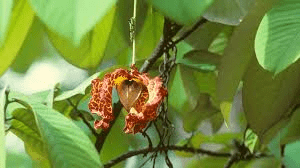
Monodora myristica, commonly known as African nutmeg or calabash nutmeg, is an evergreen tree that belongs to the Annonaceae family. Native to various regions of Africa, including West and Central Africa, this tree holds not only cultural significance but also a range of medicinal and culinary uses.
Monodora myristica typically grows to a height of about 10 to 15 meters, with a symmetrical and moderately dense crown. The bark of mature trees is often dark brown and deeply fissured, adding to its distinctive appearance.
The leaves of Monodora myristica are simple, alternate, and broadly elliptical. They can reach lengths of up to 20 centimeters and have a glossy, dark green color. The leaves are pinnately veined and emit a pleasant aroma when crushed, contributing to its aromatic nature.
The flowers of Monodora myristica are borne on short stalks arising directly from the trunk or main branches. They are large and showy, with a diameter of about 5 to 8 centimeters. The petals are typically creamy white, and the numerous stamens give the flowers a striking appearance.
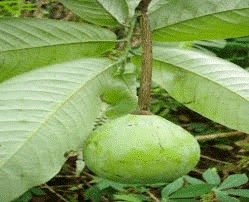
One of the most distinctive features of Monodora myristica is its fruit. The fruit is large and resembles a round or oval-shaped calabash, which is how it earned its common name “calabash nutmeg.” The fruit can measure around 10 to 15 centimeters in diameter. When mature, it splits open to reveal numerous seeds surrounded by a fleshy, aromatic pulp.
The seeds of Monodora myristica are the part of the plant with significant culinary and medicinal value. These seeds are often referred to as African nutmeg and are used as a spice and flavoring agent. The seeds have a unique shape, resembling small nutmegs, which has led to the plant’s common names.
Monodora myristica thrives in tropical and subtropical climates, favoring well-drained soils and areas with sufficient rainfall. It is commonly found in rainforests, woodlands, and savannas across its native regions.
Monodora myristica holds cultural importance in various African communities. Its seeds are used in rituals, ceremonies, and traditional practices. Additionally, the aromatic qualities of the plant make it a valuable resource for perfumes and aromatic compounds.
Due to habitat destruction and overexploitation, some populations of Monodora myristica are at risk. Sustainable harvesting and conservation efforts are crucial to ensure the survival of this valuable plant species.
Read Also: 18 Medicinal Health Benefits of Microloma (Microloma sagittatum)
The Medicinal Health Benefits of Monodora myristica (African nutmeg)

1. Digestive Aid: Monodora myristica possesses carminative properties that can help alleviate digestive discomfort, including bloating and gas. It aids in soothing the gastrointestinal tract and promoting smoother digestion.
2. Anti-inflammatory Power: The plant contains compounds with anti-inflammatory effects that can help reduce inflammation in various parts of the body, potentially offering relief from conditions like arthritis.
3. 呼吸道舒缓:肉豆蔻假单性花传统上被用于缓解咳嗽、感冒和支气管炎等呼吸道问题。其天然化合物有助于舒缓呼吸道,使呼吸更顺畅。
4. 催情特性:在某些文化中,肉豆蔻假单性花被认为具有催情特性。人们认为它可以增强性欲并提高性表现。
5. 镇痛效果:这种药用植物也因其镇痛特性而闻名,有助于减轻疼痛,无论是头痛、肌肉酸痛还是其他不适。
6. 抗菌作用:肉豆蔻假单性花含有具有抗菌特性的化合物,使其可用于对抗某些细菌和真菌感染。
7. 精神健康:一些传统习俗表明,肉豆蔻假单性花可能对精神健康产生积极影响。据信它具有情绪增强特性,可以帮助减轻焦虑和压力。
8. 血压调节:初步研究表明,肉豆蔻假单性花可能在调节血压方面发挥作用。但是,还需要更多的研究来充分了解其在这方面的作用。
9. 皮肤护理:该植物的精油和活性化合物有助于皮肤健康。它被用于某些护肤产品中,因为它具有促进皮肤清洁和容光焕发的潜力。
10. Diabetes Management: There’s some evidence to suggest that Monodora myristica could have a positive influence on blood sugar levels. It might offer support to individuals managing diabetes, but consulting a healthcare professional is crucial.
Read Also: 20 Medicinal Health Benefits of Helichrysum Petiolare (Licorice Plant)
The Methods of Usage to Achieve the Provided Health Benefits of Monodora myristica (African nutmeg)
1. Culinary Uses: One of the most common and flavorful ways to use Monodora myristica is in cooking. The seeds of the plant are grated, ground, or powdered and added to dishes to impart a distinct, aromatic flavor. African nutmeg is used to enhance the taste of stews, soups, sauces, and even baked goods. Its warm, nutty aroma can elevate the culinary experience.
2. Herbal Infusion: To enjoy Monodora myristica’s digestive and respiratory benefits, you can create an herbal infusion. Crush or grind the seeds and steep them in hot water to make a soothing tea. This infusion can help alleviate digestive discomfort and provide relief from respiratory issues like coughs and colds.
3. Topical Applications: Monodora myristica essential oil, extracted from the seeds, can be diluted with a carrier oil and applied topically. This can provide relief from localized pain, such as headaches or muscle aches. However, it’s important to perform a patch test and use essential oils with caution to avoid skin irritation.
4. Aromatic Potpourri: The aromatic seeds of Monodora myristica can be added to potpourri mixtures to release a pleasant fragrance in living spaces. The aroma is not only refreshing but might also contribute to a calming environment.
5. Traditional Remedies: In some traditional practices, Monodora myristica has been used to address various health issues. It has been used to alleviate digestive discomfort, respiratory problems, and even as an aphrodisiac. However, it’s important to note that traditional uses should be approached with caution and should ideally be guided by knowledgeable practitioners.
6. Herbal Baths: Adding Monodora myristica seeds or oil to a warm bath can create a relaxing and aromatic experience. The soothing aroma might contribute to stress relief and a sense of well-being.
7. Aromatherapy: The essential oil of Monodora myristica can be used in aromatherapy diffusers to fill the air with its calming scent. Aromatherapy using this oil might help create a serene atmosphere and promote relaxation.
8. Herbal Compress: A cloth soaked in a diluted solution of Monodora myristica essential oil and water can be used as a compress on sore muscles or areas experiencing pain. This method can offer localized relief.
9. Herbal Blends: Monodora myristica can be combined with other herbs and spices to create herbal blends with specific health benefits. For instance, it might be blended with other respiratory-supportive herbs for a soothing herbal tea.
10. Traditional Rituals: In certain cultural practices, Monodora myristica might be used for ritualistic purposes. These rituals are often deeply rooted in local traditions and beliefs.
The Side Effects of Using Monodora myristica Medicinal Plant
1. Gastrointestinal Distress: Excessive consumption of Monodora myristica, particularly the seeds, can lead to digestive discomfort. This may manifest as nausea, vomiting, diarrhea, or abdominal pain. To avoid these issues, use it in culinary amounts or as recommended by a healthcare professional.
2. Skin Irritation: The essential oil extracted from Monodora myristica seeds can be irritating to the skin when used undiluted. Always dilute essential oils with a carrier oil before applying them to the skin. Perform a patch test first to check for any adverse reactions.
3. Allergic Reactions: Some individuals may be allergic to Monodora myristica or its components. Allergic reactions can range from mild skin rashes to more severe symptoms like swelling, difficulty breathing, or anaphylaxis. If you suspect an allergy, discontinue use and seek medical attention.
4. Drug Interactions: Monodora myristica may interact with certain medications. If you are taking prescription drugs, especially those that affect blood pressure or blood sugar levels, consult a healthcare professional before using this plant for medicinal purposes. It may amplify or interfere with the effects of medications.
5. 过度刺激:在某些情况下,使用莫诺多拉豆蔻作为壮阳药或情绪增强剂可能会导致过度刺激、焦虑或不安。适量使用并留意其对您的精神和情绪状态的影响非常重要。
6. 怀孕和哺乳期:孕妇和哺乳期妇女应谨慎使用莫诺多拉豆蔻。关于其在这些时期的安全性的研究有限,因此建议在使用前咨询医疗保健提供者。
7. 中枢神经系统影响:高剂量下,莫诺多拉豆蔻中的化合物会影响中枢神经系统,导致头晕、意识模糊或幻觉等症状。过度食用更有可能发生此类影响。
8. 肝毒性:有罕见报告称,过度食用莫诺多拉豆蔻与肝脏毒性有关。如果您出现黄疸、尿色加深或腹痛等症状,请立即就医。
9. 低血压:某些人在使用莫诺多拉豆蔻时可能会出现血压下降,尤其是在大量食用时。这可能导致头晕或昏厥。
10. 过度发热:在传统医学体系中,莫诺多拉豆蔻被认为是“热性”的,过度食用可能会导致体内热量增加。这可能导致温暖或出汗的感觉。
莫诺多拉豆蔻(非洲肉豆蔻)的营养价值
1. 粗蛋白: Monodora myristica 种子含有约 9.4-12.09% 的粗蛋白,提供支持组织修复和生长的必需氨基酸。
2. 粗脂肪: 种子含有 27.67% 的粗脂肪,是脂肪酸的丰富来源,有助于能量产生和细胞健康。
3. 粗纤维: 种子含有 21.9% 的粗纤维,有助于消化,促进肠道健康,并有助于缓解便秘。
4. 碳水化合物: 种子含有 30.7% 的无氮提取物(可溶性碳水化合物),为代谢过程提供重要的能量来源。
5. 抗坏血酸(维生素 C): 含量为 1.6 毫克/100 克,这种维生素支持免疫功能,并作为抗氧化剂对抗氧化应激。
6. 维生素 B: 种子含有硫胺素(0.13 毫克/100 克)、核黄素(0.19 毫克/100 克)和烟酸(1.12 毫克/100 克),它们支持能量代谢和神经系统健康。
7. 钙: 种子中钙的含量为 178.3–333.33 毫克/100 克,有助于骨骼健康和肌肉功能。
8. 镁: 镁的含量为 60 毫克/100 克,有助于肌肉放松、神经功能和酶促反应。
9. 黄酮类化合物: 黄酮类化合物的含量为 660 毫克/100 克,提供抗氧化和抗炎益处,防止细胞损伤。
10. 萜类化合物: 萜类化合物的含量为 1360 毫克/100 克,具有抗菌和抗炎特性,有助于控制感染。
关于 Monodora myristica 的科学证据和案例研究
1. 降低胆固醇的效果 (Nwozo 等人,2015): Nwozo等人 对高胆固醇血症大鼠进行了一项研究,发现 Monodora myristica 的水提取物(100-200 毫克/千克)显著降低了总胆固醇、低密度脂蛋白胆固醇和甘油三酯,同时增加了高密度脂蛋白胆固醇。该研究还指出,肝脏和心脏中的脂质过氧化作用减少,抗氧化水平提高,表明对心血管损伤具有保护作用。参考文献:Nwozo, S. O., Orojobi, B. F., & Adaramoye, O. A. (2015). 非洲肉豆蔻 (Monodora myristica) 降低了实验诱导的高胆固醇血症雄性 Wistar 大鼠的胆固醇并调节了脂质过氧化作用。药用食品杂志,14(1-2), 114–119.
2. 抗氧化潜力 (Oyedapo 等人,2013): Oyedapo等人 评估了 Monodora myristica 提取物对棕榈油的抗氧化作用,发现较高浓度(0.8-1.0 毫升)显著降低了酸值和硫代巴比妥酸水平,表明其具有防止氧化酸败的作用。 这支持了其作为天然防腐剂的用途。参考文献:Oyedapo, O. O. (2013). Monodora myristica(非洲肉豆蔻)的抗氧化潜力评估。药用植物研究杂志,7(1), 1–6.
3. 抗菌活性(Enabulele et al., 2014):Enabulele等人证明,莫诺多拉肉豆蔻的种子提取物对金黄色葡萄球菌和大肠杆菌等病原体具有抗菌活性,对白色念珠菌的最低抑菌浓度为0.625 mg/mL,验证了其在传统上用于治疗感染的用途。参考文献:Enabulele, S. A., Oboh, F. O., & Uwadiae, E. O. (2014). Monodora myristica种子的抗菌、营养和植物化学特性。IOSR Journal of Pharmacy and Biological Sciences, 9(4), 1–6.
关于莫诺多拉肉豆蔻的常见问题
1. 莫诺多拉肉豆蔻在传统医学中有什么用途?
它用于治疗消化问题、便秘、头痛、皮肤病和产后出血,并作为兴奋剂和驱虫剂。
2. 莫诺多拉肉豆蔻能帮助降低胆固醇吗?
是的,研究表明其水提取物可以降低高胆固醇血症大鼠的总胆固醇、低密度脂蛋白和甘油三酯,同时增加高密度脂蛋白。
3. 食用莫诺多拉肉豆蔻安全吗?
适量食用,作为香料或传统药物是安全的,但过度使用可能会因其生物活性化合物而引起消化道不适。
4. 莫诺多拉肉豆蔻通常如何制备?
种子经过烘烤、研磨成粉末,用作汤、炖菜或甜点中的香料,或外用于治疗皮肤疾病。
5. Monodora myristica 是否具有抗氧化特性?
是的,其黄酮类和萜类化合物提供抗氧化作用,防止氧化应激和食物中的酸败。
6. Monodora myristica 可以用于治疗感染吗?
研究表明,其抗菌特性使其能有效对抗金黄色葡萄球菌等细菌和白色念珠菌等真菌。
7. Monodora myristica 适合用作膳食补充剂吗?
其高矿物质和维生素含量使其成为补充剂的潜在候选者,特别是在解决微量营养素缺乏症方面。
8. Monodora myristica 可以在家种植吗?
它可以在热带气候下种植,但需要特定的条件,如肥沃的壤土,并且如果没有天然的授粉媒介,可能不会结果。
您有任何问题、建议或贡献吗?如果有,请随时使用下面的评论框分享您的想法。我们也鼓励您善意地与可能从中受益的其他人分享此信息。由于我们无法立即联系到所有人,我们非常感谢您在传播信息方面的帮助。非常感谢您的支持和分享!
免责声明: 本文仅供教育和信息参考之用。所描述的健康益处基于科学研究和传统知识。它们不能替代专业的医疗建议、诊断或治疗。在使用任何草药或天然药物进行医疗用途之前,务必咨询医疗保健专业人士。
另请阅读: 如何建立和发展废物管理业务