


Atractylodes Macrocephala, also known by its common name Bai Zhu, is an intriguing perennial herb that belongs to the Asteraceae family. Native to East Asian regions, particularly China, Japan, and Korea, this plant has garnered attention for its potent medicinal properties. Let’s delve into the botanical details that make Atractylodes Macrocephala a remarkable botanical entity.
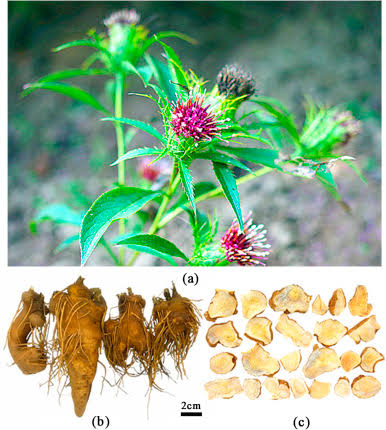
Atractylodes Macrocephala boasts a distinctive appearance that sets it apart in its natural habitat. The plant features stout, upright stems that can reach heights of up to 1 meter. The stems are adorned with large, heart-shaped leaves that exhibit a deep green hue. These leaves add to the plant’s aesthetic appeal while also playing a significant role in its growth and function.
The flowers of Atractylodes Macrocephala further contribute to its visual allure. The inflorescence consists of clusters of flower heads, each featuring a series of tubular florets surrounded by petal-like bracts. The coloration of these flowers varies, often displaying shades of white, yellow, or light purple. These blooms not only add to the plant’s charm but also attract pollinators that aid in its reproduction.
One of the most intriguing aspects of Atractylodes Macrocephala lies beneath the soil – its rhizome. The rhizome is a specialized underground stem that serves as a storage organ for nutrients and water. Harvested for its potent medicinal properties, the rhizome is carefully extracted, dried, and processed to retain its therapeutic compounds.
Atractylodes Macrocephala’s rhizome contains a diverse array of bioactive constituents, including polysaccharides, volatile oils, and sesquiterpene lactones. These compounds contribute to the plant’s various health benefits, ranging from digestive support to immune enhancement.
Cultivating Atractylodes Macrocephala requires attention to specific environmental conditions. The plant thrives in moist soils and partial shade, mimicking its native habitat. It is often grown for both its ornamental appeal and its medicinal value. Traditional Chinese medicine has extensively used Atractylodes Macrocephala for centuries, recognizing its ability to address a spectrum of health concerns.
While not globally recognized as endangered, the conservation of Atractylodes Macrocephala and other medicinal plants remains a concern. Overharvesting and habitat destruction can threaten the sustainability of these valuable botanical resources. Sustainable cultivation and responsible wild harvesting practices are crucial to ensure the long-term availability of plants like Atractylodes Macrocephala for medicinal and cultural purposes.
Read Also: 13 Medicinal Health Benefits of Crateva Nurvela (Varuna Tree)
The Medicinal Health Benefits of Atractylodes Macrocephala (Bai Zhu)
1. Digestive Support: Atractylodes Macrocephala has been valued for its ability to support healthy digestion. It can alleviate issues like bloating, indigestion, and loss of appetite. The plant contains compounds that stimulate digestive enzymes and promote efficient nutrient absorption.
2. Immune Enhancement: Rich in antioxidants and immunomodulatory agents, Atractylodes Macrocephala can bolster the immune system’s defenses. Regular consumption may help the body ward off infections and maintain overall immune health.
3. Anti-Inflammatory Effects: The plant’s bioactive compounds possess anti-inflammatory properties that can ease chronic inflammation. This makes it a potential complementary therapy for conditions like arthritis and inflammatory bowel disease.
4. Energy Boost: Atractylodes Macrocephala is known to invigorate the body and provide a natural energy boost. It can help combat fatigue and improve physical endurance.
5. Weight Management: This plant has been linked to weight management due to its potential to regulate metabolism and promote healthy digestion. It might aid in weight loss efforts when combined with a balanced diet and regular exercise.
6. Gastrointestinal Health: Atractylodes Macrocephala is believed to maintain a healthy gastrointestinal tract. It can soothe stomach discomfort, promote regular bowel movements, and address issues like diarrhea.
7. Diuretic Action: The plant’s diuretic properties can assist in flushing out toxins and excess water from the body, supporting kidney health and reducing water retention.
8. Anti-Allergic Effects: Some components of Atractylodes Macrocephala exhibit anti-allergic properties, which could be beneficial for individuals dealing with allergic reactions or respiratory allergies.
9. Stress Relief: Traditional uses suggest that this plant may have stress-relieving properties, contributing to mental well-being and potentially aiding in the management of anxiety.
10. Skin Health: Atractylodes Macrocephala’s anti-inflammatory and antioxidant effects might extend to skin health. It could be used as a natural remedy for certain skin conditions and to promote a healthy complexion.
Read Also: 11 Medicinal Health Benefits of Yellow Water-lily (Nuphar Advena)
The Methods of Usage to Achieve the Provided Health Benefits of Atractylodes Macrocephala (Bai Zhu)
1. Decoctions: Crafting a decoction involves boiling the dried rhizome of Atractylodes Macrocephala in water. This process extracts the plant’s potent compounds, creating a concentrated liquid that can be consumed to address various health concerns.
2. Powdered Form: The dried rhizome can be ground into a fine powder, which can then be encapsulated for easy consumption. This approach provides a convenient and controlled way to incorporate Atractylodes Macrocephala into your health regimen.
3. Topical Applications: For certain conditions, Atractylodes Macrocephala extract can be incorporated into topical creams or ointments. This allows for localized application to address skin-related issues and potentially harness the plant’s anti-inflammatory and antioxidant effects.
The Side Effects of Using Atractylodes Macrocephala Medicinal Plant
1. Gastrointestinal Discomfort: Excessive consumption of Atractylodes Macrocephala can lead to gastrointestinal discomfort, including symptoms such as nausea, stomach cramps, and bloating.
2. Allergic Reactions: Some individuals may be sensitive or allergic to certain compounds present in Atractylodes Macrocephala. Allergic reactions can manifest as skin rashes, itching, or respiratory issues.
3. Interaction with Medications: If you’re taking medications or undergoing medical treatments, it’s crucial to consult a healthcare professional before incorporating Atractylodes Macrocephala into your routine. There’s a possibility of interactions that could affect the efficacy or safety of both the herb and your medications.
4. Pregnancy and Nursing: Pregnant and nursing individuals should exercise caution when considering the use of Atractylodes Macrocephala. Limited research is available on its safety during these periods, so consulting a healthcare provider is recommended.
5. Digestive Upset: While Atractylodes Macrocephala is known for its digestive support, consuming it in excess or without proper guidance could lead to digestive disturbances, including diarrhea or constipation.
6. Pre-existing Conditions: If you have pre-existing medical conditions, especially related to the digestive system or allergies, it’s wise to seek medical advice before using Atractylodes Macrocephala.
7. Children and Elderly: The safety of Atractylodes Macrocephala for children and elderly individuals is not well established. Consultation with a healthcare professional is advisable before considering its use in these age groups.
8. Quality and Source: The quality and source of Atractylodes Macrocephala products can vary. Ensure that you obtain the herb from reputable sources to minimize the risk of contamination or adulteration.
9. Dosage Considerations: Like any herbal remedy, proper dosage is essential. Exceeding recommended dosages may increase the likelihood of experiencing adverse effects.
10. Monitoring and Reporting: If you experience any unusual or unexpected symptoms while using Atractylodes Macrocephala, discontinue use and consult a healthcare provider. Additionally, report any adverse effects to relevant authorities to contribute to the understanding of its safety profile.
Nutritional Value of Atractylodes Macrocephala (Bai Zhu)
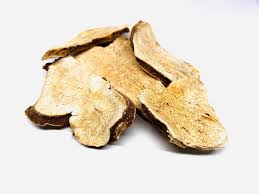
1. Polysaccharides: Atractylodes macrocephala contains complex polysaccharides, which support immune function and may enhance gut health by promoting beneficial bacteria.
2. Sesquiterpenoids: These bioactive compounds, including atractylenolides, have anti-inflammatory and antioxidant properties, potentially reducing oxidative stress.
3. Volatile Oils: The rhizomes are rich in volatile oils like atractylon, contributing to antimicrobial effects and aiding digestion in traditional remedies.
4. Phenolic Compounds: These antioxidants help neutralize free radicals, potentially lowering the risk of chronic diseases like cancer and heart disease.
5. Flavonoids: Found in the rhizomes, flavonoids offer anti-inflammatory and antioxidant benefits, supporting cardiovascular and immune health.
6. Saponins: These compounds may enhance immune response and have potential cholesterol-lowering effects, based on traditional uses.
7. Carbohydrates: The rhizomes provide carbohydrates (about 60-70% dry weight), serving as an energy source in medicinal preparations.
8. Trace Minerals: Contains minor amounts of minerals like potassium and magnesium, supporting metabolic functions and muscle health, though not a primary source.
9. Beta-Sitosterol: This phytosterol supports heart health by potentially reducing cholesterol absorption and has anti-inflammatory properties.
10. Coumarins: These compounds may have anticoagulant and anti-inflammatory effects, contributing to the plant’s medicinal profile.
The bioactive components of Atractylodes macrocephala make it a valued herb in traditional Chinese medicine, particularly for its immune-boosting and digestive benefits, though used sparingly due to its potency.
Scientific Evidence and Case Studies on Atractylodes Macrocephala
1. Dong et al. (2008): Dong et al. investigated the immunomodulatory effects of Atractylodes macrocephala polysaccharides in mice, finding enhanced immune response through increased T-cell activity and cytokine production, supporting its use for immune support.
2. Li et al. (2014): Li et al. studied the anti-inflammatory effects of atractylenolides from Atractylodes macrocephala in a colitis model, showing reduced inflammatory markers and improved gut barrier function, suggesting potential for treating inflammatory bowel diseases.
Reference: Li, C. X., Zhao, X. Y., & Wei, W. (2014). Anti-inflammatory effects of Atractylodes macrocephala in a murine model of colitis. Phytomedicine, 21(11), 1418–1424.
3. Jiali et al. (2025): Wang et al. explored the hepatoprotective effects of Atractylodes macrocephala extracts in liver injury models, finding that sesquiterpenoids reduced oxidative stress and liver damage, supporting its traditional use for liver health.
Frequently Asked Questions About Atractylodes Macrocephala
1. What is Atractylodes Macrocephala?
Atractylodes macrocephala, or Bai Zhu, is a perennial herb in the Asteraceae family, native to East Asia, used in traditional Chinese medicine for its rhizomes.
2. How is Atractylodes macrocephala used in traditional medicine?
Its rhizomes are used in decoctions, powders, or pills to treat digestive issues, fatigue, diarrhea, and to boost immunity and spleen function.
3. What are the health benefits of Atractylodes macrocephala?
It supports immune health, reduces inflammation, aids digestion, and may protect the liver, due to its polysaccharides, sesquiterpenoids, and antioxidants.
4. Is Atractylodes macrocephala safe to consume?
In moderate, traditional doses under medical supervision, it is generally safe, but excessive use may cause dryness or digestive discomfort; consult a healthcare provider.
5. Can Atractylodes macrocephala help with digestion?
Yes, its volatile oils and polysaccharides promote digestion and gut health, often used for bloating, diarrhea, and poor appetite in traditional medicine.
6. What are the main active compounds in Atractylodes macrocephala?
Key compounds include polysaccharides, atractylenolides, volatile oils, flavonoids, and phenolic compounds, driving its medicinal effects.
7. Where does Atractylodes macrocephala grow?
It grows in China, Japan, and Korea, thriving in well-drained, sandy soils in temperate regions, often cultivated for medicinal use.
8. Are there risks associated with Atractylodes macrocephala?
Overuse may lead to side effects like dry mouth or constipation; it may interact with certain medications, so use under professional guidance.
Do you have any questions, suggestions, or contributions? If so, please feel free to use the comment box below to share your thoughts. We also encourage you to kindly share this information with others who might benefit from it. Since we can’t reach everyone at once, we truly appreciate your help in spreading the word. Thank you very much for your support and for sharing!
Disclaimer: This article is for educational and informational purposes only. The health benefits described are based on scientific research and traditional knowledge. They are not a substitute for professional medical advice, diagnosis, or treatment. Always consult a healthcare professional before using any herb or natural remedy for medical purposes.