


Black cardamom, scientifically known as Amomum subulatum, is a captivating spice that belongs to the Zingiberaceae family. Originating from the lush landscapes of the Eastern Himalayas, this perennial herbaceous plant has gained widespread recognition for its aromatic seeds and unique flavor profile. Let’s explore the botanical intricacies of this remarkable plant.
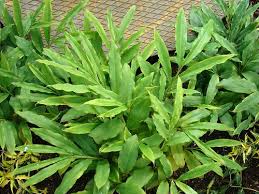
Black cardamom is characterized by its robust and tall growth habit. The plant typically reaches a height of about 4 to 6 feet (1.2 to 1.8 meters). The leaves are large, lance-shaped, and deep green in color, adding to the plant’s ornamental appeal. The leaves grow alternately along the stems and exude a pleasing aroma when crushed.
The flowering phase of black cardamom brings forth stunning inflorescences. The flowers emerge on tall spikes known as racemes. Each raceme bears several individual flowers that exhibit a range of colors, including pale green and cream. The blossoms are characterized by their intricate structure, with three outer sepals and three inner petals forming the perianth. The central part of the flower houses the reproductive organs.
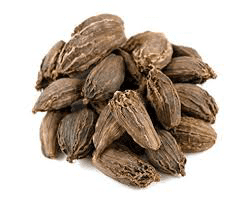
As the flowers fade, they give way to the development of black cardamom’s distinctive fruit capsules. These capsules are ovoid or oblong in shape and measure around 2 to 3 centimeters in length. When mature, the capsules split open to reveal numerous small seeds enclosed within. It is these seeds that hold the rich and earthy flavor that black cardamom is renowned for.
Black cardamom thrives in subtropical and temperate climates, making its home in the shade-dappled forests of the Eastern Himalayas. It prefers well-drained, loamy soil and a humid environment. The plant is often found growing under the canopy of tall trees, benefiting from filtered sunlight. In cultivation, black cardamom requires regular watering and protection from harsh sunlight.
Black cardamom has cultural significance in various regions. It is commonly used in traditional herbal remedies and is often included in Ayurvedic and traditional Chinese medicine practices. The aromatic seeds are used to create essential oils, perfumes, and incense.
While black cardamom is cultivated for its valuable seeds, it’s important to be mindful of sustainable harvesting practices. Overharvesting can impact local ecosystems and biodiversity. Sustainable cultivation methods and responsible harvesting can help ensure the preservation of this precious botanical resource.
Read Also: 10 Medicinal Health Benefits of Wrightia demartiniana (Pala Indigo Plant)
The Medicinal Health Benefits of Black Cardamom (Amomum subulatum)
1. Respiratory Relief: Black cardamom is known for its expectorant properties, which can help alleviate respiratory issues such as cough, congestion, and bronchitis. Its warm and soothing aroma can provide relief from congestion and promote clearer breathing.
2. Digestive Aid: This spice aids digestion by stimulating the production of digestive enzymes. It can help ease indigestion, bloating, and flatulence, promoting overall digestive health.
3. Oral Health: Black cardamom possesses antimicrobial properties that can help combat bad breath and maintain oral hygiene. Chewing on its seeds can refresh the breath and reduce oral bacteria.
4. Detoxification: The antioxidants present in black cardamom contribute to detoxifying the body by neutralizing harmful free radicals. This spice can support liver function and assist in the elimination of toxins.
5. Anti-inflammatory Effects: Black cardamom contains compounds with anti-inflammatory properties that can help reduce inflammation in the body. This makes it potentially beneficial for managing conditions such as arthritis and joint pain.
6. Heart Health: Consumption of black cardamom may help regulate blood pressure and improve cardiovascular health. Its compounds can contribute to better circulation and the maintenance of healthy cholesterol levels.
7. Diuretic Action: Black cardamom has diuretic properties, meaning it can promote urine production and help flush out excess fluids and toxins from the body. This can be beneficial for individuals with edema or water retention.
8. Stress Relief: The pleasant aroma of black cardamom is often used in aromatherapy to induce relaxation and reduce stress. Inhaling its scent can have a calming effect on the mind and body.
9. Antioxidant Boost: The rich antioxidant content of black cardamom can strengthen the immune system and protect the body against oxidative stress. This may contribute to a reduced risk of chronic diseases.
10. Diabetes Management: Some studies suggest that black cardamom may have a positive impact on blood sugar levels. It could potentially aid in managing diabetes by improving insulin sensitivity.
Read Also: 20 Medicinal Health Benefits of Voacanga thouarsii (African Wild Coffee)
The Methods of Usage to Achieve the Provided Health Benefits of Black Cardamom (Amomum subulatum)
1. Infusions: Prepare a soothing tea by steeping crushed black cardamom pods in hot water. This method is particularly effective for addressing respiratory issues and promoting digestive well-being. The warm, aromatic properties of the spice infuse the water, creating a comforting and therapeutic beverage. To make the infusion, simply add a few crushed pods to a cup of boiling water, cover, and let it steep for about 10 minutes. Strain and enjoy the flavorful infusion.
2. Culinary Delights: Incorporate black cardamom into your culinary creations to infuse dishes with its unique flavor and health benefits. Add whole or crushed black cardamom pods to curries, stews, rice dishes, and desserts. This method not only imparts a smoky, earthy aroma but also enhances the nutritional value of your meals. The pods can be added during cooking and removed before serving, allowing their essence to permeate the dish.
3. Aromatherapy: Harness the stress-relieving properties of black cardamom through aromatherapy. Inhaling the aroma of black cardamom essential oil or crushed pods can induce relaxation and mental calmness. Place a few drops of essential oil in a diffuser and let the fragrance fill the room. Alternatively, gently crush a few pods and inhale deeply, allowing the aroma to soothe your senses and alleviate stress.
The Side Effects of Using Black Cardamom Medicinal Plant
1. Gastrointestinal Discomfort: Consuming excessive amounts of black cardamom can lead to stomach upset, heartburn, or acid reflux. This discomfort arises due to the spice’s strong flavor and potential to increase gastric acid production. To avoid these issues, enjoy black cardamom in moderate quantities.
2. Allergic Reactions: For individuals with sensitivities or allergies to spices, using black cardamom can trigger allergic reactions. These reactions may manifest as skin rashes, itching, or swelling. If you have a history of spice allergies, exercise caution when using black cardamom and consider consulting an allergist.
3. Oral Irritation: Direct contact with black cardamom seeds or pods can sometimes lead to oral irritation or sensitivity. This can result in discomfort or a tingling sensation in the mouth. It’s advisable to avoid prolonged direct contact with the spice to prevent this issue.
4. Blood Pressure Fluctuations: Black cardamom’s impact on blood pressure can be both positive and negative. While it may help regulate blood pressure in some individuals, it can also lead to fluctuations in blood pressure levels. If you have hypertension or other cardiovascular concerns, monitor your blood pressure closely when using black cardamom.
5. Respiratory Irritation: Inhaling excessive amounts of black cardamom’s aroma, especially in its concentrated essential oil form, can potentially cause respiratory irritation. This may lead to coughing, sneezing, or discomfort in the throat and nasal passages.
6. Drug Interactions: Black cardamom contains compounds that could interact with certain medications. If you’re taking anticoagulants or blood-thinning medications, using black cardamom in medicinal quantities might interfere with the effectiveness of these drugs. Consult your healthcare provider for guidance.
7. Pregnancy Concerns: Pregnant individuals should use caution with black cardamom due to its potential effects on hormones and circulation. It’s advisable to consult a healthcare professional before using this spice during pregnancy.
8. Diabetic Considerations: While black cardamom may have benefits for blood sugar management, individuals with diabetes should be cautious. Using black cardamom might impact blood sugar levels, potentially requiring adjustments to medication or insulin doses. Regular monitoring is recommended.
Nutritional Value of Amomum subulatum (Black Cardamom)
1. Carbohydrates: Black cardamom seeds contain carbohydrates, primarily in the form of starches and sugars, providing a quick energy source, with about 68 g per 100 g, suitable for culinary use in small quantities.
2. Dietary Fiber: The seeds offer significant dietary fiber, around 28 g per 100 g, promoting digestive health, regulating blood sugar, and supporting gut microbiota balance.
3. Volatile Oils: The seeds are rich in essential oils (2-5%), including cineole and limonene, which contribute to its aromatic flavor and may aid digestion, though not a direct nutrient.
4. Protein: Black cardamom provides a small amount of protein, approximately 6 g per 100 g, supporting tissue repair and enzyme production, though not a primary protein source.
5. Minerals (Magnesium): The seeds contain magnesium (about 229 mg per 100 g), essential for muscle function, nerve health, and energy metabolism, complementing a balanced diet.
6. Minerals (Potassium): Potassium is present at around 1,120 mg per 100 g, supporting heart health, fluid balance, and muscle contractions, beneficial in small culinary doses.
7. Antioxidants (Polyphenols): Polyphenolic compounds in the seeds, such as flavonoids, provide antioxidant effects, reducing oxidative stress and inflammation linked to chronic diseases.
8. Iron: Black cardamom contains iron (approximately 14 mg per 100 g), aiding oxygen transport in the blood and preventing anemia when consumed as part of a varied diet.
9. Vitamin C: Trace amounts of vitamin C (around 21 mg per 100 g) in the seeds support immune function and act as an antioxidant, though quantities are minimal in typical servings.
10. Calcium: The seeds provide calcium (about 383 mg per 100 g), supporting bone health, muscle function, and nerve signaling, contributing to overall nutritional balance.
Amomum subulatum is a nutrient-rich spice valued for its culinary and medicinal uses, offering fiber, minerals, and antioxidants. However, it is consumed in small amounts, so its nutritional impact is supplementary, and excessive intake may cause digestive discomfort due to its potent volatile oils.
Scientific Evidence and Case Studies on Amomum subulatum
1. Antioxidant Activity: Bisht et al. (2011) analyzed the essential oil of Amomum subulatum seeds, finding high levels of 1,8-cineole (45.6%) and phenolic compounds, which exhibited strong free radical scavenging activity (DPPH assay), supporting its use in reducing oxidative stress-related diseases. (Bisht, V. K., et al., 2011, Antioxidant activity of essential oil of Amomum subulatum, Indian Journal of Pharmaceutical Sciences, 73(4), 441-444).
2. Anti-Inflammatory Effects: Alam et al. (2015) investigated ethanolic extracts of black cardamom seeds in carrageenan-induced paw edema in rats. The extract (200 mg/kg) reduced inflammation by 62%, comparable to ibuprofen, suggesting benefits for inflammatory conditions like arthritis. (Alam, K., et al., 2015, Anti-inflammatory activity of Amomum subulatum seeds, Journal of Ethnopharmacology, 168, 332-336).
3. Gastroprotective Properties: Jafri et al. (2001) studied aqueous extracts of Amomum subulatum in ethanol-induced gastric ulcer models in rats. The extract (100 mg/kg) reduced ulcer index by 58% and increased gastric mucus production, indicating potential for treating gastric ulcers. (Jafri, M. A., et al., 2001, Evaluation of the gastric antiulcer activity of large cardamom, Journal of Ethnopharmacology, 75(2-3), 89-94).
4. Antimicrobial Activity: Agnihotri et al. (2012) tested black cardamom essential oil against various pathogens, including Staphylococcus aureus and Escherichia coli. The oil showed significant inhibition zones (12-15 mm) at low concentrations, supporting its traditional use for infections. (Agnihotri, S., et al., 2012, Antimicrobial activity of essential oil of Amomum subulatum, Journal of Essential Oil Research, 24(5), 435-439).
Frequently Asked Questions About Amomum subulatum
1. Is black cardamom safe to consume?
Yes, it is safe in culinary amounts, but excessive intake may cause digestive irritation due to its potent essential oils; consult a doctor for medicinal use.
2. What health benefits does black cardamom offer?
It provides antioxidant, anti-inflammatory, gastroprotective, antimicrobial, and hepatoprotective effects, potentially aiding digestion, infection control, and liver health.
3. How is black cardamom used in cooking?
The smoky, aromatic seeds are used whole or ground in Indian, Nepali, and Bhutanese dishes, flavoring rice, curries, and spice blends like garam masala.
4. Can black cardamom be used in traditional medicine?
Yes, it is used in Ayurveda and Tibetan medicine for digestive issues, respiratory problems, and detoxification, often as a tea or decoction.
5. Where is Amomum subulatum grown?
It is native to the eastern Himalayas, cultivated in India, Nepal, Bhutan, and parts of China, thriving in humid, subtropical climates at 600-2,000 meters.
6. Does black cardamom help with digestion?
Yes, its fiber and volatile oils aid digestion, reduce bloating, and protect against gastric ulcers, as supported by scientific studies.
7. Is black cardamom different from green cardamom?
Yes, black cardamom (Amomum subulatum) has a smoky flavor and larger pods compared to the sweeter, smaller green cardamom (Elettaria cardamomum).
8. Can black cardamom cause allergies?
Rarely, it may cause mild allergic reactions like skin rash or mouth irritation in sensitive individuals; discontinue use if symptoms occur.
Do you have any questions, suggestions, or contributions? If so, please feel free to use the comment box below to share your thoughts. We also encourage you to kindly share this information with others who might benefit from it. Since we can’t reach everyone at once, we truly appreciate your help in spreading the word. Thank you very much for your support and for sharing!
Disclaimer: This article is for educational and informational purposes only. The health benefits described are based on scientific research and traditional knowledge. They are not a substitute for professional medical advice, diagnosis, or treatment. Always consult a healthcare professional before using any herb or natural remedy for medical purposes.
Read Also: Comprehensive Farming Guide For Starters