


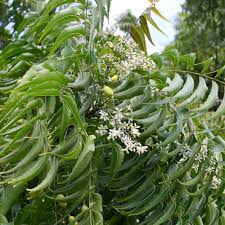
The neem tree (Azadirachta indica), often hailed as a “pharmacy in a tree,” is also known as Indian lilac and Dongoyaro in various parts of Africa. This magical evergreen, drought-resistant tree is a native of India but has gradually established its roots in many tropical and subtropical regions across the globe over several centuries.
It has served as a cornerstone of traditional medicine for thousands of years, finding its way into modern pharmaceuticals, high-end cosmetics, and daily toiletries. Every structural component of the neem tree—including the rugged bark, the fibrous root, the slender twigs, the oil-rich seeds, and the delicate flowers—is utilized for its potent bioactive properties.
Neem is revered as a premier medicinal resource across diverse geographies, including the arid landscapes of the Middle East, the vast expanses of sub-Saharan Africa, and its ancestral home in India. Its resilience and broad therapeutic spectrum make it an indispensable asset to both rural herbalists and global industrial manufacturers.
11 Health Benefits of Neem Tree (Azadirachta indica)
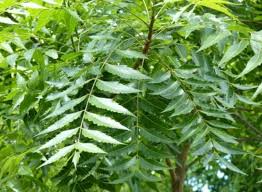
Beautiful and Glowing Skin
1. Skin Health: Regular use of a paste made from fresh neem leaves provides a natural glow and clears blemishes, especially when enhanced with cucumber extract.
2. Beauty Aid: Neem is considered a primary beauty secret in India, where powdered leaves are integrated into facial creams to brighten the complexion and purify the skin.
3. Cosmetic Use: Purified neem oil is a popular ingredient for strengthening nails and acts as a natural preservative in various organic cosmetics.
Read Also: Amazing Health Benefits of Pineapple Peels
Toiletries
1. Product Base: Neem oil serves as a versatile base for manufacturing therapeutic soaps, shampoos, and balms that cater to sensitive skin.
2. Oral Care: Neem-infused toothpaste is highly effective at reducing plaque and preventing gum disease due to its natural antibacterial properties.
Cardiac Problem
1. Vascular Cleansing: An infusion of neem leaves in hot water helps remove harmful sugars and metabolic toxins from the blood vessels, promoting better cardiovascular flow.
2. Pumping Balance: Regular consumption of neem leaf tea helps stabilize heart pumping rates and improves overall circulatory efficiency.
High Blood Pressure
1. Hypertension Control: Neem leaf extracts have been scientifically observed to relax erratic heartbeats and balance blood pressure levels.
2. Clinical Evidence: Intravenous administration of neem leaf alcohol extracts has shown a significant ability to lower systemic blood pressure in research settings.
Eczema
1. Topical Healing: Burning dried neem leaves on charcoal and applying the resulting ash or smoke has been a traditional method to soothe chronic eczema.
2. Anti-itch Properties: The cooling effect of neem leaf pulp helps reduce the intense itching and inflammation associated with various dermatological conditions.
Pesticides and Insecticides
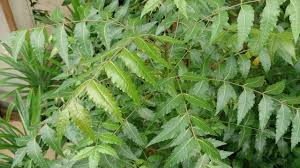
1. Natural Repellant: Pounding neem seeds and mixing them with water creates a powerful organic spray that repels pests without the use of harmful synthetic chemicals.
2. Storage Protection: Dried neem leaves are often placed in cupboards or grain storage bins to prevent moths and weevils from damaging clothing and food supplies.
3. Mosquito Defense: In many tropical households, burning neem leaves serves as an effective, natural way to drive away mosquitoes and other biting insects.
Cancers
1. Tumor Inhibition: Neem leaf tea acts as a powerful detoxifier that improves the immune response and helps eliminate free radicals that contribute to cancer growth.
2. Prostate Health: Specific compounds in neem have been shown to inhibit the spread of prostate cancer cells and reduce inflammatory reactions in the body.
Typhoid and Malaria
1. Fever Relief: Neem leaf decoctions are traditionally used as a potent remedy to break the high fevers associated with malaria and typhoid infections.
2. Pathogen Defense: The bitter compounds in neem are believed to create an internal environment that is hostile to various blood-borne parasites.
Blood Purification
1. Internal Detox: Neem acts as a natural blood purifier, flushing out impurities and enhancing the overall circulation of oxygenated blood through the body.
2. Organ Support: By cleansing the bloodstream, neem reduces the workload on the liver and kidneys, improving overall metabolic health.
Read Also: Health Benefits of Waterleaf (Talinum triangulare) that will make you eat it everyday
Wound Treatment and Pain Killer
1. Anti-inflammatory Action: A combination of leaf and seed extracts provides a natural analgesic effect that relieves headaches, sprains, and earaches.
2. Rapid Healing: Neem oil is highly effective for treating cuts and wounds, and it is even used in veterinary medicine to treat mud fever in horses.
Skin Toner
1. Daily Cleanser: Boiling 20 to 25 leaves in a liter of water creates a potent skin toner that removes dead skin cells and rejuvenates the facial surface.
2. Acne Prevention: Using a cotton ball to apply neem water every night helps kill acne-causing bacteria and reduces the occurrence of oily breakouts.
Antibiotics
1. Bacterial Resistance: While the entire tree contains antibiotic compounds, the twigs contain the highest concentration for fighting dangerous bacterial strains.
2. Traditional Hygiene: In many cultures, neem twigs are chewed as “chew sticks” to maintain dental hygiene and provide a daily dose of natural antibiotics.
Read Also: Top 9 Foods that Fight Wrinkles (anti-aging diets)
Scientific Evidence and Case Studies on Neem Tree (Azadirachta indica)
1. Antimicrobial Properties: Clinical evaluations have demonstrated that neem leaf extracts possess significant inhibitory effects against Staphylococcus aureus and Escherichia coli bacteria.
2. Antimalarial Efficacy: Field studies in West Africa have observed that individuals consuming neem leaf decoctions show a lower parasite density in the blood compared to control groups.
3. Anti-Hyperglycemic Activity: Research indicates that neem leaf aqueous extracts can significantly reduce blood sugar levels by improving insulin sensitivity in the body’s cells.
4. Dental Plaque Reduction: Clinical trials comparing neem mouthwash to chlorhexidine found that neem-based solutions are equally effective at reducing gingival inflammation and plaque buildup.
5. Gastric Protection: Studies on neem bark extract have shown its ability to inhibit gastric acid secretion, significantly aiding in the healing and prevention of stomach ulcers.
Summary of Neem Tree (Azadirachta indica)
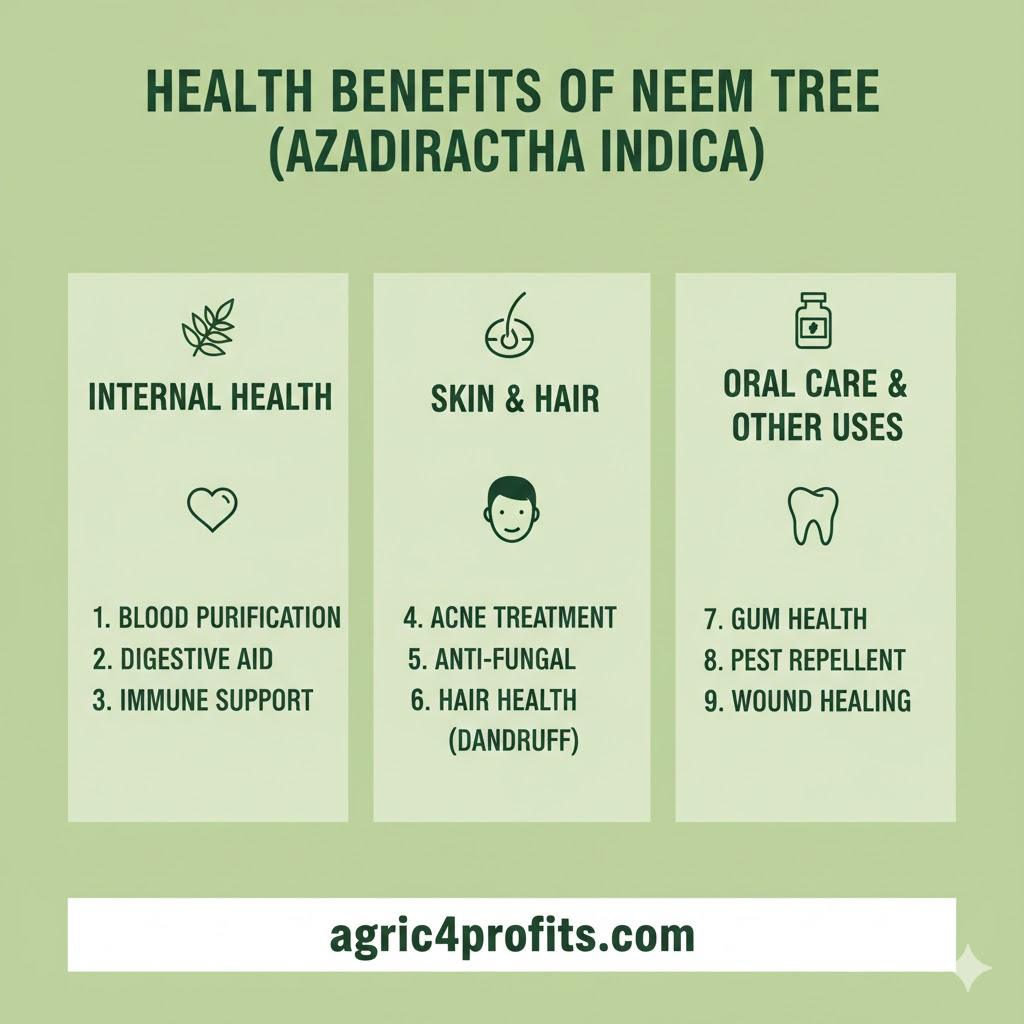
| Category | Summary Details |
| Common Names | 1. Identifiers: Indian Lilac, Dongoyaro, and Neem. |
| Medicinal Parts | 1. Components: Roots, bark, twigs, leaves, seeds, and flowers are all used. |
| Primary Benefits | 1. Benefits: Blood purification, skin health, fever treatment, and cardiac support. |
| Industrial Uses | 1. Industry: Integral to the production of soaps, shampoos, toothpaste, and organic pesticides. |
| Health Focus | 1. Impact: Potent anti-inflammatory, antibiotic, and anti-cancer properties. |
Frequently Asked Questions
1. Can neem leaves really cure malaria?
Neem leaves contain bitter limonoids like gedunin which have been used traditionally for centuries to treat malaria symptoms and reduce fever.
2. Is it safe to apply neem oil directly to the face?
Pure neem oil is very concentrated and should usually be diluted with a carrier oil like coconut oil to prevent skin irritation.
3. How do neem twigs help with dental health?
The twigs contain high levels of antimicrobial agents that kill oral bacteria, prevent cavities, and act as a natural toothbrush.
4. Can neem tea help with weight loss?
While not a direct weight loss supplement, neem tea detoxifies the blood and improves metabolism, which can support overall weight management.
5. Is neem safe for pregnant women to consume?
Neem is generally not recommended for pregnant women or those trying to conceive, as it may interfere with fertility and hormonal balance.
6. How often should I use neem water as a skin toner?
For the best results in treating acne and rejuvenating skin, it is recommended to use the toner once every night before bed.
7. Does neem help in controlling high blood pressure?
Yes, research shows that alcohol extracts of neem leaves can significantly lower blood pressure by relaxing heart rate and blood vessels.
8. Can neem seeds be used as a garden pesticide?
Yes, crushed neem seeds mixed with water act as a potent organic repellant that protects crops from insects without leaving toxic residues.
9. Why is neem called the “village pharmacy”?
It is given this name because almost every part of the tree can be used to treat a wide variety of common ailments and health conditions.
10. How do I prepare neem tea for blood purification?
Boil a handful of fresh or dried leaves in water for 10-15 minutes, strain the liquid, and drink it in small quantities to detoxify the system.
Would you like me to help you find a specific neem-based recipe for a homemade skin treatment?
Do you have any questions, suggestions, or contributions? If so, please feel free to use the comment box below to share your thoughts. We also encourage you to kindly share this information with others who might benefit from it. Since we can’t reach everyone at once, we truly appreciate your help in spreading the word. Thank you very much for your support and for sharing!
Disclaimer: This article is for educational and informational purposes only. The health benefits described are based on scientific research and traditional knowledge. They ayre not a substitute for professional medical advice, diagnosis, or treatment. Always consult a healthcare professional before using any herb or natural remedy for medical purposes.
Read Also: Foods and Drinks That Can Increase your Blood Sugar Level