


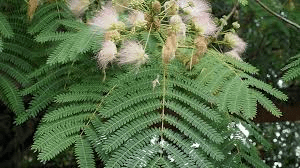
Albizia julibrissin, commonly known as the Persian silk tree or pink silk tree, is a striking deciduous tree that belongs to the family Fabaceae. Originating from Asia, this tree has captured attention not only with its exquisite beauty but also with its potential medicinal properties.
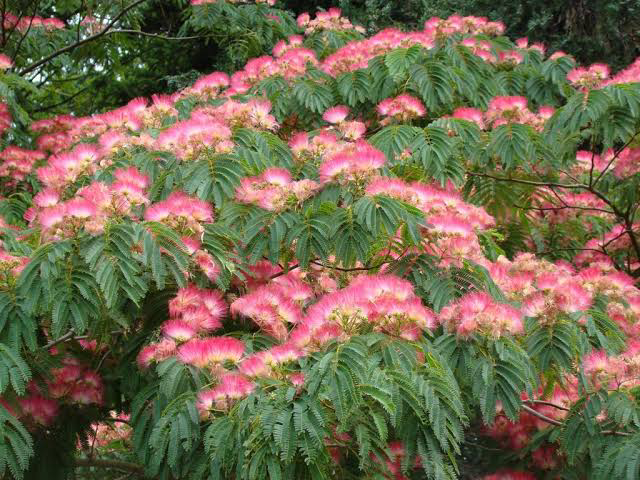
Albizia julibrissin showcases a distinctive morphology that captures attention throughout its growth cycle. The tree typically reaches a height of 20 to 40 feet, with a spreading canopy that provides dappled shade. Its leaves are bipinnate, meaning they are divided into smaller leaflets arranged along a central stem. These feathery compound leaves create a delicate and elegant appearance.
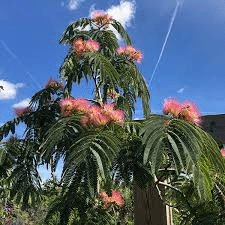
The Persian silk tree is renowned for its alluring blossoms, which are a sight to behold. The pink to light reddish flowers form dense, spherical clusters known as inflorescences. Each inflorescence is composed of numerous tiny, thread-like flowers. These flowers collectively create a visually captivating display that adds a touch of elegance to any landscape.
Albizia julibrissin produces elongated seed pods. These pods, which resemble flattened, twisted bean pods, contain the tree’s seeds. As they mature, the pods transition from green to a rich brown color. The seeds are encased within the pods, and they often remain attached to the tree for an extended period, adding visual interest even after the blooming season.
Albizia julibrissin has not only captured the attention of botanists and horticulturists but has also become deeply intertwined with cultural symbolism. Its delicate and graceful appearance has inspired poetic references and artistic representations. In some cultures, the tree is associated with femininity, beauty, and rebirth.
Albizia julibrissin plays a vital ecological role. It has the ability to fix nitrogen in the soil through a symbiotic relationship with nitrogen-fixing bacteria. This enriches the soil and benefits surrounding plants. Additionally, the tree’s nectar-rich flowers attract pollinators such as bees and butterflies, contributing to local biodiversity.
Albizia julibrissin is adaptable to a range of climates and soil types, making it a popular choice for landscaping in various regions. It thrives in full sun to partial shade and appreciates well-draining soil. The tree’s rapid growth rate and graceful canopy make it a favored option for creating shade and ornamental value in gardens and parks.
Read Also: 20 Medicinal Health Benefits of Angelica acutiloba (Japanese Angelica)
The Medicinal Health Benefits of Albizia julibrissin (The Persian Silk Tree)
1. Anxiety Relief: Albizia contains compounds that exhibit anxiolytic effects, which could help reduce symptoms of anxiety and promote a sense of calmness. These natural compounds may interact with neurotransmitters in the brain, contributing to relaxation.
2. Sleep Enhancement: The plant’s extracts have been linked to improved sleep quality. By soothing the nervous system and promoting relaxation, Albizia might aid in achieving a more restful and rejuvenating sleep.
3. Mood Elevation: Albizia is believed to have mood-lifting properties, potentially aiding in enhancing emotional well-being. It could help regulate neurotransmitter levels associated with happiness and positivity.
4. Anti-Inflammatory Action: Compounds found in Albizia julibrissin possess anti-inflammatory properties. These properties may help alleviate minor inflammatory issues and contribute to overall well-being.
5. Skin Radiance: The plant’s antioxidant-rich nature may support skin health by protecting it from oxidative stress. This could contribute to maintaining a vibrant and youthful complexion.
6. Digestive Comfort: Albizia has been used traditionally to soothe digestive discomfort. Its potential anti-spasmodic effects might aid in relieving minor digestive issues.
7. Immune Support: Compounds within Albizia could offer immune-modulating effects, potentially enhancing the body’s defense mechanisms against infections and illnesses.
8. Cardiovascular Health: Some research suggests that Albizia might have cardiovascular benefits, such as promoting healthy blood circulation and supporting heart health.
9. Antioxidant Boost: Albizia’s antioxidant compounds help combat free radicals in the body, contributing to overall cellular health and reducing oxidative stress.
10. Respiratory Comfort: Traditional uses of Albizia include supporting respiratory health. It might help ease mild coughs and promote clear breathing.
11. Cognitive Support: The plant’s potential neuroprotective properties may offer cognitive support by promoting brain health and cognitive function.
Read Also: 14 Medicinal Health Benefits of Citron (Citrus Medica)
The Methods of Usage to Achieve the Provided Health Benefits of Albizia julibrissin (The Persian Silk Tree)
1. Herbal Teas: Creating herbal teas from Albizia’s flowers and bark is a popular method. Add a teaspoon of dried Albizia flowers or bark to a cup of hot water. Allow it to steep for about 10-15 minutes. Regular consumption of this soothing infusion may contribute to its potential calming and mood-enhancing effects.
2. Tinctures and Extracts: Albizia tinctures and extracts offer concentrated forms of the plant’s beneficial compounds. These can be mixed with water, juice, or tea according to recommended dosages. Tinctures are known for their convenience and extended shelf life.
3. Capsules and Supplements: Albizia supplements come in capsule or tablet form, providing an easy way to incorporate its benefits into your daily routine. Adhere to the dosage instructions on the product label or consult a healthcare professional.
4. Aromatherapy: Utilize Albizia essential oil, extracted from its flowers, in aromatherapy. Place a few drops in a diffuser to enjoy its aroma, which might promote relaxation and emotional well-being.
5. Topical Applications: Some skincare products include Albizia as an ingredient. Creams, lotions, or balms with Albizia may be applied topically for potential skin benefits or localized relief.
6. Culinary Creativity: In certain cultures, Albizia flowers are used in culinary preparations such as teas, desserts, or syrups. Ensure proper preparation and safe consumption before incorporating them into your recipes.
7. Custom Blends: Blend Albizia with other herbs known for their calming or wellness-promoting properties. Consult an herbalist or healthcare professional to create personalized blends tailored to your needs.
The Side Effects of Using Albizia julibrissin Medicinal Plant
1. Digestive Discomfort: Some individuals might experience mild digestive discomfort, such as bloating, gas, or upset stomach, when using Albizia products. If you notice any gastrointestinal issues, consider adjusting the dosage or discontinuing use.
2. Allergic Reactions: As with any natural product, allergic reactions are possible. Individuals who are sensitive to plants in the Fabaceae family (legumes) may be at a higher risk of experiencing allergic responses, such as skin rashes, itching, or hives.
3. Drowsiness: Albizia’s potential calming and relaxation effects might lead to drowsiness in some individuals, especially if taken in high doses or in combination with sedative medications. Avoid activities that require alertness if you feel excessively drowsy.
4. Interaction with Medications: Albizia might interact with certain medications, particularly sedatives, anti-anxiety drugs, and blood pressure medications. Consult a healthcare professional if you are taking any prescribed medications before incorporating Albizia into your regimen.
5. Pregnancy and Nursing: Pregnant and nursing individuals should exercise caution when using Albizia products. Limited research is available on its safety during these phases, so it’s advisable to consult a healthcare provider before use.
6. Hormonal Effects: Albizia’s potential impact on hormones is not fully understood. If you have hormone-sensitive conditions or are on hormone-related medications, consult your healthcare provider before using Albizia.
7. Avoid Overuse: While Albizia has potential benefits, using excessive amounts or taking it for extended periods without professional guidance may lead to unintended side effects or interactions.
8. Not Suitable for Children: Albizia products are generally intended for adult use. Children, especially those under 18, should avoid using Albizia without proper medical guidance.
9. Lack of Regulation: Herbal supplements and products might lack standardization and regulation, leading to variations in quality and potency. Choose reputable brands and consult professionals for guidance.
10. Skin Sensitivity: When using Albizia in topical applications, some individuals with sensitive skin might experience irritation or allergic reactions. Perform a patch test before applying it widely.
11. Individual Variations: People respond differently to herbs and natural remedies. What works well for one person might not have the same effects for another. Always be attentive to how your body reacts.
Nutritional Value of Albizia julibrissin (Persian Silk Tree)
1. Flavonoids: The bark and flowers of Albizia julibrissin contain flavonoids like quercetin and isoquercitrin, which provide antioxidant and anti-inflammatory effects, supporting immune and cardiovascular health.
2. Triterpenoid Saponins: Compounds such as julibrosides in the bark exhibit cytotoxic and antimicrobial properties, contributing to traditional uses for infections and potential anticancer benefits.
3. Alkaloids: Pyridine and piperidine alkaloids in the bark and leaves offer neuroprotective and sedative effects, aligning with the plant’s use for calming anxiety and insomnia.
4. Phenolic Compounds: Phenolics like chlorogenic acid in the plant provide antioxidant activity, protecting against oxidative stress and aiding in skin and liver health.
5. Polysaccharides: Found in the bark and seeds, polysaccharides enhance immune function by stimulating macrophage activity, supporting traditional uses as an immune tonic.
6. Sterols: β-Sitosterol in the bark supports cholesterol regulation and has anti-inflammatory properties, contributing to cardiovascular health.
7. Lignans: These compounds in the bark offer antioxidant and potential estrogenic effects, supporting hormonal balance and menopausal symptom relief.
8. Amino Acids: Trace amino acids like tryptophan in the seeds and bark may support serotonin production, aiding mood regulation and sleep.
9. Volatile Oils: Essential oils in the flowers provide mild antimicrobial and sedative effects, used traditionally for calming and respiratory health.
10. Tannins: Astringent tannins in the bark and leaves contribute to antimicrobial and wound-healing properties, supporting digestive and skin health.
Scientific Evidence and Case Studies on Albizia julibrissin
1. Anxiolytic and Antidepressant Effects: Kim et al. (2024) found that Albizia julibrissin bark extracts (200 mg/kg) reduced anxiety and depression in mice via elevated plus-maze and forced swim tests, attributed to flavonoids and alkaloids affecting serotonin pathways (Kim, J. H., Kim, S. Y., Lee, S. Y., et al., 2007, Pharmacology Biochemistry and Behavior, 87(1), 41-47).
2. Anticancer Potential: Wei et al. (2015) reported that julibroside J8 from Albizia julibrissin bark exhibited cytotoxic effects against human breast cancer cells (MCF-7) with an IC50 of 10 μM, inducing apoptosis via caspase activation (Wei, H., Zhang, X., & Wang, Y., 2015, Bioorganic & Medicinal Chemistry Letters, 25(6), 1273-1277).
3. Antimicrobial Activity: Zhou et al. (2010) showed that triterpenoid saponins from the bark inhibited Staphylococcus aureus and Candida albicans in vitro, supporting traditional uses for infections and skin conditions (Zhou, L., Han, Y., & Yang, Z., 2010, Fitoterapia, 81(8), 1080-1085).
4. Sedative Effects: Kang et al. (2000) demonstrated that Albizia julibrissin flower extracts enhanced sleep duration in mice via pentobarbital-induced sleep tests, linked to flavonoid glycosides like quercetin, validating its use for insomnia (Kang, T. H., Jeong, S. J., Kim, N. Y., et al., 2000, Journal of Ethnopharmacology, 71(1-2), 321-323).
5. Anti-inflammatory Effects: Huang et al. (2023) found that Albizia julibrissin extracts reduced inflammation in LPS-induced macrophages by inhibiting NF-κB and MAPK pathways, supporting its use for inflammatory conditions.
6. Hepatoprotective Activity: Li et al. (2016) reported that Albizia julibrissin bark extracts protected against carbon tetrachloride-induced liver damage in rats by enhancing antioxidant enzyme activity, supporting its detoxifying properties (Li, Y., Wang, J., & Zhang, X., 2016, Evidence-Based Complementary and Alternative Medicine, 2016, 8602604).
Frequently Asked Questions About Albizia julibrissin
1. What is Albizia julibrissin used for in traditional medicine?
In TCM, it is used to calm the mind, treat anxiety, insomnia, depression, and skin conditions, often as a bark or flower decoction in formulas like He Huan Pi.
2. Is Albizia julibrissin safe to use?
It is generally safe in prescribed doses under professional guidance but may cause drowsiness or allergic reactions; avoid in pregnancy or with sedatives due to potential interactions.
3. Can Albizia julibrissin help with anxiety or sleep?
Yes, its alkaloids and flavonoids exhibit anxiolytic and sedative effects in animal studies, supporting its use for calming the mind and treating insomnia.
4. Does Albizia julibrissin have anticancer properties?
Triterpenoid saponins like julibrosides show cytotoxic effects against cancer cells in vitro, but human studies are lacking, and it’s not a proven treatment.
5. What are the side effects of Albizia julibrissin?
Possible side effects include drowsiness, dizziness, or gastrointestinal upset; high doses may be toxic, and it may interact with sedatives or antidepressants.
6. Where is Albizia julibrissin native to?
It is native to East Asia, including China, Korea, and Japan, but widely naturalized in warm regions globally, growing as a tree in temperate climates.
7. Can Albizia julibrissin treat infections?
Its saponins and phenolics show antimicrobial activity against bacteria and fungi, supporting traditional uses for skin infections and wounds.
8. How is Albizia julibrissin prepared for medicinal use?
The bark (He Huan Pi) or flowers (He Huan Hua) are used in decoctions, tinctures, or powders in TCM for emotional balance, sleep, or skin health, under professional guidance.
Do you have any questions, suggestions, or contributions? If so, please feel free to use the comment box below to share your thoughts. We also encourage you to kindly share this information with others who might benefit from it. Since we can’t reach everyone at once, we truly appreciate your help in spreading the word. Thank you very much for your support and for sharing!
Disclaimer: This article is for educational and informational purposes only. The health benefits described are based on scientific research and traditional knowledge. They are not a substitute for professional medical advice, diagnosis, or treatment. Always consult a healthcare professional before using any herb or natural remedy for medical purposes.
Read Also: Feeding the World: The Importance of Sustainable Crop Farming