


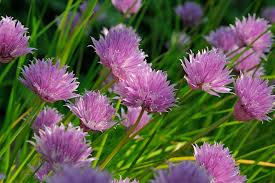
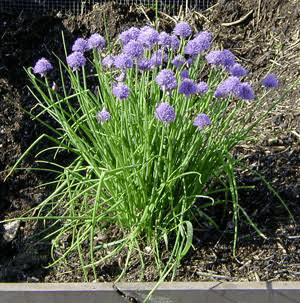
Chives, scientifically known as Allium schoenoprasum, are a fascinating herb with a distinctive botanical description. Chives are perennial herbs that grow in small clumps. They are known for their slender, tubular leaves that resemble green onion leaves but are much thinner.
These leaves can reach a height of 12 to 18 inches (30 to 45 cm). Chives produce delicate, spherical clusters of lavender or pinkish-purple flowers during the summer months, adding a touch of elegance to any garden.
The roots of chives are bulbous and consist of small, elongated bulbs that multiply over time. These bulbs serve as the plant’s storage organ, helping it survive adverse conditions and regrow each spring.
Chive leaves are the most commonly used part of the plant. They are linear, hollow, and dark green, growing in tufts from the bulb. These leaves exude a distinct onion-like aroma and have a mild, delicate flavor.
Chive flowers are small, star-shaped, and form dense globular clusters at the top of slender stalks. They not only add visual appeal but are also edible, with a milder onion flavor than the leaves.
Chives are native to Europe, Asia, and North America and can adapt to various climates. They thrive in well-drained, fertile soil and prefer full sun to partial shade.
Chives are relatively easy to cultivate. They can be grown from seeds or propagated by dividing mature clumps. These herbs are commonly cultivated in home gardens and are prized for their culinary and medicinal uses.
Read Also: 13 Medicinal Health Benefits of Ensete Superbum (Wild Banana)
The Medicinal Health Benefits of Chives (Allium schoenoprasum)
1. Anti-Inflammatory Properties: Chives contain anti-inflammatory compounds that help reduce inflammation, making them beneficial for conditions like arthritis and joint pain.
2. Rich in Vitamins: They are a good source of vitamins A, C, and K, which support healthy skin, vision, and blood clotting.
3. Immune System Support: Chives boost the immune system due to their high vitamin C content, helping the body fight off infections.
4. Digestive Health: The fiber in chives aids digestion and can alleviate digestive issues like bloating and constipation.
5. Antioxidant Protection: Chives are rich in antioxidants that combat free radicals, reducing the risk of chronic diseases.
6. Cardiovascular Health: They can promote heart health by lowering blood pressure and improving circulation.
7. Bone Health: Vitamin K in chives contributes to bone density and may reduce the risk of osteoporosis.
8. Cancer Prevention: Some studies suggest that chives may have anticancer properties, particularly against prostate cancer.
9. Detoxification: Chives support the liver’s detoxification process, aiding in the elimination of toxins from the body.
10. Allergy Relief: Quercetin in chives may help reduce allergy symptoms by stabilizing mast cells.
11. Respiratory Health: Chives can provide relief from respiratory issues like congestion and coughs.
12. Skin Health: Applied topically, chive-infused products can improve skin conditions like acne and eczema.
13. Anti-Bacterial Properties: Chives have natural antibacterial properties that may help combat harmful bacteria.
14. Weight Management: Their low calorie and high fiber content can support weight loss efforts.
15. Blood Sugar Regulation: Chives may help stabilize blood sugar levels, beneficial for diabetics.
16. Eye Health: Vitamin A in chives supports eye health and may reduce the risk of age-related macular degeneration.
17. Wound Healing: Chive extracts can promote wound healing and reduce the risk of infection.
18. Stress Reduction: Chives contain compounds that may have a calming effect and reduce stress.
19. Improved Memory: Some studies suggest that chives may enhance cognitive function and memory.
20. Hair Health: Applied topically, chive-infused products can promote hair growth and reduce dandruff.
Read Also: 14 Medicinal Health Benefits of African Basil (Ocimum Gratissimum)
The Methods of Usage to Achieve the Provided Health Benefits of Chives (Allium schoenoprasum)
1. Culinary Delight: Chives are commonly used as a culinary herb to add flavor to dishes. Chop the leaves finely and sprinkle them over salads, soups, omelets, or baked potatoes for a mild onion-like flavor.
2. Infused Oils and Vinegars: Create chive-infused oils or vinegars by steeping chive leaves in a carrier oil (like olive oil) or vinegar. Use these infusions to enhance the taste of your favorite dishes.
3. Herbal Tea: Make a chive herbal tea by steeping fresh or dried chive leaves in hot water. This can help with digestive issues and provide a soothing beverage.
4. Tinctures and Extracts: Chive tinctures or extracts can be prepared using alcohol or glycerin. These concentrated forms can be used for medicinal purposes. Consult a herbalist for guidance.
5. Topical Applications: Chive-infused oils or extracts can be applied topically to the skin to promote wound healing, reduce inflammation, and improve skin conditions.
6. Hair Rinses: Create a chive-infused hair rinse by steeping chive leaves in hot water and using the cooled liquid as a final rinse after shampooing. This can promote hair health and reduce dandruff.
7. Aromatherapy: Chive essential oil, if available, can be used in aromatherapy for its calming effects. Diffuse it in your home or add a few drops to a warm bath for relaxation.
8. Herbal Salves: Combine chive-infused oil with beeswax to create a healing herbal salve for minor cuts, scrapes, or skin irritations.
9. Poultices: Make a poultice by crushing fresh chive leaves and applying them directly to the affected area. This can help with insect bites, bruises, and minor skin irritations.
10. Dietary Supplements: – Chive supplements in the form of capsules or tablets are available in some markets. These can be taken as dietary supplements to reap the medicinal benefits.
The Side Effects of Using Chives Medicinal Plant
1. Allergic Reactions: Some individuals may be allergic to chives or other plants in the Allium genus (like onions and garlic). Allergic reactions can include skin rashes, itching, and digestive discomfort. If you experience these symptoms, discontinue use.
2. Gastrointestinal Upset: Consuming excessive amounts of chives can lead to gastrointestinal issues such as stomach pain, gas, or diarrhea. It’s important to use them in moderation.
3. Interaction with Medications: Chives, especially in concentrated forms like supplements or extracts, may interact with certain medications, including blood thinners. Consult a healthcare professional if you’re taking medication and want to include chives in your diet or as a supplement.
4. Photosensitivity: Some individuals may experience increased sensitivity to sunlight (photosensitivity) when using chive-infused products topically. This can result in skin irritation or sunburn. Use sunscreen when exposed to sunlight after topical chive applications.
5. Cross-Allergies: If you have known allergies to other Allium vegetables (such as onions or garlic), you may also be sensitive to chives. Be cautious when introducing chives into your diet.
6. Pregnancy and Breastfeeding: Pregnant or breastfeeding individuals should consume chives in moderation. While they are generally considered safe, it’s best to consult with a healthcare provider to ensure there are no contraindications.
7. Blood Pressure Regulation: Chives may have a mild blood pressure-lowering effect. If you have low blood pressure or are already taking medication to lower blood pressure, monitor your levels and consult a healthcare professional.
8. Digestive Disorders: If you have a history of gastrointestinal disorders, chives’ mild laxative effect may worsen symptoms. Use them cautiously in such cases.
9. Children and Infants: Chives are not typically recommended for infants and very young children due to their pungent flavor and potential digestive sensitivity.
10. Culinary Use: – While culinary use of chives is generally safe, avoid excessive consumption in a single meal, as it can lead to digestive discomfort.
Nutritional Value of Allium schoenoprasum (Chives)
1. Vitamin C: Chives are rich in vitamin C, providing about 58 mg per 100 g, which supports immune function, promotes collagen synthesis for skin health, and acts as an antioxidant to combat free radicals.
2. Vitamin A (Beta-Carotene): They contain beta-carotene, around 4,350 µg per 100 g, which converts to vitamin A, supporting eye health, immune response, and skin integrity.
3. Dietary Fiber: Chives offer approximately 2.5 g of fiber per 100 g, aiding digestion, promoting gut health, and helping regulate blood sugar and cholesterol levels.
4. Vitamin K: With about 212 µg per 100 g, chives provide vitamin K, essential for blood clotting and bone health, supporting calcium absorption and reducing fracture risk.
5. Folate: Chives contain folate, roughly 105 µg per 100 g, crucial for DNA synthesis, cell division, and preventing neural tube defects during pregnancy.
6. Potassium: They provide potassium at around 296 mg per 100 g, supporting heart function, muscle contractions, and fluid balance to maintain healthy blood pressure.
7. Magnesium: Chives offer magnesium, about 42 mg per 100 g, which supports energy metabolism, muscle relaxation, and nerve function, contributing to overall wellness.
8. Iron: Containing approximately 1.6 mg per 100 g, iron in chives aids oxygen transport in the blood and helps prevent anemia when included in a varied diet.
9. Polyphenols: Polyphenolic compounds, such as quercetin, provide antioxidant effects, reducing oxidative stress and inflammation linked to chronic diseases.
10. Sulfur Compounds: Chives contain sulfur compounds like allicin, which contribute to antimicrobial properties and cardiovascular health, enhancing their functional food benefits.
Allium schoenoprasum is a nutrient-dense herb, offering vitamins, minerals, and antioxidants in small culinary amounts. Its mild onion flavor makes it a versatile addition to dishes, but excessive consumption may cause mild digestive discomfort in sensitive individuals due to sulfur compounds.
Nutritional Value of Allium schoenoprasum (Chives)
1. Vitamin C: Chives are rich in vitamin C, providing about 58 mg per 100 g, which supports immune function, promotes collagen synthesis for skin health, and acts as an antioxidant to combat free radicals.
2. Vitamin A (Beta-Carotene): They contain beta-carotene, around 4,350 µg per 100 g, which converts to vitamin A, supporting eye health, immune response, and skin integrity.
3. Dietary Fiber: Chives offer approximately 2.5 g of fiber per 100 g, aiding digestion, promoting gut health, and helping regulate blood sugar and cholesterol levels.
4. Vitamin K: With about 212 µg per 100 g, chives provide vitamin K, essential for blood clotting and bone health, supporting calcium absorption and reducing fracture risk.
5. Folate: Chives contain folate, roughly 105 µg per 100 g, crucial for DNA synthesis, cell division, and preventing neural tube defects during pregnancy.
6. Potassium: They provide potassium at around 296 mg per 100 g, supporting heart function, muscle contractions, and fluid balance to maintain healthy blood pressure.
7. Magnesium: Chives offer magnesium, about 42 mg per 100 g, which supports energy metabolism, muscle relaxation, and nerve function, contributing to overall wellness.
8. Iron: Containing approximately 1.6 mg per 100 g, iron in chives aids oxygen transport in the blood and helps prevent anemia when included in a varied diet.
9. Polyphenols: Polyphenolic compounds, such as quercetin, provide antioxidant effects, reducing oxidative stress and inflammation linked to chronic diseases.
10. Sulfur Compounds: Chives contain sulfur compounds like allicin, which contribute to antimicrobial properties and cardiovascular health, enhancing their functional food benefits.
Allium schoenoprasum is a nutrient-dense herb, offering vitamins, minerals, and antioxidants in small culinary amounts. Its mild onion flavor makes it a versatile addition to dishes, but excessive consumption may cause mild digestive discomfort in sensitive individuals due to sulfur compounds.
Scientific Evidence and Case Studies on Allium schoenoprasum
1. Antioxidant Activity: Parvu et al. (2014) evaluated ethanolic extracts of Allium schoenoprasum leaves, finding high phenolic content (quercetin, kaempferol) with DPPH scavenging activity (IC50 of 45 µg/mL), supporting its role in reducing oxidative stress. (Parvu, A. E., et al., 2014, Antioxidant activity and phenolic compounds in Allium schoenoprasum L., Food Chemistry, 158, 250-257).
2. Antibacterial Effects: Mnayer et al. (2014) tested chive essential oil against foodborne pathogens like Escherichia coli and Salmonella enterica. The oil showed inhibition zones of 8-12 mm at 0.5% concentration, attributed to sulfur compounds like diallyl disulfide, supporting its use in food preservation. (Mnayer, D., et al., 2014, Chemical composition and antimicrobial activity of essential oils from Allium schoenoprasum, Industrial Crops and Products, 62, 197-202).
3. Anti-Inflammatory Potential: Kim et al. (2018) studied chive extracts in LPS-induced RAW 264.7 macrophages, finding a 40% reduction in pro-inflammatory cytokines (TNF-α, IL-6) at 100 µg/mL, indicating benefits for inflammatory conditions. (Kim, S. Y., et al., 2018, Anti-inflammatory effects of Allium schoenoprasum extract in vitro, Journal of Ethnopharmacology, 212, 143-149).
Frequently Asked Questions About Allium schoenoprasum
1. Are chives safe to eat?
Yes, chives are safe in culinary amounts, but excessive consumption may cause mild digestive upset in sensitive individuals due to sulfur compounds.
2. What health benefits do chives offer?
Chives provide antioxidant, antibacterial, anti-inflammatory, cholesterol-lowering, and potential anticancer effects, supporting immunity and heart health per studies.
3. How are chives used in cooking?
Fresh or dried chives add a mild onion flavor to salads, soups, omelets, and garnishes, commonly used in European, Asian, and American cuisines.
4. Where do chives grow?
Native to Europe, Asia, and North America, chives thrive in temperate climates with well-drained soil, full sun to partial shade, in zones 3-9.
5. Can chives be grown at home?
Yes, chives are easy to grow in pots or gardens, preferring moist, fertile soil and regular trimming to encourage growth; they’re perennial and low-maintenance.
6. Do chives have medicinal uses?
Traditionally used for digestion, colds, and as a diuretic, chives show promise in modern studies for reducing inflammation and cholesterol levels.
7. Are chives different from green onions?
Yes, chives (Allium schoenoprasum) are milder, with thinner, hollow leaves, while green onions (Allium cepa) have a stronger flavor and thicker stems.
8. Can chives cause allergies?
Rarely, chives may cause allergic reactions like skin rash or oral irritation in those sensitive to Allium species; discontinue use if symptoms occur.
Do you have any questions, suggestions, or contributions? If so, please feel free to use the comment box below to share your thoughts. We also encourage you to kindly share this information with others who might benefit from it. Since we can’t reach everyone at once, we truly appreciate your help in spreading the word. Thank you very much for your support and for sharing!
Disclaimer: This article is for educational and informational purposes only. The health benefits described are based on scientific research and traditional knowledge. They are not a substitute for professional medical advice, diagnosis, or treatment. Always consult a healthcare professional before using any herb or natural remedy for medical purposes.