


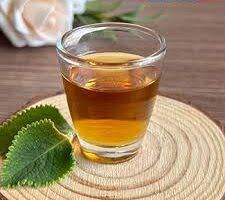
Chromolaena Odorata Tea popularly known as “Awolowo Leave Tea” although not commonly known and enjoyed by a lot of people has its amazing unique health benefits that a whole number of people are not very much aware of.
Siam Weed (Chromolaena odorata) popularly known as Awolowo Leave also called Independence leave is a flowering shrub with amazing healing powers and health benefits which are mostly unknown to mankind due to lack of information about this amazing plant and they belong to the sunflower family.
It was discovered in Nigeria shortly after our Independence from the colonial rule in 1960. Some persons said maybe it was one of God’s way to soothe and heal our pains as a Nation, but I believe it was a beautiful coincidence.
The fact still remains that this plant is a very potent clotting agent as well as a wound healer. The plant is very invasive with amazing healing powers and can sometimes be classified as a grass because of the rate at which it grows. The plant can grow more than 3cm per day in favourable conditions (a potential threat to our crops).
Common name: Siam Weed, bitter bush, Christmas bush, Chromolaena, archangel. camphor grass, common floss flower, communist green.
Botanical name: Chromolaena Odorata.
Local name: acheampong (Ghana) Ewé Akintọla (Akintọla’s leaf) Ewé Awolọwọ (Awolọwọ’s leaf), (Yoruba) Obiara Ohuu, Ewu ata (Igbo) Devil weed (Australia) diabantou (Congo) Sekou you’re (cote d’ivoire) ashoke lata (India), Gautan Kaji (Hausa), Armstrong weed (South Africa) Independence leaf” or “Queen Elizabeth weed”.
Description Siam Weed (Chromolaena odorata) – Awolowo Leaves

- It is a herb, with soft stems and woody base
- The plant is hairy and smells like alcohol when crushed
- The leaves are small, somehow triangular with serated edges
- The flowers are white and forms at the end of the branches
For most of people, perhaps including you, will not be familiar with the name of this leaves. Different than when you see other leaves such as cengkir mango. Moreover, there are many other names for this leaves aside from chromolaena odorata. This healing powers filled plant is actually one of the weeds plants or parasites that comes from the Asteraceae family.
As for the characteristics of the leaves are they comes in the shape of oval and jagged on the edges. Not only that, the leaves have a rather rough texture, different than the other types of leaves. The leaves will have flowers at first and will bloom flowers on every summer season.
Usually, chromolaena odorata can be found on the height from 1000 to 2800 above the sea level. But, it is a different case in Indonesia. In Indonesia, chromolaena odorata as opposite can be found in lowland about 500 above the sea. The plenty of sunlight will contribute to the fast growth of this plant, therefore, the plant will be most-likely slow to grow when it doesn’t get enough light. However, the fast growth of this plant can potentially damage cultivation plants and cost the farmers.
With the last fact being said, it is no surprise that the chromolaena odorata plant usually gets thrown away. But, not much people know that the chromolaena odorata can actually contribute some benefits in the farming sphere. As of the details about the nutrition in the chromolaena odorata leaves are:
Read Also: 15 Healing Powers of Scent Leaf (Ocimmum Gratissimum)
Nutrition Content in Chromolaena Odorata Leaves
Awolowo Leaves contain the following nutrients below:
Phenol
Alkaloids
Triterpenoid
Tannin
Flavonoid
Limonen
With the nutrition contents as mentioned above, the chromolaena odorata then can give benefits to not only farming but also the body’s health. Usually, chromolaena odorata is also used a lot as traditional herb medicines. This has been practiced since a long time ago where people only knew physician and nurses. Because it is very effective to cure many types of disease, the people from back in the day used to plant and grow this leaves a lot.
Here are our detailed articles about the Amazing Health Benefits of Siam Weed (Awolowo Leaves). You can check them out too:
Read Also: 9 Healing Powers of Siam Weed (Awolowo Leaves)
Read Also: 11 Healing Powers of Siam Weed (Awolowo Leaves) Updated
4 Health Benefits of Siam Weed Tea (Awolowo Leaves Tea)
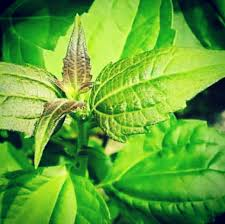
Today, we are going to be discussing about those unknown amazing health benefits of Siam Weed Tea (Chromolaena Odorata Tea or Awolowo Leave Tea).
1) It Decreases the Cholesterol Level
For those of you who wants to decrease the cholesterol level in your body, you can drink the chromolaena odorata brewed water when your cholesterol level is increasing or when you just consumed seafood.
2) Uric Acid Medicine
The chromolaena odorata can also be used as the medicine for chromolaena odorata.
3) It Decreases the Blood Pressure
Not only that it can decrease the cholesterol level, the chromolaena odorata leaves are also capable to decrease your blood pressure. This is especially useful for those of you who have hypertensions.
4) Maintain the Stomach’s Health
The nutrition contents in chromolaena odorata leaves are very good for those of you who suffers stomach-related diseases or nuisances
Bonus Importance: This plant can be used as an organic fertilizer, bio-pesticide, and traditional medicine. These benefits of chromolaena odorata exists because of the nutrients and substances inside the plant itself.
Scientific Evidence and Case Studies on Health Benefits and Uses of Chromolaena odorata Tea
1. Wound healing acceleration: Extracts of Chromolaena odorata promote faster wound contraction, increase collagen synthesis, hydroxyproline levels, and epithelialization in rat excision wound models, demonstrating potent healing properties through antioxidant and anti-inflammatory mechanisms.
2. Antioxidant and free radical scavenging activity: Leaf extracts exhibit strong antioxidant effects with high phenolic and flavonoid content, protecting against oxidative stress and supporting cellular health in various in vitro assays.
3. Antimicrobial and antibacterial effects: Ethanolic and aqueous extracts show significant inhibition against gram-positive and gram-negative bacteria like Staphylococcus aureus, Escherichia coli, Salmonella spp., and Klebsiella spp., with zones of inhibition often surpassing certain antibiotics in studies.
4. Anti-inflammatory and analgesic properties: The plant reduces inflammation and pain in models of chronic neuropathic pain and other conditions, attributed to bioactive compounds inhibiting inflammatory pathways.
5. Potential antidiabetic activity: Extracts demonstrate α-glucosidase inhibition and blood glucose regulation in models, supporting traditional uses for metabolic health and contributing to benefits like cholesterol and blood pressure management.
Nutritional Value Of Health Benefits and Uses of Chromolaena odorata Tea
Chromolaena odorata (leaves, approximate values per 100g dried or as reported in studies) offers these key nutrients and compounds:
1. High in dietary fiber: Contains substantial fiber (around 15-50% in some analyses), supporting digestion, bowel regularity, and potentially aiding in cholesterol reduction and stomach health.
2. Rich in protein: Provides notable protein content (around 18-24%), contributing to nutritional support and tissue repair.
3. Contains carbohydrates: Offers carbohydrates (around 1-31%), providing energy alongside other bioactive elements.
4. Source of minerals: Includes calcium, potassium, iron, magnesium, zinc, manganese, and others for bone health, blood pressure regulation, and metabolic functions.
5. Abundant in phytochemicals: Rich in phenols, flavonoids, alkaloids, tannins, saponins, terpenoids, and steroids that drive antioxidant, anti-inflammatory, and antimicrobial effects.
6. Contains essential oils and other compounds: Features limonen, phenolics, and triterpenoids for therapeutic actions like wound healing and infection fighting.
7. Low moisture and ash content in dried form: Supports preservation while retaining bioactive and mineral richness.
Summary of Health Benefits and Uses of Chromolaena odorata Tea
| Aspect | Key Details |
|---|---|
| Description | Chromolaena odorata, known as Siam Weed, Awolowo Leaf, Independence Leaf, or Christmas Bush, is a fast-growing invasive shrub in the Asteraceae family with hairy stems, serrated triangular leaves, and white flowers; widely used traditionally in Africa and Asia despite being a weed. |
| Nutritional Highlights | High fiber, protein, minerals (Ca, K, Fe, Mg, Zn), carbohydrates; rich in phytochemicals like phenols, flavonoids, alkaloids, tannins, saponins, terpenoids. |
| Health Benefits | Decreases cholesterol levels, reduces uric acid, lowers blood pressure, maintains stomach health; additionally supports wound healing, antioxidant protection, antimicrobial action against infections, anti-inflammatory relief, potential antidiabetic effects, pain relief, and traditional treatment for various ailments. |
| Uses | Brewed as tea (leaves steeped in hot water) for internal benefits like cholesterol, blood pressure, uric acid, and stomach issues; traditional medicine for wounds (crushed leaves/juice applied), skin infections, dysentery, diarrhea, malaria, and more; also as organic fertilizer or bio-pesticide. |
| Preparation | Leaves brewed into tea or “brewed water” for drinking; fresh leaves crushed for topical use. |
| Scientific Support | Evidence for wound healing acceleration, strong antioxidant and antimicrobial activity, anti-inflammatory effects, and potential metabolic benefits from phytochemicals and extract studies. |
| Precautions | Use in moderation; uncontrolled or excessive intake may affect kidney function or cause histological changes in organs; consult healthcare provider, especially for internal use. |
Frequently Asked Questions About Health Benefits and Uses of Chromolaena odorata Tea
1. What is Chromolaena odorata?
Chromolaena odorata, commonly called Siam Weed or Awolowo Leaf, is a tropical shrub traditionally used in herbal medicine despite being an invasive weed.
2. How is Chromolaena odorata tea prepared?
Fresh or dried leaves are steeped or brewed in hot water to make tea, often consumed as “brewed water” for health benefits.
3. Does Chromolaena odorata tea help lower cholesterol?
Yes, traditional use and some evidence suggest it decreases cholesterol levels, particularly after high-fat meals or in cases of elevated cholesterol.
4. Can Chromolaena odorata tea reduce blood pressure?
Yes, it is traditionally used to lower blood pressure in people with hypertension due to its nutrient and phytochemical content.
5. Is Chromolaena odorata good for stomach health?
Yes, its nutrients support stomach health and help with related diseases, including traditional relief for dysentery and digestive issues.
6. Does Chromolaena odorata have wound healing benefits?
Yes, extracts accelerate wound healing, promote collagen synthesis, and act as a clotting agent in studies and traditional applications.
7. Is Chromolaena odorata tea antimicrobial?
Yes, it shows strong antibacterial activity against various pathogens, supporting use against infections.
8. Can Chromolaena odorata help with uric acid issues?
Yes, it is used traditionally as a remedy for high uric acid levels or related conditions.
9. Are there antioxidants in Chromolaena odorata?
Yes, high phenolic and flavonoid content provides potent antioxidant effects to combat oxidative stress.
10. Is Chromolaena odorata tea safe for regular use?
In moderation as tea it is traditionally used, but excessive intake may pose risks like kidney effects; consult a doctor before regular medicinal use.
Do you have any questions, suggestions, or contributions? If so, please feel free to use the comment box below to share your thoughts. We also encourage you to kindly share this information with others who might benefit from it. Since we can’t reach everyone at once, we truly appreciate your help in spreading the word. Thank you very much for your support and for sharing!
Disclaimer: This article is for educational and informational purposes only. The health benefits described are based on scientific research and traditional knowledge. They ayre not a substitute for professional medical advice, diagnosis, or treatment. Always consult a healthcare professional before using any herb or natural remedy for medical purposes.
Read Also: Common Best Foods to Eat and Drink for Indigestion
can I drink to stop excessive and prolonged menstrual bleeding