


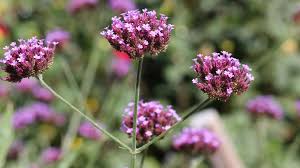
Verbena Officinalis, the common vervain or common verbena, not lemon verbena, is a member of the Verbenaceae family of plants. Vervain and lemon verbena belongs to the same plant family, yet lemon verbena is an entirely different species. Additionally, there are many types of vervain, such as blue vervain (Verbena Hastata) and white vervain (Verbena Urticifolia).
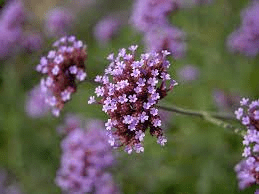
Vervain has what appearance? The plant is a thin perennial with serrated leaves and tiny, pale lilac blooms on leafless spikes. The place where it grows.
Though it has naturalized in various regions of the world, including North America, vervain is most likely native to Europe, specifically the Mediterranean region.
Many various nations and peoples have long held veneration for vervain, including the Druids, Persians, Egyptians, Greeks, Romans, and Scandinavian followers of Thor.
It was regarded as a divine herb in ancient Egypt and was said to have sprung from the goddess Isis’s tears, which she was said to have shed upon the death of the deity Osiris.
Vervain branches were used to purify their temple altars because the Romans and Greeks likewise regarded it as a highly revered and holy plant.
It is also claimed that Hippocrates, a Greek physician, suggested Verbena Officinalis for fever and plague.
Because verbena Officinalis is a known uterine stimulant, it is generally not advised for pregnant women. However, historically, it has been used to induce labor during the final two weeks of pregnancy.
Read Also: 5 Health Benefits of Sassafras (Sassafras albidum)
Only those under the guidance of a qualified practitioner should use Verbena Officinalis if they are expecting or have any chronic medical conditions.
How does vervain appear? It is a thin perennial plant with serrated leaves and tiny, pale lilac blooms on spikes devoid of leaves. Where is it cultivated? Vervain has naturalized in other parts of the world, including North America, but it is most likely native to Europe, specifically the Mediterranean region.
Verbena Officinalis aerial components, or plant parts that grow above the ground, are utilized in medicine. It is recognized that these portions, specifically the leaves and flowers, contain active plant substances like glycosides (verbenin), alkaloids, tannins, bitter principles, and volatile oil. Vervain’s antispasmodic, antipyretic (fever-reducing), and diuretic properties are attributed to these chemical plant components.
Although there are currently no well-established interactions or unfavorable side effects with verbena Officinalis, using it in large doses is not advised. Before combining any drugs with vervain, always consult your doctor.
Medication for high blood pressure is known to be affected by blue vervain (Verbena hastata). Hormone replacement therapy may also be affected. Vomiting and diarrhea will be present at large doses.
Teas are an excellent method to consume herbs in tiny dosages if you’ve never used herbal treatments before. There are numerous alternative ways to get Verbena Officinalis if you don’t like the flavor of the tea. Of course, if you are unclear about how to utilize a herbal cure, always see a specialist.
Read Also: 8 Health Benefits of Parsley (Petroselinum crispum)
4 Health Benefits of Vervain (Verbena Officinalis)
1. Anti-inflammatory
Inflammation, as I frequently point out, is the primary cause of most illnesses. Numerous frequent, persistent, and even serious health issues can be resolved by reducing inflammation in the body. Vervain’s capacity to reduce inflammation both internally and externally ranks among its top advantages.
In published studies, the effects of a variety of vervain extracts (extracted in different ways) when administered orally to animal subjects were examined.
The study’s findings revealed that all vervain extracts “induce a great anti-inflammatory effect.” Additionally, the extracts showed a capacity to lessen gastrointestinal harm.
Another study has been done and demonstrates that topically applying vervain can have both anti-inflammatory and pain-relieving benefits.
2. Reliefs Anxiety
The potential benefits of vervain on the neurological system were examined in research that was published in 2016. Animals were studied in this study.
Vervain’s crude extract was demonstrated to enhance seizure responses. Additionally, it increased the patients’ sleep duration while reducing the time it took them to fall asleep.
The study’s findings suggest that Verbena Officinalis exhibit anticonvulsant, anxiolytic and sedative actions, which gives scientific support for its medical application in various neurological illnesses, such as epilepsy, anxiety, and sleeplessness.”
Read Also: 5 Health Benefits of St. John’s Wort (Hypericum perforatum)
3. Strengthens Teeth Gum
Vervain has been used for centuries to enhance gum health. The early Celtic people, for instance, used it in a mouthwash to treat their gum issues.
1 cup of boiling water should be added to 2 tablespoons of vervain. Wait for it to cool down after letting it steep (much like a cup of tea). After that, you can use it as a mouthwash.
Does using a vervain mouthwash to improve gum health have any scientific support? There is, in fact. A vervain decoction (basically a vervain mouthwash) was tested on patients with chronic generalized gingivitis, a type of gum disease, in a double-blind, randomized clinical trial that was published in 2016. The participants all flossed and brushed their teeth.
The test group also used vervain mouthwash to clean their mouths. Impressive improvements were made by the vervain test group on both the Gingival Index (GI) and Plaque Index (PI), which is good news because lower scores on these indices indicate healthier gums.
Overall, the findings showed the researchers that vervain might treat chronic generalized gingivitis without causing any adverse consequences.
4. Antibacterial
According to studies, the herb Verbena Officinalis has both antibacterial and antimicrobial properties. While an antimicrobial material can kill and stop the transmission of bacteria, fungi, and some viruses, an antibacterial substance can either stop the growth of bacteria or kill them.
Vervain essential oil was investigated as a potential substitute for conventional chemical pesticides in a scientific study that was published in 2016. They discovered that, in a dose-dependent manner, the essential oil of vervain was effective in inhibiting the growth of some particular undesirable plant and human diseases.
Since antibiotic resistance is a growing issue in society today, scientists must investigate natural antibiotic alternatives.
Another investigation conducted in 2017 looked at the therapeutic effects of mixing four herbs, including vervain, with medicines to treat methicillin-resistant Staphylococcus aureus (MRSA).
Although more research is required, the researchers discovered that Verbena officinalis is an antibiotic and antibacterial herb that contains bioactive components that may have the potential in aiding in the fight against drug-resistant diseases like MRSA.
Scientific Evidence and Case Studies on Vervain (Verbena officinalis)
1. Anxiety and Sedation: A study conducted by Khan et al. evaluated the anxiolytic and sedative effects of Verbena officinalis extract in mice. The results showed that the extract significantly increased the time spent in open arms during the elevated plus-maze test and prolonged sleep duration induced by diazepam, suggesting it possesses potent calming properties likely mediated through the GABAergic system.
2. Anti-Inflammatory and Analgesic Activity: Research by Calvo et al. investigated the topical anti-inflammatory and pain-relieving activity of vervain extracts. The study found that the extracts significantly reduced edema (swelling) and inhibited the pain response in animal models, attributing these effects to the presence of iridoid glycosides and phenylpropanoids within the plant.
3. Anticonvulsant Effects: An investigation by Rashidi et al. examined the anticonvulsant activity of Verbena officinalis leaf extract in mice with chemically induced seizures. The findings demonstrated that the extract significantly delayed the onset of seizures and reduced their duration, indicating its potential potential as a supportive treatment for neurological conditions like epilepsy.
4. Wound Healing: A study by Casanova et al. assessed the wound-healing potential of vervain extract on fibroblast cells. The research revealed that the extract stimulated cell proliferation and migration, key processes in tissue repair, confirming the traditional use of the herb for treating minor wounds and skin abrasions.
5. Antibacterial Properties: Research by Hernandez et al. analyzed the antimicrobial efficacy of vervain extracts against various bacterial strains. The data indicated that the extract exhibited significant inhibitory activity against Gram-positive bacteria, particularly Staphylococcus aureus, suggesting its utility as a natural antiseptic agent.
Nutritional Value Of Vervain (Verbena officinalis)
1. Verbenalin:
This iridoid glycoside is one of the primary active compounds in vervain. It is largely responsible for the herb’s sleep-promoting effects, as it helps to soothe the nervous system and induce relaxation.
2. Verbascoside: A powerful phenylpropanoid glycoside found in the plant. Verbascoside acts as a potent antioxidant and anti-inflammatory agent, helping to scavenge free radicals and protect cells from oxidative stress and damage.
3. Hastatoside: Similar to verbenalin, hastatoside is an iridoid that contributes to the herb’s sedative properties. It is often cited as a key component in the plant’s ability to aid in deep, restorative sleep.
4. Flavonoids (Luteolin): Vervain is rich in flavonoids such as luteolin. These compounds function as antioxidants and have been shown to possess neuroprotective and anti-inflammatory properties, supporting overall brain health.
5. Tannins: The aerial parts of the plant contain tannins, which provide astringent qualities. These compounds help tighten tissues and reduce inflammation in mucous membranes, making vervain useful for sore throats and digestive issues.
6. Mucilage: Vervain contains mucilage, a soluble fiber that becomes gel-like when mixed with water. This provides a soothing, demulcent effect on the lining of the throat and stomach, helping to alleviate irritation and coughs.
7. Triterpenoids: The plant contains triterpenoids like ursolic acid. These compounds are known for their anti-inflammatory and hepatoprotective (liver-protecting) activities, supporting the body’s natural detoxification processes.
Frequently Asked Questions About Vervain (Verbena officinalis)
1. Is Vervain the same as Lemon Verbena?
No, Verbena officinalis (Common Vervain) is a bitter herb used medicinally, while Aloysia citrodora (Lemon Verbena) is aromatic and used primarily for flavor and scent.
2. Does vervain help with sleep?
Yes, it contains compounds like verbenalin that have sedative properties, making it a popular natural remedy for insomnia and restlessness.
3. Is vervain safe during pregnancy?
No, vervain is a known uterine stimulant and was traditionally used to induce labor, so it should be avoided during pregnancy to prevent miscarriage or preterm labor.
4. What does vervain tea taste like?
Common vervain tea has a very bitter and earthy taste, so it is often blended with mint, honey, or other flavorful herbs to make it more palatable.
5. Can vervain help with mood swings?
Yes, it is considered a nervine tonic that supports the nervous system and is traditionally used to treat mild depression, anxiety, and stress-related tension.
6. Does vervain interact with blood pressure medication?
Yes, high doses of vervain may interfere with blood pressure regulation and medications, so it is important to consult a doctor before use.
7. How is vervain used for gum health?
Due to its astringent tannin content and anti-inflammatory properties, it is often used as a mouthwash to treat bleeding gums and gingivitis.
8. Is vervain toxic to pets?
While not highly toxic, ingestion of large amounts can cause stomach upset in pets; it is distinct from “purple verbena” garden flowers, some of which can be more toxic.
Read Also: 5 Health Benefits of Stinging Nettle (Urtica Dioica)
Do you have any questions, suggestions, or contributions? If so, please feel free to use the comment box below to share your thoughts. We also encourage you to kindly share this information with others who might benefit from it. Since we can’t reach everyone at once, we truly appreciate your help in spreading the word. Thank you very much for your support and for sharing!
Disclaimer: This article is for educational and informational purposes only. The health benefits described are based on scientific research and traditional knowledge. They ayre not a substitute for professional medical advice, diagnosis, or treatment. Always consult a healthcare professional before using any herb or natural remedy for medical purposes.
Read Also: How to Make an Avocado Tree Bear Fruit