


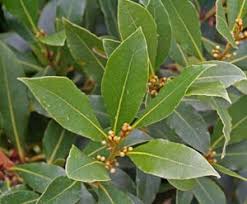
Bay leaves scientifically known as Laurus nobilis, is a perennial shrub and a member of the laurel family (Lauraceae). It has grown all over Europe, as well as in tropical, subtropical, and Asian nations. For thousands of years, it has been utilized in traditional medicine, essential oil uses, and food flavoring.
The evergreen plants in the Lauraceae plant family are the ones that produce bay leaves. The leaves from these plants have a pleasant perfume and can be utilized in cooking and other ways.
Laurus nobilis (Bay leaf) can be purchased whole/fresh, dried, or powdered and the type of bay leaves most frequently used is Turkish. They are cultivated on the historic Laurus nobilis tree, which is indigenous to the Mediterranean region.
The baby leaf has a mildly flowery and herbal scent, as well as a little bitter flavor. The plant’s essential oil, which makes up around 2% of the plant’s total weight, is what gives the aroma and flavor.
Recipes for soups and sauces frequently call for bay leaves, although most commonly the instructions state to remove the leaves before consuming. Are bay leaves edible, and if so, do they have any health advantages?
Laurus nobilis has been used for thousands of years to flavor food as well as for medical purposes.
You can also find a bay leaf in cosmetics, soaps, and detergents because it is used in cooking to give meats, soups, and stews a distinct, savory flavor or fragrance. It is also a component of the cologne known as bay rum.
Read Also: 6 Amazing Health Benefits of Basil (Ocimum basilicum)
Indeed, the bay leaf has some remarkable health advantages, including the ability to lessen gas and bloating and protect cells from free radical damage.
Bay leaf isn’t always consumed; it can also be slowly infused to flavor tea or sauces, burned for its aroma, and used in other ways. It is said to have a stronger aroma than taste.
The dried form of the full leaf is typically used in cooking, although the leaf is typically taken out of dishes before serving.
The whole leaves are removed from recipes like sauces, rice dishes, and soups before serving since they pose a choking risk, even if their flavor is still present in the food.
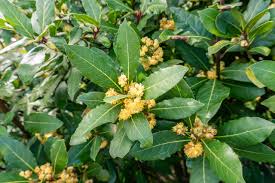
Bay leaves (Laurus nobilis) are 5 to 10 cm in length, elliptic to oval in form, and taper to a tip. These short-stemmed, dark-green leaves have a light-green underside and are smooth with a glossy shine when they are young.
When the leaves are dried, they develop an ashy, olive-green tint, a brittle texture, and jagged, slightly curled edges.
A woodsy scent of balsam and honey with traces of nutmeg, clove, and pepper emanates from bay leaves. The menthol and eucalyptus scents are also strongly released while crushing the dried leaves.
Bay leaves have an initial flavor that is astringent, and bitter and has a lingering menthol and eucalyptus bite.
Read Also: Bay Leaf – Importance and Health Benefits
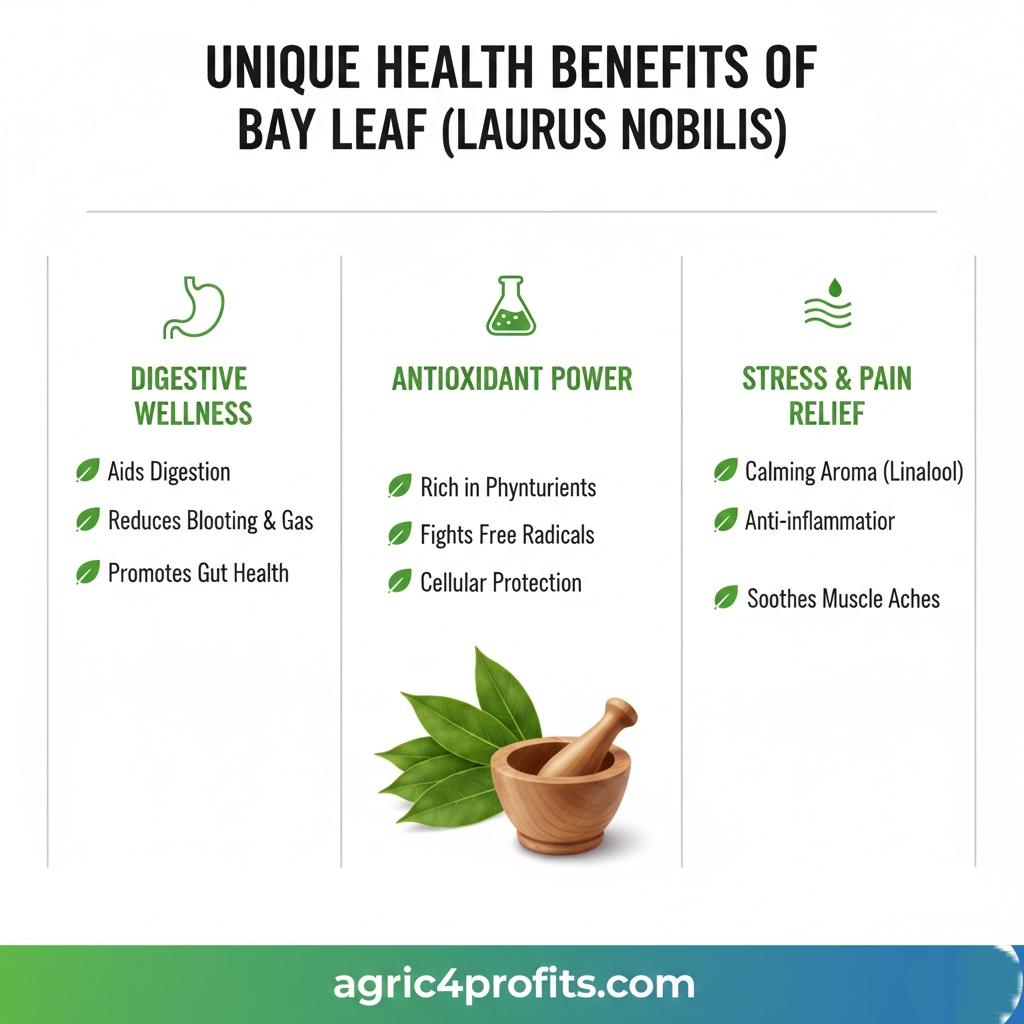
5 Health Benefits of Bay Leaves (Laurus nobilis)
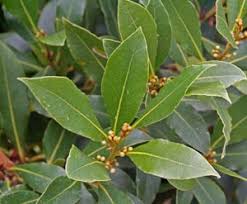
The following are the five (5) unique health benefits of Bay Leaves (Laurus nobilis);
Especially high in vitamins A and C are bay leaves. Additionally, the leaves are rich in riboflavin, pantothenic acid, pyridoxine, niacin, folic acid, and niacin.
The leaves also contain trace levels of several minerals, such as copper, potassium, calcium, manganese, iron, selenium, zinc, and magnesium. The leaves have a strong eucalyptus and menthol aroma because they contain large amounts of the essential oils cineol and eugenol.
The high concentrations of these oils in the leaves have led to their usage as a remedy for throat and cough discomfort, colic, and stomach ulcers. In the past, the leaves were also used to cure insect bites and as a mosquito repellant.
1. Wound Healing Benefits
Studies have demonstrated that bay leaf possesses antifungal effects.
One study that was published in the Archives of Oral Biology showed how bay Laurel essential oil protected against candida.
Bay laurel is a fantastic addition to a candida diet since it disturbed the adhesion of candida to cell walls in the study, decreasing its capacity to enter the membrane.
In animal experiments, bay leaf has also been utilized as an extract and in a poultice to aid in wound healing in addition to combating candida.
Although the bay Laurel extract did not promote faster or more complete wound healing than the Allamanda cathartica L. extract, it did do so better than the control group.
2. Fights Cancer
The Laurus nobilis plant’s leaves and fruits are able to fight breast cancer, according to research on the usage of bay leaf extract.
By contrasting cells that were stimulated with the extracts and those that weren’t, the study identified the bay leaf as a promising natural agent for the treatment of breast cancer.
Induced cells experienced cell death, suggesting that bay leaf may be used as a natural cancer treatment.
Bay leaf extracts were tested in vitro for their ability to inhibit the growth of colon cancer cells.
Results showed the potential for colon cancer-regulating capabilities, indicating relevance to the prevention of colorectal cancer during the early stages of detection by adopting a process of adding substances, such as a bay leaf, into the diet.
Read Also: 9 Healing Powers of Bay Leaf Plant (Laurus nobilis)
3. Aids In Digestion
By protecting against stomach damage and encouraging urine, which aids in the body’s disposal of toxins and the health of the kidneys, bay leaves may have an effect on the digestive system.
Bay leaves include a number of chemical compounds with enzymes that may also soothe upset stomachs, prevent kidney stones, and lessen symptoms of irritable bowel syndrome including gas and bloating.
Bay leaf preparations have occasionally been reported to lessen stomach ulcer symptoms.
Overall, the plant appears to reduce stomach discomfort by improving digestion, battling certain bacteria that can cause ulcers (such as Helicobacter pylori), and promoting nutrient absorption.
4. For Anxiety And Stress
Always anxious? If so, you should be aware that linalool, a substance found in bay leaves, helps reduce stress and anxiety levels in the body. Additionally, it possesses calming natural properties that might aid in relaxation and lower the risk of depression.
5. Fights Against Fungal Infections
It has been demonstrated that bay leaf possesses antifungal qualities that can help treat fungus-related diseases. These qualities, together with the vitamin C concentration, can shield the skin against irritants and infections of any kind.
Read Also: Boldo (Peumus boldus Mol.) – Importance and Health Benefits
Nutritional value of Bay Leaf (Laurus nobilis)
1. Vitamin A: Bay leaf provides 6185 international units per 100 grams, which is about 206% of the daily value, supporting vision health, immune function, and skin maintenance by acting as a powerful antioxidant.
2. Vitamin C: Containing approximately 46.5 milligrams per 100 grams, equivalent to 77.5% of the recommended daily allowance, this nutrient boosts immunity, aids collagen production, and protects against oxidative stress.
3. Iron: With 43 milligrams per 100 grams, offering 538% of the daily value, iron in bay leaf is crucial for hemoglobin formation, oxygen transport in the blood, and preventing fatigue or anemia.
4. Calcium: Bay leaf supplies 834 milligrams per 100 grams, about 83% of the daily value, essential for bone and teeth strength, muscle function, and nerve transmission.
5. Potassium: Providing 529 milligrams per 100 grams, potassium helps regulate blood pressure, maintain fluid balance, and support heart and muscle contractions.
6. Magnesium: Around 120 milligrams per 100 grams are found in bay leaf, contributing to energy production, muscle relaxation, and bone health while acting as a cofactor in numerous enzymatic reactions.
7. Manganese: Bay leaf contains about 8.17 milligrams per 100 grams, aiding in metabolism, bone development, and antioxidant defense against free radicals.
8. Dietary Fiber: With roughly 26.3 grams per 100 grams, fiber promotes digestive regularity, helps control blood sugar levels, and supports heart health by lowering cholesterol.
9. Protein: Offering 7.61 grams per 100 grams, protein in bay leaf provides amino acids necessary for tissue repair, enzyme production, and overall body maintenance.
10. Fat: Bay leaf has 8.36 grams per 100 grams, mainly healthy unsaturated fats that support cell structure and absorption of fat-soluble vitamins.
Scientific Evidence and Case Studies on Bay Leaf (Laurus nobilis)
1. Khan et al. (2009): In a study of 40 type 2 diabetes patients, consuming 1-3 grams of powdered bay leaf daily for 30 days significantly reduced fasting blood glucose, total cholesterol, LDL cholesterol, and triglycerides while increasing HDL cholesterol.
2. Aljamal (2010): A trial involving 45 type 1 diabetes patients showed that 3 grams of bay leaf powder per day for 30 days lowered fasting blood glucose, total cholesterol, and LDL cholesterol, with an increase in HDL levels.
3. Khalil et al. (2024): In a dextran sodium sulfate-induced colitis rat model, 2-3% bay leaf supplementation reduced colon inflammation, improved gut barrier integrity, modulated microbiota by increasing beneficial bacteria like Bifidobacteria, and boosted anti-inflammatory short-chain fatty acid production.
4. Al-Mammori et al. (2025): The ethanolic leaf extract demonstrated anticancer effects with low IC50 values against head and neck, ovarian, and colorectal cancer cell lines, inducing apoptosis and cell cycle arrest while showing low toxicity to normal cells.
5. Mohammed et al. (2021): In streptozotocin-induced diabetic rats, bay leaf extract reduced blood glucose, restored pancreatic islet regeneration, normalized liver enzymes like AST and ALT, and improved overall vital organ histology.
6. Brinza et al. (2021): Bay leaf incense in scopolamine-induced amnesic rats improved memory by restoring cholinergic function and enhancing brain antioxidant status, reducing oxidative stress markers.
7. Nayak et al. (2006): In rat models, bay leaf extracts accelerated wound healing by promoting tissue regeneration and reducing healing time compared to controls.
8. Chbili et al. (2020): A trial with 30 healthy volunteers consuming bay leaf tea for 10 days showed no significant changes in blood glucose or lipids but a notable decrease in serum urea levels.
Frequently Asked Questions About Bay Leaf (Laurus nobilis)
1. What are some unique health benefits of bay leaf? Bay leaf may uniquely support blood sugar regulation in diabetes, reduce inflammation in gut disorders, and promote wound healing due to its bioactive compounds like eugenol and cineole.
2. Can bay leaf help with diabetes management? Yes, studies indicate it lowers fasting blood glucose and improves lipid profiles in both type 1 and type 2 diabetes patients.
3. Does bay leaf have anti-inflammatory properties? Bay leaf reduces inflammation, particularly in colitis models, by modulating gut microbiota and increasing anti-inflammatory fatty acids.
4. Is bay leaf beneficial for cancer prevention? Preliminary research shows its extracts induce apoptosis in cancer cells like those in ovarian and colorectal types, though more human studies are needed.
5. How does bay leaf support digestive health? It aids digestion by relieving gas, bloating, and diarrhea through its carminative effects and enzyme stimulation.
6. Can bay leaf improve memory or brain health? In animal models, bay leaf has shown potential to enhance memory and reduce oxidative stress in the brain.
7. What are the potential side effects of bay leaf? Generally safe in culinary amounts, but high doses may cause drowsiness or interact with medications; avoid whole leaves to prevent choking.
8. How can I use bay leaf for health benefits? Add dried or fresh leaves to soups, teas, or meals; for targeted use, consider extracts after consulting a healthcare provider.
9. Does bay leaf support heart health? It may lower cholesterol and triglycerides while raising HDL, contributing to better cardiovascular function.
10. Is bay leaf good for skin or wounds? Its extracts promote faster wound healing and have antimicrobial properties that can help with skin infections.
Do you have any questions, suggestions, or contributions? If so, please feel free to use the comment box below to share your thoughts. We also encourage you to kindly share this information with others who might benefit from it. Since we can’t reach everyone at once, we truly appreciate your help in spreading the word. Thank you very much for your support and for sharing!
Disclaimer: This article is for educational and informational purposes only. The health benefits described are based on scientific research and traditional knowledge. They ayre not a substitute for professional medical advice, diagnosis, or treatment. Always consult a healthcare professional before using any herb or natural remedy for medical purposes.
Read Also: How Waste Papers, Metals, Woods, Glasses, and Plastics are Recycled