


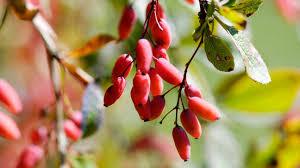
Barberry (Berberis vulgaris), is very medicinal. As a result, it might be helpful in the management of hypertension, tachycardia (fast heartbeat), and some neurological disorders such as convulsions and epilepsy. Barberry may help prevent some cancers due to its antioxidant characteristics, according to recent studies.
A species of evergreen shrubs known as barberries are well-liked for beautification and therapeutic uses alike. A number of barberry species feature thorns or spines in addition to their distinctive rectangular, bright-red fruit.
Most of the planet, including South America, Asia, Europe, Africa, and North America, has native barberry species.
Although it is also known as European barberry, the well-known species of barberry is Berberis vulgaris, which is also widespread in North Africa, the Middle East, and Central Asia.
It was also introduced to North America. When hunting for barberry to use in herbal medicine, you’ll typically discover it.
For countless years, barberry has been a component of traditional herbal medicine. It contains berberine, which boosts your immune system and prevents the growth of bacteria.
Barberry or Berberis vulgaris has numerous health advantages outside of just infection prevention. Additionally, it supports a healthy liver and lowers your risk of heart disease in a variety of ways. It also helps with digestive tract issues.
Barberry appears to have no adverse side effects, which is an extra plus and makes it a desirable prospective treatment for illnesses like diabetes and heart disease.
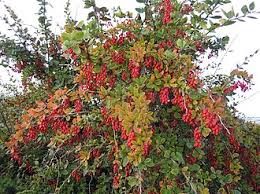
Up to 4 meters (13 feet) high, it is a deciduous shrub. The leaves are tiny ovals, 2-5 centimeters (34-2 inches) long, 1-2 centimeters (12-34 in) broad, and have a serrated margin.
They are produced in clusters of 2-5 together, and a three-branched spine, measuring 3-8 millimeters (18-516 in) long, covers the clusters. On 3-6 cm (1+18-2+38 in) long panicles, the late spring flowers are yellow and are 4-6 mm (18-14 in) in diameter.
The fruit matures in the late summer or early fall and is an oblong, crimson berry that is 7–10 mm (1–4–38 in) long and 3-5 mm (1–8–16 in) broad.
Read Also: Berberine – Importance and Health Benefits
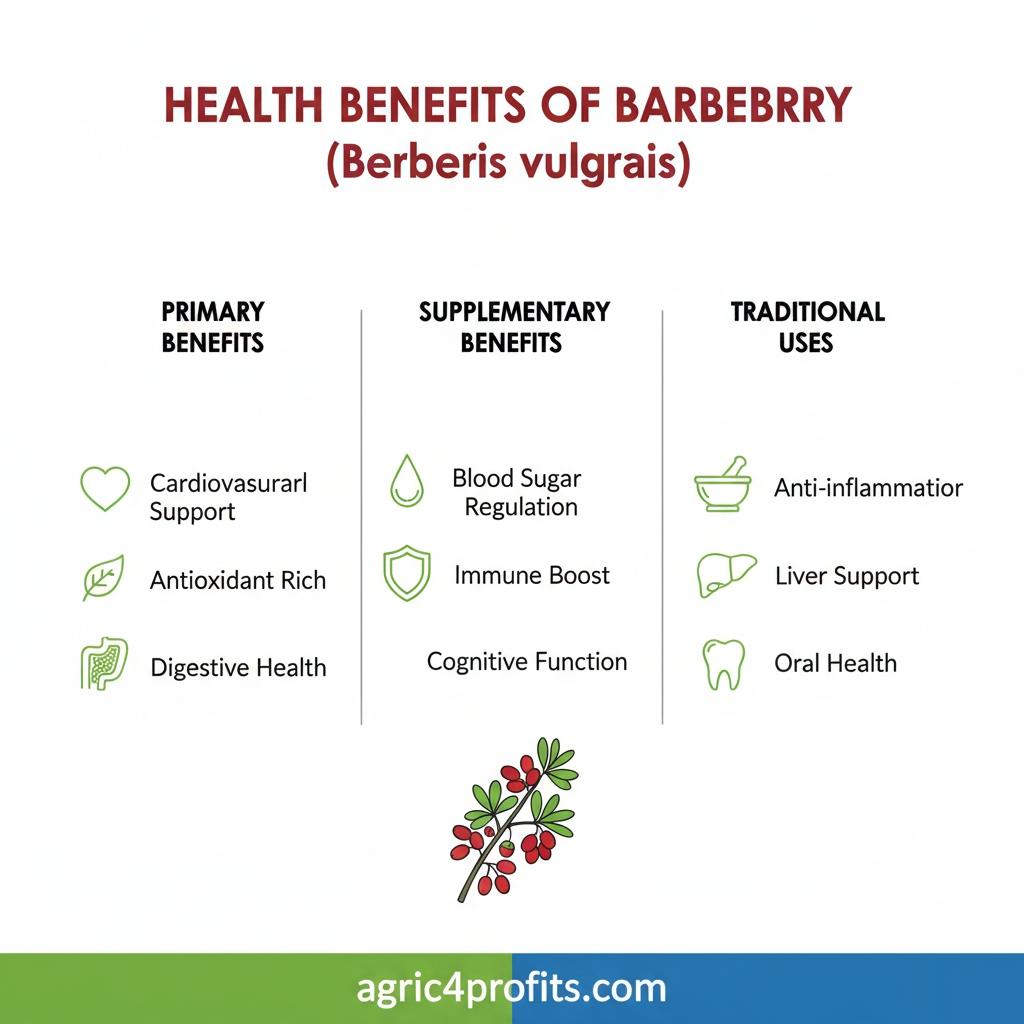
7 Health Benefits of Barberry (Berberis vulgaris)
The following are the seven (7) amazing health benefits of barberry (Berberis vulgaris);
1. Helps Fight Infections
Numerous studies have demonstrated the powerful antibacterial and antifungal activities of the berberine present in barberries. Preventing germs from sticking to human cells, helps in the prevention of many infections.
Numerous bodily illnesses and inflammatory diseases are treated with barberry. It addresses bladder, urinary tract, and gastrointestinal infections.
It also helps to alleviate common respiratory illnesses like bronchitis, sinusitis, sinus pressure, and sore throat. Utilizing this herb may be beneficial for treating candida infections.
2. Aids The GT Tract
Berberine helps to enhance digestion and lessen gastrointestinal discomfort by acting on the smooth muscles that line the intestines. Even diarrhea, especially those brought on by food poisoning and traveler’s diarrhea, can be effectively treated with barberry.
According to a few studies, it treats digestive issues more quickly than antibiotics, most likely because of its astringent characteristics.
Berberine treats bacterial diarrhea without causing any adverse side effects, according to studies like the one that was published in the Journal of Infectious Diseases.
3. Prevents And Helps Diabetes
Barberry is a great option to prevent and treat diabetes because it has been shown to positively impact blood sugar levels.
In research on berberine, the common diabetic medication metformin was put up against consuming 500 milligrams of this barberry-derived substance twice or three times each day for three months.
Researchers referred to berberine as a “potent oral hypoglycemic drug” since it was as effective as metformin at controlling blood sugar and lipid metabolism.
Additional research has revealed that berberine corrects issues with lipid and glucose metabolism. Adipokine (cell-signaling proteins) secretion can be altered by berberine, according to a study published in Evidence-Based Complementary and Alternative Medicine.
Insulin resistance and inflammation have been demonstrated to be mediated by adipokines.
Read Also: Barberry (Berberis vulgaris): Importance and Health Benefits
4. Heart Health
The Berberis species of plants offer a wide range of documented medical benefits when it comes to heart health, including its ability to reduce hypertension and treat ischemic heart disease, cardiac arrhythmias, and cardiomyopathy.
Atrial fibrillation, which frequently results in inadequate blood flow, is an irregular, frequently fast heartbeat.
Atrial fibrillation has been successfully treated using a variety of complementary and alternative therapies, such as yoga, acupuncture, biofeedback, and herbal supplements like barberry.
According to a 2015 study, the biochemical action of the active alkaloid in barberries, berberine, causes the heart’s effective refractory period to be prolonged, which reduces atrial fibrillation.
The results of the study show that berberine is a class IA or class III anti-arrhythmic drug, but no comprehensive human studies have been done to determine how well it treats atrial fibrillation or atrial flutter.
5. For Digestive Health
The foundation of robust health is a strong digestive system, which enables the body to effectively absorb nutrients and eliminate waste. Barberry Root, a “bitter herb,” has been utilized for a long time to maintain this vulnerable system.
The bitter alkaloids in this herb stimulate and control the digestive system and help to secrete bile, which is beneficial for the health of the liver. Barberry is extremely useful for constipation since it contains berberine, a moderate purgative.
According to studies, barberry treats gastrointestinal issues better than antibiotics, probably because of its astringent properties. Additionally, it has been demonstrated to eliminate bacterial diarrhea without causing any adverse effects.
Read Also: 7 Health Benefits of Berberine (Berberine hydrochloride)
6. Bladder And Urinary Health
The traditional usage of this herb to treat bacterial urinary tract infections is supported by the fact that the berberine present in barberry root bark has a potent antibacterial effect.
According to current research, berberine’s ability to prevent bacterial adherence to uroepithelial cells makes it helpful for treating UTIs (the cells lining the surface of the urinary bladder).
It has been discovered that barberry works very well in preventing E Coli from adhering to urinary tract cells. Barberry’s anti-inflammatory properties will also calm an irritated urinary system.
The berries of the barberry plant have a high vitamin C content and are naturally diuretic. The diuretic action helps the body eliminate bacteria, while the vitamin C concentration helps and strengthens the immune system’s defenses against infection.
7. Immune System
Berberine, a plant alkaloid that is particularly potent in barberry bark and is also present in goldenseal, is what gives the herb many of its health benefits.
By triggering the macrophages that eat harmful microorganisms, berberine has been shown to boost the immune system. Natural antiviral, antifungal, and antibacterial properties include berberine in particular, which has been shown to prevent bacteria from adhering to human cells.
Read Also: Basil (Ocimum Basilicum) – Importance and Health Benefits
Nutritional value of Barberry (Berberis vulgaris)
1. Vitamin C: Barberry contains approximately 24 milligrams per 100 grams in fresh form, serving as a powerful antioxidant that supports immune function, collagen synthesis, and protection against cellular damage from free radicals.
2. Iron: With about 1.5 milligrams per 100 grams, iron in barberry aids in oxygen transport in the blood, helps prevent anemia, and supports energy production at the cellular level.
3. Zinc: Barberry provides around 0.5 milligrams per 100 grams, which is crucial for immune system strength, wound healing, and DNA synthesis.
4. Copper: Offering roughly 0.3 milligrams per 100 grams, copper in barberry contributes to red blood cell formation, nerve function, and antioxidant defense.
5. Manganese: With approximately 0.4 milligrams per 100 grams, this mineral supports bone health, metabolism of carbohydrates and cholesterol, and acts as an antioxidant.
6. Dietary Fiber: Barberry has about 3 grams per 100 grams in dried form, promoting digestive health, aiding in blood sugar control, and supporting heart health by lowering cholesterol.
7. Protein: Containing around 2 grams per 100 grams, protein in barberry provides essential amino acids for tissue repair and enzyme production.
8. Carbohydrates: With approximately 16 grams per 100 grams, carbohydrates serve as a primary energy source and contribute to the fruit’s natural sweetness.
9. Fat: Barberry includes about 1.16 grams per 100 grams, consisting mainly of healthy unsaturated fats that support cell membrane integrity.
10. Potassium: Providing roughly 200 milligrams per 100 grams, potassium helps regulate blood pressure, fluid balance, and muscle contractions.
Scientific Evidence and Case Studies on Barberry (Berberis vulgaris)
1. Kalmarzi et al. (2019): This review of in vivo and in vitro studies showed barberry and berberine reduce inflammatory cytokines like TNF-α and IL-1, inhibit NF-κB pathways, and modulate immune responses by shifting toward Th2 cells, offering benefits in reducing inflammation and supporting immunity in models of colitis, arthritis, and autoimmune diseases.
2. Usama et al. (2025): In a comprehensive analysis, barberry demonstrated antioxidant activity with 88.9% radical scavenging, anti-inflammatory effects reducing edema by 30-68%, antimicrobial action against bacteria like E. coli, and anticancer properties inducing apoptosis in breast and liver cancer cells.
3. Kermani et al. (2020): A randomized clinical trial with 60 participants found that 550 mg daily barberry tablets significantly lowered systolic blood pressure, waist circumference, hematocrit, and serum cholesterol levels in patients with metabolic syndrome components.
4. Emamat et al. (2022): In an 8-week randomized controlled trial involving 50 subjects with cardiovascular risk factors, 10 grams of dried barberry daily reduced triglycerides, total cholesterol, LDL-C, and C-reactive protein, improving lipid profiles and decreasing systemic inflammation.
5. Atefi et al. (2021): A systematic review and meta-analysis of randomized trials concluded that while barberry supplementation showed no significant overall effect on blood pressure, some individual studies indicated potential benefits, recommending further research.
6. Yin et al. (2008): A 3-month study in 36 adults with type 2 diabetes revealed that 1.5 grams of berberine from barberry daily reduced hemoglobin A1c by 2%, comparable to metformin, aiding in blood sugar management.
7. Lazavi et al. (2018): An 8-week trial with 30 type 2 diabetes patients showed that 2 milligrams of dried barberry extract daily lowered hemoglobin A1c and fasting blood sugar levels compared to placebo.
8. Makvandi et al. (2013): In a study of 45 boys aged 11-12, barberry extract dental gel applied for 21 days significantly reduced plaque and gingivitis, highlighting its anti-inflammatory benefits for oral health.
Frequently Asked Questions About Barberry (Berberis vulgaris)
1. What are the primary health benefits of barberry? Barberry may help manage diabetes by lowering blood sugar, improve cholesterol levels, reduce inflammation, and support digestive health due to its berberine content and antioxidants.
2. Can barberry aid in weight management? Some studies suggest it reduces waist circumference and supports metabolic health, potentially helping with weight control when combined with diet and exercise.
3. Is barberry effective for heart health? Yes, it can lower triglycerides, cholesterol, and blood pressure in some cases, contributing to better cardiovascular function.
4. Does barberry have anti-inflammatory properties? Barberry reduces inflammatory markers like CRP and cytokines, making it useful for conditions involving inflammation.
5. Can barberry help with diabetes? Research shows it improves insulin sensitivity and reduces hemoglobin A1c, aiding blood sugar control in type 2 diabetes.
6. Is barberry good for skin or acne? Its anti-inflammatory and antimicrobial effects may help fight acne by reducing lesions and inflammation.
7. What are potential side effects of barberry? In high doses, it may cause stomach upset or diarrhea; avoid during pregnancy, breastfeeding, or in children due to berberine content.
8. How can I incorporate barberry into my diet? Use dried berries in teas, sauces, or as a spice; supplements are available, but consult a doctor for dosage.
9. Does barberry support immune function? Its vitamins like C and minerals like zinc bolster immunity and provide antimicrobial benefits against infections.
10. Can barberry treat diarrhea? Berberine in barberry slows gut motility and fights bacterial causes, helping alleviate diarrhea symptoms.
Do you have any questions, suggestions, or contributions? If so, please feel free to use the comment box below to share your thoughts. We also encourage you to kindly share this information with others who might benefit from it. Since we can’t reach everyone at once, we truly appreciate your help in spreading the word. Thank you very much for your support and for sharing!
Disclaimer: This article is for educational and informational purposes only. The health benefits described are based on scientific research and traditional knowledge. They ayre not a substitute for professional medical advice, diagnosis, or treatment. Always consult a healthcare professional before using any herb or natural remedy for medical purposes.
Read Also: Ways to Make Money from Paint Recycling