


Cilantro scientifically known as Coriandrum sativum also called coriander or Chinese parsley is a widely used plant that at first looks resembles flat-leaf parsley yet instantly transports you to the Mediterranean, Mexico, Asia, and India when you first smell it. Without the use of sea salt or other seasonings, it adds a fresh flavor boost.
This adaptable herb can be found in guacamole, salsa, curries, noodle meals, and Argentinian chimichurri sauces. In addition to cilantro’s countless culinary uses, many people are surprised to learn that it also has numerous documented medicinal advantages for the body.
Its adaptability contributes to one of its distinctive qualities. Although it is leafy and green, it gives meals a light, almost lemony flavor. After it blooms, it makes seeds and the flavor of the leaves gets stronger.
Additionally, the coriander seeds it produces have their own health advantages. Coriander, while still having a citrus flavor, has a warm, almost nutty flavor that makes it the ideal addition to pickles, sausages, and pieces of bread. It also makes it one of the main ingredients in garam masala.
Although cilantro has many advantages, people have quite different opinions about it. While some people adore its crisp flavor, others think that it has a soapy aftertaste that they don’t care for.
Its abundance in micronutrients, antioxidants, and other medicinal substances, regardless of which end of the spectrum you fall on, cannot be disputed. These substances can have a significant impact on general health.
What effects does cilantro have on your body, then? The potential health advantages and negative effects of cilantro will be examined in this article, along with several simple methods for including it in your diet on a regular basis.
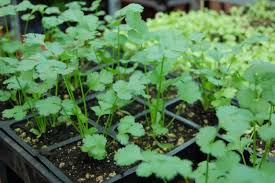
Cilantro is made up of tiny leaves that are affixed to long, lean green stems. The size of the leaves varies, with the base leaves being larger and the upper stem leaves being smaller and more fragile.
The dark green leaves typically have feathery, serrated edges, smooth and crisp texture, and are large, flat, and deeply lobed. Along with the leaves, the pale green stems also have a crisp, succulent texture and are tasty.
Cilantro tastes earthy, herbaceous, and bright, grassy, with a sweet, vegetal, and pungent scent. Some people find cilantro to have an acrid and disagreeable soapy taste, and the leaves frequently have peppery, acidic, and citrus-like undertones.
Read Also: 8 Health Benefits of Boldo (Peumus boldus)
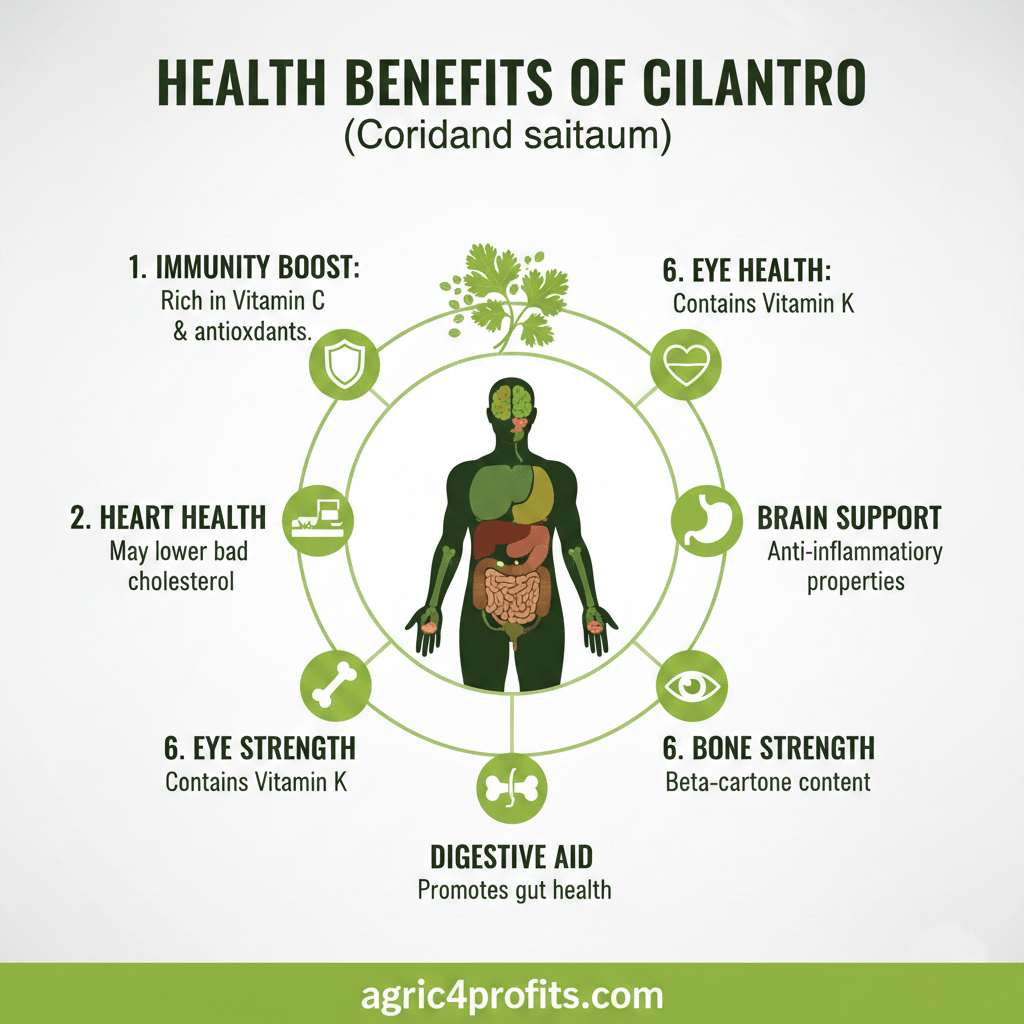
7 Health Benefits of Cilantro (Coriandrum sativum)
1. Removes Heavy Metal From The Human Body
Our tissues may accumulate arsenic, cadmium, aluminum, lead, and mercury over time. Heart problems, hormonal abnormalities, neurological issues, infertility, and a host of other disorders can result from this.
It has been demonstrated that cilantro, also known scientifically as “Coriandrum sativum,” binds these harmful metals together, releasing them from tissue and promoting their removal from the body.
Coriandrum sativum greatly reduced lead-induced oxidative stress in an animal model, and it actually sped up the body’s clearance of heavy metals, according to another study.
The herb was employed in this trial to assist in removing tenacious heavy metal deposits that persisted in patients long after the initial illness symptoms had subsided.
2. Fights or Prevent Oxidative Stress
Numerous degenerative disorders, including some forms of cancer, heart disease, arthritis, Alzheimer’s disease, macular degeneration, and many others are associated with oxidative stress.
Due in part to the flavonoid quercetin, this herb has potent antioxidant qualities that can help the body fend off free radical damage. Due to its strong antioxidant content, a recent in vitro study discovered that Coriandrum sativum actually defends against oxidative stress.
3. Reduces Anxiety
The natural sedative qualities of this herb can aid in calming the nerves and enhancing sleep quality. High concentrations of cilantro extract showed the same anti-anxiety effects as the well-known prescription drug valium, according to a recent animal model published in the Indian Journal of Pharmacology (diazepam).
Confusion, hallucinations, risk-taking behavior, anger, violence, memory issues, and muscle weakness are just a few of the negative effects of valium that are frequently reported. This herb’s extract may be able to reduce anxiety and enhance your sleep without any of these potentially harmful side effects.
Read Also: 10 Health Benefits of Astragalus Roots (Astragalus Onobrychis)
4. Lowers Blood Sugar Levels
In trials on animals, cilantro’s leaves and stems were found to help reduce blood sugar levels. According to a study in the Journal of Food Sciences, the plant supports good liver function and maintains blood sugar balance when diabetes has been identified.
The findings, according to researchers, support Coriandrum Sativum’s use as a diabetes treatment. To reduce blood sugar and enhance general health, chop the leaves and stems and add them to salads, salsas, and smoothies.
5. Supports Heart Health
According to some research, this herb may improve heart health by lowering a number of heart disease risk factors. In fact, the outcomes of one animal study showed that cilantro lowers triglyceride and cholesterol levels in the body.
Another study indicated that the polyphenols and natural cardioprotective elements present in the plant can aid in preventing oxidative damage, which is especially linked to heart disease and was published in Food and Chemical Toxicology.
6. Prevents Urinary Tract Infections
The development of germs, sexual activity, genetics, or diabetes is just a few of the numerous potential causes of urinary tract infections. The antibacterial properties of cilantro may contribute to maintaining a healthy urinary tract free of harmful germs in an alkaline environment. Coriander seeds can also be used to treat UTI symptoms if they do arise.
Just put 1.5 tablespoons of dried coriander seeds in two cups of water and let them soak overnight. Add to your morning smoothie, strain, and then consume. It’s said to aid in easing the discomfort and anguish brought on by the UTI and aid in hastening your recovery.
7. Soothes Skin Irritation
Hives, sunburns, and poison ivy are just a few of the skin irritations that cilantro is used to treat both internally and topically. Its natural antihistamines aid in reducing the immune system’s allergic reaction. To treat sunburns, dry skin, poison ivy, and hives brought on by an allergic reaction, coconut oil and fresh cilantro can be combined.
Try mixing cilantro with water rather than coconut oil, then straining to receive all the benefits. While drinking the remaining juice, apply it to your skin. This two-pronged strategy is especially beneficial when looking for relief from an allergic reaction.
Read Also: 10 Health Benefits of Ashwagandha (Withania somnifera)
Nutritional value of Health Benefits of Dill Weed (Anethum graveolens)

1. Vitamin C: Around 85 mg per 100g fresh serves as a potent antioxidant to boost immune function, support collagen synthesis, and protect against oxidative damage.
2. Vitamin A (as Beta-Carotene): Approximately 7,718 IU per 100g promotes vision health, skin integrity, and immune support while converting to active vitamin A as needed.
3. Folate: About 150 µg per 100g aids DNA synthesis, red blood cell formation, and fetal development during pregnancy.
4. Vitamin K: Significant levels support blood clotting and bone mineralization by enhancing calcium utilization.
5. Dietary Fiber: Around 2-3 g per 100g promotes digestive regularity, gut health, and helps regulate cholesterol and blood sugar.
6. Potassium: Notable amounts help maintain electrolyte balance, regulate blood pressure, and support heart and muscle function.
7. Iron: Present in good quantities contributes to oxygen transport, energy production, and prevention of anemia.
8. Calcium: Supports bone and teeth strength along with muscle contraction and nerve signaling.
9. Flavonoids (e.g., Quercetin, Kaempferol): Powerful antioxidants reduce inflammation and protect cells from free radical damage.
10. Essential Oils (e.g., Carvone, Limonene): Provide antimicrobial and carminative properties while contributing to aroma and digestive soothing effects.
Scientific Evidence and Case Studies on Health Benefits of Dill Weed (Anethum graveolens)
1. Glycemic Control and Diabetes Management: Mousavi et al. (2021) meta-analysis of RCTs found dill supplementation favorably reduced insulin resistance and LDL cholesterol, with dose-response benefits on fasting blood sugar at 1500 mg/d.
2. Lipid Profile Improvement: Various meta-analyses (e.g., updated systematic review) showed significant reductions in total cholesterol, triglycerides, and LDL in hyperlipidemic or diabetic patients, though HDL unchanged.
3. Antioxidant and Antiglycation Effects: Jalali et al. (2016) demonstrated aqueous extract reduced oxidative stress markers and inhibited protein glycation in diabetic rat models and in vitro.
4. Anti-inflammatory and Gastroprotective: Study on reflux esophagitis (2021) showed dill seeds reduced esophageal mucosal damage and inflammation in rat models via antioxidant mechanisms.
5. Metabolic Syndrome Markers: Haidari et al. (2012) RCT found no major improvement in metabolic components after 12 weeks, though some human trials noted benefits in type 2 diabetes.
6. Labor Duration Reduction: Talebi et al. (2020) systematic review indicated dill seeds shortened first, second, and third stages of labor in RCTs and cohort studies.
7. Hepatoprotective and NAFLD Benefits: Administration in NAFLD rat models (2021) reduced liver fat, oxidative stress, and increased cholesterol 7-alpha-hydroxylase enzyme levels.
8. Anticancer Potential: Preclinical study (2018) showed ethyl acetate fraction induced apoptosis and cell cycle arrest in HepG2 hepatocellular carcinoma cells.
Evidence is strongest for lipid-lowering, glycemic, and antioxidant effects from meta-analyses/RCTs; many benefits (e.g., anti-inflammatory, gastroprotective) rely on preclinical/animal data with traditional support; more large-scale human trials needed.
Summary of Health Benefits of Dill Weed (Anethum graveolens)
| Aspect | Key Details |
|---|---|
| Plant Overview | Annual aromatic herb in Apiaceae family, native to Mediterranean/Southwest Asia; feathery leaves, yellow umbel flowers, slender stem; seeds oval/light brown; mild sweet-tangy flavor with anise-celery notes. |
| Primary Benefits | Digestive aid (indigestion/bloating relief), anti-inflammatory support, antioxidant protection, blood sugar/lipid regulation. |
| Other Benefits | Respiratory relief (coughs/congestion), diuretic/detox effects, menstrual cramp easing, bone health (calcium), oral/antibacterial action, calming/relaxation, skin soothing, immune boost (vitamins), potential anticancer/allergy relief. |
| Key Constituents | Vitamins (C, A, folate, K), minerals (potassium, iron, calcium, magnesium), fiber, flavonoids (quercetin/kaempferol), essential oils (carvone, limonene), phenolic compounds. |
| Usage Forms | Fresh/dried leaves (culinary seasoning), herbal tea/infusions, essential oil (diluted topical/aromatherapy), tinctures/capsules, poultices, seeds (culinary/tea), baths. |
| Precautions | Allergic reactions (rashes/swelling), GI upset in excess, pregnancy moderation (consult provider), blood sugar/bleeding interactions, photosensitivity, skin irritation (dilute oil), hormone-sensitive conditions caution; consult professionals. |
Frequently Asked Questions About Health Benefits of Dill Weed (Anethum graveolens)
1. What is dill weed mainly used for?
It is primarily used as a digestive aid to relieve indigestion, bloating, and gas due to its carminative properties, plus for flavoring in cooking.
2. How does dill help with blood sugar control?
Compounds improve insulin sensitivity and reduce fasting glucose, with meta-analyses showing benefits in diabetes management.
3. Can dill lower cholesterol?
Yes, studies and meta-analyses indicate reductions in total cholesterol, triglycerides, and LDL levels.
4. Is dill good for digestion?
It acts as a carminative to ease bloating, indigestion, and gastrointestinal discomfort in traditional and some clinical uses.
5. Does dill support respiratory health?
Essential oils provide expectorant effects to relieve coughs and congestion.
6. Is dill safe during pregnancy?
Use in moderation and consult a healthcare provider, as high amounts may have effects; traditionally used but safety data limited.
7. Can dill help with menstrual cramps?
Dill tea is traditionally used to relieve cramps through anti-spasmodic and calming properties.
8. What are common side effects of dill?
Possible allergies, digestive upset (diarrhea/heartburn), photosensitivity, or interactions with diabetes/blood-thinning meds.
9. How should dill be consumed for health benefits?
As fresh/dried leaves in food, herbal tea (steeped), or supplements; start with small amounts to check tolerance.
10. Does dill have antioxidant benefits?
Yes, flavonoids and other compounds provide strong antioxidant activity to combat oxidative stress and support overall health.
Do you have any questions, suggestions, or contributions? If so, please feel free to use the comment box below to share your thoughts. We also encourage you to kindly share this information with others who might benefit from it. Since we can’t reach everyone at once, we truly appreciate your help in spreading the word. Thank you very much for your support and for sharing!
Disclaimer: This article is for educational and informational purposes only. The health benefits described are based on scientific research and traditional knowledge. They ayre not a substitute for professional medical advice, diagnosis, or treatment. Always consult a healthcare professional before using any herb or natural remedy for medical purposes.
Read Also: Soil Erosion: Meaning, Types and Factors of Soil Erosion