


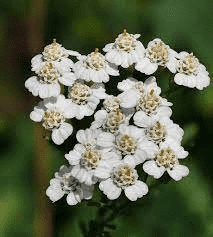
The perennial plant yarrow (Achillea millefolium) belongs to the Asteraceae family. Due to its numerous medicinal use in both traditional and alternative medicine, it is the most well-known species of the genus Achillea.
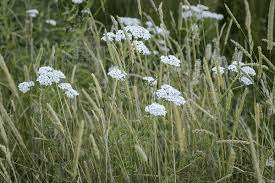
Native to temperate areas of the Northern Hemisphere, including North America, Europe, and Asia, is the achillea Millefolium plant. It has fern-like foliage and bright flowers in shades of white, red, pink, salmon, and pink.
Most plants reach a height of two to four feet. White and yellow yarrow is frequently found in the wild.
Yarrow may result in increased urination and sleepiness when taken orally. When applied topically, it might result in skin rashes or contact dermatitis therefore it is recommended that if you notice any irritation, stop using the product.
Be careful using this herb both externally and internally if you have allergies to members of the Aster family of plants, such as ragweed and daisies. It might increase the skin’s sensitivity to sunlight.
Is yarrow ever toxic to people? Despite not commonly being regarded as hazardous, the oil does contain trace levels of thujone, therefore use it with caution.
Thujone, which is also present in wormwood, is poisonous in large doses and has narcotic effects on the brain.
Additionally, this herb includes coumarin, a substance with blood-thinning properties. Because of this, it shouldn’t be taken with over-the-counter blood thinners.
The usage of it during pregnancy is not advised. Before using yarrow products if you are nursing, see your doctor.
Due to a lack of studies to evaluate whether or not its use is safe in children, it is not frequently advised for pediatric use. If you’re interested in using it with your child, talk to their doctor first.
Since ancient times, societies all throughout the world have used yarrow, a sunflower family flower related to chrysanthemum and chamomile.
To reduce inflammation (particularly in the digestive tract), cure skin wounds, and ease anxiety and insomnia, it has traditionally been eaten as tea, applied to the skin, or even cooked.
Although it’s unlikely that you’ve ever heard of this plant, it was once a fairly well-known food long ago. The leaves were often prepared and consumed as spinach in the 17th century.
Despite its numerous advantages, the plant is still mostly neglected.
Read Also: 6 Health Benefits of Pine Bark (Pinus massoniana)
8 Health Benefits of Yarrow (Achillea millefolium)
1. Treats and Heals Wound
For millennia, yarrow has been used to cure wounds naturally. Anti-inflammatory compounds found in yarrow have a favorable effect on the pH and moisture content of the skin.
Additionally, it acts as a natural antibacterial to keep wounds from becoming infected. This is why yarrow is a common component in therapeutic ointments.
This plant contains a substance called Achilleine, which is also well-recognized for its ability to halt bleeding. According to studies, it can be placed on wounds in powder form to both halt bleeding and lessen pain.
Additionally, it might aid in the treatment of common skin issues like hemorrhoids, rashes, and slowly healing wounds. Burns caused by the combustible chemical napalm can be treated with yarrow oil.
Read Also: 4 Health Benefits of Terragon (Artemisia dracunculus)
2. Great Source of Amenorrhea
Surprisingly, yarrow has also been used to actually promote bleeding in several medical conditions in traditional herbal treatment. Amenorrhea, which is an abnormal lack of menstruation, is one of these health problems.
Herbal emmenagogues include yarrow, rue, motherwort, and partridge berry. As an emmenagogue, achillea millefolium can aid in uterine and pelvic blood flow stimulation and promote menstruation. Sadly, despite being used in this fashion for centuries, clinical evidence has not yet supported this utilization.
3. Effective For Sleep and Anxiety
Those who suffer from anxiety and insomnia should consider trying yarrow. A 2012 study examined the sedative and anxiety-relieving properties of yarrow in animal models. Open-field studies on animals were conducted using a hydroalcoholic extract made from the aerial portions of the yarrow.
Following both short-term and long-term administration to participants, they discovered that it exhibited anti-anxiety benefits. They also discovered that the yarrow’s effects were comparable to those of diazepam (Valium), a medication frequently prescribed for anxiety problems. The research also revealed that it continued to work after brief, repeated administration.
Read Also: 6 Unique Health Benefits of Thyme (Thymus vulgaris)
4. Anti-inflammatory
This herb has been used in traditional herbal therapy in China, Europe, and India to reduce inflammation caused by a number of illnesses, including inflammation in the female reproductive tract and intestines. It has been demonstrated that extracts have anti-inflammatory properties.
Because it contains both flavonoids and sesquiterpene lactones, yarrow is thought to have the ability to reduce inflammation. The herb possesses astringent qualities in addition to anti-inflammatory ones.
Due to this, it is frequently present in topical treatments for inflammatory skin conditions like eczema. Yarrow has also been used to cure fevers, colds, and the flu in traditional medicine.
5. Treatment For Mastitis
Women with mastitis have found yarrow to be really beneficial. Breast infection known as mastitis most frequently affects nursing mothers. Particularly, the leaves can be used to make leaf poultices that offer virtually immediate pain relief and aid in the treatment of sore, cracked nipples.
Alternating between warm and cold compresses is a good suggestion if you have mastitis since cold reduces pain while warm compresses promote circulation. Antibacterial and anti-inflammatory chemicals are also present in this herb.
6. Huge Gastrointestinal Benefits
Yarrow is helpful for unwelcome gastrointestinal issues like diarrhea, flatulence, and cramps due to its antispasmodic action. It has been shown in animal experiments to lessen the smooth muscle spasms that cause GI symptoms and even inflammatory bowel disorders.
Studies have demonstrated that A. millefolium inhibits smooth muscle contractions and relaxes the GI system through a variety of mechanisms, including changes to calcium channels, cholinergic receptors, and nitric oxide production. The plant’s flavonoid components are also probably responsible for its antispasmodic properties.
7. Antitumor
Recent animal studies indicate that the lipid metabolism involved in the development of pancreatic cancer is the target of yarrow extract’s antitumoral effects.
It has been demonstrated to support the activation of regulatory mechanisms and enhance pancreatic cancer malignancy.
8. Soothes High Blood Pressure
The hypotensive, vasodilatory, and bronchodilatory properties of Achillea millefolium, or its capacity to reduce high blood pressure, relax blood vessels, and enhance breathing, were examined in a 2013 study.
The effects of yarrow on the study’s animal participants supported the herb’s usage as a treatment for asthma and other airway and circulatory illnesses with hyperactivity.
Read Also: 6 Health Benefits of Peppercorns (Piper nigrum)
Nutritional value of Yarrow (Achillea millefolium)
1. Potassium: Yarrow contains about 2.43% potassium, which supports heart function, muscle contractions, and fluid balance in the body.
2. Calcium: With approximately 2.22% calcium, this mineral in yarrow aids in bone health, nerve signaling, and blood clotting.
3. Nitrogen: Present at around 1.01%, nitrogen contributes to protein synthesis, helping with tissue repair and growth.
4. Magnesium: Yarrow has about 0.70% magnesium, essential for energy production, muscle relaxation, and maintaining healthy blood pressure.
5. Phosphorus: Containing roughly 0.63% phosphorus, it plays a role in energy metabolism, bone formation, and cell membrane structure.
6. Iron: With 360.4 mg/kg iron, this trace mineral in yarrow supports oxygen transport in the blood and prevents anemia.
7. Manganese: Yarrow provides about 85.5 mg/kg manganese, which assists in metabolism, bone development, and antioxidant defense.
8. Zinc: At approximately 47.6 mg/kg, zinc in yarrow boosts immune function, wound healing, and DNA synthesis.
9. Copper: Containing around 28.3 mg/kg copper, it helps with iron absorption, connective tissue formation, and enzyme function.
10. Vitamin C: Yarrow is a source of ascorbic acid (vitamin C), acting as an antioxidant to protect cells, enhance immune response, and promote collagen production.
Scientific Evidence and Case Studies on Yarrow (Achillea millefolium)
1. Sadeghi et al. (2013): In an animal study on Wistar rats, yarrow’s flavonoids like quercetin and apigenin reversed ileum contractions, showing benefits for digestive spasms and gastrointestinal relief.
2. Zolghadri et al. (2014): An animal study on streptozotocin-induced diabetic rats found yarrow protected pancreatic cells by downregulating IL-1 and iNOS genes, aiding in weight recovery and diabetes management.
3. Jenabi et al. (2015): A double-blind randomized clinical trial demonstrated yarrow’s relief for primary dysmenorrhea, reducing menstrual pain effectively.
4. Borrelli et al. (2012): In animal and human stomach studies, yarrow showed prokinetic effects on motility, improving digestion and reducing gastric issues.
5. Chávez-Silva et al. (2018): An in vitro study revealed yarrow’s antidiabetic effects through α-glucosidase inhibition, insulin sensitization, and secretagogue activities, supporting blood sugar control.
6. Mouhid et al. (2018): In vitro research on human pancreatic cancer cells highlighted yarrow’s antitumoral effects, indicating potential cancer-fighting properties.
7. Al-Ezzy et al. (2017): An animal study on CCl4-induced hepatotoxicity in mice showed yarrow’s hepatoprotective effects, protecting the liver from damage.
8. Dall’Acqua et al. (2011): In an animal study, yarrow extract inhibited vascular smooth muscle cell proliferation, providing vasoprotective benefits for cardiovascular health.
9. Kim et al. (2005): An in vitro study on SH-SY5Y cells demonstrated yarrow’s neuroprotective effects against hydrogen peroxide-induced cell death, aiding brain health.
10. Chen et al. (2016): In an animal study on mice, yarrow’s component 3,5-dicaffeoylquinic acid protected against lipopolysaccharide-induced acute lung injury via anti-inflammatory mechanisms.
Frequently Asked Questions About Yarrow (Achillea millefolium)
1. What is yarrow used for medicinally? Yarrow is commonly used to treat wounds, reduce inflammation, aid digestion, and relieve menstrual pain due to its anti-inflammatory and antispasmodic properties.
2. Is yarrow safe to consume? Yarrow is generally safe in moderate amounts for most adults, but pregnant women should avoid it, and it may cause allergic reactions in those sensitive to the Asteraceae family.
3. How does yarrow benefit the skin? Yarrow promotes wound healing, reduces inflammation, and has antiseptic effects, making it useful for treating cuts, burns, and skin irritations.
4. Can yarrow help with digestion? Yes, yarrow can ease digestive spasms, reduce bloating, and support gut health by acting as a mild bitter tonic.
5. Is yarrow invasive? Yarrow can spread aggressively in gardens through rhizomes and seeds, so it’s often considered invasive in some regions if not managed.
6. What does yarrow attract in the garden? Yarrow attracts beneficial insects like butterflies, bees, and ladybugs, while repelling pests, making it great for pollinator gardens.
7. How do you use yarrow as a tea? Steep dried yarrow leaves or flowers in hot water for 5-10 minutes to make tea, which can help with colds, fevers, or digestive issues.
8. Does yarrow have antioxidant properties? Yes, yarrow contains flavonoids and other compounds that provide antioxidant activity, helping to combat oxidative stress.
9. Can yarrow lower blood pressure? Yarrow may help regulate blood pressure due to its vasodilatory effects, but consult a doctor before using it for this purpose.
10. Is yarrow a native plant? Yarrow is native to many parts of North America, Europe, and Asia, though some varieties have been introduced and can naturalize widely.
Do you have any questions, suggestions, or contributions? If so, please feel free to use the comment box below to share your thoughts. We also encourage you to kindly share this information with others who might benefit from it. Since we can’t reach everyone at once, we truly appreciate your help in spreading the word. Thank you very much for your support and for sharing!
Disclaimer: This article is for educational and informational purposes only. The health benefits described are based on scientific research and traditional knowledge. They ayre not a substitute for professional medical advice, diagnosis, or treatment. Always consult a healthcare professional before using any herb or natural remedy for medical purposes.
Read Also: The Different Types of Fertilizers and How they Work