


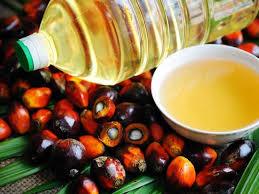
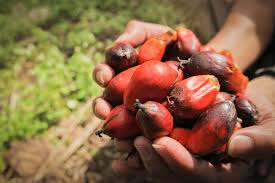
Palm oil is extracted from the fleshy fruit of the oil palm tree (Elaeis guineensis), native to the coastal regions of West and Southwest Africa, including countries like Nigeria, Angola, Gabon, Liberia, and Sierra Leone. Unrefined palm oil, often called red palm oil due to its characteristic reddish-orange color from high carotenoid content, has been used for centuries and is now one of the world’s most produced vegetable oils thanks to its versatility in cooking, food processing, cosmetics, and biofuels.
Red palm oil stands out for its rich nutrient profile, including carotenoids (provitamin A), tocotrienols (a form of vitamin E), and other antioxidants, setting it apart from many refined oils. While debates exist around saturated fat content and environmental concerns related to large-scale production, moderate consumption of unrefined red palm oil offers several potential health advantages supported by nutritional science.
Read Also: Reasons why Garden Egg Fruit is good for you
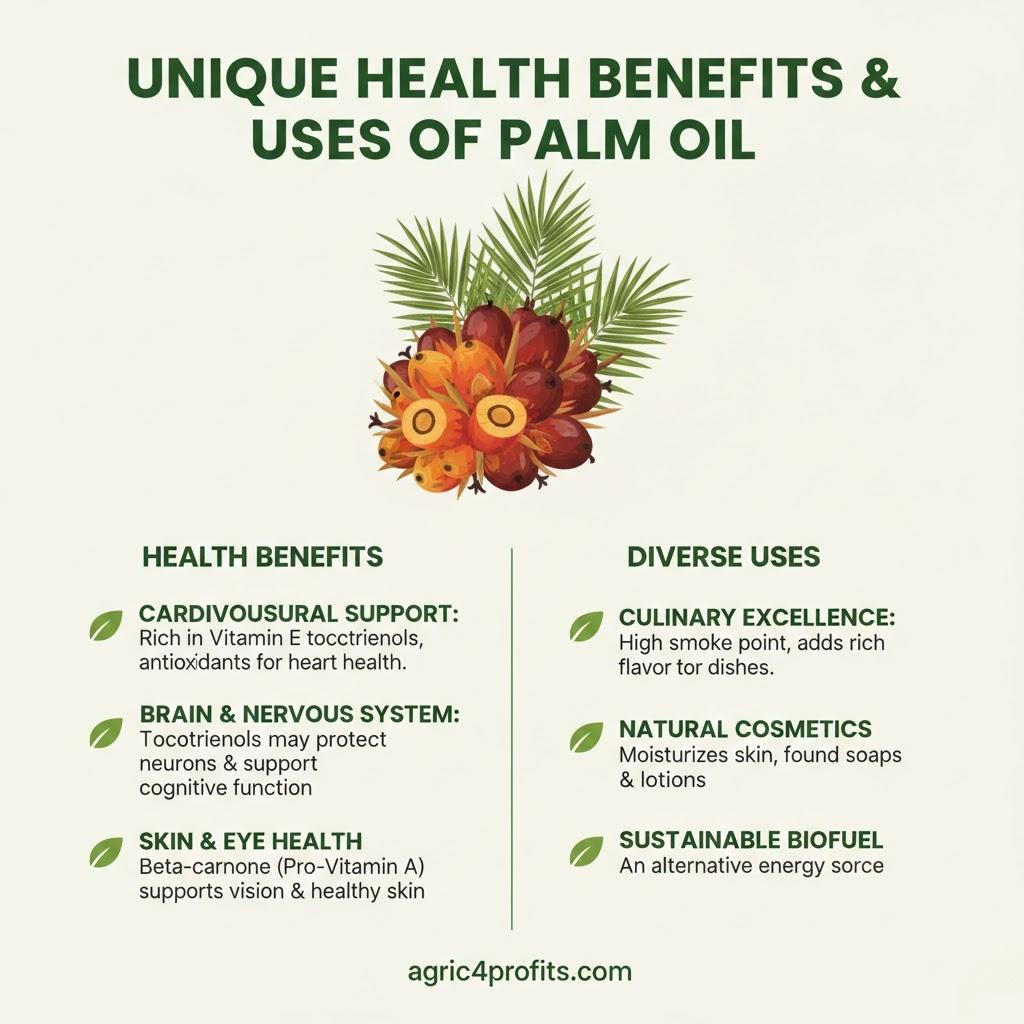
9 Unique Health Benefits and Uses of Palm Oil
1. Protecting Brain Function
Tocotrienols, a potent form of vitamin E in palm oil, offer superior protection against free radical damage to brain tissue compared to other antioxidants. Research suggests they may help slow or halt the progression of brain lesions.
2. Reducing Heart Disease Risk Factors
The antioxidant properties of palm oil’s vitamin E (tocotrienols) may slow heart disease progression in some individuals by combating oxidative stress and supporting cardiovascular health.
3. Improved Vitamin A Status
Red palm oil is exceptionally rich in carotenoids that the body converts to vitamin A, helping combat deficiency. Studies show daily intake (2–3 tablespoons) can significantly raise blood vitamin A levels, especially in those with absorption issues like cystic fibrosis or in children and adults at risk.
4. Beneficial for Pregnant Women
Red palm oil supplies vitamins A, D, and E, which support maternal and fetal health, aid immune function, and help prevent deficiencies that could harm pregnancy outcomes.
5. Highly Nutrient-Dense
Compared to many cooking oils, red palm oil provides a broad spectrum of nutrients, including provitamin A carotenoids, vitamin E (tocotrienols and tocopherols), and vitamin K, making it more nutritionally valuable.
6. Potential Cancer Risk Reduction
Antioxidants like tocotrienols in red palm oil neutralize free radicals, which may help prevent oxidative damage that leads to cancer development in organs and tissues.
7. Nourishes Skin and Hair
Tocotrienols and carotenes protect skin from UV damage, strengthen the epidermis, and reduce dryness. Palm kernel oil (derived from the seed) conditions, thickens, and strengthens hair while reducing loss.
8. Provides Beneficial Fats
Palm oil contains a mix of saturated and unsaturated fats that support energy, nutrient absorption, and cell growth, though moderation is key to avoid excess saturated fat intake.
9. Rich Source of Vitamin K
High vitamin K content supports blood clotting (via prothrombin production), bone health, calcium regulation, and may help prevent heart disease, diabetes, osteoporosis, and certain cancers.
Read Also: Bacterial Canker (Stone fruit trees): Description, Damages Caused, Control and Preventive Measures
Scientific Evidence and Case Studies on Red Palm Oil
1. Brain protection: Tocotrienols in palm oil demonstrate stronger neuroprotective effects against free radicals and may inhibit brain lesion progression.
2. Cardiovascular support: Vitamin E (tocotrienols) shows potential to slow atherosclerosis and reduce heart disease risk factors through antioxidant activity.
3. Vitamin A enhancement: Multiple studies confirm that regular consumption of red palm oil significantly improves vitamin A status in deficient populations, including children and those with malabsorption conditions.
4. Anticancer properties: Tocotrienols exhibit anti-cancer effects by suppressing free radicals and protecting cells from oxidative damage linked to tumor formation.
5. Skin and hair benefits: Carotenes and tocotrienols provide UV protection and epidermal strengthening, while palm kernel oil improves hair texture and reduces breakage.
Summary of Health Benefits and Uses of Palm Oil
| Aspect | Key Points |
|---|---|
| Source & Origin | Extracted from fruit of Elaeis guineensis, native to West Africa; unrefined form is red due to carotenoids. |
| Nutritional Profile | High in provitamin A carotenoids, tocotrienols (vitamin E), vitamin K; mix of saturated/unsaturated fats. |
| Brain Health | Tocotrienols protect against free radical damage and may slow brain lesion progression. |
| Heart Health | Antioxidants may reduce oxidative stress and slow heart disease advancement. |
| Vitamin A Boost | Carotenoids convert to vitamin A, combating deficiency effectively in studies. |
| Pregnancy Support | Supplies vitamins A, D, E for maternal/fetal health and immune function. |
| Antioxidant & Anticancer | Tocotrienols neutralize free radicals, potentially lowering cancer risk. |
| Skin & Hair | Protects skin from UV, nourishes epidermis; conditions, thickens, strengthens hair. |
| General Uses | Versatile in cooking, cosmetics, traditional remedies; nutrient-dense alternative to refined oils. |
| Considerations | Moderation advised due to saturated fats; prefer unrefined red palm oil for maximum benefits. |
Frequently Asked Questions
1. What is red palm oil?
Red palm oil is the unrefined oil extracted from the fruit of the oil palm tree (Elaeis guineensis), characterized by its reddish-orange color from high carotenoid content.
2. Where does palm oil come from?
It originates from the fleshy mesocarp of the oil palm fruit, with the tree (Elaeis guineensis) native to West and Southwest Africa, including Nigeria, Angola, and Gabon.
3. Is red palm oil good for brain health?
Yes, its tocotrienols (a form of vitamin E) provide strong antioxidant protection against free radicals and may help slow brain lesion progression.
4. Can red palm oil improve vitamin A levels?
Yes, its abundant carotenoids convert to vitamin A in the body, with studies showing significant increases in blood levels after regular consumption.
5. Is palm oil beneficial for pregnant women?
It supplies key vitamins A, D, and E that support maternal health, fetal development, and help prevent vitamin deficiencies during pregnancy.
6. Does palm oil help reduce cancer risk?
Its tocotrienols and other antioxidants combat free radicals that can damage cells and contribute to cancer development.
7. How does red palm oil benefit skin and hair?
It nourishes skin, protects against UV damage, and strengthens the epidermis; palm kernel oil conditions hair, reduces loss, and improves texture.
8. Is palm oil high in vitamin K?
Yes, red palm oil is a rich source of vitamin K, which supports blood clotting, bone health, and may help prevent various chronic conditions.
9. Does palm oil contain healthy fats?
It provides a balance of saturated and unsaturated fats for energy and nutrient absorption, though excess saturated fat intake should be moderated.
10. Is red palm oil better than refined palm oil?
Yes, unrefined red palm oil retains carotenoids, tocotrienols, and other nutrients lost during refining, offering greater health benefits.
Do you have any questions, suggestions, or contributions? If so, please feel free to use the comment box below to share your thoughts. We also encourage you to kindly share this information with others who might benefit from it. Since we can’t reach everyone at once, we truly appreciate your help in spreading the word. Thank you very much for your support and for sharing!
Disclaimer: This article is for educational and informational purposes only. The health benefits described are based on scientific research and traditional knowledge. They ayre not a substitute for professional medical advice, diagnosis, or treatment. Always consult a healthcare professional before using any herb or natural remedy for medical purposes.
Read Also: Relationship Marketing Process and Approaches to the Study of Marketing