


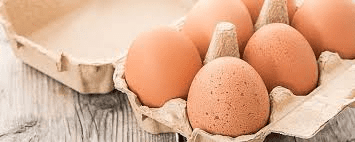
Eggs are one of the most debated foods in human nutrition. Some sources describe them as a near-perfect food packed with protein, vitamins, and essential fats. Others have raised concerns about their cholesterol content and potential links to cardiovascular health. The truth lies somewhere in between, and for most people, eggs consumed as part of a balanced diet are a highly nutritious and affordable source of protein and micronutrients.
Humans have been consuming eggs for thousands of years, and the chicken egg remains the most widely eaten of all. It is produced in enormous quantities across every continent, forms the foundation of countless dishes, and plays a central role in both household cooking and large-scale food production. Understanding what an egg actually is, how it is structured, and where it comes from gives you a clearer picture of why it behaves the way it does in cooking and why its nutritional profile is the way it is.
The chicken egg has a straightforward structure but each component plays a specific and important role. The outer hard shell, which may be white or brown depending on the breed of hen, provides a protective barrier for everything inside. Just beneath the shell sits a thin membrane that becomes visible when peeling a boiled egg. Inside that membrane is the egg white, which is actually translucent in its raw state and only turns white when cooked. Egg white is made up of approximately 90 percent water and 10 percent protein, primarily albumin, mucoproteins, and globulins. Its main biological role is to protect the yolk and provide nutrition for a developing embryo in a fertilised egg.
At the centre of the egg, suspended within the white, is the yolk. The yolk is enclosed by the vitelline membrane and its yellow colour can range from pale to deep gold depending entirely on what the hen has been eating. The yolk contains all of the egg’s fat content as well as the majority of its vitamins, minerals, and other nutrients. It is, nutritionally speaking, the most dense part of the egg.
This guide takes a closer look at what eggs are from a biological standpoint, how different types of egg-laying animals are classified, the truth about so-called cock eggs, and the practical side of egg collection and grading on a poultry farm.
1. Egg Definition
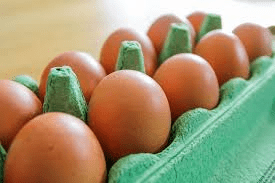
In biological terms, an egg is the ovum or female reproductive body of multicellular animals. In its most complex form, as produced by birds, reptiles, and certain other animals, it is a self-contained unit designed to support the development of a new organism outside the body of the parent.
An egg consists of protoplasm, the germ, supporting structures, and the yolk, all of which contribute to the development of the young animal. The flesh of eggs is consumed as food across many cultures. Every egg, regardless of the species that produced it, has some form of protective coating, whether that is a hard shell or a softer covering membrane.
The structure and development of eggs vary significantly across species depending on the conditions under which they are produced and mature. Animals are classified into three groups based on how their eggs develop.
i. Oviparous: Animals that deposit their eggs to hatch outside their bodies are described as oviparous. Birds, most reptiles, fish, and insects fall into this category. The egg develops and hatches in the external environment, independently of the parent’s body after laying.
ii. Viviparous: Animals that produce eggs with soft coverings that mature entirely within the body are called viviparous. These animals give birth to live young rather than laying eggs externally. Most mammals, including humans, fall into this category.
iii. Ovoviviparous: Animals that produce hard or tough-shelled eggs that mature within the parent’s body before being born are described as ovoviviparous. Some species of sharks, lizards, and snakes reproduce in this way, retaining the egg internally until the young are ready to emerge.
Read Also: 6 Ways to Enhance Egg Production and Maximize Profits on Poultry Layers
2. Eggs of Birds
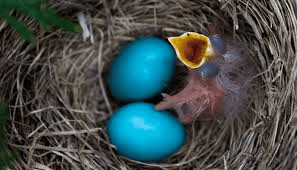
Bird eggs have a more complex structure than the eggs of most other animals because they must support the full development of a chick from fertilisation through to hatching, entirely outside the parent’s body.
i. The Yolk and Germ: The yolk contains the nutrients the developing chick needs and houses the germ, which is the point from which cell division and development begin in a fertilised egg. The yolk is the nutritional engine of the egg during incubation.
ii. The Albumen (Egg White): Surrounding the yolk is the albuminous mass commonly known as the egg white. This provides an additional source of nourishment for the developing chick and also acts as a physical and biochemical buffer, protecting the yolk from shock and microbial invasion.
iii. The Membrane: The egg is enclosed in a tough double membrane that sits just beneath the shell. This membrane adds a further layer of protection and helps regulate moisture loss during incubation.
iv. The Shell: Covering the membrane is a hard three-layered shell composed primarily of calcium carbonate. The shell is strong enough to bear the weight of a parent bird sitting on the egg during incubation while still being thin enough for a hatching chick to break through from the inside. With the exception of mound birds, all birds incubate their eggs using body heat.
3. Cock Egg: What It Actually Is

A common misconception in poultry farming is that the unusually small eggs occasionally found in the nest boxes or collection trays are laid by cockerels. This is a widespread myth with no basis in biology. A cockerel cannot lay an egg because it has no ovary or oviduct in its body. Only a bird that possesses these internal reproductive organs can lay eggs, and that bird is a hen, regardless of what it looks like externally.
There are rare cases where a very old hen may begin to lose some of her outward female characteristics and develop traits that resemble those of a male bird, such as spurs on her legs or altered feathering. She may even attempt to crow. But she remains a hen biologically and is still capable of laying eggs, even if those eggs are abnormal.
What is commonly called a cock egg is actually an abnormal egg laid by a hen whose egg-producing organs are not functioning correctly. These eggs are sometimes yolk-less, containing only a small foamy white substance that is mistakenly identified as a yolk. The underlying cause is typically a malfunction in the hen’s reproductive system rather than anything to do with the presence of a cockerel.
To avoid this problem and the associated reduction in productivity, old laying hens should be removed from the flock and sold once their productive life is over. Keeping them beyond this point reduces efficiency and increases the likelihood of abnormal eggs appearing in your collection.
Read Also: Causes of Egg Production Reduction in Poultry Farms and Ways to prevent them
4. Collection of Eggs in the Battery Cage

Proper egg collection is an important part of maintaining egg quality and reducing losses from cracking, contamination, and early spoilage. In battery cage systems, where hens are housed in individual or small group cages with sloped floors that roll eggs to a collection point, timely and careful collection makes a significant difference to overall farm output and product quality.
i. Collection Timing: Eggs in battery cage systems should be collected twice daily. A morning collection at around 10am and an afternoon collection at around 3pm is the standard recommended practice. Collecting twice daily reduces the time eggs spend in the cage, which lowers the risk of breakage, contamination from droppings, and temperature-related quality loss.
ii. Transfer to Grading Room: Collected eggs should be moved promptly to a designated grading area. Leaving eggs in a warm cage environment for extended periods accelerates quality deterioration, so moving them quickly after collection is important.
iii. Egg Grading by Size: Eggs are graded according to size, which determines their market category and sale price. The standard size categories used in most commercial operations are as follows.
iv. Extra Large: The largest category of egg, typically commanding the highest price in the market and preferred by commercial buyers and bulk retailers.
v. Medium: A mid-range egg size that appeals to a broad section of consumers and is widely sold in both retail and wholesale markets.
vi. Small: Smaller than medium eggs, these are often sold at a lower price point and are common in the early weeks of a hen’s laying cycle when her eggs have not yet reached full size.
vii. Pullet: The smallest category, laid by young hens just beginning to produce eggs. Pullet eggs are small and sometimes irregular in shape. They are sold at a lower price but are still edible and nutritious.
viii. Cracked: Eggs with damaged shells are separated out during grading. Cracked eggs cannot be sold through standard retail channels and must be handled separately. They may be used locally on the farm or sold at a reduced price for immediate use, but they carry a higher food safety risk if not consumed quickly.
ix. Grading Method: Egg grading can be done using a mechanical grading machine, which sorts eggs by weight automatically, or manually by experienced farm staff who assess size by feel and eye. The method chosen depends on the scale of the operation and the available equipment. Larger commercial farms benefit significantly from automated grading in terms of speed, consistency, and reduced labor cost.
Summary on All You Need to Know About Eggs

| Topic | Key Points |
|---|---|
| What is an Egg | The female reproductive body of multicellular animals; in birds it is a complex self-contained unit supporting external development of the young |
| Egg White Composition | Approximately 90 percent water and 10 percent protein including albumin, mucoproteins, and globulins |
| Egg Yolk Role | Contains all egg fats and the majority of vitamins and minerals; colour depends on the hen’s diet |
| Animal Classification | Oviparous lay eggs externally; viviparous give birth to live young; ovoviviparous retain hard-shelled eggs internally until birth |
| Bird Egg Structure | Yolk and germ, albumen for nutrition and protection, double membrane, and a calcium carbonate shell in three layers |
| Cock Egg Myth | Cockerels cannot lay eggs; what is called a cock egg is an abnormal egg from a hen with malfunctioning reproductive organs |
| Egg Collection Schedule | Twice daily in battery cage systems, typically at 10am and 3pm, to maintain quality and reduce losses |
| Egg Grading Categories | Extra large, medium, small, pullet, and cracked; price is determined by size and shell integrity |
| Grading Methods | Manual assessment by size or automated mechanical grading machines depending on farm scale |
| Flock Management Tip | Old laying hens should be sold to avoid abnormal egg production and maintain flock productivity |
Frequently Asked Questions About All You Need to Know About Eggs
1. What is the difference between a fertilised and an unfertilised egg? A fertilised egg contains a germ cell that has been united with sperm from a cockerel and can develop into a chick under the right incubation conditions. An unfertilised egg, which is what most commercially sold eggs are, contains no germ cell and cannot develop into a chick. Both are nutritionally similar and safe to eat.
2. Why are some egg shells brown and others white? Shell colour is determined entirely by the breed of the hen that laid the egg. Certain breeds, like Leghorns, lay white eggs. Others, like Rhode Island Reds, lay brown eggs. Shell colour has no bearing on nutritional value, taste, or quality.
3. What determines the colour of an egg yolk? Yolk colour is determined by the hen’s diet. Hens that eat feed rich in carotenoids, found in maize, grasses, and certain supplements, produce yolks with a deeper yellow or orange colour. Hens on lower-carotenoid diets produce paler yolks. Yolk colour does not reliably indicate nutritional quality.
4. Can a cockerel really lay an egg? No. A cockerel cannot lay eggs because it has no ovary or oviduct. Only hens possess the reproductive organs required to produce eggs. What is sometimes called a cock egg is actually an abnormal small egg laid by a hen whose reproductive system is not functioning properly.
5. What is a pullet egg and is it worth selling? A pullet egg is laid by a young hen that has just begun her laying cycle. These eggs are smaller than standard sizes and are priced lower in the market. They are perfectly edible and nutritious, just smaller. As the hen matures, her egg size will increase to the standard range within a few weeks.
6. Why should eggs be collected twice a day in battery cage systems? Collecting eggs twice daily reduces the risk of breakage from birds moving over them, limits contamination from droppings, and prevents quality loss from heat exposure. Eggs left uncollected for too long deteriorate faster and are more likely to crack or become soiled.
7. What happens to cracked eggs on the farm? Cracked eggs are separated during grading and cannot be sold through regular retail channels because of the food safety risk from bacterial entry through the damaged shell. They may be used on the farm immediately or sold locally for quick consumption at a reduced price.
8. What is the difference between oviparous and viviparous animals? Oviparous animals lay eggs that hatch outside the parent’s body, as birds and most reptiles do. Viviparous animals develop their young internally and give birth to live offspring, as most mammals do. Ovoviviparous animals retain their eggs inside the body until they hatch, then give birth to live young.
9. Is egg white more nutritious than egg yolk? The two parts serve different nutritional roles. Egg white is almost entirely protein and water, making it a lean protein source. The yolk contains fat, fat-soluble vitamins, minerals, and most of the egg’s micronutrients. Eating the whole egg provides the most complete nutritional benefit.
10. At what age should laying hens be sold to avoid abnormal egg production? This varies by breed and farming system, but most commercial laying hens reach peak productivity in their first laying year and see declining output and increasing abnormalities from the second year onward. Replacing or selling old hens at the end of their productive cycle keeps egg quality consistent and farm output efficient.
Do you have any questions, suggestions, or contributions? If so, please feel free to use the comment box below to share your thoughts. We also encourage you to kindly share this information with others who might benefit from it. Since we can’t reach everyone at once, we truly appreciate your help in spreading the word. Thank you very much for your support and for sharing!
Read Also: Anatomy of Fishes: Female Fish and their Reproductive Strategies