



Farm management involves planning, organizing, and controlling farm operations to achieve goals efficiently and sustainably. It is essential for the success of any farming enterprise, whether large or small.
Effective farm management helps ensure productivity, profitability, and sustainability. This guide covers the key aspects of farm management, including planning and organization, financial management, and crop and livestock management.
Planning and Organization
Effective planning and organization are crucial for successful farm management. They help ensure that resources are used efficiently and that the farm operates smoothly.
1. Developing a Farm Business Plan: A farm business plan is a roadmap that outlines the goals, strategies, and actions needed to run your farm. It includes details on crop and livestock production, marketing strategies, and financial projections. Start by defining your farm’s mission and vision, then outline the specific steps to achieve your goals. This plan helps guide decision-making and serves as a reference for evaluating progress.
2. Setting Goals and Objectives: Clearly defined goals and objectives provide direction and motivation. Set both short-term and long-term goals, such as increasing crop yields, improving livestock health, or expanding the farm’s market reach. Ensure that your goals are specific, measurable, achievable, relevant, and time-bound (SMART). Regularly review and adjust your goals as needed based on performance and changing circumstances.
🌿 Go Organic on Your Farm: Instead of harmful chemical pesticides and fertilisers, try our organic farming products — including neem oil spray, bio-pesticides, natural plant treatments, organic seeds and seedlings, suckers, and many more organic products that are safe for your health, your family, your soil and your harvest. Shop Now →
Financial Management
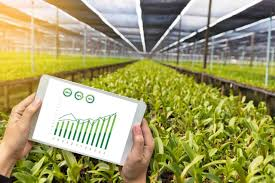
Proper financial management is essential for maintaining the farm’s economic health. It involves budgeting, cost control, and financial analysis to ensure profitability and sustainability.
1. Budgeting and Cost Control: Create a detailed budget that includes all anticipated income and expenses. Categorize costs into fixed (e.g., equipment depreciation) and variable (e.g., feed, seeds). Monitor actual expenses against the budget to identify any deviations and adjust spending as needed. Cost control measures, such as negotiating better prices for supplies and reducing waste, help maintain financial stability.
🔧 Free Farm Tool Available: Use our free Agric4Profits Farm Tools to calculate your farm profits, formulate feeds, identify pests and diseases on both your crops and animal farms, plan your planting and harvesting season, including many more farm tasks to get free expert advice and recommendations — completely free, no registration required. Access Free Tools →
2. Record Keeping and Financial Analysis: Keep accurate and up-to-date financial records, including income, expenses, and investments. Use accounting software or spreadsheets to track financial data and generate reports. Regularly analyze financial performance by reviewing profit margins, return on investment, and cash flow. Financial analysis helps identify areas for improvement and supports informed decision-making.
Crop and Livestock Management
Effective management of crops and livestock is vital for maximizing productivity and ensuring the health of your farm’s resources.
1. Crop Selection and Rotation: Choose crops that are well-suited to your soil and climate conditions. Consider factors like market demand, growth cycles, and pest resistance. Implement crop rotation practices to improve soil health, reduce pest and disease risks, and enhance nutrient availability. Rotate crops annually or biennially to prevent soil depletion and maintain balanced soil nutrients.
2. Livestock Care and Nutrition: Proper care and nutrition are essential for maintaining healthy livestock and ensuring high productivity. Provide a balanced diet that meets the nutritional needs of your animals. Regularly monitor their health, manage any diseases or parasites, and ensure they have adequate shelter and clean water. Implement good husbandry practices to promote animal welfare and productivity.
💬 Have a Farming Question? Join thousands of farmers across Africa on the Agric4Profits Community — ask questions, share experiences and connect with agricultural experts. It is completely free. Ask Your Question Now →
Read Also: Trichomoniasis: Description, Damages Caused, Control and Preventive Measures
Resource Management
1. Land and Soil Management: Manage land and soil to ensure long-term productivity and sustainability. Conduct soil tests to determine nutrient levels and pH. Use soil conservation techniques such as contour plowing, terracing, and planting cover crops to prevent erosion and maintain soil fertility. Regularly amend soil with organic matter to improve its structure and nutrient content.
2. Water and Irrigation Systems: Efficient water management is crucial for crop and livestock health. Assess your farm’s water needs and choose appropriate irrigation systems, such as drip or sprinkler irrigation, based on the crops you grow and the water availability. Implement water-saving practices, such as rainwater harvesting and soil moisture monitoring, to optimize water use and reduce waste.
Introduction to Farm Management
Farm management is a systematic approach to planning, organizing, and controlling farm operations to achieve the best possible results. It encompasses various aspects including financial management, crop and livestock management, resource management, and technology integration. Effective farm management ensures productivity, profitability, and sustainability. This guide covers essential elements of farm management, including technology, risk management, sustainable practices, and human resource management.
Read Also: Feijoas: History, Nutrition, Health Benefits and Growing Guide
Technology and Innovation
📖 Want to Go Deeper on This Topic?
Our expert agricultural ebooks cover poultry, fish farming, different crops production, snail farming, organic farming, mushrooms, sheep, cattle, flowers, pig farming, goat farming, agribusiness, etc. in practical step-by-step detail — written by agricultural professionals for African farmers.
Browse All Farming Ebooks →
Embracing technology and innovation is crucial for modern farm management. These advancements help increase efficiency, productivity, and profitability.
1. Using Farm Management Software: Farm management software helps streamline operations by integrating various functions such as budgeting, record-keeping, and crop planning. These tools can track expenses, manage inventories, and analyze data to improve decision-making. Choose software that fits your farm’s needs, whether you need basic features or advanced analytics. Regularly update the software to benefit from new features and improvements.
2. Modern Agricultural Techniques: Modern techniques include precision agriculture, which uses technology to monitor and optimize crop growth. This involves using GPS and sensors to collect data on soil conditions, weather, and crop health. Techniques such as variable rate technology (VRT) allow for the precise application of fertilizers and pesticides, reducing waste and improving yields. Staying informed about new agricultural methods helps enhance productivity and sustainability.
Risk Management
Managing risks is a vital part of farm management. Identifying potential risks and having strategies to mitigate them ensures farm stability and reduces losses.
1. Identifying and Managing Risks: Risks can include weather events, pest infestations, market fluctuations, and diseases. Identify potential risks specific to your farm by conducting a risk assessment. Develop risk management strategies such as diversifying crops, investing in resilient infrastructure, and staying updated on market trends. Implement practices that minimize the impact of risks and prepare for unforeseen events.
2. Insurance and Contingency Planning: Insurance provides financial protection against unexpected losses, such as crop failures or livestock diseases. Choose insurance policies that cover key risks and ensure adequate coverage. Develop a contingency plan that outlines actions to take in case of emergencies or significant disruptions. This plan should include procedures for handling various scenarios and resources available for recovery.
Sustainable Practices
Sustainability is a key aspect of modern farm management, focusing on environmental conservation and efficient resource use.
1. Environmental Conservation: Implement practices that protect and enhance the environment, such as reducing chemical use, conserving water, and preserving natural habitats. Use techniques like crop rotation and reduced tillage to maintain soil health and prevent erosion. Incorporate practices that support biodiversity and minimize the farm’s ecological footprint.
2. Organic Farming Techniques: Organic farming avoids synthetic chemicals and focuses on natural processes to grow crops. This includes using organic fertilizers, compost, and natural pest control methods. Organic farming improves soil health, supports biodiversity, and produces crops with fewer chemical residues. Understand organic certification requirements if you choose to pursue organic farming.
Human Resource Management
Effective human resource management ensures that your farm operates smoothly and that staff are well-trained and motivated.
1. Hiring and Training Staff: Recruit staff with the skills and experience needed for various farm tasks. Provide training to ensure they are knowledgeable about farm operations, safety procedures, and equipment use. Regular training updates help staff stay current with best practices and technology changes. Create a supportive work environment to retain skilled employees.
2. Delegation and Supervision: Delegate tasks based on staff skills and expertise, ensuring that responsibilities are clearly defined. Provide supervision and support to ensure tasks are completed effectively and safely. Regularly review staff performance and offer feedback to help them improve and grow.
Compliance and Regulations
Understanding and adhering to agricultural laws and regulations is essential for legal operation and safety.
1. Understanding Agricultural Laws: Familiarize yourself with local, regional, and national agricultural laws and regulations. This includes laws related to land use, environmental protection, and food safety. Compliance helps avoid legal issues and ensures that your farm meets all regulatory requirements.
2. Health and Safety Standards: Implement health and safety standards to protect staff and ensure a safe working environment. This includes proper handling and storage of chemicals, safe use of machinery, and providing personal protective equipment (PPE). Regularly review and update safety protocols to comply with regulations and address any hazards.
Conclusion
Farm management is a comprehensive discipline that involves planning, organizing, and controlling various aspects of farm operations. Embracing technology and innovation, managing risks effectively, and implementing sustainable practices are essential for modern farming.
Additionally, efficient human resource management and adherence to compliance and regulations ensure smooth and legal farm operations. By integrating these elements into your farm management strategy, you can enhance productivity, ensure sustainability, and achieve long-term success.
Read Also: Top 20 Proven Benefits of Ginger Plant
Frequently Asked Questions
We will update this section soon.
🌱 Take Your Farming Further With Agric4Profits
Based on what you just read, here are free resources and products from Agric4Profits that can help your farm right now:
- 🛒 Visit Our Marketplace — Organic neem oil, bio-pesticides, seeds and farming products
- 📚 Read Premium Content — Advanced guides for serious and profitable farming
- 🎓 Join Our Free Academy — Structured free training for farmers across Africa
- 🔧 Use Our Free Farm Tools — Profit calculators, feed formulation, pest identifier and more
- 💬 Join Our Farming Community — Connect with farmers across all 54 African countries
- ❓ Ask a Farming Question — Get answers from experienced farmers and agricultural experts
Please cite this content in academic work, research, or publications.