


Bay leaves come from the ancient tree Laurus nobilis, and it’s often used in cooking because of its distinctive savory flavor. Bay leaf has antimicrobial, anti-fungal and antioxidant properties. It can be used to help fight cancer, improve insulin function, improve cholesterol levels, prevent candida, treat dandruff, improve skin infections and support wound healing.
Bay leaves have been shown to improve insulin function in vitro but the effects on people have not been determined. A study was carried out to determine if bay leaves may be important in the prevention and/or alleviation of type 2 diabetes. The objective of this study was to determine if bay leaves may be important in the prevention and/or alleviation of type 2 diabetes.
In this study, forty people with type 2 diabetes were divided into 4 groups and given capsules containing 1, 2 or 3 g of ground bay leaves per day for 30 days or a placebo followed by a 10 day washout period.
All three levels of bay leaves reduced serum glucose with significant decreases ranging from 21 to 26% after 30 d. Total cholesterol decreased, 20 to 24%, after 30 days with larger decreases in low density lipoprotein (LDL) cholesterol of 32 to 40%.
High density lipoprotein (HDL) cholesterol increased 29 and 20% in the groups receiving 1 and 2 g of bay leaves, respectively. Triglycerides also decreased 34 and 25% in groups consuming 1 and 2 g of bay leaves, respectively, after 30 d.
There were no significant changes in the placebo group. In summary, this study demonstrates that consumption of bay leaves, 1 to 3 g/d for 30 days, decreases risk factors for diabetes and cardiovascular diseases and suggests that bay leaves may be beneficial for people with type 2 diabetes.
Read Also: Barberry (Berberis vulgaris): Importance and Health Benefits
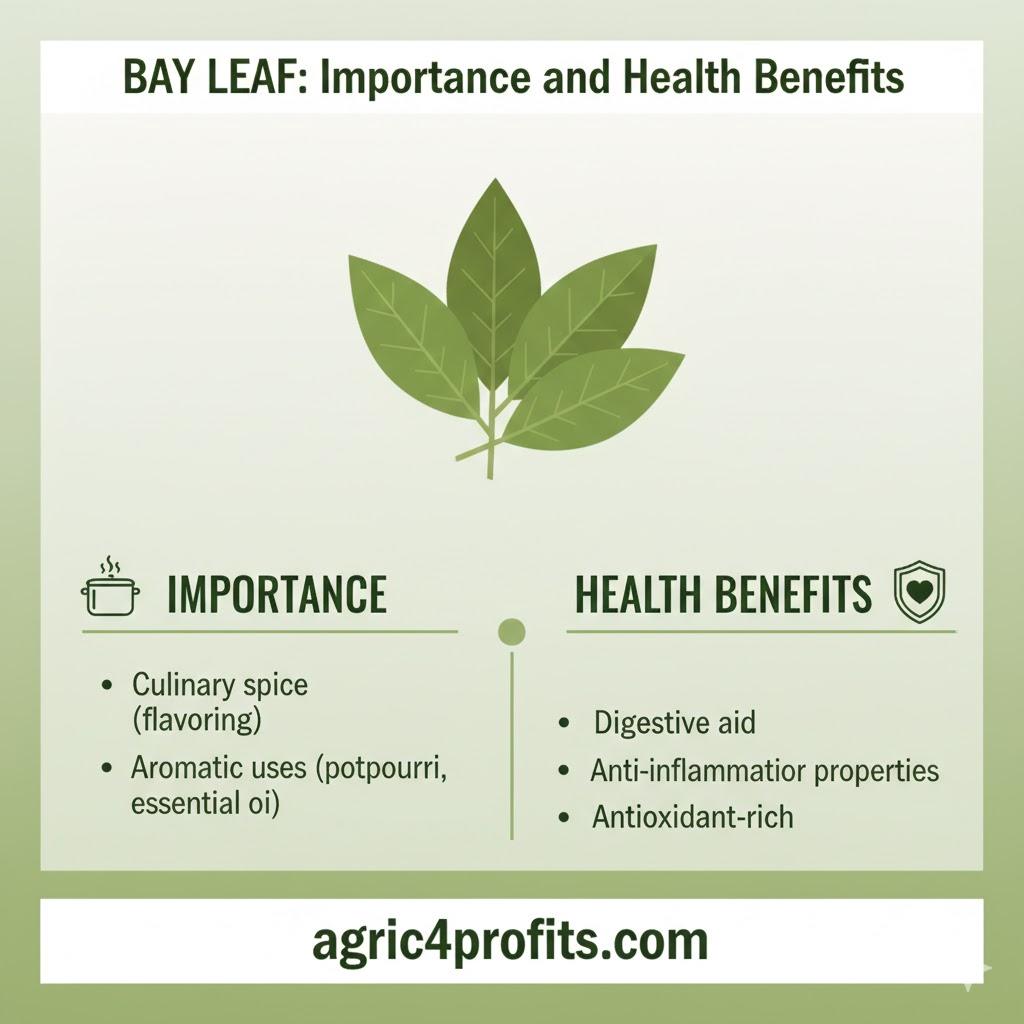
Bay Leaf Importance and Health Benefits
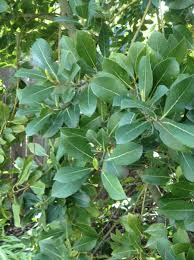
The most impressive health benefits of bay leaves include their ability to detoxify the body, slow the ageing process, speed wound healing, protect the body from bacterial infections, manage diabetes, improve heart health, reduce inflammation, alleviate respiratory issues, optimize digestion, and prevent certain types of cancer.
What are Bay Leaves?
There are many types of plants whose leaves are referred to as “bay leaves”, but the true bay leaf is scientifically known as Laurus nobilis, and this is the nutrient-rich variety that is discussed in the article.
Many other leaves have a similar appearance and aroma like true bay leaves, but not the same nutrient content. This plant is a small tree native to the Mediterranean region.
Laurel trees were present everywhere in the region, but changing climates have shrunk their natural growth. However, these leaves have been a part of the culinary and medicinal world for thousands of years, dating back at least to Roman times.
The uses of bay leaves include grinding the leaves into a spice to flavour soups and stews, but the leaves are most commonly added in the whole form as a flavouring for certain Italian dishes and are then removed or used as a garnish.
Whole leaves are not commonly consumed, and there is no extensive range of culinary application for bay leaves, although extracts of these leaves have numerous medical uses. These leaves are also a popular element in aromatherapy and herbal treatments for various skin and respiratory conditions.
Read Also: Astragalus Root: Health Benefits and Importance
The Benefits of Drinking Bay Leaf Tea

There are many benefits of drinking bay leaf tea. Some of the most widely known benefits are:
- Bay leaves are a rich source of vitamin A, vitamin C, iron, potassium, calcium, and magnesium. Also regular inclusion of bay leaves in meals promotes general health.
- They have been proven to be useful in the treatment of migraines.
- Bay Leaf contains enzymes that help to breakdown proteins and digest food faster, helping to calm indigestion.
Recipe for Bay Leaf Tea
- 16 oz water
- 3 bay leaves
- Juice of 1 large or 2 smaller lemons
- Place ingredients, together, in a pot and bring to a boil.
- Drink, after it cools down
A hot cup of bay leaf tea can be very comforting. The aromatic fragrance that the leaves release is calming and the essence of the spiced tea makes bay leaf tea delicious.
Read Also: 10 Amazing Health Benefits of taking Guava fruit during Pregnancy
8 Amazing Health Benefits of Bay Leaves
With the wide range of benefits that these powerful leaves offer, it is a mandate to include them in your diet, so let us explore them in detail below:
1. Improve Digestion
Bay leaves have a very strong effect on the gastrointestinal system, both stimulating urination as a diuretic, which decreases the toxicity of the body and also stimulating vomiting as an emetic when something toxic has been consumed. Furthermore, the organic compounds found in bay leaves are very effective for settling upset stomachs, soothing irritable bowel syndrome (IBS) or even lessening the symptoms of Celiac’s disease. Some of the more complex proteins in our modern diet can be difficult to digest, but the unique enzymes found in bay leaves help to facilitate efficient digestion and nutrient intake.
2. Treat Respiratory Conditions
When the essential oil of bay leaves is extracted, it can be mixed into a salve and applied to the chest to help alleviate various respiratory conditions. This can also be achieved with a poultice made of the leaves. Spread it on the chest and allow it to remain overnight. Inhaling the vapour has a similar effect to aromatherapy and can loosen up the phlegm and eliminate dangerous bacteria that may be trapped in your respiratory tracts, thanks to its natural antibacterial quality.
3. Hair Care
If you want to improve the health of your hair follicles and eliminate dandruff, steep bay leaves in water and then rub them on your scalp after shampooing. The chemicals and volatile ingredients in them can help to eliminate dry skin and dandruff.
4. Anti-inflammatory Activity
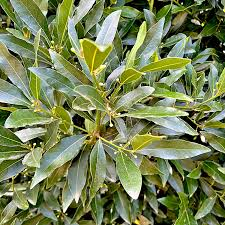
One of the most important benefits of bay leaves is its ability to reduce inflammation throughout the body. These leaves contain a unique phytonutrient, called parthenolide, which can quickly reduce inflammation and irritation when topically applied to affected areas, such as sore joints or areas affected by arthritis. This effect can also be achieved through the normal consumption of bay leaf spice.
5. Protect Heart Health
Caffeic acid and rutin are both important organic compounds found in the bay leaves that enhance our heart health. Rutin strengthens capillary walls in the heart and the body’s extremities, while caffeic acid can help to eliminate LDL (bad) cholesterol from the cardiovascular system.
6. Prevent Cancer
The unique combination of antioxidants and organic compounds in bay leaves, including phytonutrients, catechins, linalool, and parthenolide, helps to protect the body from the effects of free radicals. Free radicals can cause healthy cells to mutate into cancerous cells, which bay leaves are particularly adept at preventing.
Read Also: 18 Health Benefits of Ginger and Garlic Tea to Lose Weight and others
7. Reduce Anxiety & Stress
Linalool is often associated with thyme and basil, but it is also present in bay leaves and can help to lower the level of stress hormones in the body, especially when used in aromatherapy. Excess stress hormones can be dangerous for long-term health, so bay leaves can help you calm down and remain relaxed even in your high-anxiety moments.
8. Manage Diabetes
Bay leaves have been directly connected with improved insulin receptor function and regulated blood sugar levels. For patients at risk of developing diabetes or for those who have already developed the condition, regular consumption of bay leaves can significantly lower the chances of diabetic episodes.
Word of Caution: As mentioned earlier, bay leaf is a commonly used term that applies to many different plants around the world; however, to achieve all of the health benefits listed above, it is essential that you find a true bay leaf, derived from the laurel tree. Other varieties can actually be toxic when consumed, so be certain that you’re getting the real thing. In terms of allergies, bay leaves aren’t widely known as an allergenic substance, but contact dermatitis and eczema breakouts have been sporadically reported. If you’re allergic to other members of the Lauraceae family, you will likely be allergic to bay leaves as well.
Scientific Evidence and Case Studies on Bay Leaves
1. Diabetes Management: In a human clinical study with 40 type 2 diabetes patients, daily consumption of 1–3 g of ground bay leaves for 30 days significantly reduced fasting blood glucose by 21–26%, total cholesterol by 20–24%, LDL cholesterol by 32–40%, and triglycerides by 25–34%, while increasing HDL cholesterol by 20–29%.
2. Blood Sugar and Lipid Improvement: The same controlled trial demonstrated that bay leaf supplementation lowered serum glucose and improved lipid profiles (reduced LDL and triglycerides, increased HDL) in people with type 2 diabetes, with no changes in the placebo group.
3. Antioxidant and Anti-inflammatory Effects: Bay leaves contain compounds like parthenolide, caffeic acid, rutin, and linalool, which exhibit strong antioxidant activity and reduce inflammation in laboratory and traditional use studies.
4. Antimicrobial Properties: Extracts from Laurus nobilis leaves show antimicrobial, antifungal, and antibacterial activity in vitro, supporting their traditional use against infections and in wound healing.
5. Respiratory and Digestive Support: Essential oils and infusions of bay leaves have been studied for loosening phlegm, reducing respiratory bacteria, and aiding digestion through enzyme activity that breaks down proteins.
Summary of Bay Leaves
| Aspect | Description |
|---|---|
| What are Bay Leaves | Leaves from the true bay laurel tree (Laurus nobilis), a Mediterranean native used for centuries in cooking, medicine, and aromatherapy; rich in vitamins A, C, minerals, and bioactive compounds like parthenolide, rutin, caffeic acid, and linalool. |
| Key Nutrients & Compounds | Vitamins A and C, iron, potassium, calcium, magnesium; antioxidants, anti-inflammatory phytonutrients, and enzymes that support digestion. |
| Main Health Benefits | Improves digestion, manages blood sugar and diabetes, protects heart health (better cholesterol and lipid profiles), reduces inflammation, treats respiratory issues, supports hair and scalp health, lowers stress and anxiety, aids wound healing, and shows potential cancer prevention. |
| Common Uses | Culinary (flavoring soups, stews), bay leaf tea for general health and digestion, topical applications for skin/hair, essential oil for respiratory relief and aromatherapy. |
| Scientific Support | Human trial shows significant benefits for type 2 diabetes and cardiovascular risk factors; in vitro and traditional evidence for antimicrobial, anti-inflammatory, and antioxidant effects. |
| Cautions | Use only true Laurus nobilis leaves (some similar-looking varieties are toxic); possible allergies in sensitive individuals or those allergic to Lauraceae family plants. |
Frequently Asked Questions
1. What is the true source of bay leaves?
Bay leaves come from the Laurus nobilis tree, a small evergreen native to the Mediterranean region, and this is the variety with proven health benefits.
2. How do bay leaves help manage diabetes?
Bay leaves improve insulin function and regulate blood sugar levels; a human study showed 1–3 g daily reduced fasting glucose by 21–26% in type 2 diabetes patients after 30 days.
3. Can bay leaves improve cholesterol levels?
Yes, consumption of bay leaves has been shown to lower total cholesterol by 20–24%, reduce LDL (bad) cholesterol by 32–40%, and increase HDL (good) cholesterol by up to 29%.
4. What are the benefits of drinking bay leaf tea?
Bay leaf tea supports digestion, provides essential vitamins and minerals, helps calm indigestion, relieves migraines, and promotes overall relaxation due to its aromatic and calming properties.
5. How can bay leaves benefit heart health?
Compounds like rutin and caffeic acid strengthen blood vessels, reduce bad cholesterol, and support cardiovascular function, lowering risk factors for heart disease.
6. Do bay leaves help with inflammation and pain?
Yes, the phytonutrient parthenolide in bay leaves reduces inflammation, making them useful for conditions like arthritis when applied topically or consumed regularly.
7. Are bay leaves good for hair and scalp health?
Bay leaves can help treat dandruff and improve scalp health when steeped in water and applied after shampooing, thanks to their cleansing and anti-dandruff properties.
8. Can bay leaves reduce stress and anxiety?
The linalool compound in bay leaves lowers stress hormones, especially when used in aromatherapy or as tea, promoting relaxation and calmness.
9. Is it safe to consume bay leaves every day?
True bay leaves (Laurus nobilis) are generally safe in culinary amounts or as 1–3 g supplements, but always use the correct variety and consult a doctor if you have allergies or medical conditions.
10. What should I avoid when using bay leaves?
Avoid non-true bay leaves from other plants, as some are toxic; also be cautious if allergic to the Lauraceae family, and do not consume whole leaves in large quantities.
Do you have any questions, suggestions, or contributions? If so, please feel free to use the comment box below to share your thoughts. We also encourage you to kindly share this information with others who might benefit from it. Since we can’t reach everyone at once, we truly appreciate your help in spreading the word. Thank you very much for your support and for sharing!
Disclaimer: This article is for educational and informational purposes only. The health benefits described are based on scientific research and traditional knowledge. They ayre not a substitute for professional medical advice, diagnosis, or treatment. Always consult a healthcare professional before using any herb or natural remedy for medical purposes.
Read Also: Noise Policies in Different Countries