


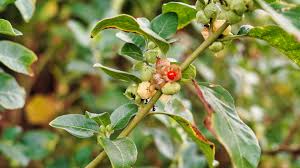
Ashwagandha (Withania somnifera) is an adaptogenic herb that can lower cortisol levels and balance thyroid hormones. It supports adrenal function, helping overcome adrenal fatigue caused by chronic stress.
Other benefits include supporting brain health, improving mood, increasing stamina, and inhibiting cancer cell proliferation.
Ashwagandha is an ancient medicinal herb classified as an adaptogen, helping the body manage stress. It provides benefits for body and brain, such as boosting brain function, lowering blood sugar and cortisol, and fighting anxiety and depression symptoms.
Known as “Indian Winter cherry” or “Indian Ginseng,” ashwagandha is a revered Rasayana (tonic) in Ayurvedic medicine. It has been used for millennia to promote youthful physical and mental health, happiness, and longevity. Rasayana remedies serve as tonics for children, middle-aged, and elderly individuals.
Among Ayurvedic Rasayana herbs, ashwagandha holds a prominent place as a “Sattvic Kapha Rasayana” herb. Most Rasayana herbs act as adaptogens/anti-stress agents.
Its name derives from Sanskrit “ashwa” (horse) and “gandha” (smell), symbolizing horse-like energy and vitality. It is rich in biologically active substances, including macro- and micro-elements, amino acids, peptides, lipids, and nucleic acid bases.
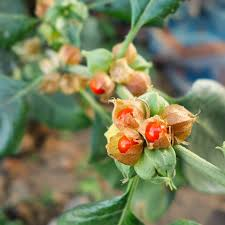
The root has therapeutic benefits and a calming effect on the nervous system, aiding treatment of depression, anxiety, fatigue, stress-induced insomnia, and nervous exhaustion. This ancient herb may lower stress and improve sleep.
Proponents view ashwagandha as a versatile defender against insomnia, anxiety, depression, and fatigue. It is commonly available as churna (fine powder) mixed with water, ghee, or honey. It enhances brain and nervous system function, improves memory, supports reproductive health, and promotes sexual and reproductive balance.
As a powerful adaptogen, it builds resilience to stress, improves cell-mediated immunity, and offers potent antioxidant protection against free radical damage.
Read Also: Health Benefits of taking Watermelon Fruits for Males and Females Fertility
5 Health Benefits of Ashwagandha (Withania somnifera)
Researchers have identified potential anti-COVID-19 properties in ashwagandha compounds. It compares favorably to Siberian Ginseng and Panax Ginseng in adaptogenic effects, earning the name Indian Ginseng.
Animal studies demonstrate ashwagandha increases stamina, prevents stress-induced gastric ulcers, carbon tetrachloride-induced hepatotoxicity, and mortality.
Aqueous root suspension (100 mg/kg oral) significantly increased plasma corticosterone, phagocytic index, and avidity index in cold swimming-stressed rats. Pretreated rats showed near-control values and doubled swimming time.
These findings support Ayurvedic use of ashwagandha in preventing/treating stress-related conditions like arteriosclerosis, premature aging, arthritis, diabetes, hypertension, and malignancy.
1. Effect on swimming performance
Ashwagandha increased swimming endurance in rats. Treated animals swam significantly longer (mean 740 minutes) compared to controls (mean 385 minutes), nearly doubling performance.
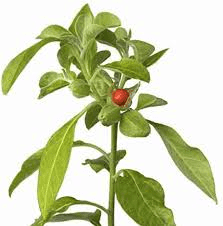
2. Effect on cortisol and ascorbic acid contents of adrenals
Swimming stress reduced adrenal cortisol and ascorbic acid. Pretreatment with ashwagandha prevented these reductions, maintaining near-normal levels.
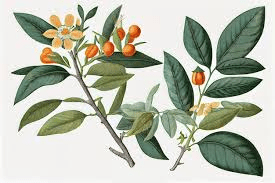
3. Anti-ulcerogenic effect
Ashwagandha provided significant protection against immobilization, cold+immobilization, and aspirin-induced gastric ulcers, lowering ulcer index in rats.
Read Also: 12 Health Benefits of Ginger Snaps to Relieve Gastrointestinal Distress
4. Effect on leucocytosis
Ashwagandha reduced leucocytosis in mice after milk injection-induced stress.
5. Anabolic effects
Ashwagandha-treated rats showed significant body weight increase over 3 months compared to controls.
Scientific Evidence and Case Studies on 5 Health Benefits of Ashwagandha (Withania somnifera)
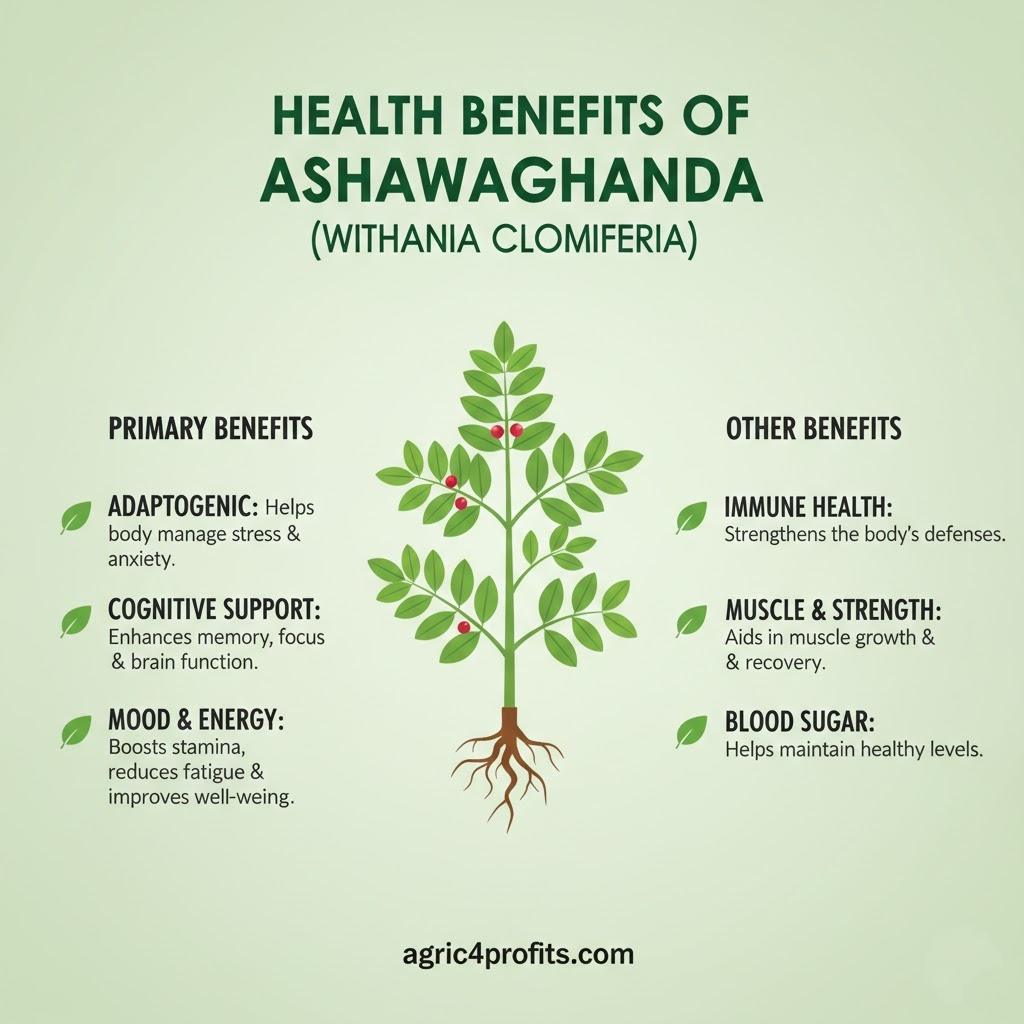
1. Reduction in cortisol and stress: Ashwagandha significantly lowers serum cortisol levels and perceived stress scores in stressed adults, improving resilience in randomized controlled trials.
2. Anxiety and depression relief: Extracts reduce anxiety and depression symptoms, comparable to some standard treatments, with improvements in sleep quality and mood in clinical studies.
3. Improved physical performance and stamina: Supplementation increases VO2 max, muscle strength, and endurance in athletes and healthy adults, supporting adaptogenic effects on energy and recovery.
4. Cognitive and brain health enhancement: Ashwagandha improves memory, executive function, attention, and reaction time in adults with mild cognitive impairment or stress.
5. Thyroid and metabolic support: It normalizes thyroid hormone levels in subclinical hypothyroidism and lowers blood sugar while improving insulin sensitivity in diabetic models and human trials.
Nutritional Value Of 5 Health Benefits of Ashwagandha (Withania somnifera)
1. Withanolides (e.g., withaferin A): Key bioactive compounds with adaptogenic, anti-stress, anti-inflammatory, and anticancer properties.
2. Alkaloids (e.g., somniferine): Support nervous system calming, reduce anxiety, and enhance sleep quality.
3. Saponins and steroidal lactones: Contribute to immune modulation, antioxidant defense, and hormonal balance including thyroid and cortisol regulation.
4. Iron and other minerals: Support energy production, combat fatigue, and aid in anemia-related symptoms.
5. Amino acids and peptides: Promote tissue repair, muscle recovery, and overall vitality.
6. Antioxidants (flavonoids, polyphenols): Protect cells from oxidative stress, support anti-aging, and reduce inflammation.
7. Glycowithanolides: Enhance cognitive function, memory, and neuroprotection.
Summary of 5 Health Benefits of Ashwagandha (Withania somnifera)
| Aspect | Key Points |
|---|---|
| Introduction | Ancient Ayurvedic Rasayana adaptogen (Indian ginseng/winter cherry); reduces stress, balances hormones, calms nervous system. |
| Traditional Uses | Tonic for longevity, vitality, brain/reproductive health; treats anxiety, fatigue, insomnia, depression. |
| Scientific Anti-Stress Effects | Increases stamina (swimming endurance), prevents adrenal depletion, reduces ulcers/leucocytosis, promotes weight gain. |
| Core Benefits | Lowers cortisol, supports adrenals/thyroid, improves mood/sleep, boosts stamina, enhances brain function, fights cancer cell growth. |
| Mechanisms | Adaptogenic; antioxidant; immunomodulatory; hormonal balance; neuroprotection. |
| Forms & Use | Churna powder, extracts, capsules; mix with water/ghee/honey; consult for dosing. |
Frequently Asked Questions
1. What is ashwagandha?
Ashwagandha (Withania somnifera) is an adaptogenic herb from Ayurvedic medicine, known as Indian ginseng or winter cherry, used for stress relief, vitality, and overall health.
2. How does ashwagandha help with stress?
It lowers cortisol levels, supports adrenal function, prevents stress-induced damage (e.g., ulcers, adrenal depletion), and builds resilience as a true adaptogen.
3. Can ashwagandha improve sleep and reduce anxiety?
Yes, it calms the nervous system, reduces anxiety/depression symptoms, and promotes better sleep by balancing hormones and reducing stress.
4. Does ashwagandha boost physical performance?
Ashwagandha increases stamina, endurance (e.g., doubled swimming time in studies), muscle strength, and recovery in athletes and healthy individuals.
5. What are the brain health benefits?
It enhances memory, cognitive function, attention, and executive performance while protecting against stress-related brain damage.
6. Is ashwagandha good for thyroid health?
It helps balance thyroid hormones and supports function in cases of subclinical hypothyroidism.
7. Can ashwagandha support immune function?
Yes, it improves cell-mediated immunity, offers antioxidant protection, and enhances defense against disease.
8. Does ashwagandha have anti-cancer potential?
Studies show it inhibits cancer cell proliferation and provides protective effects, though more human research is needed.
9. How should ashwagandha be taken?
Commonly as powder (churna) mixed with water, ghee, or honey, or in capsule/extract form; typical doses range from 300–600 mg standardized extract daily.
10. Are there any side effects or precautions?
Generally safe, but may cause mild digestive upset; avoid in pregnancy, hyperthyroidism, or with certain medications—consult a healthcare provider before use.
Do you have any questions, suggestions, or contributions? If so, please feel free to use the comment box below to share your thoughts. We also encourage you to kindly share this information with others who might benefit from it. Since we can’t reach everyone at once, we truly appreciate your help in spreading the word. Thank you very much for your support and for sharing!
Disclaimer: This article is for educational and informational purposes only. The health benefits described are based on scientific research and traditional knowledge. They ayre not a substitute for professional medical advice, diagnosis, or treatment. Always consult a healthcare professional before using any herb or natural remedy for medical purposes.
Read Also: Importance of Water and Its Unique Properties