



Erythroxylum coca, commonly known as Coca, is a plant native to the Andean region of South America, where it has been cultivated for thousands of years for its cultural, medicinal, and traditional uses. The plant belongs to the Erythroxylaceae family and is particularly known for its leaves, which contain alkaloids, including cocaine.
Coca has a long history of traditional use among indigenous peoples, especially in the Andean cultures of Peru, Bolivia, Colombia, and Ecuador.
The leaves have been used for centuries for their stimulant properties, helping to combat altitude sickness, increase energy, and alleviate hunger and fatigue. When chewed or brewed into tea, coca leaves provide a mild stimulant effect, often described as similar to caffeine.
In addition to its traditional uses, coca has deep cultural and spiritual significance for many indigenous communities. It plays a role in rituals, ceremonies, and social interactions, connecting people to their ancestral traditions and the natural environment.
However, it's important to note that the extraction and isolation of cocaine from coca leaves have led to legal and social issues. Cocaine is a powerful stimulant with potential for abuse, and its production and distribution are strictly regulated in most countries.
Efforts have been made to distinguish between traditional and medicinal uses of coca leaves and the illicit production of cocaine.
🌿 Go Organic on Your Farm: Instead of harmful chemical pesticides and fertilisers, try our organic farming products — including neem oil spray, bio-pesticides, natural plant treatments, organic seeds and seedlings, suckers, and many more organic products that are safe for your health, your family, your soil and your harvest. Shop Now →
Various products derived from coca leaves, such as coca tea and coca-based nutritional supplements, are legally available in some countries, especially in the Andean region. These products are promoted for their potential nutritional and stimulant benefits without the negative effects associated with concentrated cocaine.
Cultivation of Erythroxylum coca requires specific environmental conditions, including high-altitude tropical climates and well-draining soils. The plant is adapted to thrive in the Andean mountain regions, where it has been an integral part of the local ecosystems and cultures for generations.
While coca has faced controversies and challenges related to its alkaloid content, efforts continue to find a balance that respects the cultural heritage of its traditional use while addressing the concerns associated with the illicit production of cocaine.
The Botanical Description of Erythroxylum coca
1. Shape and Size: Erythroxylum coca is a small, evergreen shrub with a compact and bushy appearance. It typically reaches a height of 6 to 10 feet, forming a dense foliage.
🔧 Free Farm Tool Available: Use our free Agric4Profits Farm Tools to calculate your farm profits, formulate feeds, identify pests and diseases on both your crops and animal farms, plan your planting and harvesting season, including many more farm tasks to get free expert advice and recommendations — completely free, no registration required. Access Free Tools →
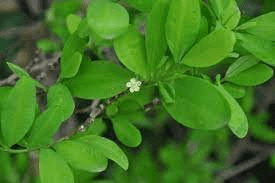
2. Leaves: The leaves of Erythroxylum coca are glossy, elliptical, and arranged alternately along the stems. They are dark green, leathery, and have a prominent midrib.
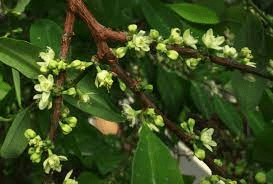
3. Flowers: The plant produces small, inconspicuous flowers that are pale yellow or white in color. The flowers are clustered in axillary racemes.
4. Fruits: The fruits of Erythroxylum coca are small, red berries that contain seeds. These berries are an integral part of the plant's reproductive cycle.
5. Bark: The bark of the shrub is smooth and brown, with a slightly cracked texture as the plant matures.
6. Root System: Erythroxylum coca has a fibrous and shallow root system that aids in its adaptation to various soil conditions.
💬 Have a Farming Question? Join thousands of farmers across Africa on the Agric4Profits Community — ask questions, share experiences and connect with agricultural experts. It is completely free. Ask Your Question Now →
7. Growing Conditions: This plant thrives in warm, humid environments with well-drained soil. It is commonly found in the Andean regions of South America.
8. Adaptations: Erythroxylum coca has developed specific adaptations, such as the production of alkaloids, which contribute to its resilience and survival in its native habitats.
9. Growth Cycle: The growth cycle of Erythroxylum coca involves both vegetative and reproductive stages, with periodic flowering and fruiting.
10. Cultivation: Due to its historical and cultural significance, Erythroxylum coca is cultivated in specific regions for traditional uses, particularly in South America.
The Geographic Distribution of Erythroxylum coca
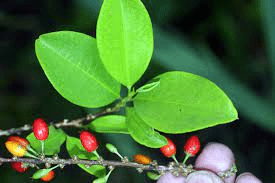
1. Native Habitat: Erythroxylum coca is native to the Andean region of South America, where it has been cultivated for centuries.
2. Countries of Origin: The plant is found primarily in countries like Peru, Bolivia, Colombia, and parts of Ecuador. It thrives in the high-altitude regions of the Andes.
3. Altitudinal Range: Erythroxylum coca exhibits a preference for higher altitudes, typically between 500 and 2,000 meters above sea level.
4. Climatic Requirements: The plant prefers tropical and subtropical climates with consistent rainfall and moderate temperatures.
5. Cultivation Outside Native Regions: Attempts to cultivate Erythroxylum coca outside its native regions have been made, but its successful growth is often limited to specific environmental conditions.
📖 Want to Go Deeper on This Topic?
Our expert agricultural ebooks cover poultry, fish farming, different crops production, snail farming, organic farming, mushrooms, sheep, cattle, flowers, pig farming, goat farming, agribusiness, etc. in practical step-by-step detail — written by agricultural professionals for African farmers.
Browse All Farming Ebooks →6. Adaptation Challenges: The plant faces challenges in adapting to non-native environments, making its cultivation outside the Andean region less common.
7. Conservation Status: Erythroxylum coca is not currently listed as a threatened species. However, conservation efforts may be essential to ensure its sustainable existence.
8. Global Interest: Due to its significance in traditional practices, Erythroxylum coca has garnered global interest, leading to discussions on its cultivation, use, and conservation.
9. Ecological Impact: The cultivation of Erythroxylum coca can have ecological implications, and sustainable practices are crucial to minimize potential environmental effects.
10. Economic Importance: Beyond its traditional uses, Erythroxylum coca plays a role in the economies of certain regions, contributing to both legal and illegal industries.
11. Illicit Cultivation: The plant is associated with the production of cocaine, leading to illicit cultivation and contributing to challenges in its global regulation.
12. Research and Conservation Efforts: Ongoing research and conservation efforts focus on understanding the plant's ecology, addressing cultivation challenges, and promoting sustainable use.
The Chemical Composition of Erythroxylum coca
1. Alkaloids: Erythroxylum coca is rich in alkaloids, with the most notable being cocaine. Other alkaloids present include ecgonine, benzoylecgonine, and truxilline.
2. Cocaine Content: The leaves contain varying levels of cocaine, with concentrations influenced by factors such as plant age, environmental conditions, and cultivation methods.
3. Nutritional Components: Besides alkaloids, the leaves contain essential nutrients such as vitamins (including B vitamins), minerals, and antioxidants.
4. Phytochemicals: Erythroxylum coca contains a range of phytochemicals, including flavonoids and tannins, which contribute to its medicinal properties.
5. Cocaine Metabolites: The metabolism of cocaine in the body produces metabolites like ecgonine methyl ester and benzoic acid, which can be detected in urine.
6. Terpenoids: Some terpenoids, known for their aromatic properties, are found in the essential oils of Erythroxylum coca.
7. Amino Acids: The leaves contain essential amino acids, contributing to their nutritional value.
8. Cocaine Extraction: Traditional methods involve the extraction of cocaine from the leaves through a process that includes soaking, maceration, and chemical separation.
9. Pharmacological Properties: The chemical composition of Erythroxylum coca contributes to its pharmacological properties, including stimulant effects attributed to cocaine.
10. Traditional Uses: Beyond its association with cocaine, traditional uses of Erythroxylum coca involve chewing the leaves for their stimulating and energy-boosting effects.
11. Cocaine Processing: Illicit processing of Erythroxylum coca involves various chemical steps to extract and refine cocaine, leading to legal and health concerns.
12. Research on Alkaloids: Ongoing research explores the potential medicinal properties of alkaloids present in Erythroxylum coca, seeking therapeutic applications while addressing the challenges associated with its use.
13. Global Impact: The global impact of Erythroxylum coca's chemical composition extends beyond its native regions, influencing international drug policies and law enforcement efforts.
14. Cultural Significance: The cultural significance of Erythroxylum coca and its alkaloids is deeply rooted in the traditional practices of indigenous communities, shaping societal attitudes toward the plant.
15. Environmental Considerations: The cultivation and processing of Erythroxylum coca have environmental implications, including deforestation and soil degradation, highlighting the need for sustainable practices.
16. Legal Regulations: The chemical composition of Erythroxylum coca, particularly its association with cocaine, has led to strict legal regulations and international efforts to control its production and trafficking.
Read Also: 16 Medicinal Health Benefits Of Centipeda cunninghamii (Common Sneezeweed)
The Medicinal Health Benefits Of Erythroxylum coca (Coca)
1. Traditional Stimulant: Historically, Erythroxylum coca has been used as a natural stimulant, providing increased energy and alertness.
2. Nutrient-Rich Leaves: The leaves of Erythroxylum coca are rich in essential nutrients, including vitamins, minerals, and antioxidants, contributing to overall health.
3. Appetite Suppression: Some traditional uses include the suppression of appetite, leading to its historical use by indigenous populations during periods of food scarcity.
4. Altitude Sickness Relief: Indigenous communities in high-altitude regions have traditionally used Erythroxylum coca to alleviate symptoms of altitude sickness.
5. Traditional Healing Practices: Erythroxylum coca has been integrated into traditional healing practices for various ailments, showcasing its cultural significance.
6. Energy Boost: The stimulant properties of Erythroxylum coca provide a natural energy boost, making it a traditional remedy for fatigue and physical exertion.
7. Cognitive Enhancement: Traditional uses suggest cognitive enhancement effects, improving focus, concentration, and mental clarity.
8. Digestive Aid: Some traditional applications involve using Erythroxylum coca to aid digestion and alleviate gastrointestinal discomfort.
9. Cultural Rituals: The plant holds cultural importance in rituals and ceremonies, playing a role in the spiritual practices of certain indigenous groups.
10. Potential Analgesic Properties: Limited research suggests potential analgesic (pain-relieving) properties of Erythroxylum coca, contributing to traditional pain management.
11. Wound Healing: Traditional practices involve using Erythroxylum coca for wound healing, with the leaves applied topically.
12. Social and Ceremonial Uses: Beyond medicinal benefits, Erythroxylum coca is used in social and ceremonial contexts, symbolizing cultural identity and traditions.
13. Traditional Medicine Integration: In some regions, Erythroxylum coca continues to be integrated into traditional medicine practices, adapting to modern contexts.
14. Mental Well-being: Traditional applications include the use of Erythroxylum coca for promoting mental well-being and spiritual experiences.
15. Cultural Heritage: The medicinal uses of Erythroxylum coca contribute to the preservation of cultural heritage, passing down traditional knowledge through generations.
16. Challenges and Controversies: The medicinal benefits of Erythroxylum coca are accompanied by challenges and controversies, particularly due to its association with cocaine production and global drug policies.
The Methods of Usage to Achieve the Provided Health Benefits Of Erythroxylum coca (Coca)
1. Chewing the Leaves: Traditional and common, chewing Erythroxylum coca leaves releases the alkaloids, providing a gradual and sustained stimulant effect.
2. Traditional Infusions: Leaves can be used to prepare infusions or teas, offering a milder alternative for those who prefer not to chew the leaves directly.
3. Topical Applications: In traditional medicine, crushed leaves or extracts are applied topically to wounds or injuries for their potential healing properties.
4. Ritualistic Use: In cultural and ceremonial contexts, Erythroxylum coca is incorporated into rituals, symbolizing unity, spirituality, and cultural identity.
5. Energy Elixirs: Infusions or extracts are sometimes used to create energy-boosting elixirs, providing a quick and convenient way to consume Erythroxylum coca.
6. Culinary Applications: Some regions integrate Erythroxylum coca leaves into culinary practices, incorporating them into traditional dishes or as a condiment.
7. Modern Herbal Supplements: In contemporary settings, Erythroxylum coca may be processed into herbal supplements, providing a standardized and regulated form for consumption.
8. Tinctures and Extracts: Tinctures or concentrated extracts offer a potent form of Erythroxylum coca for those seeking specific health benefits.
9. Medicinal Preparations: Traditional healers may prepare specific medicinal formulations, combining Erythroxylum coca with other herbs to address various health concerns.
10. Cultural Ceremonies: The ceremonial use of Erythroxylum coca involves specific methods of preparation and consumption, often guided by cultural traditions.
11. Controlled Dosage Forms: In some applications, Erythroxylum coca is processed into controlled dosage forms, ensuring standardized intake for desired effects.
12. Integration into Modern Wellness Practices: As interest in traditional medicine grows, Erythroxylum coca is explored as part of modern wellness practices, adapting traditional methods to contemporary lifestyles.
Read Also: 16 Medicinal Health Benefits Of Ambrosia arborescens (Giant Ragweed)
The Side Effects Of Using Erythroxylum coca Medicinal Plant
1. Addiction Potential: The alkaloids, particularly cocaine, present in Erythroxylum coca can lead to addiction when used in excess or in concentrated forms.
2. Cardiovascular Effects: Stimulant properties of Erythroxylum coca can result in increased heart rate and blood pressure, posing risks to individuals with cardiovascular conditions.
3. Insomnia and Restlessness: The stimulant nature of Erythroxylum coca may contribute to insomnia and restlessness, especially when consumed in higher quantities.
4. Gastrointestinal Discomfort: Some individuals may experience gastrointestinal issues such as nausea or stomach upset, particularly when chewing the leaves.
5. Anxiety and Agitation: Excessive consumption may lead to heightened anxiety and agitation, affecting mental well-being.
6. Dental Issues: Chewing Erythroxylum coca leaves can contribute to dental problems, including tooth decay and erosion.
7. Potential for Overuse: In traditional settings, the risk of overuse exists, as frequent and prolonged consumption may lead to health complications.
8. Social Implications: The association of Erythroxylum coca with illicit drug production has social implications, contributing to legal challenges and stigmatization.
9. Legal Consequences: The use of Erythroxylum coca, especially in regions where it is associated with illicit activities, may lead to legal consequences.
10. Mental Health Impact: Individuals with pre-existing mental health conditions may be more susceptible to the adverse effects of Erythroxylum coca, exacerbating mental health challenges.
11. Impact on Pregnancy: Limited information is available on the effects of Erythroxylum coca on pregnancy, necessitating caution and professional guidance for pregnant individuals.
12. Workplace and Legal Issues: The presence of Erythroxylum coca in the system may lead to workplace and legal issues due to its association with controlled substances.
13. Impact on Driving and Coordination: The stimulant effects of Erythroxylum coca can impair coordination and judgment, posing risks when operating vehicles or machinery.
14. Risk of Contamination: In regions where Erythroxylum coca is cultivated for illegal purposes, the risk of contamination with harmful substances during processing exists.
15. Limited Regulation: The lack of standardized regulation in the production and consumption of Erythroxylum coca poses challenges in ensuring safe and controlled usage.
16. Environmental Impact: Illicit cultivation practices of Erythroxylum coca may contribute to deforestation and environmental degradation, affecting ecosystems.
Read Also: 20 Medicinal Health Benefits of Entada rheedii (African Dream Bean)
The Scientific Research and Studies of Erythroxylum coca
1. Alkaloid Research: Scientific studies focus on understanding the various alkaloids present in Erythroxylum coca and their effects on the human body.
2. Cocaine Addiction Studies: Research looks into the neurological and psychological aspects of cocaine addiction, addressing potential treatments and interventions.
3. Medicinal Properties: Ongoing studies explore the medicinal properties of Erythroxylum coca beyond its traditional uses, including its potential in pain management and cognitive enhancement.
4. Cultural and Societal Impact Studies: Researchers examine the cultural and societal impact of Erythroxylum coca, considering its role in indigenous communities and broader societal contexts.
5. Pharmacological Investigations: Studies looks into the pharmacological actions of Erythroxylum coca's alkaloids, aiming to understand their mechanisms of action and potential therapeutic applications.
6. Ethnobotanical Research: Ethnobotanical studies focus on the traditional uses of Erythroxylum coca, documenting its cultural significance and the knowledge held by indigenous communities.
7. Sustainable Cultivation Practices: Research efforts explore sustainable cultivation practices for Erythroxylum coca, addressing environmental concerns and promoting ethical production.
8. Cocaine Metabolism Studies: Scientific investigations examine the metabolism of cocaine in the human body, including the formation of metabolites and their detection in biological samples.
9. Altitude Sickness Mitigation: Studies explore the effectiveness of Erythroxylum coca in mitigating altitude sickness, shedding light on its potential applications in high-altitude environments.
10. Mental Health Implications: Research investigates the impact of Erythroxylum coca on mental health, including its effects on mood, cognition, and overall psychological well-being.
11. Phytochemical Analysis: Studies involve in-depth phytochemical analyses of Erythroxylum coca, identifying additional compounds beyond the well-known alkaloids.
12. Conservation Strategies: Research initiatives focus on developing conservation strategies for Erythroxylum coca, aiming to protect its biodiversity and cultural value.
13. Global Drug Policies: Scholars analyze the global impact of Erythroxylum coca on drug policies, considering the legal frameworks and international efforts to control its cultivation and use.
14. Traditional Knowledge Preservation: Efforts are made to document and preserve traditional knowledge related to Erythroxylum coca, recognizing its importance in maintaining biodiversity and cultural heritage.
15. Social and Economic Impacts: Studies explore the social and economic impacts of Erythroxylum coca cultivation, considering both legal and illicit aspects and their implications on communities.
16. Integration into Modern Medicine: Ongoing research investigates the potential integration of Erythroxylum coca into modern medicine, exploring its applications in pharmaceutical contexts.
The Safety Precautions and Recommendations In Using Erythroxylum coca Medicinal Plant
1. Controlled Usage: Exercise caution and control when using Erythroxylum coca, especially in regions where its consumption is associated with legal and social challenges.
2. Professional Guidance: Seek professional guidance before using Erythroxylum coca for medicinal purposes, especially if pre-existing health conditions or medications are involved.
3. Dosage Regulation: If using Erythroxylum coca for its traditional stimulant properties, regulate the dosage to avoid potential adverse effects, including addiction.
4. Legal Compliance: Adhere to local and international laws regarding the use of Erythroxylum coca, recognizing the legal implications associated with its cultivation and consumption.
5. Responsible Cultivation: If cultivating Erythroxylum coca, practice responsible cultivation methods that prioritize environmental sustainability and ethical considerations.
6. Awareness of Addiction Risks: Understand the potential addiction risks associated with Erythroxylum coca, especially due to the presence of alkaloids like cocaine.
7. Avoidance during Pregnancy: Pregnant individuals should avoid the use of Erythroxylum coca due to limited information on its impact on pregnancy.
8. Monitoring Cardiovascular Health: Individuals with cardiovascular conditions should monitor their health closely when considering the use of Erythroxylum coca, given its stimulant effects.
9. Limited Use for Altitude Sickness: While Erythroxylum coca may offer relief from altitude sickness, its use should be limited, and alternative remedies explored under medical supervision.
10. Cultural Sensitivity: When engaging with Erythroxylum coca in cultural or ceremonial contexts, approach the plant with cultural sensitivity and respect for indigenous traditions.
11. Recognizing Social Stigma: Be aware of the social stigma associated with Erythroxylum coca, especially in regions where its cultivation is linked to illicit activities.
12. Environmental Responsibility: Those involved in Erythroxylum coca cultivation should prioritize environmental responsibility, avoiding practices that contribute to deforestation or ecosystem degradation.
13. Mental Health Considerations: Individuals with mental health conditions should exercise caution when considering the use of Erythroxylum coca, given its potential impact on mental well-being.
14. Adherence to Workplace Policies: Individuals subject to workplace drug testing should be aware of potential consequences related to the presence of Erythroxylum coca metabolites.
15. Informed Decision-Making: Before using Erythroxylum coca, engage in informed decision-making, weighing the potential benefits against the risks and legal implications.
16. Support for Sustainable Practices: Support and promote sustainable practices in the cultivation and use of Erythroxylum coca, contributing to conservation efforts and responsible production.
FAQs About Erythroxylum coca Medicinal Plant
1. Is Erythroxylum coca legal?
Erythroxylum coca cultivation and use vary in legality across regions. It is associated with legal challenges due to its connection with cocaine production. Always check local laws and regulations before engaging with Erythroxylum coca.
2. What are the traditional uses of Erythroxylum coca?
Traditionally, Erythroxylum coca has been used as a stimulant, energy booster, and appetite suppressant. It is also integrated into cultural and ceremonial practices among indigenous communities.
3. Can Erythroxylum coca be used for altitude sickness?
Some traditional uses suggest that Erythroxylum coca may alleviate symptoms of altitude sickness. However, it is essential to seek medical advice for altitude-related issues and explore alternative remedies.
4. Is there scientific research on the health benefits of Erythroxylum coca?
Yes, scientific research is ongoing to explore the medicinal properties of Erythroxylum coca. Studies focus on its alkaloids, potential therapeutic applications, and cultural significance.
5. What precautions should be taken when using Erythroxylum coca?
Precautions include controlled usage, professional guidance, dosage regulation, legal compliance, and awareness of addiction risks. Pregnant individuals and those with cardiovascular conditions should exercise caution.
6. How is Erythroxylum coca used traditionally?
Traditional methods include chewing the leaves, preparing infusions or teas, applying crushed leaves topically, and incorporating the plant into rituals and ceremonies. Dosage and methods may vary based on cultural practices.
7. Can Erythroxylum coca be cultivated sustainably?
Efforts are underway to explore sustainable cultivation practices for Erythroxylum coca. Responsible cultivation methods aim to minimize environmental impact and promote ethical production.
8. What is the association between Erythroxylum coca and cocaine?
Erythroxylum coca is the source of cocaine, a powerful stimulant. Illicit processing of the plant's leaves results in cocaine production, leading to legal and social challenges associated with its use.
9. Are there alternatives to using Erythroxylum coca for energy-boosting purposes?
Yes, several alternatives, such as natural dietary sources of energy, herbal teas, and lifestyle adjustments, can provide energy without the potential risks associated with Erythroxylum coca.
10. How can Erythroxylum coca be integrated into modern wellness practices?
Integration may involve controlled dosage forms, herbal supplements, or adaptations of traditional methods to align with modern wellness practices. This should be explored responsibly, considering legal and health implications.
11. What is the impact of Erythroxylum coca on mental health?
Limited research suggests potential impacts on mental well-being, including cognitive enhancement and mood effects. Individuals with pre-existing mental health conditions should approach its use with caution.
12. How can the environmental impact of Erythroxylum coca cultivation be addressed?
Environmental responsibility in Erythroxylum coca cultivation includes avoiding deforestation, promoting sustainable practices, and supporting conservation efforts. Responsible cultivation can help minimize negative ecological consequences.
13. Is there ongoing research on Erythroxylum coca's medicinal properties?
Yes, ongoing research explores various aspects of Erythroxylum coca, including its alkaloids, potential therapeutic applications, and cultural uses. Scientific studies contribute to a deeper understanding of the plant and its implications.
14. How can cultural sensitivity be maintained when engaging with Erythroxylum coca?
Maintaining cultural sensitivity involves respecting indigenous traditions, seeking permission when necessary, and avoiding cultural appropriation. It is essential to approach Erythroxylum coca with a deep appreciation for its cultural significance.
15. What are the risks associated with addiction to Erythroxylum coca?
The alkaloids present in Erythroxylum coca, particularly cocaine, can lead to addiction when used excessively. Controlled usage, awareness of addiction risks, and seeking professional guidance are crucial in mitigating these risks.
16. Can Erythroxylum coca be used in modern medicine?
Ongoing research explores the potential integration of Erythroxylum coca into modern medicine. This includes investigating its alkaloids for therapeutic applications while addressing challenges related to legal and social perceptions.
Do you have any questions, suggestions, or contributions? If so, please feel free to use the comment box below to share your thoughts. We also encourage you to kindly share this information with others who might benefit from it. Since we can’t reach everyone at once, we truly appreciate your help in spreading the word. Thank you very much for your support and for sharing!
Disclaimer: This article is for educational and informational purposes only. The health benefits described are based on scientific research and traditional knowledge. They ayre not a substitute for professional medical advice, diagnosis, or treatment. Always consult a healthcare professional before using any herb or natural remedy for medical purposes.
Read Also: Hydroponics Guide 101: All You Need to Know About it
🌱 Take Your Farming Further With Agric4Profits
Based on what you just read, here are free resources and products from Agric4Profits that can help your farm right now:
- 🛒 Visit Our Marketplace — Organic neem oil, bio-pesticides, seeds and farming products
- 📚 Read Premium Content — Advanced guides for serious and profitable farming
- 🎓 Join Our Free Academy — Structured free training for farmers across Africa
- 🔧 Use Our Free Farm Tools — Profit calculators, feed formulation, pest identifier and more
- 💬 Join Our Farming Community — Connect with farmers across all 54 African countries
- ❓ Ask a Farming Question — Get answers from experienced farmers and agricultural experts
Please cite this content in academic work, research, or publications.