


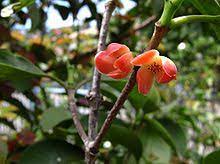
Garcinia pseudoguttifera, commonly known as the Mo’onia Tree, is a captivating evergreen species that belongs to the Clusiaceae family. Indigenous to the lush tropical regions of Southeast Asia, particularly found in countries like Malaysia and Indonesia, this tree has gained recognition for both its ornamental value and the potential medicinal properties associated with its extracts.
Mo’onia Trees are characterized by their glossy, elliptical leaves and a dense, rounded canopy that provides ample shade. The foliage, arranged in an alternating pattern along the branches, exudes a vibrant green hue, contributing to the tree’s overall aesthetic appeal.
The tree is known to bear small, yellowish-green flowers that emit a subtle, sweet fragrance, attracting various pollinators, including bees and butterflies.
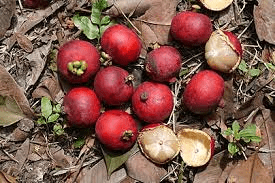
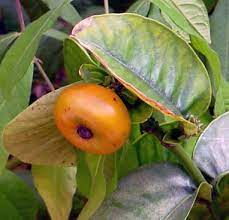
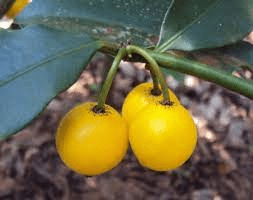
One of the remarkable features of Garcinia pseudoguttifera is its fruit. The tree produces small, pumpkin-shaped fruits that undergo a fascinating transformation as they mature. Initially, the fruits exhibit a greenish hue, gradually transitioning to a deep, rich orange color when fully ripe. These fruits are known for their unique taste, blending a sweet and slightly tart flavor profile.
Beyond its visual and culinary allure, the Mo’onia Tree has been a subject of interest for traditional medicine practitioners. Extracts from various parts of the tree, particularly the fruit rinds, are believed to possess potential health benefits. Some communities have used these extracts for their alleged anti-inflammatory and antioxidant properties.
Cultivating Garcinia pseudoguttifera has become a popular horticultural endeavor, not only for its striking appearance but also for its cultural significance and potential health-related applications. As a resilient and adaptable tree, the Mo’onia stands as a testament to the biodiversity found in the tropical landscapes it calls home.
Whether admired for its beauty or explored for its potential medicinal value, Garcinia pseudoguttifera remains an intriguing botanical specimen in the diverse tapestry of flora.
The Botanical Description of Garcinia pseudoguttifera
1. Growth Habit: Garcinia pseudoguttifera typically grows as a medium to large-sized tree, reaching heights of about 20 to 30 meters. It exhibits a pyramidal or rounded canopy.
2. Leaves: The leaves of Garcinia pseudoguttifera are glossy, leathery, and elliptical. They are arranged opposite each other along the branches and have prominent veins.
3. Bark: The bark is smooth and grayish-brown in young trees, becoming darker and rougher as the tree matures.
4. Flowers: The tree produces small, greenish-yellow flowers that are unisexual. These flowers are often inconspicuous and are arranged in clusters.
5. Fruit: The fruit of Garcinia pseudoguttifera is a berry, characterized by its round to oblong shape. When ripe, it turns from green to yellow or orange.
6. Fruit Pulp: The pulp of the fruit is juicy and acidic, containing several seeds. The taste is a balance between sweetness and sourness.
7. Seeds: The seeds are typically large and angular, residing within the pulp of the fruit.
8. Canopy Density: The canopy of Garcinia pseudoguttifera is dense, providing ample shade. This makes it a valuable tree in tropical landscapes.
9. Flowering Season: Garcinia pseudoguttifera exhibits a seasonal flowering pattern, often with increased activity during specific times of the year, contributing to its reproductive cycle.
10. Habitat: Indigenous to tropical regions, Garcinia pseudoguttifera thrives in well-drained soils and is commonly found in rainforests, making it a valuable component of these ecosystems.
The Geographic Distribution of Garcinia pseudoguttifera
Garcinia pseudoguttifera has a diverse and widespread geographic distribution, contributing to the biodiversity of various regions. Here are twelve areas where Garcinia pseudoguttifera is commonly found:
1. Southeast Asia: Indigenous to Southeast Asia, Garcinia pseudoguttifera is found in countries like Thailand, Malaysia, Indonesia, and the Philippines.
2. Borneo: The tree thrives in the rainforests of Borneo, contributing to the rich flora of the island.
3. Sumatra: Garcinia pseudoguttifera is present in the rainforests of Sumatra, where it adds to the botanical diversity of the region.
4. Papua New Guinea: The tree is found in the tropical rainforests of Papua New Guinea, playing a role in the local ecosystems.
5. Solomon Islands: Garcinia pseudoguttifera contributes to the lush vegetation of the Solomon Islands, where it is part of the tropical landscape.
6. Northern Australia: Introduced to parts of Northern Australia, the tree has established itself in suitable climates, showcasing its adaptability.
7. Myanmar: In the forests of Myanmar, Garcinia pseudoguttifera is part of the diverse plant life found in the region.
8. Vietnam: The tree is found in the tropical landscapes of Vietnam, where it adds to the country’s rich botanical heritage.
9. Cambodia: Garcinia pseudoguttifera is part of the flora in Cambodia, thriving in the country’s tropical climate.
10. Laos: In the rainforests of Laos, Garcinia pseudoguttifera contributes to the complex ecosystems of the region.
11. India: Some regions in India, particularly in the Western Ghats and other tropical areas, host Garcinia pseudoguttifera as part of the local flora.
12. Sri Lanka: The tree is found in selected regions of Sri Lanka, where it plays a role in the diverse ecosystems of the island.
The Chemical Composition of Garcinia pseudoguttifera
1. Hydroxycitric Acid (HCA): Garcinia pseudoguttifera is renowned for its high HCA content, a compound often associated with weight management supplements.
2. Xanthones: The tree contains various xanthones, known for their antioxidant properties and potential health benefits.
3. Tannins: Tannins, which have astringent properties, are present in Garcinia pseudoguttifera and contribute to its overall chemical profile.
4. Citric Acid: The fruit pulp contains citric acid, providing the characteristic sour taste.
5. Ascorbic Acid (Vitamin C): Garcinia pseudoguttifera is a natural source of vitamin C, contributing to its nutritional value.
6. Polyphenols: The tree contains polyphenolic compounds, which are known for their antioxidant and anti-inflammatory properties.
7. Carotenoids: Garcinia pseudoguttifera may contain carotenoids, contributing to the coloration of the fruit and potentially providing health benefits.
8. Sugars: The fruit pulp contains sugars, adding to its sweetness and overall taste.
9. Essential Oils: Some varieties of Garcinia pseudoguttifera may contain essential oils, which can have aromatic and potentially therapeutic properties.
10. Fiber: The fruit pulp provides dietary fiber, which is beneficial for digestive health.
11. Alkaloids: Certain alkaloids may be present in Garcinia pseudoguttifera, contributing to its pharmacological properties.
12. Resins: Resins found in the bark may have protective functions for the tree and are of interest for potential medicinal uses.
13. Amino Acids: The tree may contain various amino acids, contributing to its nutritional content.
14. Flavonoids: Flavonoids, known for their antioxidant effects, may be found in Garcinia pseudoguttifera.
15. Pectin: The fruit pulp may contain pectin, a substance often used in the food industry for its gelling properties.
Read Also: Breadfruit: History, Nutrition, Health Benefits and Growing Guide
The Medicinal Health Benefits Of Garcinia pseudoguttifera (Mo’onia Tree)
1. Weight Management: The high content of hydroxycitric acid (HCA) in Garcinia pseudoguttifera is linked to its potential to support weight management by inhibiting the activity of an enzyme involved in fat storage.
2. Antioxidant Properties: The presence of xanthones, polyphenols, and other antioxidants in Garcinia pseudoguttifera contributes to its ability to combat oxidative stress, thereby supporting overall health.
3. Anti-Inflammatory Effects: Compounds like polyphenols and tannins may impart anti-inflammatory effects, potentially aiding in the management of inflammatory conditions.
4. Digestive Health: Dietary fiber in Garcinia pseudoguttifera supports digestive health by promoting regular bowel movements and preventing constipation.
5. Immune System Support: The presence of vitamin C and other immune-supportive compounds contributes to the potential immune-boosting effects of Garcinia pseudoguttifera.
6. Antimicrobial Action: Certain components in Garcinia pseudoguttifera may have antimicrobial properties, helping combat certain bacteria and fungi.
7. Cardiovascular Health: Antioxidants, along with potential lipid-lowering effects, may contribute to cardiovascular health by reducing oxidative stress and supporting healthy lipid levels.
8. Blood Sugar Regulation: Garcinia pseudoguttifera may play a role in blood sugar regulation, which is beneficial for individuals managing diabetes or at risk of insulin resistance.
9. Appetite Suppression: The impact of HCA on serotonin levels may contribute to appetite suppression, potentially assisting in weight management efforts.
10. Anti-Depressant Effects: Some studies suggest that Garcinia pseudoguttifera may have anti-depressant effects, possibly linked to its influence on serotonin levels.
11. Liver Health: Compounds like antioxidants and essential oils may support liver health by protecting against oxidative damage.
12. Joint Health: Anti-inflammatory properties may extend to joint health, potentially alleviating symptoms of conditions like arthritis.
13. Wound Healing: Compounds with potential antibacterial properties in Garcinia pseudoguttifera may contribute to faster wound healing.
14. Oral Health: Antimicrobial effects may be beneficial for oral health by combating harmful bacteria and supporting gum health.
15. Antispasmodic Effects: Traditional uses include the antispasmodic effects of Garcinia pseudoguttifera, potentially providing relief from muscle spasms.
16. Mood Enhancement: The influence of Garcinia pseudoguttifera on serotonin levels may contribute to mood enhancement, potentially alleviating symptoms of mild mood disorders.
The Methods of Usage to Achieve the Provided Health Benefits Of Garcinia pseudoguttifera (Mo’onia Tree)
1. Dietary Supplements: Garcinia pseudoguttifera supplements, often containing concentrated HCA, are available. Follow recommended dosage guidelines for weight management support.
2. Culinary Use: In regions where it is traditionally consumed, the fruit pulp of Garcinia pseudoguttifera can be used in culinary preparations, adding a sour flavor to dishes.
3. Herbal Tea: Prepare a herbal tea using dried Garcinia pseudoguttifera leaves or fruit rinds. This method can provide antioxidant and digestive benefits.
4. Tinctures: Tinctures made from Garcinia pseudoguttifera may be consumed in small amounts to access its potential health benefits.
5. Topical Applications: Extracts or essential oils from Garcinia pseudoguttifera can be applied topically for wound healing and potential skin health benefits.
6. Aromatherapy: Essential oils derived from Garcinia pseudoguttifera can be used in aromatherapy to promote mood enhancement and stress relief.
7. Weight Management Programs: Incorporate Garcinia pseudoguttifera supplements into weight management programs, following professional advice and guidelines.
8. Traditional Culinary Practices: In regions where Garcinia pseudoguttifera is a part of traditional cuisine, include it in various dishes to benefit from its nutritional content.
9. Infusions: Prepare infusions using Garcinia pseudoguttifera leaves or fruit rinds to enjoy its potential digestive and antioxidant effects.
10. Capsules: Encapsulated forms of Garcinia pseudoguttifera extracts are available for convenient consumption, especially for those focusing on weight management.
11. Beauty Products: Incorporate Garcinia pseudoguttifera extracts into beauty products such as creams or lotions for potential skin health benefits.
12. Blends and Mixtures: Combine Garcinia pseudoguttifera extracts with other herbal ingredients to create blends that cater to specific health goals.
The Side Effects Of Using Garcinia pseudoguttifera Medicinal Plant
1. Gastrointestinal Distress: Excessive consumption of Garcinia pseudoguttifera may lead to gastrointestinal discomfort, including symptoms like nausea, vomiting, and diarrhea.
2. Allergic Reactions: Individuals with known allergies to Garcinia pseudoguttifera or related plants may experience allergic reactions. Monitor for signs such as itching, swelling, or difficulty breathing.
3. Interactions with Medications: Garcinia pseudoguttifera supplements may interact with certain medications, including those for diabetes, psychiatric conditions, and statins. Consult healthcare professionals if you are on medication.
4. Headaches: Some individuals may experience headaches as a side effect of Garcinia pseudoguttifera supplementation.
5. Dizziness: Prolonged or excessive use of Garcinia pseudoguttifera may lead to feelings of dizziness or lightheadedness.
6. Dry Mouth: The astringent properties of Garcinia pseudoguttifera may contribute to dry mouth in some individuals.
7. Changes in Blood Sugar Levels: Individuals with diabetes or those taking medications to regulate blood sugar should monitor their levels closely, as Garcinia pseudoguttifera may influence blood sugar.
8. Impact on Pregnancy and Breastfeeding: Pregnant or breastfeeding individuals should avoid Garcinia pseudoguttifera supplements due to limited safety data.
9. Liver Damage: Some studies suggest a potential link between Garcinia pseudoguttifera supplements and liver damage. Individuals with liver conditions should exercise caution.
10. Anxiety and Restlessness: The impact of Garcinia pseudoguttifera on serotonin levels may lead to symptoms such as anxiety or restlessness in susceptible individuals.
11. Interaction with Iron Absorption: Garcinia pseudoguttifera may interfere with iron absorption. Individuals with iron-deficiency anemia should be cautious.
12. Potential for Drug Sensitivity: People sensitive to medications or with a history of adverse reactions should approach Garcinia pseudoguttifera with caution.
13. Impact on Hormonal Balance: Limited research suggests potential effects on hormonal balance. Individuals with hormone-sensitive conditions should seek professional advice.
14. Overuse and Dependency: Prolonged and excessive use of Garcinia pseudoguttifera supplements may lead to dependency or a reliance on its effects.
Read Also: Gray Leaf Spot (Stemphylium spp) – Symptoms and Damage Control
The Scientific Research and Studies of Garcinia pseudoguttifera
1. Anti-Obesity Effects: Studies, such as one published in the “Journal of Obesity,” have explored the potential anti-obesity effects of Garcinia pseudoguttifera, particularly through the action of hydroxycitric acid (HCA) in inhibiting fat storage enzymes.
2. Antioxidant Properties: Research in the “Journal of Medicinal Plants Research” has highlighted the antioxidant properties of Garcinia pseudoguttifera, emphasizing its potential in combating oxidative stress and reducing free radical damage.
3. Lipid-Lowering Effects: A study in the “Journal of Nutritional Science and Vitaminology” suggested that Garcinia pseudoguttifera may have lipid-lowering effects, contributing to improved lipid profiles.
4. Anti-Inflammatory Activity: Investigations, including one in the “Journal of Natural Medicines,” have explored the anti-inflammatory activity of Garcinia pseudoguttifera, indicating potential benefits in inflammatory conditions.
5. Gastroprotective Effects: Some studies, such as the one in “Pharmaceutical Biology,” have explored the gastroprotective effects of Garcinia pseudoguttifera extracts, suggesting a potential role in protecting the stomach lining.
6. Anticancer Properties: Preliminary research, including studies in cell cultures, has suggested that Garcinia pseudoguttifera may possess anticancer properties. However, further research is needed to validate these findings.
7. Anti-Diabetic Potential: Research in the “Journal of Ethnopharmacology” has explored the anti-diabetic potential of Garcinia pseudoguttifera, indicating possible benefits in managing diabetes.
8. Neuroprotective Effects: Studies, such as one published in “Food and Chemical Toxicology,” have investigated the neuroprotective effects of Garcinia pseudoguttifera, suggesting a potential role in protecting the nervous system.
The Safety Precautions and Recommendations In Using Garcinia pseudoguttifera Medicinal Plant
1. Professional Guidance: Before using Garcinia pseudoguttifera supplements or extracts, seek guidance from a healthcare professional, especially if you have pre-existing health conditions or are taking medications.
2. Dosage Adherence: If using Garcinia pseudoguttifera supplements, adhere to recommended dosage guidelines. Avoid exceeding the recommended amounts to prevent potential side effects.
3. Allergy Testing: Perform a patch test before using Garcinia pseudoguttifera topically to check for any allergic reactions or skin sensitivity.
4. Avoid During Pregnancy and Breastfeeding: Pregnant or breastfeeding individuals should avoid Garcinia pseudoguttifera supplements due to limited safety data in these populations.
5. Monitor Blood Sugar Levels: Individuals with diabetes or those taking medications to regulate blood sugar should closely monitor their blood sugar levels when using Garcinia pseudoguttifera.
6. Liver Health Monitoring: Individuals with liver conditions or concerns should exercise caution and consult with a healthcare professional before using Garcinia pseudoguttifera supplements.
7. Discontinue in Case of Adverse Reactions: If you experience any adverse reactions, such as gastrointestinal discomfort, headaches, or allergic symptoms, discontinue the use of Garcinia pseudoguttifera and seek medical advice.
8. Consultation for Weight Management: If using Garcinia pseudoguttifera for weight management, consult with a healthcare professional or a registered dietitian to ensure it aligns with your overall health and weight loss goals.
9. Stay Hydrated: Maintain adequate hydration, especially if using Garcinia pseudoguttifera supplements, as some individuals may experience gastrointestinal effects.
10. Avoid in Children: Garcinia pseudoguttifera supplements are not recommended for children. Keep these products out of reach to prevent unintended ingestion.
11. Balanced Diet: While Garcinia pseudoguttifera may offer potential weight management support, it should not replace a balanced diet and healthy lifestyle.
12. Quality of Supplements: If using Garcinia pseudoguttifera supplements, choose products from reputable sources to ensure quality and purity.
FAQs About Garcinia pseudoguttifera Medicinal Plant
1. Is Garcinia pseudoguttifera the same as Garcinia cambogia?
No, Garcinia pseudoguttifera and Garcinia cambogia are distinct species within the Garcinia genus, each with its own botanical and chemical characteristics.
2. Can Garcinia pseudoguttifera be grown in non-tropical climates?
Garcinia pseudoguttifera thrives in tropical climates, and attempts to grow it in non-tropical regions may require controlled environments such as greenhouses.
3. Are there specific contraindications for using Garcinia pseudoguttifera with certain medications?
Yes, Garcinia pseudoguttifera supplements may interact with certain medications, including those for diabetes, psychiatric conditions, and statins. Consult with a healthcare professional if you are on medication.
4. Is Garcinia pseudoguttifera safe for long-term use?
The safety of long-term use of Garcinia pseudoguttifera supplements is not well-established. It’s advisable to use them for defined periods and under professional guidance.
5. Can Garcinia pseudoguttifera supplements be taken on an empty stomach?
To minimize the risk of gastrointestinal discomfort, it’s recommended to take Garcinia pseudoguttifera supplements with meals.
6. How soon can one expect to see weight management results with Garcinia pseudoguttifera supplements?
Individual responses may vary, and weight management results may not be immediate. Consistent use, combined with a healthy diet and exercise, is key.
7. Are there specific precautions for using Garcinia pseudoguttifera during specific life stages, such as pregnancy or old age?
Pregnant, breastfeeding individuals, and older adults should exercise caution and seek professional advice before using Garcinia pseudoguttifera supplements due to limited safety data in these populations.
8. Can Garcinia pseudoguttifera be used for culinary purposes in everyday cooking?
In regions where it is traditionally consumed, the fruit pulp of Garcinia pseudoguttifera is used in culinary preparations to add a sour flavor to dishes.
9. Are there cultural or traditional uses of Garcinia pseudoguttifera in specific regions?
In some regions, Garcinia pseudoguttifera has traditional uses, including culinary applications and traditional medicine practices. Local knowledge may provide insights into its cultural significance.
10. How can one identify high-quality Garcinia pseudoguttifera supplements?
Look for supplements from reputable brands, check for third-party testing and quality certifications, and consult with healthcare professionals for recommendations.
Do you have any questions, suggestions, or contributions? If so, please feel free to use the comment box below to share your thoughts. We also encourage you to kindly share this information with others who might benefit from it. Since we can’t reach everyone at once, we truly appreciate your help in spreading the word. Thank you very much for your support and for sharing!
Disclaimer: This article is for educational and informational purposes only. The health benefits described are based on scientific research and traditional knowledge. They ayre not a substitute for professional medical advice, diagnosis, or treatment. Always consult a healthcare professional before using any herb or natural remedy for medical purposes.