


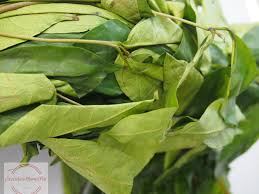
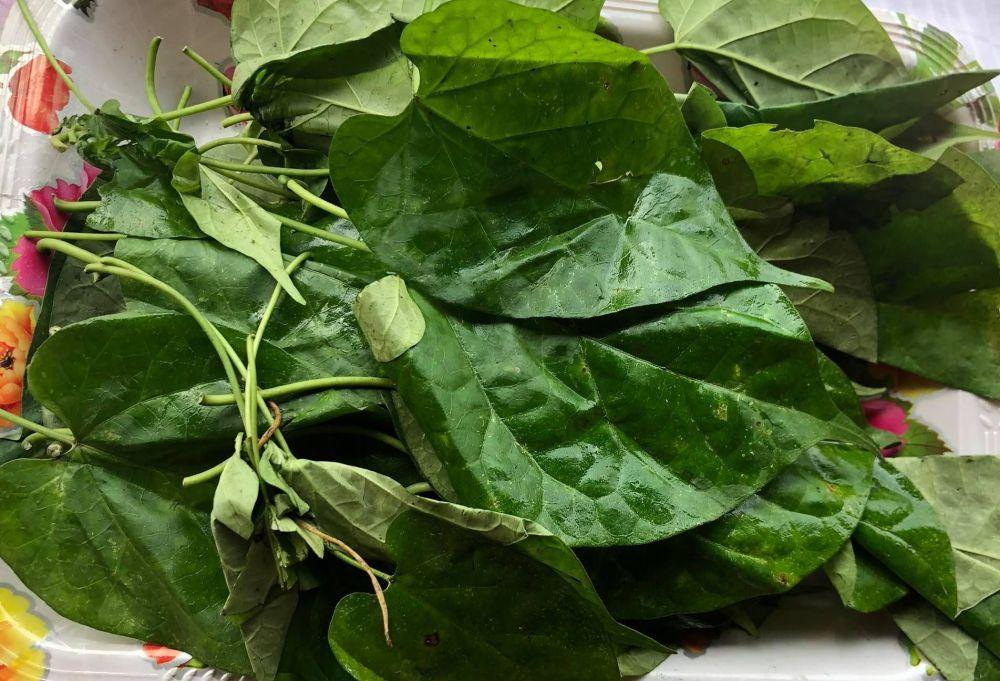
Utazi is a heart-shaped leaf plant with a distinct, intense, bitter, and barely sweet flavor when eaten raw or fresh. It is widespread for enhancing the taste of soups and for having countless fitness advantages. It is scientifically known as Gongronema latifolium, additionally regarded as Utazi in Igbo, and Arokeke amongst the Yorubas in Nigeria’s South-Western and South-Eastern regions, it is a member of the Asclepiadaceae plant family is a tropical rainforest plant that is largely used as a spice and vegetable in common medicine.
Bitter herbs, such as Utazi, bitter leaf, Phyllanthus, and others, are acknowledged to be digestive stimulants.
They improve the activities of the pancreas, manipulate blood sugar, and promote the detoxifying operations of the liver with the aid of stimulating the float of bile and boosting the urge for food for meals.
Utazi Leaf and Diabetes
Too a good deal of sugar can create significant fitness worries if it is not treated in the blood over lengthy intervals of time.
Hyperglycemia can injure the blood arteries that carry blood to vital organs, increasing the danger of coronary heart sickness and stroke, nerve disorders, kidney illness, and eye issues. Utazi leaf has been found in studies to assist minimize blood sugar levels.
Read Also: 8 Health Benefits of Gnetum Africanum (Ukazi or Afang) Leaves
Utazi Leaf Health Benefits – 10 Surprising Health Benefits of Utazi Leaves

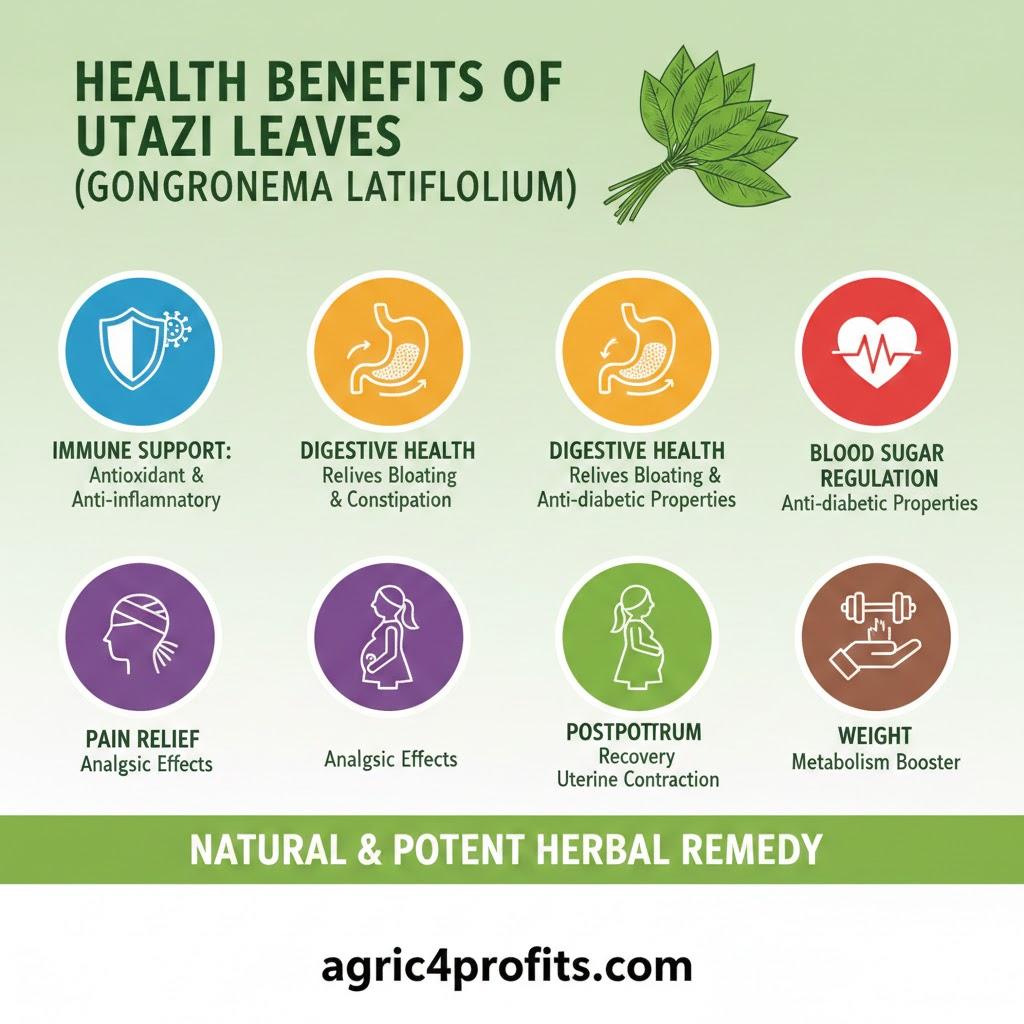
1. Protect the Liver
The physique can’t operate efficiently if the liver is weak. Aside from hepatitis; toxic or viral, different elements that harm the liver consist of artificial hormones (xenoestrogen), certain analgesics, overeating, starvation, worm infestation, mental breakdown, and fatty and over-cooked meals.
The detoxifying features have a right to affect the liver as well, given that they are a top-notch treatment for viral hepatitis and bilharzia. The leaves are on occasion used to counteract the intoxicating consequences of alcohol.
2. It has a detoxifying impact (Anti-detox)
The procedure thru which the liver removes waste elements is acknowledged as detoxification.
Utazi juice can assist to improve general liver function and stop it from becoming overworked.
It aids in the treatment or prevention of other liver diseases such as hepatitis, which is unique by using liver inflammation, along with reduced intoxication.
3. Utazi Leaf Helps Relieve pain
Utazi can additionally be used to deal with pain in other physique parts. Rubbing Utazi leaves on bruises and cuts, for example, can resource to stop bleeding and relieve pain. It is additionally used to treat and manage inside discomfort, such as muscular and joint pain.
Read Also: Achi Seed (Brachystegia Eurycoma): All You Need to Know About
4. Immune system enhancer
Antioxidant houses are one of the many advantages of Utazi leaves.
It carries anti-oxidants, which aid in warfare in opposition to free radicals, which can damage the body’s organs.
This helps to enhance the immune system. It accomplishes this by improving the body’s ability to deal with infections and stop a variety of ailments.
5. After-pregnancy remedy that works
To counteract the outcomes of pregnancy, nursing moms drink Utazi. It’s used to cut back the belly after an infant is born, clean the uterus, and aid weight reduction. It also aids in the recuperation of the physique following the pregnant time.
6. It helps with bowel movement
Constipation and digestion have a terrible or impartial effect on bowel movement. People who have taken Utazi leaves either as juice or soup for this cause have given testimony.
It helps to enhance digestion, and ease constipation, as nicely as stop it. It does so through softening the stool, which is essential due to the fact challenging stool is usually an indication of constipation.
Utazi juice helps with other related problems consisting of belly cramps and diarrhea.
Read Also: Paint Recycling Complete Step-By-Step Guide
7. Utazi Leaves Lowers blood sugar
Blood sugar tiers are reduced. Utazi leaves additionally assist to decrease blood sugar degrees in the body. For diabetic people, this can be a big relief.
Because of its anti-oxidant properties, it can help manage some diabetic signs and symptoms and regulate blood sugar.
Loads of native/traditional drug treatments practitioners make use of Utazi leaves to make efficient diabetic Mellitus medicines.
8. Infections brought about by using bacteria are treated
Utazi leaf’s antibacterial traits make it useful in the therapy of bacterial infections like Staphylococcus aureus (staph).
9. It works as a malaria therapy
However, before the invention of medicines and drugs, Utazi was once used to cure malaria. It can be used all on my own or mixed with other plant life to create a strong herb that can useful resource in the removal of malaria and the restoration of health. In several studies, utazi leaves were found to have antiplasmodial properties.
10. Stops most cancers cells from growing
Utazi leaves might also assist in cease most cancer cells from developing in the body. This is due to its anti-inflammatory and antioxidant properties.
The extract/juice can assist to stop these free radicals from creating ailments and inflammation, which can lead to DNA harm and cancer.
Other Benefits of Utazi Leaves
(1) Both girl and male fertility are improved through the use of utazi leaves mixture.
(2) utazi leaf and excessive blood pressure help limit excessive blood pressure.
(3) People with allergies can consume utazi leaves or infuse roots to help reduce their symptoms.
(4) Soaking of Gongronema latifolium leaves in alcohol can additionally be used to deal with viral hepatitis and bilharzia.
(5) Before drinking the Arokeke stems, some countries infuse them with lime juice, which features as a purgative to relieve stomach aches and belly colic.
(6) Gongronema Latifolium can help breastfeeding/lactating mothers manipulate their weight and preserve a healthy physique system.
(7) Utazi latex coming from the fruits can be used to treat a tooth that has been dentally decayed.
Scientific Evidence and Case Studies on Utazi Leaves (Gongronema latifolium)
1. Hypoglycemic and hypolipidemic effects: Consumption of Gongronema latifolium leaves for six weeks significantly reduced plasma glucose, cholesterol, triglycerides, and LDL-C levels in healthy adults, suggesting benefits for diabetes and cardiovascular management.
2. Antioxidant and anti-diabetic activity in models: Leaf extracts increased antioxidant enzyme activities (superoxide dismutase, catalase, glutathione peroxidase) and reduced lipid peroxidation in diabetic rat models, exerting antidiabetic effects through antioxidant properties.
3. Modulation of hyperglycemia and inflammation: Aqueous leaf extract modulated glucose homeostasis, inhibited redox imbalance, and reduced inflammatory markers (IL-2, IL-6) in alloxan-induced diabetic nephropathy in rats.
4. Antibacterial properties: Methanol and aqueous extracts showed activity against pathogens like Staphylococcus aureus, Pseudomonas aeruginosa, Escherichia coli, and Salmonella species, with low minimum inhibitory concentrations supporting traditional antimicrobial uses.
5. Hepatoprotective and detoxifying effects: Extracts protect the liver by enhancing detoxification, reducing oxidative stress, and showing potential against hepatitis and alcohol intoxication in traditional and preliminary studies.
Nutritional Value Of Utazi Leaves (Gongronema latifolium)
Utazi leaves (Gongronema latifolium) are nutrient-rich, particularly in dry matter basis, with approximate values from analyses:
1. Crude protein: Around 27%, providing high-quality protein with essential amino acids like leucine, valine, phenylalanine, aspartic acid, glutamic acid, and glycine for tissue repair and growth.
2. Vitamins: Rich in vitamin A, C, E, and others (including B vitamins like B5, B7, B9), supporting immune function, vision, antioxidant protection, and skin health.
3. Minerals: High in potassium (dominant at ~332 mg/kg or higher in some analyses), calcium, sodium, phosphorus, magnesium, iron, and trace elements like cobalt for electrolyte balance, bone health, and metabolism.
4. Dietary fiber: About 10-11%, aiding digestion, promoting bowel regularity, and supporting gut health.
5. Antioxidants and phytochemicals: Contains flavonoids, alkaloids, saponins, tannins, and polyphenols that combat oxidative stress and inflammation.
6. Lipids and fatty acids: Moderate fat content (~6%) with a mix of saturated (e.g., palmitic acid) and unsaturated fatty acids for energy and cellular function.
7. Low calories with high nutrient density: Offers carbohydrates (NFE ~44%) and overall low energy while being packed with bioactive compounds for health support.
Summary of Utazi Leaves (Gongronema latifolium)
| Aspect | Description |
|---|---|
| What are Utazi Leaves | Heart-shaped, bitter-tasting leaves from Gongronema latifolium (also called Utazi in Igbo, Arokeke in Yoruba), a tropical rainforest climbing shrub in the Asclepiadaceae family, used as spice, vegetable, and traditional medicine in West Africa (Nigeria, etc.). |
| Nutritional Highlights | High in protein (~27%), vitamins A/C/E, minerals (potassium, calcium, iron), fiber, antioxidants, flavonoids, alkaloids, saponins; supports overall nutrition with low calories. |
| Key Health Benefits | Protects liver (detoxifies, treats hepatitis/bilharzia), relieves pain (bruises, joints, muscles), boosts immunity (antioxidants fight free radicals), aids post-pregnancy recovery (uterus cleansing, weight loss, belly reduction), improves digestion/bowel movement (eases constipation, diarrhea, cramps), lowers blood sugar (diabetes management), treats bacterial infections/malaria, stops cancer cell growth (anti-inflammatory/antioxidant), enhances fertility, reduces high blood pressure, alleviates allergies, supports heart health (hypolipidemic). |
| Common Uses | Eaten raw (small amounts), added to soups (e.g., Nkwobi, Isi Ewu), juiced for medicinal drinks, rubbed on wounds/cuts, soaked in alcohol for hepatitis, infused with lime for purgative effects, used in traditional remedies for various ailments. |
| Preparation Methods | Juice fresh leaves for detox/diabetes, chew or infuse for pain/immunity, cook in soups for flavor/digestion, combine with other herbs for malaria/fertility. |
| Precautions | Use in moderation to avoid stomach upset; consult doctor during pregnancy or for serious conditions (e.g., diabetes, malaria); not a substitute for medical treatment. |
| Overall | Versatile bitter herb with strong traditional and emerging scientific support for digestive, anti-diabetic, antioxidant, antimicrobial, and detox benefits; nutrient-dense addition to diets for wellness in West African cuisine and medicine. |
Frequently Asked Questions About Utazi Leaves (Gongronema latifolium)
1. What is Utazi leaves and its scientific name?
Utazi leaves come from Gongronema latifolium, a bitter, heart-shaped leaf plant used as a spice and medicinal herb in West Africa, known as Utazi (Igbo) or Arokeke (Yoruba).
2. What are the main health benefits of Utazi leaves?
They support liver protection and detoxification, lower blood sugar for diabetes, improve digestion and relieve constipation, boost immunity with antioxidants, relieve pain, aid post-pregnancy recovery, treat infections/malaria, reduce inflammation, and may help prevent cancer growth.
3. How does Utazi help with diabetes?
It lowers blood sugar levels through hypoglycemic effects, regulates glucose, and reduces related symptoms, as shown in studies on healthy subjects and diabetic models.
4. Can Utazi leaves be eaten raw?
Yes, in small amounts due to intense bitterness, or added fresh to soups; juicing is common for medicinal benefits like detoxification.
5. Is Utazi good for liver health?
Yes, it enhances liver detoxification, treats viral hepatitis/bilharzia, counters alcohol effects, and protects against overload in traditional use and studies.
6. Does Utazi have antibacterial properties?
Yes, extracts show activity against bacteria like Staphylococcus aureus, Pseudomonas aeruginosa, and E. coli, supporting treatment of infections.
7. How is Utazi used after pregnancy?
Nursing mothers drink it to shrink the belly, cleanse the uterus, aid weight loss, and support body recovery post-delivery.
8. Are there side effects of consuming Utazi leaves?
Generally safe in moderation, but excess may cause stomach upset; consult a doctor during pregnancy or with medical conditions.
9. Can Utazi help with malaria?
Yes, traditionally used alone or combined with other plants; studies confirm antiplasmodial properties for malaria treatment/support.
10. What nutrients are in Utazi leaves?
Rich in protein, vitamins A/C/E, minerals (potassium, calcium, iron), fiber, antioxidants, flavonoids, and alkaloids for broad nutritional and health support.
Do you have any questions, suggestions, or contributions? If so, please feel free to use the comment box below to share your thoughts. We also encourage you to kindly share this information with others who might benefit from it. Since we can’t reach everyone at once, we truly appreciate your help in spreading the word. Thank you very much for your support and for sharing!
Disclaimer: This article is for educational and informational purposes only. The health benefits described are based on scientific research and traditional knowledge. They ayre not a substitute for professional medical advice, diagnosis, or treatment. Always consult a healthcare professional before using any herb or natural remedy for medical purposes.
Read Also: Improve Your Soil: Composting Facts to Create Nutrient-Dense Soil