


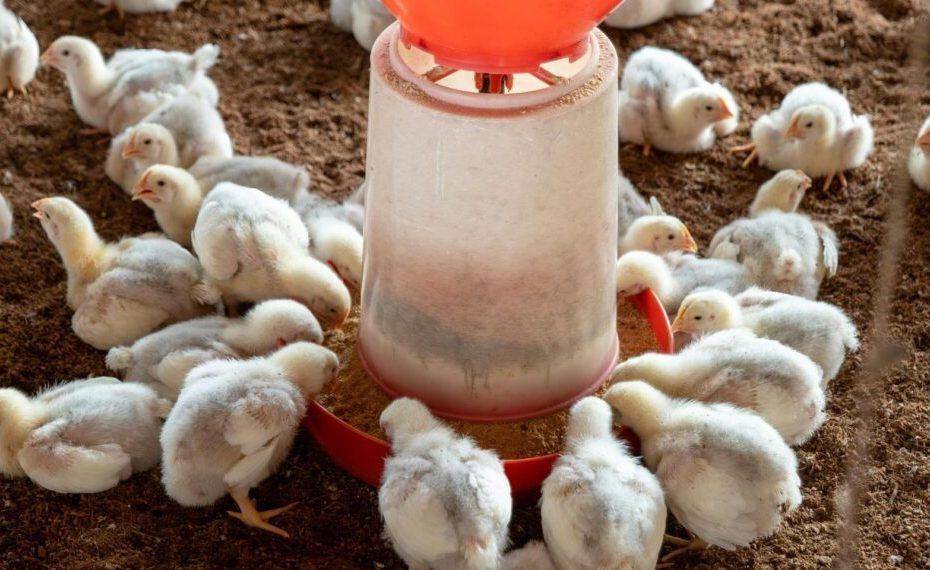
Feed is the foundation of any successful poultry operation. Getting it right means more than just buying quality feed. It also means choosing the right feeding program for the class of birds you are raising and managing that program consistently. The two main feeding approaches used in poultry farming are ad libitum feeding, where feed is always available, and restricted feeding, where feed is controlled in quantity or quality.
Each approach has clear advantages and specific situations where it performs best. Understanding both helps you make better decisions for your flock and your bottom line.
Read More: Classification of Feed Ingredients in Poultry Feed Production
1. The Unrestricted or Ad Libitum Feeding Program

Ad libitum feeding means feed is available to the birds at all times. The birds eat as much as they want, whenever they want. This method is the most commonly used approach for meat birds and is preferred for broilers because rapid, consistent weight gain is the primary production goal.
A. Advantages of Ad Libitum Feeding
i. More uniform body weight: Birds that have constant access to feed tend to reach a more uniform body weight at maturity. This consistency is valuable when selling to markets that require a standard bird size.
ii. Simpler management: Ad libitum feeding requires less planning and monitoring compared to restricted programs. Feed management is straightforward and does not require complex scheduling or rationing calculations.
iii. Less stress on birds: When birds can eat freely without competition over limited feed, they experience less behavioral stress. Reduced stress supports better growth rates and overall flock health.
B. Disadvantages of Ad Libitum Feeding
i. Overeating increases feed costs: Birds given unlimited access to feed tend to consume more than they need for optimal growth, which raises feed costs during the rearing period without a proportional increase in output.
ii. Broiler breeders grow excessively: Meat-type breeder birds on ad libitum feeding tend to overeat and become overweight. This excessive growth reduces production efficiency, increases the occurrence of small and underweight eggs, and raises the risk of prolapse.
iii. Breeding problems in overweight birds: Overweight broiler breeders suffer from reduced fertility, lower hatchability, and a higher rate of reproductive failures. Excess body fat directly compromises their breeding performance.
Read Also: Considerations in Constructing a Poultry House
2. The Restricted or Controlled Feeding Program
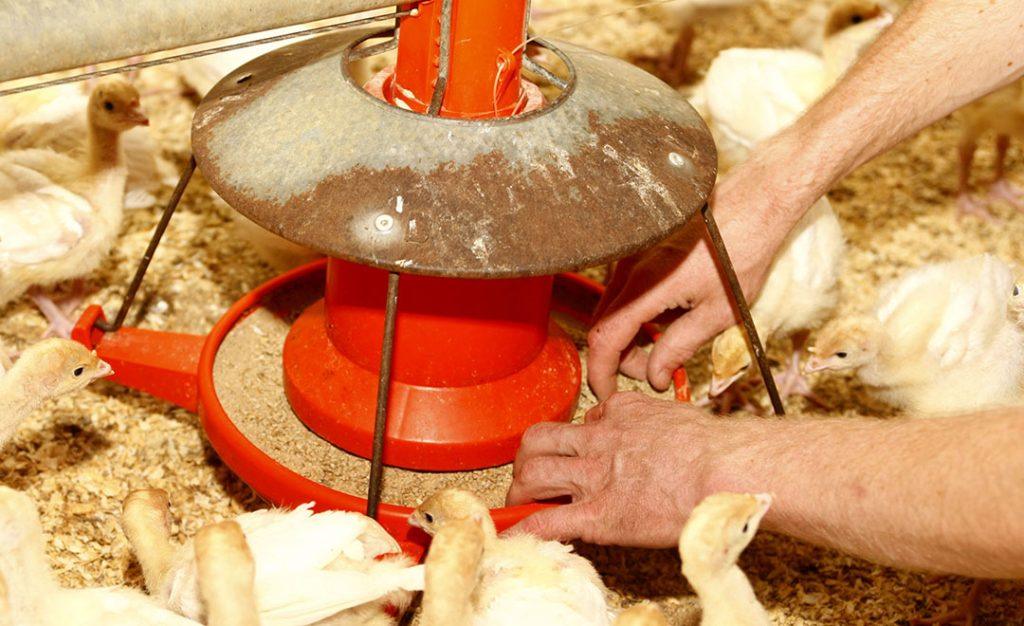
Restricted feeding means birds receive feed in a limited quantity, a reduced quality, or both. This approach is particularly important for broiler breeder strains, where controlling body weight is critical to maintaining good reproductive performance throughout the laying year.
Feed intake for female breeders may also be adjusted to delay sexual maturity to the right point, maintain the desired body weight, and reduce the risk of prolapse. If birds are found to be overweight during the rearing period, restricted feeding should be introduced. Most experts recommend starting a restricted program from 6 weeks of age, though some breeders begin restriction as early as 2 to 3 weeks.
A. Advantages of Restricted Feeding
i. Lower feeding costs: Controlled feed quantities reduce the total amount of feed consumed during the growing period, which directly lowers production costs.
ii. Later maturing birds lay larger eggs: Feed restriction causes birds to mature slightly later, but the eggs they produce in the initial laying period tend to be larger. This can improve egg grade and market value.
iii. Leaner birds: Restricted birds carry less body fat, which protects them from the breeding problems associated with excessive weight. Leaner breeders perform better and maintain productivity for longer.
iv. More hatchable eggs during the laying year: Controlled body weight in breeders leads to a higher proportion of hatchable eggs over the full laying year, improving overall productivity from the flock.
B. Disadvantages of Restricted Feeding
i. More complex management: Restricted feeding requires more planning, monitoring, and precision than ad libitum feeding. Getting the quantities right and adjusting them as birds grow demands time and attention.
ii. Uneven body size: When feed is limited, dominant birds tend to consume more while timid birds eat less. This leads to uneven growth across the flock, which makes management more difficult and can reduce the uniformity of production.
iii. Increased aggression at feeding time: Birds on restricted rations compete aggressively for feed. This fighting causes stress, injuries, and can disrupt feeding patterns, particularly for smaller or less dominant birds.
iv. Higher rates of cannibalism and mortality: The stress and competition that come with feed restriction can increase cannibalism within the flock and, if not properly managed, lead to higher mortality.
Summary on Best Feeding Practices in Poultry Farming
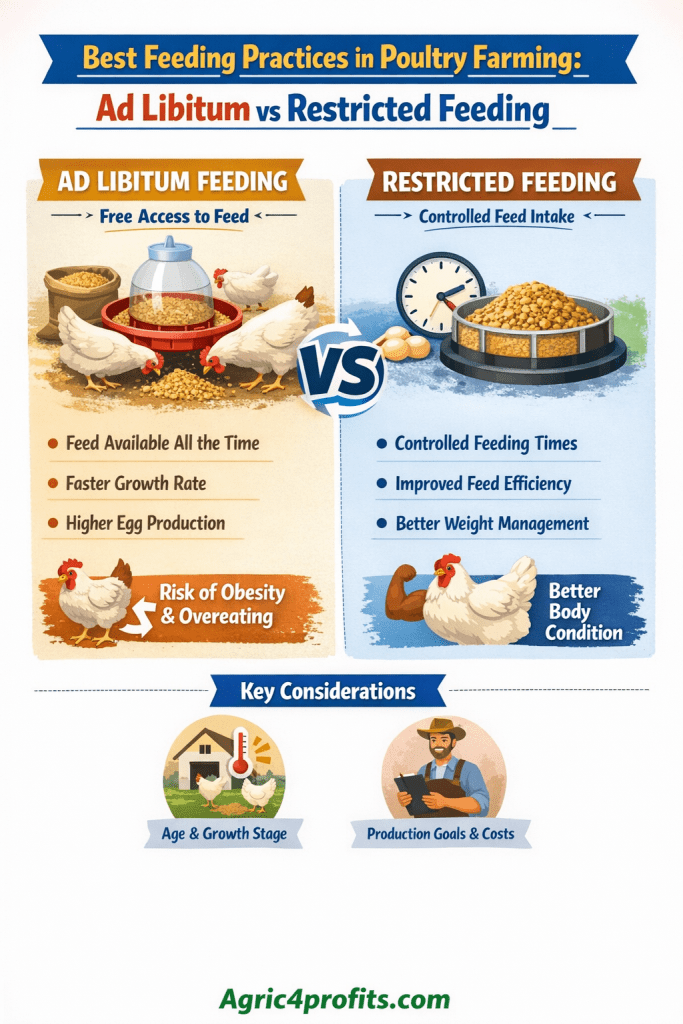
| Feeding Program | Best For | Key Advantages | Key Disadvantages |
|---|---|---|---|
| Ad Libitum | Broilers and meat birds | Uniform weight, simple management, less stress | Higher feed costs, overweight breeders, breeding problems |
| Restricted | Broiler breeders, weight management | Lower costs, leaner birds, larger eggs, better hatchability | Complex management, uneven growth, aggression, higher cannibalism risk |
Frequently Asked Questions About Best Feeding Practices in Poultry Farming
1. What does ad libitum feeding mean in poultry farming?
Ad libitum feeding means feed is available to birds at all times and in unlimited quantity. Birds eat freely according to their appetite without any restriction on how much or how often they feed. This method is most commonly used for broilers where fast, consistent weight gain is the production goal.
2. Which feeding program is better for broilers?
Ad libitum feeding is the preferred program for broilers. Since broilers are raised specifically for rapid meat production, unrestricted access to feed supports faster growth, more uniform body weight, and simpler day-to-day management. Restricting feed for broilers would slow growth and reduce the efficiency of the production cycle.
3. Why do broiler breeders need restricted feeding?
Broiler breeders are genetically selected for fast growth, which means they tend to overeat when given unrestricted access to feed. Excess weight in breeders causes serious problems including reduced fertility, lower hatchability, prolapse, and a higher rate of reproductive failures. Restricting their feed keeps body weight within a range that supports good breeding performance.
4. When should restricted feeding begin for broiler breeders?
Most experts recommend starting a restricted feeding program at 6 weeks of age. Some breeders begin restriction as early as 2 to 3 weeks, depending on the strain and how quickly the birds are gaining weight. The goal is to maintain the target body weight curve throughout the rearing period so that birds enter the laying phase in optimal condition.
5. How does feed restriction affect egg size?
Birds on restricted feeding programs tend to mature slightly later than those on ad libitum programs. However, the initial eggs they produce when laying begins are often larger. This can be an advantage in markets where larger eggs command better prices or where egg grade is an important factor.
6. What causes uneven body size in flocks on restricted feeding?
When feed is limited, dominant or more aggressive birds consume a disproportionate share while smaller or timid birds get less. Over time, this creates a flock with significant variation in body size. Managing feeder space properly, ensuring enough feeding points for all birds, and monitoring individual bird weights can help reduce this unevenness.
7. How can cannibalism be reduced in flocks on restricted feeding?
Cannibalism in restricted-fed flocks is largely driven by competition and stress around feeding time. Providing adequate feeder space so all birds can eat at the same time, beak trimming where appropriate, maintaining good lighting management, and ensuring the feed restriction is not so severe that birds are genuinely hungry between meals all help reduce cannibalism risk.
8. Can I switch between feeding programs during the production cycle?
Yes, and it is sometimes necessary. A flock may start on ad libitum feeding and then shift to restricted feeding if birds begin to exceed the target weight. The transition should be gradual and monitored carefully to avoid sudden behavioral changes or stress-related losses. Always consult your flock management guide or a poultry nutritionist before making significant changes to the feeding program.
9. Does feed restriction affect feed conversion ratio?
Yes. Restricted feeding generally improves feed conversion ratio in breeders because less feed is consumed overall while productive performance such as egg numbers and hatchability is maintained or improved. In broilers, however, restriction can worsen feed conversion ratio by slowing growth without a proportional reduction in maintenance energy needs.
10. What is the most important factor when choosing a feeding program?
The most important factor is the production purpose of the birds. Broilers raised for meat perform best on ad libitum feeding. Breeders, particularly broiler breeder strains, require restricted feeding to maintain the body condition needed for reliable reproductive performance. Always match the feeding program to the biological needs and production goals of the specific class of bird you are raising.
Do you have any questions, suggestions, or contributions? If so, please feel free to use the comment box below to share your thoughts. We also encourage you to kindly share this information with others who might benefit from it. Since we can’t reach everyone at once, we truly appreciate your help in spreading the word. Thank you very much for your support and for sharing!
Read Also: Amazing Benefits of Precision Agriculture