


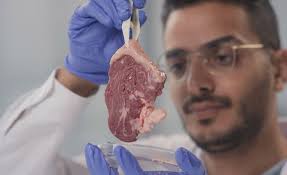
Meat and fish spoilage occurs when these foods become unfit for human consumption due to various factors such as microorganisms, air exposure, and improper freezing techniques.
Spoilage results in unpleasant tastes, odors, or unsafe conditions, primarily driven by microbial growth. Understanding these processes is crucial for safe food handling.
Understanding Food Spoilage
Spoilage is the degradation of food, rendering it unfit for consumption. It can occur through physical, chemical, or microbial means, with microorganisms being the primary cause. This section explores the role of specific spoilage organisms (SSOs) and their impact on meat and fish quality.
A. Definition of Spoilage
Spoilage refers to food degradation that makes it unsuitable for human consumption. It results from physical, chemical, or microbial actions. Microbial growth is the most common cause, producing undesirable metabolites that create off-flavors and odors, significantly affecting food quality and safety.
B. Role of Specific Spoilage Organisms (SSOs)
1. Microbial Growth: SSOs are bacteria responsible for food spoilage, producing unwanted flavors and odors. They are a small fraction of the microflora on food but have a significant impact on spoilage characteristics.
2. Low Presence, High Impact: SSOs are present in low numbers initially and constitute a small percentage of the microbial population. Despite this, they are solely responsible for the typical signs of spoilage in food.
3. Metabolite Production: SSOs generate metabolites that cause off-flavors and odors. These compounds, not the total microbial count, determine the extent of spoilage, making SSOs critical in food quality assessment.
Read Also: Cold Weather Poultry Diseases and How to Manage them
Meat Spoilage Mechanisms
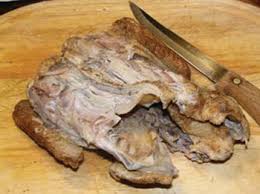
Meat spoilage is primarily driven by microbial activity, although other factors like improper handling contribute. Bacteria, yeasts, and molds degrade meat, leading to sensory changes that make it inedible or unsafe. This section details microbial and non-microbial causes of meat spoilage.
A. Microbial Spoilage of Meat
1. Primary Cause: Microorganisms, including bacteria, yeasts, and molds, are the leading cause of meat spoilage. They degrade proteins, lipids, and carbohydrates, producing undesirable sensory characteristics in the meat.
2. Hidden Dangers: Spoiled meat may appear normal but can harbor dangerous bacteria. Foods not handled or stored properly should not be consumed, even without visible signs of spoilage.
3. Common Indicators: Signs of microbial spoilage include ammonia or sulfur smells, bad odors, tallow or chalky tastes, slime formation, rancid flavors, color changes (grey, brown, or green), and sticky surfaces.
B. Non-Microbial Spoilage Factors
1. Improper Handling: Factors like inadequate storage conditions or exposure to air can cause meat spoilage. These non-microbial issues often result from mishandling during processing or storage.
2. Enzyme Activity: Naturally present enzymes in meat can contribute to spoilage, causing sticky surfaces or off-flavors, especially when meat is not stored correctly.
3. Physical Damage: Physical factors, such as improper freezing techniques, can degrade meat quality, leading to spoilage even in the absence of significant microbial activity.
Fish Spoilage Characteristics
Fish spoilage is distinct due to its unique biological and chemical composition, which supports rapid microbial growth. This section examines the physical signs of fish spoilage, the role of specific compounds, and the microbial environment that accelerates deterioration.
A. Physical Signs of Fish Spoilage
1. Odor and Appearance: Spoiled fish often have a fishy, sour, or ammonia-like smell. Visually, they may appear dry, mushy, or slimy, with soft flesh that does not spring back when pressed.
2. Color Changes: Green or yellowish discoloration in spoiled fish results from the oxidation of myoglobin to metamyoglobin during frozen storage or prolonged air exposure, not microbial metabolites.
3. Texture Issues: Spoiled fish may develop a slimy texture on the gills or flesh, indicating microbial activity or improper storage conditions that accelerate spoilage.
B. Unique Microbial Environment in Fish
1. Poikilotherm Nature: Fish, being poikilothermic, support bacteria that thrive across a wide temperature range, such as psychrotrophic Gram-negative bacteria (Pseudomonas, Moraxella) and some Gram-positive bacteria (Bacillus).
2. High Post-Mortem pH: Fish flesh has a high pH (above 6.0) due to low carbohydrate content (less than 0.5%), producing minimal lactic acid post-mortem. This environment supports pH-sensitive bacteria like Shewanella putrefaciens.
3. Non-Protein-Nitrogen (NPN): Fish contain significant NPN compounds, such as free amino acids and nucleotides, which serve as readily available substrates for bacterial growth, contributing to off-odors and off-flavors.
C. Role of Trimethylamine Oxide (TMAO)
1. TMAO in Spoilage: TMAO in fish creates a high redox potential, enabling anaerobic bacteria to use it as an electron acceptor, producing trimethylamine (TMA), which causes ammonia-like and fishy odors.
2. Sulfur Compounds: Breakdown of sulfur-containing amino acids (cysteine, methionine) by microbes produces hydrogen sulfides and methylmercaptane, contributing to the characteristic unpleasant odors of spoiled fish.
3. Anaerobic Respiration: In oxygen-limited conditions, bacteria utilize TMAO for anaerobic respiration, generating TMA and other compounds that signal spoilage and render fish unfit for consumption.
Read Also: Layers or Broilers which One is More Profitable in Poultry Farming? Find Out!
Spoilage of Fresh Fish

Fresh fish are highly susceptible to spoilage due to their microbial load and environmental factors. This section explores the microbial diversity on fresh fish, the role of specific spoilage bacteria, and the metabolic processes that lead to spoilage.
A. Microbial Diversity in Fresh Fish
1. Microflora Composition: Fresh fish harbor diverse microbes on their skin, gills, and GI tract, including Gram-negative (Pseudomonas, Moraxella, Shewanella) and Gram-positive bacteria (Bacillus, Lactobacillus).
2. Environmental Influence: Fish from cold, clean waters have fewer psychrotrophic microbes, while those from warm, polluted waters have higher mesophilic microbe counts, including Enterobacteriaceae.
3. Psychrotrophs: These bacteria tolerate cold temperatures, growing at 0°C but optimally at 25°C, making them significant contributors to spoilage in chilled fresh fish.
B. Specific Spoilage Bacteria
1. Shewanella putrefaciens and Pseudomonas spp.: These bacteria are key spoilage organisms in fresh fish. They proliferate post-mortem, producing metabolites that cause off-odors, off-flavors, and discoloration.
2. Immune System Role: In live or newly caught fish, the immune system suppresses bacterial growth, keeping flesh sterile. Post-mortem, this barrier weakens, allowing bacteria to invade and colonize the flesh.
3. Lag and Exponential Phases: On ice, spoilage bacteria undergo a lag phase (1-2 weeks) to adapt, followed by exponential growth, producing spoilage-associated metabolites.
C. Metabolic Processes in Spoilage
1. Autolytic Changes: Enzymes in dead fish cause autolytic changes, producing compounds like hypoxanthine from inosine, which spoilage bacteria use for growth.
2. Metabolite Production: Pseudomonas spp. produce biogenic amines, ketones, aldehydes, and sulfur compounds, while S. putrefaciens generates TMA, H2S, and acetic acid, contributing to spoilage signs.
3. Amino Acid Breakdown: Breakdown of amino acids like glycine, serine, and leucine provides bacteria with esters, ketones, and aldehydes, creating an environment conducive to microbial proliferation.
Spoilage of Processed Fish
Processed fish, despite preservation techniques, are still prone to spoilage. This section discusses how microorganisms adapt to processing conditions and the specific spoilage organisms (SSOs) responsible for deterioration in lightly preserved fish products.
A. Microbial Adaptation to Processing
1. Preservation Challenges: Microorganisms in processed fish can endure techniques like CO2/vacuum packing, salting, heating, pasteurization, and preservative addition, leading to spoilage despite these measures.
2. Evolved Microorganisms: Spoilage bacteria have adapted to survive physical and chemical processing, continuing to degrade fish products under preservation conditions.
3. Impact on Quality: Adapted microbes produce metabolites that cause off-odors, off-flavors, and texture changes, rendering processed fish unsuitable for consumption.
B. Specific Spoilage Organisms in Processed Fish
1. Photobacterium phosphoreum: This bacterium is a key SSO in lightly preserved fish, contributing to spoilage by producing undesirable metabolites under preservation conditions.
2. Lactic Acid Bacteria: Lactobacillus and Carnobacterium are significant SSOs in processed fish, capable of surviving and proliferating despite inhibitory processing techniques.
3. Spoilage Indicators: These SSOs generate compounds that cause sensory changes, such as off-odors and flavors, making lightly preserved fish products unfit for human consumption.
Do you have any questions, suggestions, or contributions? If so, please feel free to use the comment box below to share your thoughts. We also encourage you to kindly share this information with others who might benefit from it. Since we can’t reach everyone at once, we truly appreciate your help in spreading the word. Thank you so much for your support and for sharing!