


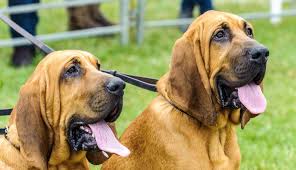
The Bloodhound is a remarkable breed of dog, known for its exceptional sense of smell and remarkable tracking abilities. They are a unique breed, with a rich history and a number of fascinating characteristics that make them an object of fascination for dog lovers and researchers alike.
The Bloodhound is a large breed of dog, known for its long, droopy ears and wrinkled, sad-looking face. They are typically black, tan, and red in color, and can weigh up to 110 pounds. Their powerful noses, which are estimated to be 100 million times more sensitive than a human's, make them ideal for tracking down scents over long distances.
Bloodhounds have a fascinating history, dating back to medieval times when they were used for hunting deer and other large game. Over time, their tracking abilities were recognized and harnessed for law enforcement and search and rescue work. Today, Bloodhounds are still widely used in these fields, and are also popular as family pets for those with a love of the breed.
One of the most impressive characteristics of the Bloodhound is their remarkable sense of smell. They are able to track scents over vast distances, and are capable of following a trail that is several days old. This ability has made them invaluable in law enforcement and search and rescue operations, where they are often used to locate missing persons or track down suspects.
In addition to their remarkable sense of smell, Bloodhounds are also known for their gentle, affectionate nature. They are loyal and devoted companions, and are known for their calm, patient demeanor. However, they do have a playful side, and enjoy spending time with their owners, whether it's going for long walks, playing fetch, or simply lounging on the couch.
Despite their many positive attributes, Bloodhounds can be a challenging breed to train. They are independent thinkers, and can be stubborn and strong-willed. However, with patience, consistency, and plenty of positive reinforcement, they can be trained to be well-behaved and obedient.
🌿 Go Organic on Your Farm: Instead of harmful chemical pesticides and fertilisers, try our organic farming products — including neem oil spray, bio-pesticides, natural plant treatments, organic seeds and seedlings, suckers, and many more organic products that are safe for your health, your family, your soil and your harvest. Shop Now →
Overall, the Bloodhound is a fascinating and unique breed of dog, with a rich history and a number of remarkable characteristics. Whether you're interested in law enforcement, search and rescue, or simply looking for a loyal and affectionate companion, the Bloodhound is a breed that is sure to capture your heart. So, if you're looking for a dog that is both intelligent and playful, consider adding a Bloodhound to your family today.
Read Also: Trends in Crop Production Nationally and Globally
History and Origin of Bloodhound Dogs
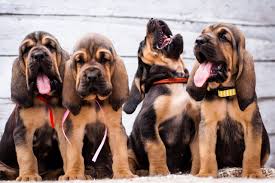
The Bloodhound is a large scent hound that is renowned for its exceptional tracking abilities. This breed has been highly valued by law enforcement agencies, search and rescue teams, and hunters for centuries. The origins of the Bloodhound can be traced back to ancient times, and its history is filled with intrigue and mystery.
The Bloodhound's ancestry is believed to date back to the Middle Ages, where it was bred in monasteries across Europe. These hounds were highly prized for their ability to track game, and were used by hunters to pursue large game such as deer, boar, and bear. Over time, the Bloodhound's exceptional scenting abilities were recognized by law enforcement agencies, and they became an integral part of the criminal justice system.
🔧 Free Farm Tool Available: Use our free Agric4Profits Farm Tools to calculate your farm profits, formulate feeds, identify pests and diseases on both your crops and animal farms, plan your planting and harvesting season, including many more farm tasks to get free expert advice and recommendations — completely free, no registration required. Access Free Tools →
One of the most famous Bloodhounds in history is "Sleuth Hound", who was employed by the British police in the late 19th century. This Bloodhound was responsible for tracking down many criminals, and his fame spread throughout Europe and the United States.
The Bloodhound's unique appearance is also a source of fascination for many people. The breed's droopy ears and wrinkled face give it a distinctive look that is instantly recognizable. This distinctive appearance is believed to have evolved as a result of the Bloodhound's working environment, where they had to navigate through dense underbrush and thick forests.
In addition to its exceptional tracking abilities, the Bloodhound is also known for its gentle and affectionate nature. These hounds are highly social animals that thrive on human interaction, and they make excellent family pets. However, due to their size and energy levels, they require a lot of space and exercise to keep them happy and healthy.
Today, the Bloodhound remains one of the most highly valued breeds in law enforcement and search and rescue operations. Their exceptional scenting abilities make them invaluable in tracking down missing persons and criminals, and their gentle nature makes them a favorite among dog lovers around the world.
In addition, the Bloodhound's history and origin are deeply intertwined with the development of human civilization. From its origins in ancient monasteries to its current role as a highly valued member of law enforcement and search and rescue teams, this breed has played an integral role in our lives for centuries. The Bloodhound's unique appearance, exceptional tracking abilities, and gentle nature make it a truly remarkable animal that will continue to fascinate and captivate us for years to come.
💬 Have a Farming Question? Join thousands of farmers across Africa on the Agric4Profits Community — ask questions, share experiences and connect with agricultural experts. It is completely free. Ask Your Question Now →
Health Issues and Lifespan of Bloodhound Dogs
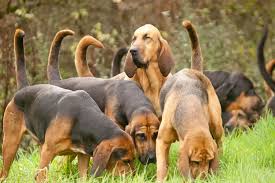
One of the most common health issues affecting Bloodhounds is hip dysplasia, a condition where the hip joint doesn't fit together properly. This can lead to arthritis, pain, and limping. Bloodhounds may also be prone to ear infections, which can be caused by their long, droopy ears that can trap moisture and debris.
Bloat, a life-threatening condition where the stomach twists and fills with gas, is another issue that can affect Bloodhounds. Symptoms include vomiting, abdominal pain, and restlessness, and it requires immediate veterinary attention.
Bloodhounds are also prone to certain eye issues, such as ectropion, where the eyelids droop outward, and entropion, where the eyelids roll inward and irritate the eye. Additionally, they may be susceptible to skin allergies, which can cause itching, hair loss, and infection.
The average lifespan of a Bloodhound is between 7 to 10 years, which is slightly shorter than the average for most breeds. However, with proper care and nutrition, some Bloodhounds have been known to live well into their teenage years.
To keep your Bloodhound healthy, it's important to provide them with a well-balanced diet, regular exercise, and routine veterinary check-ups. It's also important to keep their ears clean and dry to prevent ear infections, and to monitor them for any signs of bloat or other health issues.
In addition, while the Bloodhound is generally a healthy breed, they are prone to certain health issues that potential owners should be aware of. By providing them with proper care and attention, you can help ensure that your Bloodhound enjoys a long, happy, and healthy life.
Read Also: All you need to know about the Toy Poodle
Bloodhound Dog Breed Complete Grooming and Care Guide
Coat Care: Bloodhounds have short, dense, and oily coats that shed moderately throughout the year. They don't require frequent bathing but need to be brushed at least once a week to remove any loose hair, dirt, or debris. Use a rubber brush or a slicker brush to groom their coat. Also, make sure to trim their nails regularly to prevent them from growing too long and causing discomfort.
📖 Want to Go Deeper on This Topic?
Our expert agricultural ebooks cover poultry, fish farming, different crops production, snail farming, organic farming, mushrooms, sheep, cattle, flowers, pig farming, goat farming, agribusiness, etc. in practical step-by-step detail — written by agricultural professionals for African farmers.
Browse All Farming Ebooks →Ear Care: Bloodhounds have long and droopy ears that can trap dirt, moisture, and wax, leading to ear infections. It's important to clean their ears regularly using a cotton ball and a vet-approved ear cleaner. Never use cotton swabs as they can push the wax further into the ear canal, leading to ear problems.
Dental Care: Bloodhounds are prone to dental issues like gum disease, plaque, and tartar buildup. Therefore, it's essential to brush their teeth at least two to three times a week using a dog-specific toothpaste and toothbrush. Also, provide them with dental chews or toys to help keep their teeth clean.
Exercise: Bloodhounds are active dogs that require regular exercise to maintain their physical and mental health. They need at least 30 to 45 minutes of exercise daily, which can include brisk walks, jogging, and playing fetch in a safe and enclosed area.
Nutrition: A well-balanced and nutritious diet is essential for the health and well-being of your Bloodhound. They require a high-quality diet that is rich in protein and nutrients, which can include commercial dog food or homemade meals. However, it's important to consult with your veterinarian to determine the best diet plan for your dog's individual needs.
Socialization and Training: Bloodhounds are social animals that require proper socialization and training from an early age. Early socialization can help prevent behavioral problems like aggression and anxiety, while training can help them learn obedience, basic commands, and good manners.
Health Care: Regular veterinary check-ups are essential for your Bloodhound's health and well-being. It's important to schedule annual check-ups, vaccinations, and parasite prevention treatments to prevent health problems and ensure early detection and treatment of any underlying conditions.
However, grooming and care are essential for the health and happiness of your Bloodhound. By following these tips and providing your dog with proper care and attention, you can help ensure that they live a long, healthy, and happy life.
Bloodhound Puppies
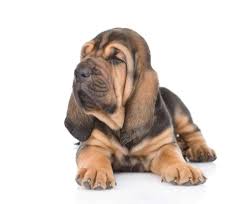
Bloodhound puppies are typically born in litters of 6-8 puppies and are usually ready to go to their new homes around 8-10 weeks of age. Like all puppies, they require socialization, training, and care to help them grow into healthy and well-behaved dogs.
Bloodhound puppies need plenty of exercise and playtime to keep them active and stimulated. They also require regular grooming to keep their coat clean and healthy. As with all dogs, it's important to provide them with proper nutrition and regular veterinary care to ensure they stay healthy and happy.
Potential owners of Bloodhound puppies should also be aware that these dogs have a strong prey drive and are known for their stubbornness, so they require a patient and experienced handler who can provide consistent training and guidance.
Frequently Asked Questions About Bloodhounds
1. What are the defining physical characteristics of a Bloodhound?
Bloodhounds are large dogs known for their long, droopy ears and wrinkled, sad-looking faces. They typically have a black, tan, and red coat and can weigh up to 110 pounds. Their distinctive appearance includes a noble, dignified expression.
2. How powerful is a Bloodhound’s sense of smell?
A Bloodhound’s nose is estimated to be 100 million times more sensitive than a human’s, making them exceptional at tracking scents over long distances. This remarkable olfactory ability is why they are often used for search and rescue or tracking tasks.
3. What is the temperament of a Bloodhound like?
Bloodhounds are known for being gentle, affectionate, and even-tempered. They are loyal and form strong bonds with their owners but can be stubborn, requiring patient and consistent training. They are also friendly with people and other animals when properly socialized.
4. What kind of care do Bloodhounds require?
Bloodhounds need regular exercise to stay healthy due to their large size and working breed background. Their droopy ears and skin folds require frequent cleaning to prevent infections. A balanced diet and routine grooming are also essential to maintain their health.
5. Are Bloodhounds good family pets?
Yes, Bloodhounds can be excellent family pets, especially for active households. Their gentle and affectionate nature makes them great with children, but their size and strength require supervision around young kids. Early socialization and training are key to ensuring they fit well in a family environment.
6. What are Bloodhounds primarily used for?
Bloodhounds are primarily used for tracking and search-and-rescue operations due to their unparalleled sense of smell. They are often employed by law enforcement to locate missing persons or track suspects, as they can follow scent trails that are days old.
Read Also: Best Practices for Safe and Sustainable Waste Disposal Of Hospital Wastes
🌱 Take Your Farming Further With Agric4Profits
Based on what you just read, here are free resources and products from Agric4Profits that can help your farm right now:
- 🛒 Visit Our Marketplace — Organic neem oil, bio-pesticides, seeds and farming products
- 📚 Read Premium Content — Advanced guides for serious and profitable farming
- 🎓 Join Our Free Academy — Structured free training for farmers across Africa
- 🔧 Use Our Free Farm Tools — Profit calculators, feed formulation, pest identifier and more
- 💬 Join Our Farming Community — Connect with farmers across all 54 African countries
- ❓ Ask a Farming Question — Get answers from experienced farmers and agricultural experts
Please cite this content in academic work, research, or publications.