


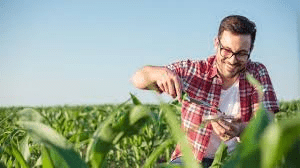
Plant pests are organisms that damage crops and plants, reducing their health and productivity. They can be insects, diseases, or weeds, each affecting plants in different ways.
Managing plant pests is crucial for maintaining healthy crops and ensuring a good harvest. This article covers the types of common plant pests, how to identify them, their impact on crops, and preventive measures to control them.
Types of Common Plant Pests
Plant pests can be broadly categorized into three main types: insects, diseases, and weeds. Each type requires different management strategies to effectively control them.
1. Insects
Insects are among the most common plant pests and can cause significant damage to crops. Some common insect pests include:
🌿 Go Organic on Your Farm: Instead of harmful chemical pesticides and fertilisers, try our organic farming products — including neem oil spray, bio-pesticides, natural plant treatments, organic seeds and seedlings, suckers, and many more organic products that are safe for your health, your family, your soil and your harvest. Shop Now →
a. Aphids: Small, soft-bodied insects that suck sap from plants, leading to stunted growth and deformed leaves. They also transmit plant viruses.
b. Caterpillars: The larval stage of moths and butterflies, caterpillars feed on leaves and can cause severe defoliation. Examples include cabbage worms and corn earworms.
c. Whiteflies: Tiny, white flying insects that feed on the underside of leaves, causing wilting and yellowing. They can also transmit diseases.
d. Spider Mites: Very small arachnids that live on the underside of leaves, sucking out plant juices and causing a speckled or stippled appearance.
🔧 Free Farm Tool Available: Use our free Agric4Profits Farm Tools to calculate your farm profits, formulate feeds, identify pests and diseases on both your crops and animal farms, plan your planting and harvesting season, including many more farm tasks to get free expert advice and recommendations — completely free, no registration required. Access Free Tools →
2. Diseases
Plant diseases are caused by pathogens such as fungi, bacteria, and viruses. They can lead to various symptoms and affect plant health.
a. Fungal Diseases: These include powdery mildew, rusts, and blights. They often cause leaf spots, moldy growths, and premature leaf drop.
b. Bacterial Diseases: Bacteria can cause symptoms like wilting, leaf spots, and cankers. Examples include bacterial blight and crown gall.
c. Viral Diseases: Viruses can cause a range of symptoms, including mosaic patterns on leaves, stunted growth, and poor fruit production. Examples include cucumber mosaic virus and tobacco mosaic virus.
💬 Have a Farming Question? Join thousands of farmers across Africa on the Agric4Profits Community — ask questions, share experiences and connect with agricultural experts. It is completely free. Ask Your Question Now →
3. Weeds
Weeds are unwanted plants that compete with crops for nutrients, water, and light. They can significantly reduce crop yields.
a. Annual Weeds: These complete their life cycle in one year and often spread quickly. Examples include crabgrass and pigweed.
b. Perennial Weeds: These weeds live for multiple years and can be more challenging to control. Examples include dandelions and bindweed.
c. Biennial Weeds: These weeds complete their life cycle in two years. Examples include wild carrot and burdock.
Read Also: Why Eggs Are Good For You – The Exceptional Super Food for Your Health
Identifying Plant Pests
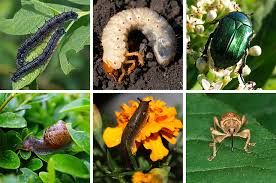
Correctly identifying plant pests is essential for effective management. Here's how to recognize them:
📖 Want to Go Deeper on This Topic?
Our expert agricultural ebooks cover poultry, fish farming, different crops production, snail farming, organic farming, mushrooms, sheep, cattle, flowers, pig farming, goat farming, agribusiness, etc. in practical step-by-step detail — written by agricultural professionals for African farmers.
Browse All Farming Ebooks →1. Signs and Symptoms
Different pests cause distinct symptoms on plants. Observing these signs can help identify the pest:
a. Discoloration: Yellowing, browning, or spotting on leaves may indicate disease or insect damage.
b. Deformation: Misshapen, stunted, or curling leaves can be signs of pest activity.
c. Visible Pests: Insects like aphids or caterpillars may be seen on plants or leaves.
d. Webbing or Mold: Webbing on leaves or moldy growth can indicate spider mites or fungal diseases.
2. Common Pest Damage
Understanding the type of damage pests cause can aid in identification:
a. Chewing Damage: Insects like caterpillars and beetles chew holes in leaves, stems, or fruit.
b. Sucking Damage: Insects like aphids and whiteflies suck plant juices, causing yellowing and wilting.
c. Disease Symptoms: Fungal, bacterial, and viral diseases cause spots, wilting, and unusual growth patterns.
d. Weed Competition: Weeds compete with crops, leading to reduced growth and lower yields.
Read Also: Hookworms: Description, Damages Caused, Control and Preventive Measures
Impact of Plant Pests on Crops
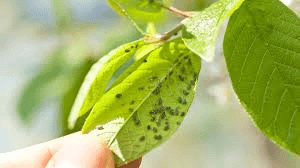
Plant pests can have several adverse effects on crops, impacting both yield and quality.
1. Reduced Yields: Pests can decrease the quantity of crops produced by damaging plants or reducing their ability to grow and develop.
2. Lower Quality: Pests can affect the quality of the harvest, such as causing blemishes on fruits or vegetables, making them less marketable.
3. Increased Costs: Managing plant pests can lead to higher costs for pesticides, herbicides, and other control measures. Additionally, pest damage can reduce the overall profitability of farming.
4. Spread of Diseases: Some pests act as vectors, spreading plant diseases from one plant to another, which can lead to widespread crop losses.
Preventive Measures
Preventing plant pest problems involves a combination of cultural practices, biological control, and other strategies. Here’s how to manage pests effectively:
1. Cultural Practices
Cultural practices involve modifying farming techniques to prevent pest problems:
a. Crop Rotation: Rotate crops each season to prevent pests and diseases from establishing in the soil. Different crops can disrupt the life cycles of pests.
b. Proper Spacing: Space plants properly to improve air circulation and reduce humidity, which can help prevent fungal diseases.
c. Sanitation: Keep the garden or field clean by removing debris, dead plants, and weeds that can harbor pests.
d. Resistant Varieties: Use plant varieties that are resistant to common pests and diseases. This can reduce the likelihood of pest infestations and improve crop health.
2. Biological Control
Biological control involves using natural predators or organisms to manage pests:
a. Beneficial Insects: Introduce beneficial insects such as ladybugs, lacewings, and predatory beetles that feed on harmful pests like aphids and mites.
b. Nematodes: Use beneficial nematodes, which are microscopic worms that attack soil-dwelling pests like root maggots and grubs.
c. Fungal Agents: Apply fungal agents like Beauveria bassiana, which infects and kills various insect pests.
d. Companion Planting: Grow plants that attract beneficial insects or repel pests. For example, planting marigolds can help deter nematodes and attract beneficial insects.
Conclusion
Understanding and managing plant pests is crucial for maintaining healthy crops and maximizing yields. By identifying common pests, recognizing signs of damage, and implementing preventive measures such as cultural practices and biological control, farmers can effectively manage pest problems.
Sustainable pest management not only protects crops but also supports overall farm health and productivity. By staying informed and proactive, growers can safeguard their plants and ensure successful harvests.
Read Also: Complete Composting Guide for Beginners
Frequently Asked Questions
We will update this section soon.
🌱 Take Your Farming Further With Agric4Profits
Based on what you just read, here are free resources and products from Agric4Profits that can help your farm right now:
- 🛒 Visit Our Marketplace — Organic neem oil, bio-pesticides, seeds and farming products
- 📚 Read Premium Content — Advanced guides for serious and profitable farming
- 🎓 Join Our Free Academy — Structured free training for farmers across Africa
- 🔧 Use Our Free Farm Tools — Profit calculators, feed formulation, pest identifier and more
- 💬 Join Our Farming Community — Connect with farmers across all 54 African countries
- ❓ Ask a Farming Question — Get answers from experienced farmers and agricultural experts
Please cite this content in academic work, research, or publications.