


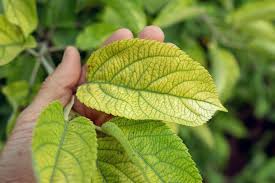
Not all elements absorbed by plants are essential for their growth. Any element contributing to plant nutrition growth and development whether its action is specific, is considered a functional element.
Twenty essential elements exist, though not all are required by every plant. Macronutrients include N, P, K, S, Ca, and Mg, while micronutrients or trace elements, present in minute amounts, include Fe, Zn, Mn, Cu, B, Cl, and Mo. Beneficial elements such as Na, Co, Va, Ni, and Si are essential for certain plants.
Read Also: Impact of Snail Business on the Environment
Macronutrients in Plant Growth
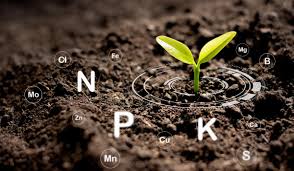
These elements are required in large quantities for plant growth and development, including N, P, K, S, Ca, and Mg.
1. Functions and Impact of Nitrogen (N)
Nitrogen plays an essential role as a constituent of proteins, nucleic acids, chlorophyll, and growth hormones. Adequate supply promotes vigorous vegetative growth and deep green coloration. It enhances growth and development of all living tissues.
Deficiency Symptoms of Nitrogen
- Stunted growth
- Lower protein content
- In acute deficiency, flowering is greatly reduced.
Toxicity of Nitrogen
Luxuriant growth with poor yield
Correction of Nitrogen Deficiency
Application of inorganic fertilizers like NPK, urea, or farmyard manure.
2. Functions and Role of Phosphorus (P)
Phosphorus is crucial for energy conservation and transfer in chemical processes (ATP and ADP). It is a vital component of nucleic acids, phospholipids, and chromosomes, stimulating root development and flowering.
Deficiency Symptoms of Phosphorus
- Delayed maturity, minimal or no flowering, poor seed and fruit development
- Overall stunted appearance; mature leaves exhibit dark to blue-green coloration, with restricted root development.
Toxicity of Phosphorus
Excessive plant growth, such as water hyacinth, in lakes, streams, or rivers due to excess phosphorus, reducing oxygen for fish. Human-influenced eutrophication is termed cultural eutrophication.
Correction of Phosphorus Deficiency
Application of inorganic fertilizers like SSP, TSP (Triple Super Phosphate), or manure.
3. Functions and Importance of Sulphur (S)
Sulphur is critical for protein synthesis and the functioning of several enzyme systems. Chlorophyll synthesis and nitrate reductase activity depend strongly on sulphur.
Deficiency Symptoms of Sulphur
- Plant retardation characterized by uniform chlorotic plants
- Stunted growth, thin-stemmed, and spindly, similar to nitrogen deficiency, but symptoms appear first on younger leaves.
Toxicity of Sulphur
Rare, but can cause nitrogen deficiency.
Correction of Sulphur Deficiency
Application of sulphur dust, NPK 20:10:10 + 2S + Zn, or farmyard manure.
4. Functions and Role of Potassium (K)
Potassium regulates osmotic potential, controls stomata opening and closing, and supports adequate water retention in plants.
Deficiency Symptoms of Potassium
- Lodging and stalk breakage
- Poor crop quality and reduced disease resistance.
Toxicity of Potassium
- Reduces calcium uptake in plants and animals
- Causes nutritional imbalance in both plants and animals.
Correction of Potassium Deficiency
Application of NPK, muriate of potash containing K2O, crop residue management, or manure.
Read Also: Complete Guide to Successful Snail Marketing
Micronutrients and Beneficial Elements in Plant Nutrition
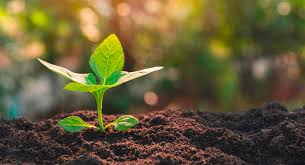
These elements are required in small amounts for plant growth and development.
1. Functions and Impact of Zinc (Zn)
Zinc is involved in the biosynthesis of Indole Acetic Acid (IAA)—auxins, a growth hormone—and plays a key role in nucleic acid and protein synthesis (e.g., tryptophan).
Deficiency Symptoms of Zinc
- Symptoms appear on the second and third fully matured leaves (from the top of plants)
- Characteristic little leaf and clustering of leaves, mostly at the top of fruit tree branches.
Toxicity of Zinc
Rare, but may occur due to soil acidification.
Correction of Zinc Deficiency
Application of ZnSO4 fertilizer or NPK 20:10:10 + 2S + Zn.
2. Functions and Role of Copper (Cu)
Copper enhances vitamin A formation, is a component of chromosomes and enzymes like oxidase and lactase, and is part of natural or synthetic organic complexes like lignin.
Deficiency Symptoms of Copper
- Varies with crops; causes poor grain set in cereals
- In corn, youngest leaves become yellow and stunted, with dieback in older leaves and restricted ear protection.
Toxicity of Copper
Leaves become chlorotic, resembling iron deficiency.
Correction of Copper Deficiency
Application of CuSO4 or Bordeaux mixture (lime + CuSO4).
Beneficial Elements in Specific Crops
1. Sodium (Na): Electrolytes necessary for osmotic pressure and acid-base balance.
2. Chloride (Cl): Activates oxygen-producing enzymes in photosynthesis.
3. Silicon (Si): Contributes to cell wall structure, enhancing disease resistance, stalk strength, and resistance to lodging.
In this article, it is evident that all elements contribute to plant nutrition, regardless of whether their action is specific. Not all elements are required by every plant, and different elements play distinct roles in plant growth and development.
Do you have any questions, suggestions, or contributions? If so, please feel free to use the comment box below to share your thoughts. We also encourage you to kindly share this information with others who might benefit from it. Since we can’t reach everyone at once, we truly appreciate your help in spreading the word. Thank you so much for your support and for sharing!