


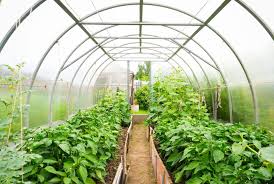
Agriculture is generally regarded as the cultivation of crops and the rearing of animals for human and industrial uses. Agriculture has many branches that interplay in achieving agricultural goals.
These branches include agronomy, animal science, crop science, horticulture, agricultural economics, agricultural extension, plant breeding, crop protection, etc. One of these branches, horticulture, forms the basis of this article and shall be discussed in detail as the article progresses.
Read Also: How to Grow, Use and Care for Wiegand’s Sedge Grass (Carex wiegandii)
Meaning and Scope of Horticulture in Agriculture
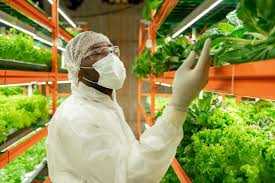
The word horticulture is derived from two Latin words: “Hortus” meaning garden, and “Culture” meaning cultivation. Horticulture is therefore concerned with the cultivation of garden plants such as fruits, vegetables, flowers, and ornamental plants.
🌿 Go Organic on Your Farm: Instead of harmful chemical pesticides and fertilisers, try our organic farming products — including neem oil spray, bio-pesticides, natural plant treatments, organic seeds and seedlings, suckers, and many more organic products that are safe for your health, your family, your soil and your harvest. Shop Now →
Horticulture may be defined as the science and art of growing fruits, vegetables, flowers, plantation crops, and ornamental crops for human, industrial, and aesthetic uses.
When horticulture is considered from both scientific and business perspectives, it can be broadly defined as the science and art of cultivating, processing, and marketing fruits, vegetables, flowers, and ornamental plants. Horticulture is a branch of agriculture and is subdivided into five main areas:
1. Pomology: The science and practice of fruit production.
2. Olericulture: The science and practice of growing vegetables.
🔧 Free Farm Tool Available: Use our free Agric4Profits Farm Tools to calculate your farm profits, formulate feeds, identify pests and diseases on both your crops and animal farms, plan your planting and harvesting season, including many more farm tasks to get free expert advice and recommendations — completely free, no registration required. Access Free Tools →
3. Floriculture: The science and practice of flower and ornamental plant production.
4. Arboriculture: The science and practice of growing and caring for ornamental trees.
5. Landscaping: The science and practice of using plants outdoors for aesthetic and functional purposes.
Read Also: How to Grow, Use and Care for Whitetop Sedge Grass (Rhynchospora colorata)
Historical Development of Horticulture in Agricultural Systems
💬 Have a Farming Question? Join thousands of farmers across Africa on the Agric4Profits Community — ask questions, share experiences and connect with agricultural experts. It is completely free. Ask Your Question Now →
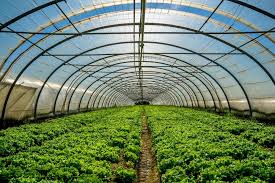
Horticulture is as old as mankind, since food is essential for survival. The concepts of garden cultivation can be traced as far back as three thousand BC or earlier in Egypt.
Historical evidence shows that by this time, crops such as grapes, dates, olives, and onions had been brought under cultivation by Egyptians. Technologies such as land preparation, pruning, irrigation, and drying were already in use.
The Hanging Gardens of Babylon, which featured flowers and fruits, were recognized as one of the seven wonders of the ancient world. During the Middle Ages (500–1500 CE), horticultural plants were cultivated in protected areas surrounded by high walls or similar structures in temperate regions of Europe.
As societies evolved, the deliberate cultivation and domestication of edible plants replaced the less efficient food gathering habits of primitive communities. Agriculture especially horticulture is therefore not a modern invention but one that has continued to transform as societies advance technologically.
The idea of intensive management of horticultural crops still applies today, even though some vegetables like tomato are now grown in open fields like other field crops.
At present, horticultural crops are cultivated not only in home gardens but also in large quantities as commercial enterprises. Numerous research efforts have been made to address the challenges associated with the cultivation of horticultural crops. A comparatively large volume of scientific information on the behavior of horticultural plants and products is now available.
Relevance of Horticulture in Crop Production and Agronomy
Horticulture is a branch of agriculture that complements crop science or agronomy in the production of crops such as fruits, vegetables, and nuts. It applies agronomic practices in the production, processing, and marketing of these crops.
📖 Want to Go Deeper on This Topic?
Our expert agricultural ebooks cover poultry, fish farming, different crops production, snail farming, organic farming, mushrooms, sheep, cattle, flowers, pig farming, goat farming, agribusiness, etc. in practical step-by-step detail — written by agricultural professionals for African farmers.
Browse All Farming Ebooks →This article has explained that horticulture is derived from two Latin words: “Hortus” meaning garden, and “Culture” meaning cultivation. Horticulture is defined as the science and art of cultivating, processing, and marketing fruits, nuts, vegetables, and ornamental plants.
It has also been established that the history of horticulture dates back to around three thousand BC, when crops such as onions, olives, and grapes were brought under cultivation in Egypt. The foundational ideas behind horticultural crop cultivation remain relevant in modern agricultural practices.
Do you have any questions, suggestions, or contributions? If so, please feel free to use the comment box below to share your thoughts. We also encourage you to kindly share this information with others who might benefit from it. Since we can’t reach everyone at once, we truly appreciate your help in spreading the word. Thank you so much for your support and for sharing!
Frequently Asked Questions
We will update this section soon.
🌱 Take Your Farming Further With Agric4Profits
Based on what you just read, here are free resources and products from Agric4Profits that can help your farm right now:
- 🛒 Visit Our Marketplace — Organic neem oil, bio-pesticides, seeds and farming products
- 📚 Read Premium Content — Advanced guides for serious and profitable farming
- 🎓 Join Our Free Academy — Structured free training for farmers across Africa
- 🔧 Use Our Free Farm Tools — Profit calculators, feed formulation, pest identifier and more
- 💬 Join Our Farming Community — Connect with farmers across all 54 African countries
- ❓ Ask a Farming Question — Get answers from experienced farmers and agricultural experts
Please cite this content in academic work, research, or publications.