


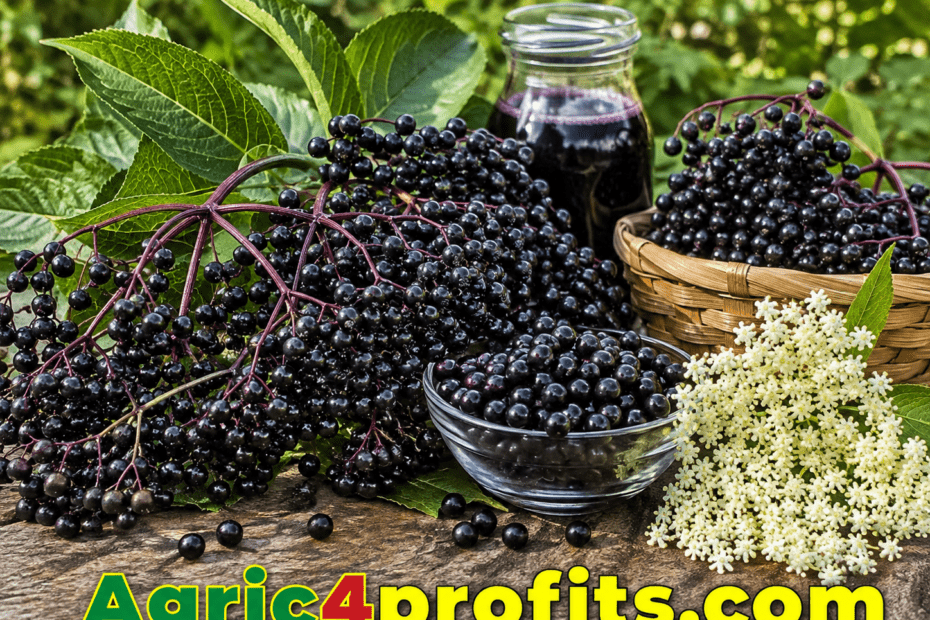
Elderberries, commonly associated with Sambucus nigra, are small purple-black fruits valued for their distinctive flavor, traditional uses, and culinary versatility. They grow on deciduous elder shrubs. This supports practical household and garden decisions.
Fresh ripe elderberries can be used in properly prepared foods and beverages, including cooked syrups, jams, sauces, and drinks. Their deep color comes from naturally occurring anthocyanin pigments. This supports practical household and garden decisions.
Elderberries contain vitamin C, dietary fiber, minerals, and several plant compounds. However, nutritional value should be considered alongside important preparation requirements because raw or unripe berries can be unsafe. This
Historically, elderberries have appeared in European folk traditions and household food preparation. Modern research has examined elderberry products for respiratory symptoms, although clinical evidence remains limited and mixed. This supports practical household and garden decisions.
For gardeners, elderberries can become productive shrubs when planted in suitable soil with adequate moisture, sunlight, pruning, and pollination. See our fruit cultivation techniques for broader planting principles. This supports practical household and garden decisions.
Read Also: How to Raise Backyard Chickens
🌿 Go Organic on Your Farm: Instead of harmful chemical pesticides and fertilisers, try our organic farming products — including neem oil spray, bio-pesticides, natural plant treatments, organic seeds and seedlings, suckers, and many more organic products that are safe for your health, your family, your soil and your harvest. Shop Now →
The History of Elderberries (Sambucus nigra)
This provides useful context for comparing elderberries with other fruit bushes in practical garden planning and management. It also guides routine crop-care decisions for growers throughout the planting season and harvest period.
In European folk traditions, elder trees developed strong cultural associations, and stories sometimes connected them with protection, spirits, or household customs. These traditions varied considerably between communities. This supports practical household and garden decisions.
Historical food practices included transforming ripe berries into cooked preserves, syrups, wines, sauces, pies, and other preparations. Cooking was important because raw plant material can contain toxic compounds. This supports practical household and garden decisions.
Elderflowers also became valued in traditional kitchens and herbal practices. Their fragrance and delicate flavor encouraged uses in beverages, fritters, syrups, and other seasonal preparations. This supports practical household and garden decisions.
🔧 Free Farm Tool Available: Use our free Agric4Profits Farm Tools to calculate your farm profits, formulate feeds, identify pests and diseases on both your crops and animal farms, plan your planting and harvesting season, including many more farm tasks to get free expert advice and recommendations — completely free, no registration required. Access Free Tools →
During medieval and early modern periods, herbalists recorded elder plants among many medicinal herbs. These records reflected traditional beliefs and practices rather than the standards required for modern clinical evidence.
As botanical science developed, researchers began identifying pigments, polyphenols, and other compounds within elderberries. These investigations encouraged renewed interest in the fruit's nutritional composition and potential biological effects. This supports practical household and garden decisions.
Interest expanded during the twentieth and twenty-first centuries as consumers sought concentrated elderberry syrups, extracts, gummies, and other products. Commercial demand has increasingly focused on immune and respiratory wellness. This
Today, elderberries remain important specialty fruits for home gardeners, food processors, and niche growers. Their long history combines culinary traditions, cultural practices, horticultural selection, and continuing scientific investigation. This supports practical household and garden decisions.
Read Also: Best Source of Water for Poultry Birds
💬 Have a Farming Question? Join thousands of farmers across Africa on the Agric4Profits Community — ask questions, share experiences and connect with agricultural experts. It is completely free. Ask Your Question Now →
The Nutritional Values of Elderberries (Sambucus nigra)
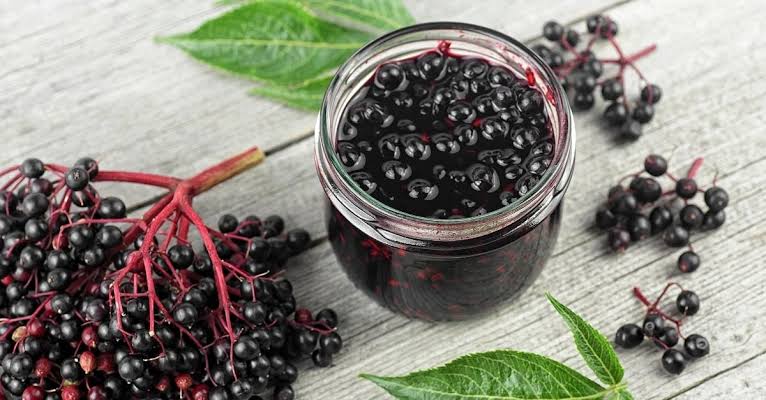
Elderberries can contribute useful nutrients to the diet, particularly when properly prepared and included with other fruits. Growers can also use a soil fertility guide to support productive plants. This supports sound nutrient planning.
1. Vitamin C: Elderberries provide vitamin C, an essential nutrient involved in normal immune function, collagen formation, wound healing, and protection of cells from oxidative damage. This supports practical household and garden decisions.
2. Dietary Fiber: Farmers can review organic input planning when improving soil fertility for fruit crops. Properly prepared elderberries contain dietary fiber, which supports normal bowel function and contributes to fullness.
3. Anthocyanins: The dark purple color of elderberries reflects anthocyanins and related polyphenols. These compounds have antioxidant activity and are among the fruit's most studied phytochemicals. This supports practical household and garden decisions.
4. Potassium: Elderberries provide potassium, a mineral required for normal nerve signaling, muscle function, and fluid balance. Their contribution should complement other potassium-rich foods in balanced diets. This supports practical household and garden decisions.
5. Iron: Elderberries contain some iron, although fruit alone is not usually a major iron source. Iron supports hemoglobin formation, oxygen transport, and normal cellular energy processes. This supports practical household and garden decisions.
6. Other Plant Compounds: Elderberries contain additional polyphenols and pigments that may contribute to their overall antioxidant profile. Amounts can differ with cultivar, maturity, processing, and growing conditions. This supports practical household and garden decisions.
7. Energy Content: Fresh elderberries can fit within moderate-calorie eating patterns. Their nutritional role depends on serving size and preparation, especially when syrups, sweeteners, or rich desserts are added. This
8. Food Preparation Matters: Raw or unripe elderberries contain cyanogenic substances that can cause gastrointestinal illness. Proper cooking is important before consumption, while leaves, stems, and bark should not be eaten.
📖 Want to Go Deeper on This Topic?
Our expert agricultural ebooks cover poultry, fish farming, different crops production, snail farming, organic farming, mushrooms, sheep, cattle, flowers, pig farming, goat farming, agribusiness, etc. in practical step-by-step detail — written by agricultural professionals for African farmers.
Browse All Farming Ebooks →The Health Benefits of Elderberries (Sambucus nigra)
Elderberries may offer useful nutritional and potential wellness benefits, but claims should remain evidence-based. Responsible food production also benefits from our organic fruit farming guide. These principles support careful crop management.
1. Antioxidant Support: Anthocyanins and other polyphenols contribute antioxidant activity. Including elderberries in a varied diet can increase intake of plant compounds associated with normal cellular protection. This supports practical household and garden decisions.
2. Immune Nutrient Support: Vitamin C contributes to normal immune function. Elderberries can therefore add vitamin C and other nutrients to meals, although they should not replace a balanced diet.
3. Respiratory Symptom Research: Preliminary studies suggest some elderberry products may modestly improve cold or influenza symptoms. Evidence remains limited, so elderberry should not be presented as a proven cure.
4. Heart-Healthy Eating: Elderberries provide potassium and polyphenols while adding fruit variety. Including them in balanced meals may support an overall heart-conscious dietary pattern without promising disease prevention. This supports practical household and garden decisions.
5. Digestive Support: Dietary fiber contributes to regular bowel movements and digestive health. Elderberries can provide fiber when appropriately prepared and consumed alongside other whole plant foods. This supports practical household and garden decisions.
6. Skin Nutrient Support: Vitamin C participates in collagen production and antioxidant protection. Elderberries can contribute to dietary vitamin C intake, although eating the fruit does not guarantee improved skin.
7. Dietary Variety: Adding differently colored fruits such as elderberries increases variety in food choices. Greater dietary diversity can help people obtain a broader range of vitamins, minerals, and phytochemicals.
8. Traditional Wellness Use: Elderberries have a long history in folk medicine and household remedies. Traditional use provides cultural context, but historical practice does not establish clinical effectiveness. This supports practical household and garden decisions.
9. Safety Awareness: One important health benefit of informed elderberry use is recognizing preparation risks. Raw, unripe berries and other plant parts can cause poisoning and gastrointestinal symptoms. This supports practical household and garden decisions.
10. Appropriate Moderation: Elderberries work best as one food within a balanced diet. Concentrated supplements or extracts deserve extra caution because composition, dosage, and medication interactions can differ substantially. This
How to Grow Elderberries (Sambucus nigra)
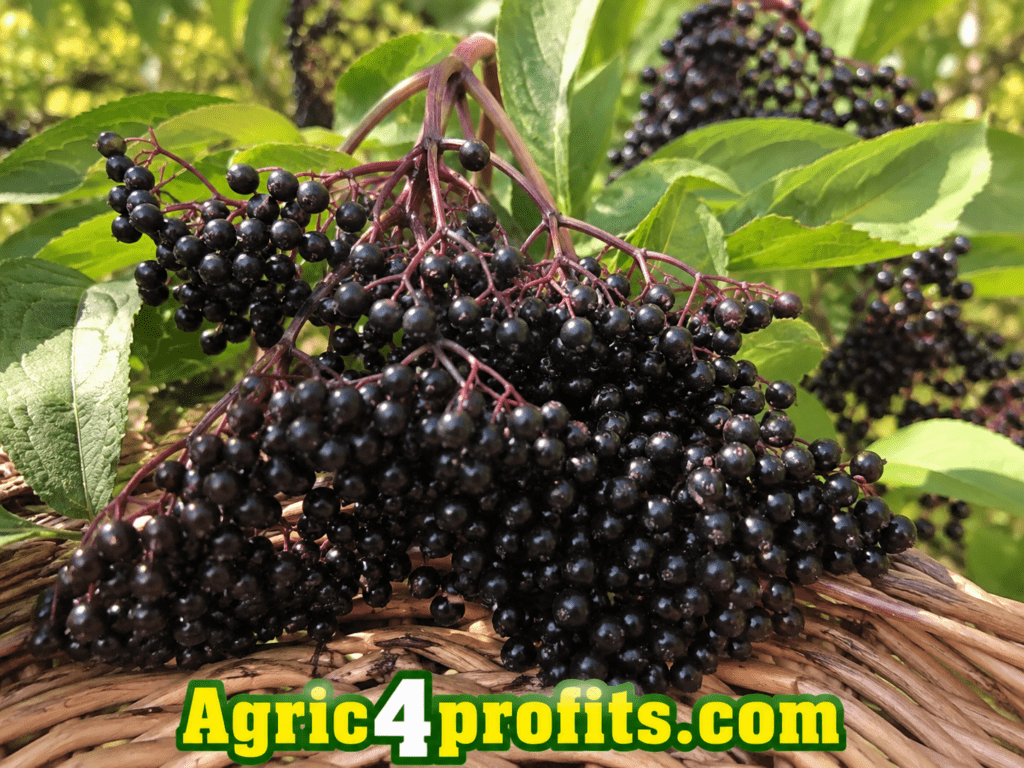
Elderberries can be productive shrubs when their basic requirements are met. Successful cultivation depends on suitable varieties, fertile soil, consistent moisture, sunlight, pruning, and careful harvest management. This supports practical household and garden decisions.
1. Choose a Suitable Variety: Site planning can be strengthened with a fruit orchard establishment guide. Select an elderberry type adapted to your climate and intended use. This supports practical and informed decisions for growers.
2. Select the Site: Choose a location receiving good sunlight with fertile, well-drained soil. Elderberries tolerate some partial shade, but adequate light generally supports stronger growth and fruit production. This
3. Prepare the Soil: Improve poor soil with suitable organic matter before planting. Soil testing can help identify nutrient or pH problems and prevent unnecessary fertilizer applications. This supports safe
4. Plant With Adequate Space: Provide enough room for mature shrubs, equipment access, airflow, and harvesting. Spacing should reflect cultivar growth, local recommendations, and whether plants are grown for home or commercial production.
5. Maintain Moisture: Water planning can be informed by this small-farm irrigation guidance. Elderberries prefer consistent moisture, particularly during establishment and fruit development. Irrigate during dry periods while preventing prolonged waterlogging around the root system.
6. Mulch the Root Zone: Organic mulch can conserve moisture, suppress weeds, moderate soil temperature, and contribute organic matter as it decomposes. Keep mulch away from direct stem contact. This
7. Prune Strategically: General pruning principles are discussed in our fruit-tree production guide. Remove dead, damaged, weak, or overcrowded wood to improve structure and airflow. This supports practical and informed decisions for growers.
8. Manage Nutrients Carefully: Fertilize according to soil conditions, plant vigor, and crop recommendations. Excessive nitrogen can encourage vigorous vegetative growth while creating an imbalance with fruit production. This supports
9. Monitor Pests and Diseases: Farmers can use the pest and disease identifier when symptoms appear. Inspect plants regularly for aphids, mites, fungal symptoms, and other problems. This supports practical and informed decisions for growers.
10. Harvest and Prepare Safely: Post-harvest quality is also covered in our guide to post-harvest fruit management. Pick fully ripe dark berries carefully, then process them promptly after harvest to preserve quality.
Summary on Elderberries (Sambucus nigra): History, Nutrition, Health Benefits and Growing Guide
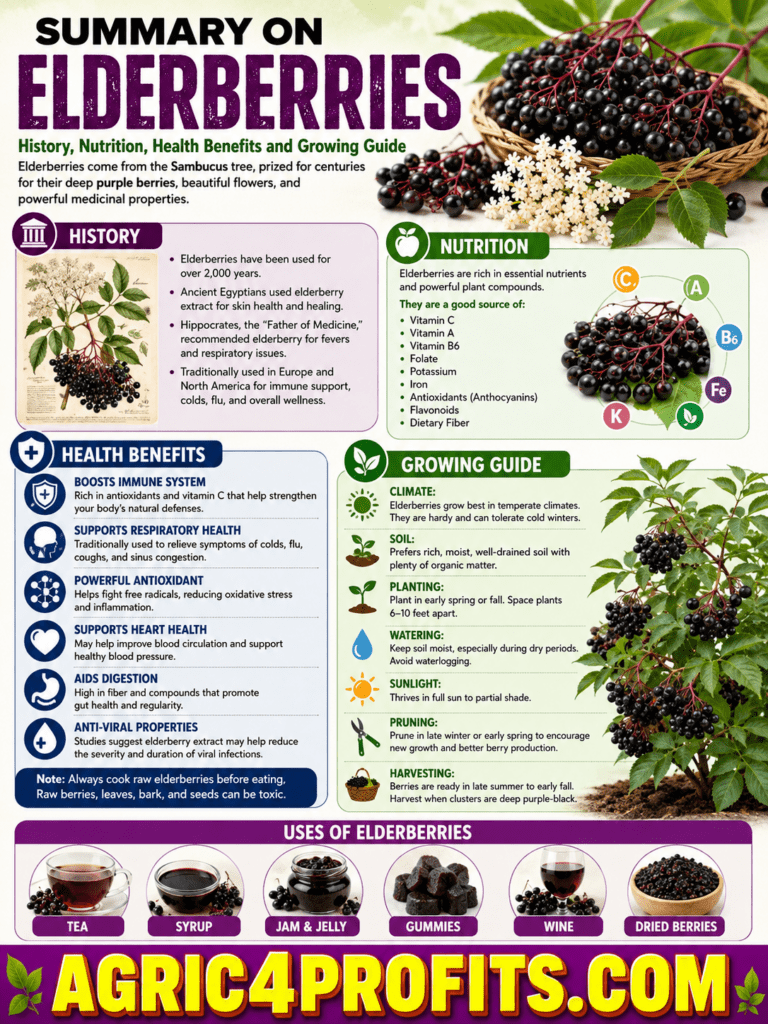
| Aspect | Summary |
|---|---|
| Botanical identity | Elderberries are commonly associated with Sambucus nigra and related cultivated elder taxa. |
| Appearance | Small purple-black berries produced in clusters on deciduous elder shrubs. |
| Nutrition | Provides vitamin C, fiber, potassium, iron, anthocyanins, and other plant compounds. |
| Health evidence | Preliminary evidence concerns respiratory symptoms; evidence remains limited and does not establish elderberry as a cure. |
| Safety | Raw or unripe berries and several other plant parts can be toxic; proper cooking is important. |
| Growing needs | Suitable varieties, fertile well-drained soil, adequate light, moisture, pruning, and pest monitoring. |
| Harvest | Pick fully ripe dark berries carefully and process them promptly. |
| Uses | Cooked syrups, jams, sauces, beverages, preserves, pies, and specialty food products. |
Frequently Asked Questions About Elderberries (Sambucus nigra): History, Nutrition, Health Benefits and Growing Guide
1. What are elderberries? This supports safe practical and informed decisions for households and growers This supports safe, practical, and informed decisions for growers. This supports practical and informed decisions for growers.
Elderberries are small purple-black fruits produced by elder shrubs, especially plants associated with Sambucus nigra. They are commonly used in cooked foods, preserves, beverages, and specialty products. This supports safe
2. Are raw elderberries safe to eat? This supports safe practical and informed decisions for households and growers This supports safe, practical, and informed decisions for growers. This supports practical and informed decisions for growers.
No. Raw or unripe elderberries can contain cyanogenic substances that may cause nausea, vomiting, diarrhea, or more serious illness. Proper cooking is required before consuming suitable ripe berries. This supports
3. Can elderberry prevent the flu? This supports safe practical and informed decisions for households and growers This supports safe, practical, and informed decisions for growers. This supports practical and informed decisions for growers.
Current evidence does not establish elderberry as a proven method for preventing influenza. Some preliminary research suggests possible symptom benefits, but studies are limited and evidence quality remains low. This
4. What nutrients do elderberries contain? This supports safe practical and informed decisions for households and growers This supports safe, practical, and informed decisions for growers. This supports practical and informed decisions for growers.
Elderberries provide vitamin C, dietary fiber, potassium, iron, anthocyanins, and other polyphenols. Their contribution varies with cultivar, maturity, growing conditions, preparation, and serving size. This supports safe practical and informed
5. How should elderberries be prepared? This supports safe practical and informed decisions for households and growers This supports safe, practical, and informed decisions for growers. This supports practical and informed decisions for growers.
Use fully ripe berries from correctly identified plants and cook them before consumption. Avoid eating leaves, stems, bark, and raw or unripe berries because these parts can be toxic. This
6. What soil is suitable for elderberries? This supports safe practical and informed decisions for households and growers This supports safe, practical, and informed decisions for growers. This supports practical and informed decisions for growers.
Elderberries generally perform well in fertile, well-drained soils that retain adequate moisture. Soil testing and appropriate organic matter can help correct fertility problems before planting. This supports safe practical and
7. How much sunlight do elderberries need? This supports safe practical and informed decisions for households and growers This supports safe, practical, and informed decisions for growers. This supports practical and informed decisions for growers.
Elderberries generally perform well with substantial sunlight, although some types tolerate partial shade. Good light usually supports vigorous growth and fruit production when moisture and soil are suitable. This supports
8. When are elderberries harvested? This supports safe practical and informed decisions for households and growers This supports safe, practical, and informed decisions for growers. This supports practical and informed decisions for growers.
Harvest usually occurs after berries become fully dark and ripe, with timing varying by cultivar and climate. Pick complete clusters carefully and process or refrigerate fruit promptly. This supports safe
9. How are elderberries commonly used? This supports safe practical and informed decisions for households and growers This supports safe, practical, and informed decisions for growers. This supports practical and informed decisions for growers.
Cooked elderberries are used in syrups, jams, jellies, sauces, beverages, pies, and other specialty foods. Their strong color and tart flavor make them useful for many recipes. This supports safe
10. Can elderberries be grown commercially? This supports safe practical and informed decisions for households and growers This supports safe, practical, and informed decisions for growers. This supports practical and informed decisions for growers.
Yes. Elderberries are increasingly grown as specialty crops in suitable regions. Commercial production requires reliable planting material, site planning, pest management, harvesting systems, processing options, and market access. This supports
Do you have any questions, suggestions, or contributions? If so, please feel free to use the comment box below to share your thoughts. We also encourage you to kindly share this information with others who might benefit from it. Since we can’t reach everyone at once, we truly appreciate your help in spreading the word. Thank you very much for your support and for sharing!
Read Also: Low-Maintenance Plants for Beginners
🌱 Take Your Farming Further With Agric4Profits
Based on what you just read, here are free resources and products from Agric4Profits that can help your farm right now:
- 🛒 Visit Our Marketplace — Organic neem oil, bio-pesticides, seeds and farming products
- 📚 Read Premium Content — Advanced guides for serious and profitable farming
- 🎓 Join Our Free Academy — Structured free training for farmers across Africa
- 🔧 Use Our Free Farm Tools — Profit calculators, feed formulation, pest identifier and more
- 💬 Join Our Farming Community — Connect with farmers across all 54 African countries
- ❓ Ask a Farming Question — Get answers from experienced farmers and agricultural experts
Please cite this content in academic work, research, or publications.