


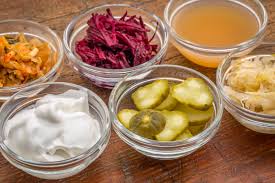
Fermented foods are a fascinating part of culinary traditions worldwide, created through the action of microorganisms. This article delves into how various foods are fermented, exploring the processes, starter cultures, and specific applications in milk, vegetables, fruits, grains, meat, and beverages like yogurt, cheese, and ginger beer.
The process of fermentation transforms raw ingredients, enhancing flavors and extending shelf life. By understanding the science behind fermentation, we can appreciate the diversity of fermented products and their cultural significance. Let’s explore the key aspects of fermentation across different food types.
Fermentation Processes
Fermentation involves microorganisms converting sugars into alcohol, acids, or gases. This section covers the methods used to initiate and control fermentation, ensuring consistent and safe results for various foods.
A. Spontaneous Fermentation
Spontaneous fermentation relies on the natural microorganisms present in raw materials. The initial treatment of the material encourages the growth of an indigenous flora, typically dominated by lactic acid bacteria (LAB) early on, followed by yeasts. Moulds, requiring aerobic conditions, are less common in certain products due to limited oxygen availability.
This method often results in a microbial succession, where LAB initially thrive, producing lactic acid, followed by yeasts that contribute alcohols and aroma compounds. Spontaneous fermentation is common in traditional, small-scale productions like homemade sauerkraut or kimchi.
B. Back-Slopping
1. Definition: Back-slopping uses a portion of a previous fermented batch to inoculate a new one.
2. Advantage: This method introduces a higher initial number of beneficial microorganisms, ensuring faster and more reliable fermentation compared to spontaneous methods.
3. Applications: It is widely used in home-made milk, vegetable, and cereal fermentations, as well as in sourdough bread production, where a sample of the previous dough kickstarts the new batch.
Back-slopping also promotes bacteria that produce antimicrobial substances, ensuring consistent microbial growth across batches. This method is particularly effective for maintaining traditional flavors in products like sourdough.
C. Starter Cultures
Starter cultures involve adding specific microorganisms to control fermentation. Heat treatment of raw materials often inactivates indigenous flora, allowing the added cultures to dominate. This method is ideal for products like dairy, where texture and flavor consistency are critical.
In plant fermentations, starter cultures, especially those with bacteriocin-producing strains, enhance the dominance of desirable flora. This ensures a predictable fermentation outcome, particularly in large-scale productions like sauerkraut or yogurt.
Read Also: The Nutritional Requirements and Deficiency Symptoms for Poultry Chickens
Starter Cultures in Fermentation
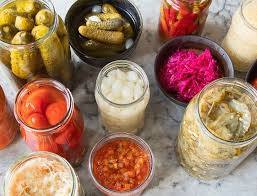
Starter cultures are critical for achieving consistent fermentation results. They are classified based on strain type and growth temperature, playing a key role in shaping the flavor, texture, and safety of fermented foods.
Starter cultures ensure that fermentation proceeds predictably, minimizing the risk of spoilage. This section explores the types of starter cultures and their applications in food production.
A. Single-Strain Starter Cultures
Single-strain starter cultures are used primarily for yeasts and moulds in beer and wine production, as well as LAB in certain dairy products, sausages, and sauerkraut. These cultures provide precise control over fermentation, ensuring specific flavor profiles.
For example, single-strain LAB cultures are used in sauerkraut production to promote consistent acidification. This method is particularly effective in controlled industrial settings.
B. Multiple-Strain Starter Cultures
Multiple-strain starter cultures are common in dairy products, sourdough, sausages, and wine. These cultures combine different microorganisms to achieve complex flavors and textures, as seen in Cheddar cheese production.
Mixed undefined bacterial starter cultures, also known as traditional or artisanal starters, are widely used in the dairy industry and sourdough production, offering robust fermentation outcomes.
C. Bacterial Starter Cultures
1. Lactic Acid Bacteria (LAB): LAB are gram-positive, non-spore-forming, catalase-negative bacteria that produce lactic acid from glucose. They are classified as homofermentative (producing mainly lactic acid) or heterofermentative (producing lactic acid, acetic acid, and CO2).
2. Other Bacteria: Acetobacter, Bifidobacterium, Micrococcus, and Staphylococcus are used in specific fermentations, while Brevibacterium and Propionibacterium serve as secondary or adjunct cultures.
3. Impact of DNA Technology: Advances in DNA technology have refined bacterial taxonomy, leading to more precise classification and application of LAB in food fermentation.
Milk Fermentation Cultures
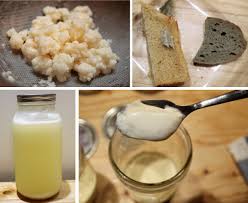
Milk fermentation relies heavily on LAB to produce products like yogurt and cheese. This section examines the specific cultures used and their roles in creating distinct flavors and textures.
Milk fermentation is a cornerstone of dairy production, transforming milk into products with unique sensory profiles. Understanding the cultures involved is key to appreciating these foods.
A. Mesophilic Starter Cultures
Mesophilic cultures, originating from northern and eastern Europe, include Lactococcus lactis subsp. cremoris, L. lactis, and Leuconostoc species. These cultures are known for rapid milk acidification, crucial for cheese production.
L. diacetylactis and Leuconostoc species produce diacetyl, the characteristic buttery flavor in many cheeses and fermented milk products. They also generate CO2, creating holes in cheeses like Gouda.
B. Thermophilic Starter Cultures
Thermophilic cultures, common in southern and eastern Europe, include Streptococcus thermophilus and Lactobacillus delbrueckii subsp. bulgaricus. These cultures are used for rapid acidification in products like yogurt and mozzarella.
Some strains, like Lactobacillus helveticus, are highly proteolytic, influencing cheese taste and texture. They also metabolize residual galactose, preventing undesirable bacterial growth in cheese.
C. Challenges with Bacteriophages
1. Sensitivity to Phages: Pure bacterial starter cultures are more susceptible to bacteriophages than mixed or indigenous flora.
2. Preventive Measures: Phage-resistant cultures, high sanitation standards, closed vats with filters, and restricted personnel access help mitigate phage risks.
3. Case Study: The TK5 mixed O-culture used for Cheddar cheese production in Denmark was effective for 11 years before phage issues arose, highlighting the need for robust phage management.
Vegetable, Fruit, and Grain Fermentation
Fermentation of plants involves lactic acid, acetic acid, or alcoholic fermentation. This section explores the microorganisms and challenges involved in fermenting vegetables, fruits, and grains.
Plant fermentations are complex due to variable raw material quality and environmental conditions. Proper techniques ensure successful fermentation and desirable product outcomes.
A. Lactic Acid Fermentation
Lactic acid fermentation in vegetables relies on LAB like Lactobacillus plantarum and Leuconostoc mesenteroides. Salt addition (2–10% w/v) and anaerobic conditions initiate fermentation, promoting desirable microbial growth.
Vegetable fermentation is challenging due to the inability to pasteurize raw materials without affecting texture. Spontaneous fermentation or back-slopping is common for products like sauerkraut and kimchi.
B. Acetic Acid and Alcoholic Fermentation
1. Acetic Acid Fermentation: Used for vinegar production, this two-stage process involves alcoholic fermentation followed by ethanol oxidation to acetic acid by Acetobacter species.
2. Alcoholic Fermentation: Yeasts like Saccharomyces cerevisiae and fungi like Aspergillus oryzae drive alcoholic fermentation in grains and fruits, producing beverages like sake.
3. Commercial Products: Olives, pickled cucumbers, sauerkraut, and kimchi are major industrially produced fermented vegetables, often relying on spontaneous or back-slopping methods.
C. Grain Fermentation
Grains like maize, rice, and sorghum are typically fermented via spontaneous fermentation or back-slopping. Sourdough production often uses LAB starter cultures, with or without yeast, to achieve consistent results.
In industrial settings, back-slopping remains common in countries like Denmark and Germany, ensuring traditional flavors in sourdough breads.
Read Also: Layers or Broilers which One is More Profitable in Poultry Farming? Find Out!
Meat Fermentation Cultures
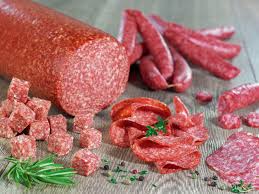
Meat fermentation, primarily for sausages, uses starter cultures to enhance safety, flavor, and texture. This section covers the microorganisms and techniques involved.
Fermented sausages are a popular product, with starter cultures ensuring consistent quality. The choice of cultures impacts the final product’s sensory properties.
A. Starter Cultures for Sausages
1. LAB and Staphylococci: Single- or multiple-strain cultures of LAB and staphylococci are used for rapid acidification, flavor development, and color stability.
2. Indigenous Microflora: Some sausages rely on natural microflora, but starter cultures offer better control and safety.
3. Carbohydrate Addition: Due to low sugar content in meat, added carbohydrates influence the final pH, affecting texture and preservation.
B. Regional Variations
Northern European sausages are smoked and dried, while southern European sausages are drier, often with moulds. Fermentation temperatures typically range from 17–24°C, though U.S. pepperoni is fermented at 40°C.
C. Benefits of Starter Cultures
Starter cultures ensure uniform acidification, good texture, desirable flavors, and enhanced safety. Staphylococci contribute to aroma and color stability, while LAB drive acidification and texture development.
Yeast Starter Cultures
Yeasts play a vital role in both spontaneous and controlled fermentations, contributing to flavor and alcohol production. This section explores their applications in food and beverage fermentation.
Yeasts are versatile microorganisms, thriving in both aerobic and anaerobic conditions. Their use as starter cultures enhances fermentation control and product quality.
A. Saccharomyces cerevisiae
Saccharomyces cerevisiae is the most widely used yeast, employed in bread, wine, beer, and cheese production. It converts carbohydrates into alcohols, CO2, and secondary metabolites like esters and aldehydes.
B. Other Yeast Species
Saccharomyces pastorianus is used for lager beer, while Debaryomyces hansenii is common in cheese and fermented meat products. Advances in DNA technology continue to refine yeast taxonomy.
C. Controlled Fermentation Benefits
1. Consistency: Using purified yeast starter cultures ensures predictable fermentation outcomes.
2. Innovation: Controlled fermentations allow the development of new food products with specific flavor profiles.
3. Safety: Clarifying the taxonomic position of yeasts and assessing their probiotic or pathogenic potential enhances food safety.
Yogurt Production
Yogurt is a globally cherished dairy product made by bacterial fermentation of milk. This section details the process and cultures involved in yogurt production.
Yogurt’s tangy flavor and creamy texture result from the action of specific bacteria. Its production is a fine balance of science and tradition.
A. Yogurt Cultures
1. Key Bacteria: Lactobacillus delbrueckii subsp. bulgaricus and Streptococcus salivarius subsp. thermophilus are the primary yogurt cultures, producing lactic acid for texture and flavor.
2. Additional Cultures: Lactobacilli and bifidobacteria may be added for enhanced health benefits or flavor complexity.
3. Regulatory Standards: Some countries, like Switzerland, require yogurt to contain at least 10 million colony-forming units of microorganisms per gram.
B. Production Process
Milk is heated to 80°C to kill undesirable bacteria and denature proteins, then cooled to 45°C. Yogurt cultures are added, and the mixture ferments for 4–7 hours, achieving the desired tang and texture.
C. Milk Sources
Cow’s milk is most common, but milk from buffalo, goats, ewes, mares, camels, and yaks is used globally, contributing to diverse yogurt varieties.
Cheese Production
Cheese is a diverse dairy product with varied flavors and textures. This section explores the processes and cultures involved in cheese making.
Cheese production is a complex art, blending microbial action with precise techniques to create a wide range of products.
A. Cheese Making Basics
1. Coagulation: Cheese is made by coagulating milk protein casein, typically through acidification and rennet addition.
2. Curd Processing: Curds are separated from whey, cut, heated, and salted to develop texture and flavor.
3. Ripening: Aging transforms cheese texture and flavor through microbial and enzymatic activity.
B. Starter Cultures
Lactococci, Lactobacilli, and Streptococci are primary starter bacteria, with Propionibacter shermani used in Swiss cheeses for hole formation. Vegetarian rennet alternatives, like those from Mucor miehei, are also common.
C. Cheese Varieties
Hundreds of cheeses exist, influenced by milk source, pasteurization, butterfat content, and aging. Techniques like stretching (Mozzarella), cheddaring (Cheddar), or washing (Gouda) create distinct textures and flavors.
Ginger Beer Production
Ginger beer is a carbonated, ginger-flavored beverage with a rich history. This section covers its production and cultural significance.
Originating in 18th-century England, ginger beer remains a popular soft drink today, with traditional brewing methods still in use.
A. Historical Context
1. Origins: Brewed ginger beer began in England in the mid-18th century, peaking in popularity in the early 20th century.
2. Cultural Significance: It was introduced to the Ionian Islands as “tsitsibíra” and remains a local specialty in Corfu.
3. Modern Production: Today, ginger beer is primarily a non-alcoholic soft drink, though traditional methods can yield up to 11% alcohol.
B. Brewing Process
Ginger beer is made by fermenting ginger, sugar, water, and a ginger beer plant (GBP) or other cultures like yeast or LAB. Fermentation over a few days produces carbonation and flavor.
C. Ginger Beer Plant
The GBP is a symbiotic colony of Saccharomyces florentinus and Lactobacillus hilgardii, forming a gelatinous culture. It facilitates fermentation and can be reused across batches, similar to kefir grains.
Frequently Asked Questions
1. What are fermented foods?
Fermented foods are produced or preserved by microorganisms, which convert sugars into alcohol, acids, or gases, enhancing flavor and shelf life. Examples include yogurt, cheese, sauerkraut, and ginger beer.
2. How does spontaneous fermentation work?
Spontaneous fermentation relies on natural microorganisms in raw materials. Lactic acid bacteria initially dominate, followed by yeasts, creating a microbial succession that drives fermentation.
3. What is the role of starter cultures?
Starter cultures are specific microorganisms added to control fermentation, ensuring consistent flavor, texture, and safety. They are used in dairy, meat, and vegetable fermentations.
4. Why are LAB important in fermentation?
Lactic acid bacteria (LAB) produce lactic acid, which acidifies food, enhances flavor, and preserves products like yogurt, cheese, and sauerkraut by inhibiting harmful bacteria.
5. What challenges arise in vegetable fermentation?
Vegetable fermentation is hard to control due to variable raw material quality, temperature, and the inability to pasteurize without affecting texture, requiring careful management of conditions.
6. How do bacteriophages affect dairy fermentation?
Bacteriophages can infect starter cultures, slowing or stopping fermentation. Phage-resistant cultures, sanitation, and closed systems help mitigate these risks in dairy production.
7. What is the ginger beer plant?
The ginger beer plant is a symbiotic colony of yeast and bacteria that ferments ginger beer, creating a gelatinous culture reusable across batches for consistent results.
8. How does cheese ripening affect flavor?
Ripening involves microbes and enzymes breaking down casein and milk fat into amino acids, amines, and fatty acids, intensifying flavor and transforming texture over time.