


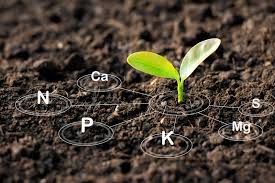
The term nutrient availability encompasses both the chemical and physical status of nutrients in the soil as well as the plant-root relationship, which involves plant metabolism. A nutrient accessible to one plant species may not be accessible to another due to differences in root morphology and metabolism. Understanding the factors and their causal relationships contributing to nutrient availability is essential.
Key Factors Influencing Nutrient Availability in Soil
1. Soil Temperature and Nutrient Release: Low temperature inhibits organic matter decomposition, while higher temperatures induce faster decomposition, thereby releasing nutrients into the soil.
2. Soil Moisture and Nutrient Delivery: Under many climatic conditions, nutrient availability in the topsoil declines more or less steeply during the growing season because low soil water content becomes a limiting factor for nutrient delivery to the root surface.
Soil water content is a critical factor affecting diffusion. At low soil moisture, the water content at the root surface is much lower than that of the bulk soil.
3. Intensity/Quality Ratio in Nutrient Dynamics: The intensity/quality ratio of nutrient availability in soil is connected to the quality (e.g., extractability), mobility, spatial availability, and root-induced changes in the rhizosphere.
Soil Structure and Nutrient Accessibility
Soil structure plays a key role in determining the amount of mineral nutrients available for root uptake. In a well-structured soil, not all roots have complete contact with the soil matrix, and in non-mycorrhizal plants, the degree of root-soil contact varies between root segments.
In soil with higher bulk density, contact is greater, but root elongation growth is impaired. The optimal degree of root-soil contact and soil bulk density for nutrient uptake and plant growth depends on soil fertility and aeration.
Read Also: Pests of Stored Products and Damages Caused
Soil pH and Root Growth
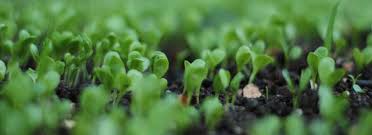
Root growth is not significantly affected by external pH in the range of 5.0–7.5. However, high pH may inhibit root growth either directly or indirectly. If root growth is inhibited, access to nutrients will be reduced.
Root Density and Nutrient Uptake
High root density and long root hairs are important for the uptake of nutrients supplied by diffusion. For a given inter-root distance, the degree of competition mainly depends on effective diffusion and is therefore usually much higher for nitrate than for potassium and of minor importance for phosphorus.
High rooting density in the topsoil is mainly caused by more favorable physical, chemical, and biological conditions compared to the subsoil.
Waterlogging and Root Function
The severity of waterlogging effects on root growth and respiration depends on the plant species, developmental stages, soil properties, and soil temperature.
Cessation of root growth and respiration leads to a drastic drop in the uptake and transport of mineral nutrients to the shoot within a few days of waterlogging.
Read Also: 11 Healing Powers of Siam Weed (Awolowo Leaves) Updated
Alkalinity and Plant Growth Constraints
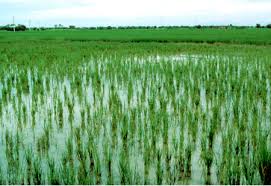
Alkalinity is characterized by a sodium absorption ratio of the soil matrix greater than 15, often containing sodium carbonate. Alkaline soils impair plant growth mainly due to high pH, high bicarbonate, and poor aeration.
In alkaline soils, poor physical conditions and correspondingly poor soil aeration are major constraints, often correlated with sodium and boron toxicity. Nitrogen is a growth-limiting factor for crop species (better than legumes) growing in alkaline soils.
Salinity and Crop Growth Limitations
Salinity is the major nutritional constraint for crops grown on wet and irrigated lands, such as rice. Soils are considered saline if they contain soluble salts in quantities sufficient to interfere with the growth of most crop species.
Constraints include water deficit arising from the low water potential of the rooting medium, nutrient imbalance due to depressed uptake and/or shoot transport, and impaired internal distribution of mineral nutrients.
Do you have any questions, suggestions, or contributions? If so, please feel free to use the comment box below to share your thoughts. We also encourage you to kindly share this information with others who might benefit from it. Since we can’t reach everyone at once, we truly appreciate your help in spreading the word. Thank you so much for your support and for sharing!