


Processing freshwater and marine fish into various intermediate products relies heavily on the technology developed in specific regions. Once fish has been preserved, further processing is less complex compared to the processes used in the red meat industry.
Minced Fish Flesh Products
The success of surimi-based products has spurred the development of other minced fish flesh products. Unlike surimi, minced fish products do not undergo repeated washing cycles.
Due to the presence of residual oils and sarcoplasmic enzymes (removed during surimi washing), cryoprotectants must be added to minced flesh prior to freezing to prevent oil oxidation and enzyme degradation.
Surimi, developed in Japan centuries ago, involves washing minced fish flesh followed by heating, resulting in a natural gelling of the flesh. When surimi is combined with other ingredients, mixed or kneaded, and steamed, various fish gel products called kamaboko (fish cakes) are produced and sold as neriseihin (kneaded seafood).
Modern surimi production utilizes continuous operating lines with automated machinery for heading, gutting, deboning, mincing, washing, pressing (to remove water), and heating the flesh. The surimi is then mixed with cryoprotectants and frozen for cold storage.
Frozen surimi blocks are shipped to processing plants that produce various kamaboko products, such as original kamaboko (itatsuki), broiled kamaboko (chikuwa), fried kamaboko (satsumage), and analog products, including imitation crab, scallops, and shrimp.
The chemistry of the surimi process involves differential extraction of muscle proteins. Water-soluble sarcoplasmic proteins, which inhibit gelling, are removed during washing of the minced flesh.
The flesh is then comminuted with salt, solubilizing the myofibrillar proteins actin and myosin. Upon heating, these proteins form a network structure with a gel-like consistency. Cryoprotectants stabilize the myofibrillar protein network during frozen storage.
Read Also: Essential Fatty Acids as Agricultural Food Additives
Fermented Fish Product Varieties
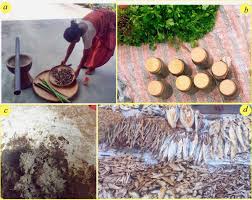
Numerous fermented fish products are prepared globally, typically by mixing fish with salt and allowing fermentation. Nuoc mam, a Vietnamese fish sauce, exemplifies this. Various fish sauces are produced in several countries.
In Asia, fermented fish products are generally salt-fermented, including fish sauce, fish paste, and cured fish. When salt concentration exceeds 20% of total weight, growth of pathogenic and putrefactive microorganisms is prevented, eliminating the need for additional preservatives.
Classification of these products depends on the degree of hydrolysis, influenced by fermentation time, temperature, enzyme sources, and water content. Fully hydrolyzed liquid is defined as fish sauce. Cured fish retains the fish’s original shape in exuded liquid, often used as a side dish for rice meals.
Fish paste, partially dried salted fish, restricts hydrolysis, producing a homogeneous, solid condiment. Each type can be subdivided by raw materials, such as fish species or portions, resulting in numerous products. In Korea, over 30 cured fish products exist.
At salt concentrations below 20%, rapid spoilage occurs, necessitating other preservation methods. Lactic fermentation, using added carbohydrates like rice, millet, flour, or syrup, is an established low-salt preservation method. The amount of carbohydrate and salt concentration controls acid fermentation and maintains quality.
Alternatively, low-salt fermented fish can be preserved with vinegar at low temperatures, a method common in Scandinavian countries. Salt-cured and dried fish products, such as Plakem in Thailand, Jambalroti in Indonesia, Maldive fish in Sri Lanka, and Gulbi in Korea, are widespread, though the role of fermentation in these is not fully understood.
Fermented fish products are categorized by enzyme hydrolysis or microbial fermentation. Enzyme-hydrolyzed products are subdivided into four groups: (1) hydrolysis in >20% salt, (2) hydrolysis in salt+drying, (3) hydrolysis at low temperature, and (4) hydrolysis at low pH. Microbial-fermented products are divided into two groups: (1) with added carbohydrate and (2) without added carbohydrate.
Major hazards in proteinaceous foods like fermented fish include pathogenic bacteria (e.g., Vibrio spp.), parasitic worms, and physiologically active amines. Unheated foods in anaerobic conditions risk Clostridium botulinum growth and toxin production.
High-salt or low-salt lactic fermented fish products, when prepared with appropriate salt content or low pH, prevent pathogenic bacterial growth. However, improper storage of raw fish before salting or insufficient acid production in low-salt fermentation can lead to botulism outbreaks.
Botulinum toxin, stable in salty and acidic environments, is destroyed by cooking. Fermented fish products like Sushi (Narezushi), Kirikomi (Shiokara) in Japan, and salmon egg cheese among British Columbia First Nation Peoples and Alaska Indians are frequently implicated in C. botulinum type E poisonings.
Physiologically active amines, such as histamine from bacterial decarboxylation of histidine, may accumulate in certain fish, causing poisoning. Jeot-gal, a high-salt fermented fish product used as a side dish or Kimchi additive, contains precursor amino acids for biogenic amines due to its muscle and viscera content.
Reducing biogenic amine content is critical. Studies show garlic and glycine inhibit amino acid decarboxylase activity in Myoelchi-jeot (anchovy-based). Garlic extract reduces cadaverine and tyramine by up to 18.4% and 30.9%, respectively. Glycine reduces putrescine, cadaverine, histamine, tyramine, and spermidine by 32.6%, 78.4%, 93.2%, 100%, and 100%, respectively, improving safety.
To address health concerns about sodium intake, companies are investing in cooling systems for low-salt refrigerated products. The HACCP plan for liquid fermented anchovy, produced traditionally, identifies critical control points (CCPs) at pasteurization (CCP-1B), bottle washing (CCP-2P) to remove debris, and proper filling and packaging (CCP-3B) to prevent decomposition and microbial contamination from poor sealing.
Fish Protein Hydrolysate Production
Fish protein hydrolysate resembles fish protein concentrate (FPC) but retains oil and water. Fish protein is sometimes enzymatically hydrolyzed using a combination of enzyme and acid to facilitate bone removal.
Read Also: Interesting Facts about Cauliflower you must Know
Fish Silage Processing
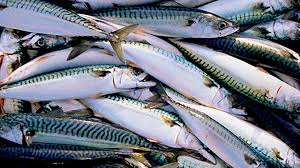
Fish silage consists of conserved fish waste, including heads, spines (frames), trimmings, and offal, finely chopped and mixed with a small amount of formic acid to create an environment inhospitable to spoilage bacteria. This allows enzymes in the offal to digest fish tissue. After five to ten days, depending on temperature, the protein fully liquefies, yielding a product with a long shelf life.
This method enables smaller fish producers to store waste until sufficient volume justifies transport to a central processing plant. Fish silage is reprocessed by heating, high-velocity separation, and centrifugation, yielding “slick” water, oil, and protein liquor.
Further processing polishes the oil for high-quality material, while “slick” water and protein are evaporated to about 35% protein and 4% oil, termed marine protein concentrate (MPC) or fish protein concentrate (FPC).
Fish Fillet Preparation
Fish fillets are flesh cut from the backbone of skinned and gutted fish, yielding high-quality, nearly or entirely bone-free edible products. Filleting involves cutting flesh away from bones and skin, a popular method for preparing fish for meals.
With practice and a proper knife, filleting is straightforward, producing boneless, skinless fish ready for cooking. Production involves pretreatment (trimming scales, fins, de-heading, and grading by size), filleting (often by mechanical machines, though hand-filleting occurs in some industries), grading, packaging, and storage.
Machines use cutting knives to separate flesh from the backbone and collarbone, followed by skinning. White fish like hake, cod, and haddock, with soft white flesh, are easy to fillet.
Fillets are processed into products like fish fillet coins or tails per customer requirements, then packed in blocks and stored in cold storage.
Products from Defatted Fish
After fat removal, defatted fish raw material is used to produce protein-rich flours, primarily fish protein concentrate (FPC) and fish meal. FPC is accepted for human consumption, unlike fish meal, which is not due to flavor instability, odor, and the use of “unwholesome” raw materials like fish guts or formalin.
FPC supplements cereal diets, addressing nutritional deficiencies where meat, fish, eggs, and dairy are unaffordable or insufficient globally. It fortifies products like bread with inexpensive, high-quality protein, retaining nutritive value. Unlike non-fat milk powder, few dry animal proteins match FPC’s cost and nutritive value.
Fish Protein Concentrate (FPC) Specifications
Fish protein concentrate is a stable fish preparation for human consumption with concentrated protein. The Food and Agriculture Organization (FAO) defines three types:
i. Type A: Virtually colorless and tasteless powder with a maximum fat content of 0.75%.
ii. Type B: Powder with no specific odor or flavor limits, but a fishy flavor and maximum fat content of 3%.
iii. Type C: Normal fish meal produced under satisfactory hygienic conditions.
Other FPC forms, unlike fish meal, are made by hydrolyzing fish protein with enzymes or chemicals, then concentrating into a paste or extract. Fat content is specified because oxidized fat can produce a rancid taste. FPC typically contains at least 65% protein, with Type A reaching up to 80%.
Raw material can be fresh fish of any kind or size, or fish meal, stored in ice immediately after capture and processed within 48 hours, preferably 12 hours. Storage in ice for up to 8 days does not affect FPC’s nutritive value. Unexploited fish stocks could supply FPC, though it competes with the fish meal industry for raw material.
FPC is prepared by extracting oil, removing bones, and drying, resulting in 85-95% protein and lower ash content than fish meal. Its smaller, uniform particle size and low oil content make it suitable for human applications, though processing costs make it more expensive than fish meal.
Do you have any questions, suggestions, or contributions? If so, please feel free to use the comment box below to share your thoughts. We also encourage you to kindly share this information with others who might benefit from it. Since we can’t reach everyone at once, we truly appreciate your help in spreading the word. Thank you so much for your support and for sharing!