



Food serves as a vital source of energy for the body, without which optimal functioning is impossible, akin to fuel for a car. Beyond mere sustenance, food embodies love and unity, playing a central role in social contexts that strengthen societal bonds.
Sharing food symbolizes familial love, friendship, care for the ill, and hospitality toward guests. Significant occasions such as birthdays, weddings, child christenings, anniversaries, and other celebrations are marked with special foods, often shared as gifts to express joy and connection.
The hospitality industry extends this familial role, with hotels, restaurants, and fast food outlets catering to people away from home, whether at work, in schools, hospitals, aircraft, or prisons. Food is integral to daily life, influencing meal planning for breakfast, lunch, and beyond.
Thus, food is a cornerstone of society, woven into nearly every activity. The study of food safety and sanitation is critical for protecting consumer health and ensuring public well-being.
Food safety and sanitation refer to food handling practices that safeguard public health by preventing cross-contamination, storing perishable foods at appropriate temperatures, and heating foods to inhibit bacterial growth.
Overview of the Food Service Industry in Nigeria
Significant changes in Nigeria’s social and cultural practices, driven by globalization and media influence, have transformed dining habits. People increasingly venture out to enjoy delicacies and the ambiance of the expanding food industry, fueled by rising purchasing power and long commuting hours that make eating out a necessity. Dining out has become both a social event and a matter of convenience.
On average, Nigerians eat out at least once daily. The diversity of retail food outlets ranges from roadside shacks to fine-dining restaurants with white tablecloths, and everything in between.
Competition in the food service industry is intensifying, offering consumers a wider selection of dining options compared to years past. Food service operations are emerging in unconventional locations, such as fast food restaurants collaborating with petrol stations.
Examples include Mr. Biggs, Chicken Republic, and Sweet Sensation, which have partnered with petrol station operators to establish food service outlets.
This trend heightens competition for traditional restaurants, while non-traditional operators, such as grocery stores offering prepared foods, further challenge casual and fast food establishments. To thrive, food service operators must meet customer needs effectively.
The food service industry has evolved into a complex business, making success challenging for non-professionals due to slim profit margins and high personnel turnover.
Success requires minimizing waste across operations, meeting the expectations of value-driven consumers, and prioritizing employee satisfaction through humane policies.
Read Also: Interesting Facts about Cauliflower you must Know
Types of Ownership in the Food Service Industry
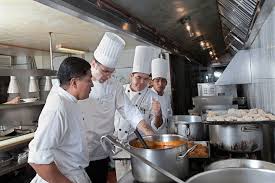
Three primary ownership arrangements exist in the food service industry: franchises, chains, and independents or sole proprietorships.
1. Franchise Operations in Food Service
A franchise is a business arrangement between a franchiser and a franchisee, where the franchiser grants the franchisee the right to distribute specific products or services in a designated manner, location, and timeframe.
This includes using logos, promotional items, and participating in national media campaigns, with operational systems, controls, facility designs, and layouts included in the franchise package. Global franchisers in the food service industry include McDonald’s, Kentucky Fried Chicken, Burger King, and Pizza Hut.
i. Advantages of Franchises:
- Access to a proven, successful business model.
- Ongoing research and development support.
- Established profitability.
- Comprehensive training for management and staff.
- Use of a nationally or regionally recognized trademark.
ii. Disadvantages of Franchises:
- Higher initial setup and operational costs compared to restaurant chains.
- Franchisees must pay initial franchise fees and ongoing royalty fees.
- Some agreements require purchasing goods from the parent company or its subsidiaries at above-market prices.
- Limited creativity and innovation in menu offerings due to restrictions ensuring consistency across franchises.
Read Also: Layers or Broilers which One is More Profitable in Poultry Farming? Find Out!
2. Restaurant Chains in Food Service
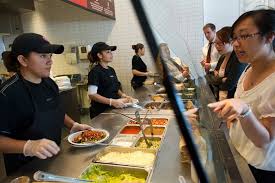
Restaurant chains, part of multi-unit operations, develop a consistent concept, design, menu, décor, and service style that is duplicated nationwide.
In Nigeria, chains are more common in fast food or limited-menu operations than in full-service restaurants, with examples including Mr. Biggs, Tastee Fried Chicken, Tantalizers, and Sweet Sensation.
Mr. Biggs, owned by UAC Foods, began in Lagos and has expanded to numerous branches across the country. Unlike franchises, chain restaurants may be owned by the parent company, a franchise company, or independent owners, and not all chain restaurants operate as franchises.
i. Advantages of Chains:
- Consolidated operations, with efficient designs replicated across locations, reducing facility development costs.
- Centralized menu development and printing, lowering costs and ensuring consistency.
ii. Disadvantages of Chains:
- Most management decisions are made at the top corporate level, distant from individual branches, though some chains allow managers to make urgent decisions.
- The corporate structure can delay decision-making, hindering adaptability to market changes.
3. Independent or Sole Proprietorship Operations
Despite the growth of chains and franchises, independent ownership persists in the restaurant business, offering opportunities for hardworking entrepreneurs.
However, independent operators often face challenges due to insufficient funding, leading many to close within their first few years. Lack of industry knowledge, particularly about customer tastes and preferences, further disadvantages independents.
Unlike chains and franchises, independents lack corporate support but benefit from proximity to their local market, enabling faster and more efficient responses to changing consumer preferences.
The food service industry’s growth and complexity underscore the importance of food safety and sanitation practices to protect public health. By preventing cross-contamination, maintaining proper storage temperatures, and ensuring adequate cooking, the industry upholds its role in nourishing society while fostering social bonds through shared dining experiences.
Whether through franchises, chains, or independent operations, meeting consumer expectations and maintaining high standards of safety and sanitation remain critical for success in Nigeria’s dynamic food service landscape.
Do you have any questions, suggestions, or contributions? If so, please feel free to use the comment box below to share your thoughts. We also encourage you to kindly share this information with others who might benefit from it. Since we can’t reach everyone at once, we truly appreciate your help in spreading the word. Thank you so much for your support and for sharing!