


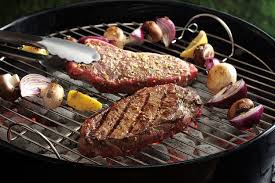
Cooking is simply the transfer of energy from a heat source to a food. To cook foods successfully, understanding the ways in which heat is transferred conduction, convection, and radiation is essential.
Energy alters the food’s molecular structure, changing its texture, flavor, aroma, and appearance. When food is cooked, the process destroys microorganisms and makes food easier to ingest and digest.
In this article, the methods used to transfer heat (broiling, grilling, roasting and baking, sautéing, pan-frying, deep-frying, poaching, simmering, boiling, steaming, braising, and stewing) are explored, along with guidance on cooking different foods using the appropriate methods of cooking.
Read Also: How to Make Money as a Poultry Farmer
Principles of Heat Transfer in Cooking

According to the principles of cooking, heat is a type of energy. When a substance gets hot, the molecules absorb energy, causing them to vibrate rapidly. The molecules start to expand and bounce off one another. As the molecules move, they collide with nearby molecules, causing a transfer of heat energy.
Heat can be transferred to foods through conduction, convection, or radiation. Heat travels through foods by conduction.
Conduction in Cooking
Conduction, one of the most basic principles of cooking, is the movement of heat from one item to another through direct contact. For example, when a flame touches the bottom of a pan, heat is conducted to the pan.
Generally, metals are good conductors. Copper and aluminum are the best conductors, while liquids and gases are poor conductors.
Conduction is a slow method of heat transfer because there must be physical contact from one molecule to another.
Convection in Cooking
Convection is the transfer of heat through a fluid. The fluid may be in a liquid or gas state. According to the principles of cooking, there are two types of convection: natural and mechanical.
Natural convection causes a natural circulation of heat because warm liquids and gases have a tendency to rise while cooler ones fall.
Mechanical convection causes heat to circulate more evenly and quickly through fans or stirring. True or pure convection ovens, usually found in higher-end ovens, have an additional element that surrounds the fan and circulates heated air inside the oven.
The fan forces heated air horizontally through the oven racks around the food, cooking it evenly. Oven position is relatively unimportant. Any rack in a true convection oven should yield the same cooking results, with foods on the bottom rack getting no browner than others.
Virtually any food cooked in a regular oven benefits from convection cooking. Additionally, convection cooking can save money. With convection cooking, the oven heats faster and cooks food 25 percent faster and usually at 25 degrees lower than ordinary ovens.
Poultry skins are crispy because they render faster while meat stays juicy, roasted vegetables caramelize more quickly, and baked goods brown evenly.
Radiation in Cooking
Radiation is energy transferred by waves of heat or light striking the food. Two types of radiant heat are infrared and microwave.
Infrared cooking is commonly used with toasters and broilers. These devices use an electric or ceramic element heated to such a high temperature that it gives off waves of radiant heat. Microwave cooking relies on radiation generated by an oven to heat the food.
Read Also: How to Make Money in Poultry Farming
Effects of Heat on Food Nutrients
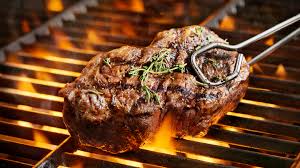
1. Protein Coagulation
Coagulation is when proteins transform from a liquid state to a solid state. Examples: the firming of meat fibers and egg whites changing from a clear liquid to a white solid when heated.
2. Starch Gelatinization
When a mixture of starch and liquid is heated, starch granules swell. The liquid thickens because the starch granules swell to occupy more space. Examples: The thickening of sauces when starch is added.
3. Sugar Caramelization
As sugars cook, they turn brown and change flavor. Caramelized sugar is used in many sugars, candies, and desserts. In fact, caramelization is used in most flavors associated with cooking.
Water Evaporation
All foods contain some water. The evaporation of water dries foods during cooking.
Fat Melting
Fats are greasy, smooth substances that do not dissolve in water. Oils are fats that remain liquid at room temperature. Fats melt when heated and then gradually liquefy. Fats will not evaporate.
Dry Heat Cooking Methods
- Steaming
- Sautéing
- Braising
- Pan-frying
- Stewing
- Deep-frying
- Broiling
- Poaching
- Grilling
- Simmering
- Roasting
- Boiling
- Baking
Do you have any questions, suggestions, or contributions? If so, please feel free to use the comment box below to share your thoughts. We also encourage you to kindly share this information with others who might benefit from it. Since we can’t reach everyone at once, we truly appreciate your help in spreading the word. Thank you so much for your support and for sharing!