



Genetically modified (GM) foods are foods whose genetic makeup has been altered in a way that does not occur spontaneously. The process of genome manipulation involves the translocation of genes from multiple genetic sources, in a process widely known as recombinant deoxyribonucleic acid (rDNA) technology.
Three basic rDNA techniques include transformation, phage introduction, and nonbacterial transformation. Transformation involves enzymatically excising a desired fragment of DNA, inserting it into a vector vehicle, and implanting the vector into a host cell. Nonbacterial transformation involves inserting the DNA vector directly into the nucleus of a cell, instead of a bacterial host cell.
Phage introduction incorporates a bacteriophage (that is, a virus) in place of a bacterial cell, with the same principles as transformation. Using these techniques, rDNA can be used to directly incorporate extraneous genetic material into the food matrix.
Furthermore, insertion of rDNA into plant cells for industrial genetic modification primarily includes two prominent methods: the gene gun method and the Agrobacterium method. The gene gun method involves bombarding target plant cells using gene-coated particles of gold or tungsten.
Desired rDNA strands are coated on the entire surface of either gold or tungsten micromolecules, which are then propelled towards a plant cell using a vacuum chamber for random insertion into cells. However, the more common of the two methods is the use of Agrobacterium tumefaciens, a bacterium that parasitizes plants by inserting its DNA plasmid into cells to initiate host colonization.
This process removes the DNA sequence that controls metabolism and replaces it with the bacterial rDNA strand. Using these two methods, scientists are able to implement rDNA technology for a myriad of industrial applications
.Read Also: How to determine if your Housing is Conducive for your Fishes
Applications of Genetic Modification in Foods: Benefits and Uses

Important applications of genetic modification include delayed or quickened ripening of fruits, herbicide tolerance, insect resistance, micronutrient enrichment, and pathogen resistance to bacteria, fungi, and viruses.
The advantages of genetically modified foods are widespread, encompassing a variety of aspects of increased food production and health benefits, and are becoming increasingly more prevalent.
Food Security and Ethical Considerations: Addressing Global Challenges
With the world’s population increasing at an alarming rate, especially in developing countries, a major threat is posed to food security. Therefore, the introduction of GM crops may have a huge positive impact as it pertains to the ethical guiding principle of justice, where a fair, equitable food supply is maintained.
Climate change is another environmental factor threatening food security, which may lead to malnutrition and other health problems due to the lack of food.
Both the increasing population and changing climate pose the ethical dilemma of maintaining stewardship and utilizing available natural resources in a conscientious manner to ensure that they are available for future generations.
Public Perception and Ethical Eating: Concerns Surrounding GM Foods
While GM foods offer numerous health and agricultural benefits, the public outlook on the consequences of genetic pollution and the ethical notions of genetic modification have given well-known infamy to GM foods. With the increase in GM foods, the notion of ethical eating has surfaced.
These ethical eating issues rely on the moral consequences of food choices and food product development. Issues of the morality of genetic modification and its industrial uses have echoed through both public and expert spaces, raising many questions.
Some of these questions concern the safety of GM food consumption, the interference with the natural evolution of organisms, and, more recently, the potential benefits of GM foods in addressing food insecurity.
These rising issues attempt to weigh the disadvantages of GM foods against the benefits, especially since GM foods have the potential to help developing nations in need of economic stimulation and food security.
Advantages of Genetically Modified Foods: Enhancing Quality and Nutrition
Some of the advantages of GM foods include:
- Better quality food
- Higher nutritional yields
- Inexpensive and nutritious food, like carrots with more antioxidants
- Foods with a greater shelf life, like tomatoes that taste better and last longer
- Food with medicinal benefits, such as edible vaccines—for example, bananas with bacterial or rotavirus antigens
- Crops and produce that require less chemical application, such as herbicide-resistant canola
Disadvantages of Genetically Modified Foods: Potential Risks and Challenges
Some of the disadvantages of GM foods include:
- Toxicity (using similar methods to those used for conventional foods)
- Tendency to provoke allergic reactions
- Stability of the inserted gene
- Whether there is any nutritional deficit or change in the GM food
Read Also: How many plots of land do I need to start fish farming?
Health Risks Associated with GM Food Consumption: Evidence and Concerns
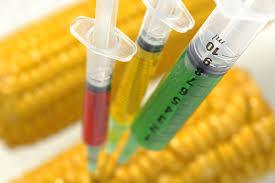
Research has indicated that animals fed GM crops have been harmed or even died. Rats exposed to transgenic potatoes or soya had abnormal young sperm; cows, goats, buffalo, pigs, and other livestock grazing on Bt-maize, GM cottonseed, and certain biotech corn showed complications including early deliveries, abortions, infertility, and many died.
Although agri-biotech companies do not accept a direct link between GM food consumption and human health problems, there are examples given by opponents. For instance, foodborne diseases such as soya allergies have increased over the past 10 years in the USA and UK, and an epidemic of Morgellons disease has been reported in the US.
There are also reports of hundreds of villagers and cotton handlers who developed skin allergies in India. Recent studies have revealed that Bacillus thuringiensis corn expresses an allergenic protein that alters overall immunological reactions in the body. Reports by independent GM researchers have led to concerns about the risks of GM foods and the inherent risks associated with genetic technology.
It is therefore essential that the safety and long-term effects of GM crops be examined before their release into the food chain by all organizations responsible for producing GM foods. In order to provide the public with the option of making informed decisions about the consumption of GM foods, sufficient information on the safety tests of such products is required.
Unfortunately, such data are scarce due to several factors. For example, it is difficult to compare the nutritional contents of GM crops with their conventional counterparts because the composition of crops grown in different areas might vary depending on growth and agronomic conditions.
Current testing methods used in biotech companies appear to be inadequate. For instance, only chemical analysis of some nutrients is reported and generally considers GM crops equal to conventional crops when no major differences are detected between the compound compositions in both products.
Such an approach is argued to guarantee that the GM crop is safe enough to be patented and commercially produced. It is strongly believed that animal trials should be used to evaluate the probable toxic effects of genetically modified foods.
Herbicide- and glyphosate-resistant soybeans, as well as GM cotton resistant to insects, are claimed to be substantially equivalent to conventional soybeans or cotton. Another example comes from the results of toxicological studies conducted on a variety of animals fed with glyphosate-resistant soybean (GTS), which were shown to be similar for the GTS-fed and control groups.
Also, there are some false claims about the improvement of the protein content of GM crops expressing the desired protein from an inserted gene.
For example, studies on GM potatoes containing the soybean glycine gene did not show a considerable increase in the protein content or even amino acid profile, and as for GM rice, the rise in protein content was due to a decline in moisture rather than an increase in protein content.
Additionally, there are difficulties with assessing the allergenicity of GM crops. When the gene causing allergenicity is known, such as the gene for the alpha-amylase trypsin inhibitors or cod proteins, it is easier to recognize whether the GM food is allergenic by using in vitro tests.
Of course, to test the stability of GM food products in the digestive system, human or animal trials are required, and data bank studies are effective.
Since the insertion of a non-allergenic gene might cause overexpression of an already existing minor allergen, it is difficult to specifically identify whether a new GM crop with a gene transferred from a source with unknown allergenicity is allergenic before its introduction to the food chain.
Frequently Asked Questions (FAQs)
- What are genetically modified (GM) foods, and how are they created?
GM foods are foods whose genetic makeup has been altered using recombinant DNA (rDNA) technology, involving techniques like transformation, phage introduction, and nonbacterial transformation to insert genes from various sources into the food matrix. - What are the primary methods used for inserting rDNA into plant cells?
The two main methods are the gene gun method, which bombards plant cells with gene-coated gold or tungsten particles, and the Agrobacterium method, which uses the bacterium Agrobacterium tumefaciens to insert DNA plasmids into plant cells. - What are some key applications of genetic modification in foods?
Key applications include delayed or quickened fruit ripening, herbicide tolerance, insect resistance, micronutrient enrichment, and resistance to bacterial, fungal, and viral pathogens. - What are the advantages of genetically modified foods?
Advantages include better quality food, higher nutritional yields, inexpensive and nutritious options like antioxidant-rich carrots, longer shelf life, medicinal benefits like edible vaccines, and reduced need for chemical applications. - What are the potential disadvantages of GM foods?
Potential disadvantages include toxicity risks, provocation of allergic reactions, instability of inserted genes, and possible nutritional deficits or changes in GM foods compared to conventional counterparts. - What health risks are associated with consuming GM foods?
Research indicates risks such as harm to animals (e.g., abnormal sperm in rats, livestock complications), increased allergies (e.g., soya allergies in the USA and UK), and potential immunological changes from allergenic proteins in GM crops. - Why is it challenging to assess the safety of GM foods?
Assessing safety is challenging due to variations in crop composition based on growth conditions, inadequate testing methods relying on chemical analysis, difficulties in evaluating allergenicity, and the need for extensive animal or human trials. - How do GM foods address food security and ethical concerns?
GM foods can enhance food security by increasing crop yields and resilience, supporting equitable food distribution, but ethical concerns arise regarding genetic pollution, interference with natural evolution, and the moral implications of food choices.
Do you have any questions, suggestions, or contributions? If so, please feel free to use the comment box below to share your thoughts. We also encourage you to kindly share this information with others who might benefit from it. Since we can’t reach everyone at once, we truly appreciate your help in spreading the word. Thank you so much for your support and for sharing!