



Public Group
Active 1 year, 3 months ago
Group Type By Special Interest Group
Group Leadership
- Group Administrators
-

African Youths in Agribusiness Community
Profitable Crops for Young Farmers in Africa
- This topic is empty.
- AuthorPosts
- August 3, 2026 at 3:19 pm #799620
 Agric4ProfitsModerator
Young farmers entering agriculture across Africa face the important decision of which crops to focus on, balancing factors including startup capital availability, time to first revenue, market demand, and personal interest or expertise in evaluating potential agricultural business directions.
While profitability varies significantly by specific location, market access, and individual farm management quality, certain crop categories consistently offer favorable combinations of accessible entry requirements and strong market demand that make them worth particular consideration for young farmers starting out.
This article covers several crop categories that frequently offer good profitability potential for young farmers, along with the specific factors that make each option worth considering based on your particular circumstances and available resources.
Whether you are just starting to explore agricultural business options or looking to add a new profitable crop to an existing operation, understanding these opportunities will help you make more informed decisions about where to focus your farming efforts.
1. Consider Fast-Cycle Vegetables for Quick Returns
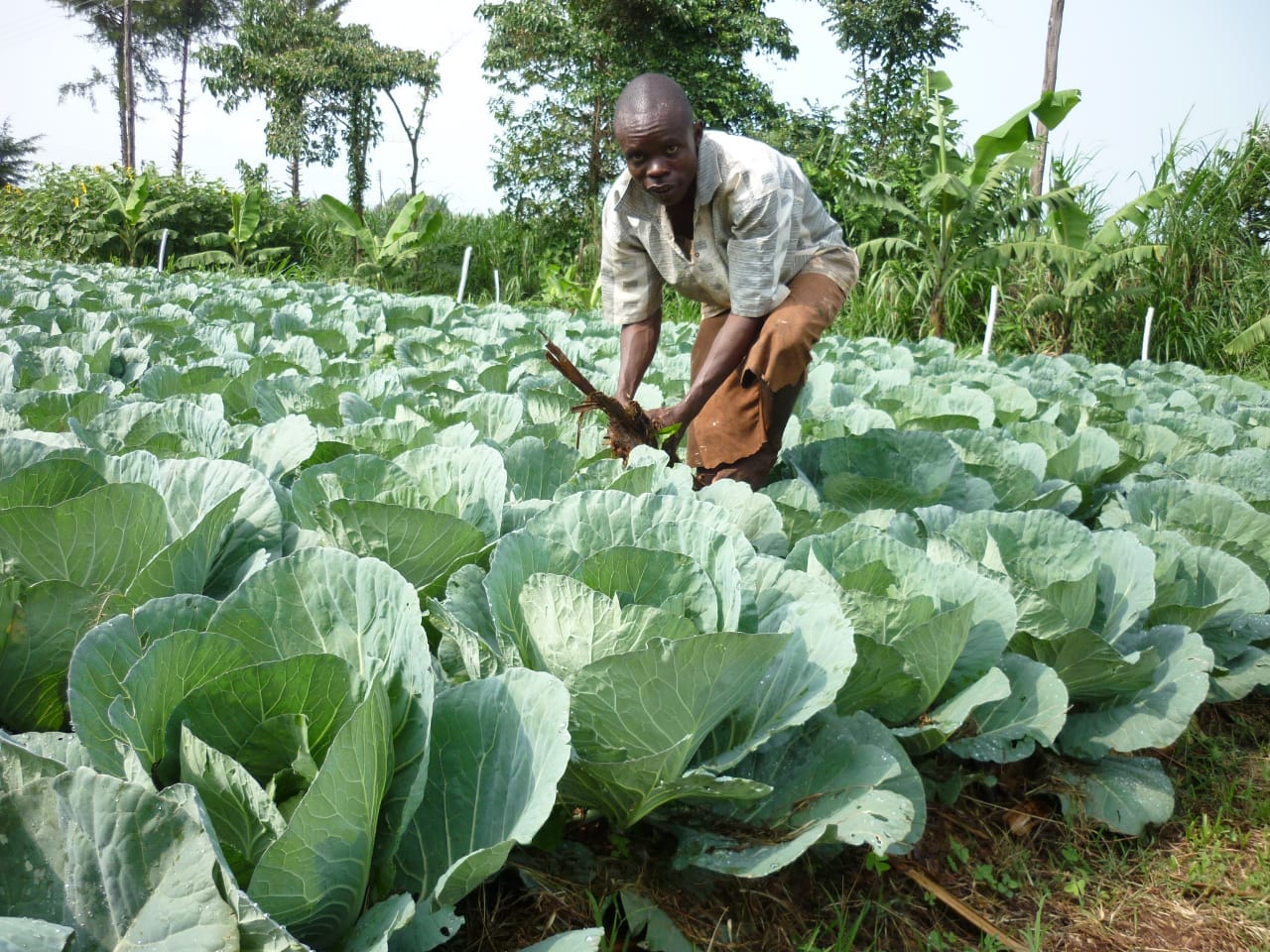
Vegetables like tomatoes, peppers, and leafy greens offer relatively quick production cycles, generating revenue within weeks to a few months rather than the longer timelines associated with tree crops or livestock, making them particularly attractive for young farmers needing faster cash flow.
These crops also typically require lower initial capital investment compared to many alternatives, providing an accessible entry point for young farmers still building their capital base and business experience.
2. Explore High Value Specialty Crops
Crops with growing demand but limited local production, whether specific herbs, unique vegetable varieties, or crops serving export or premium restaurant markets, can offer significantly better per unit returns than common staple crops facing more competitive pricing.
This approach requires more careful market research and often more specialized growing knowledge, making it better suited to young farmers willing to invest additional learning effort in exchange for potentially stronger profit margins.
Crop Category Comparison for Young Farmers
Crop Category Time to First Revenue Typical Capital Requirement Fast-cycle vegetables Weeks to a few months Low High value specialty crops Months, varies by crop Low to moderate Cassava and root crops Several months to a year Low to moderate Tree crops (fruit, cocoa) Multiple years to first harvest Moderate to high, long term commitment 3. Consider Cassava and Other Staple Root Crops
Cassava and similar root crops offer relatively reliable production even in marginal soil conditions, combined with strong, consistent local demand and increasingly, value addition opportunities that can improve returns beyond raw crop sales.
These crops also typically tolerate some management inconsistency better than more demanding alternatives, making them somewhat more forgiving for young farmers still developing their production management skills and experience.
4. Evaluate Local Market Demand Before Committing
Regardless of general profitability patterns, conducting genuine local market research before committing significant resources to any specific crop protects against the common mistake of producing crops without adequately verified local demand or market access.
Talking directly with local buyers, checking actual market prices, and understanding any existing local competition for your intended crop provides the specific, localized information that general profitability guidance alone cannot offer.
Factors to Research Before Crop Selection
Factor Why It Matters Research Approach Local market demand Determines actual sales potential Direct buyer conversations Current local pricing Confirms genuine profitability Market price observation over time Existing local competition Affects realistic market share Survey of current local producers Personal skill and interest fit Affects management quality and sustainability Honest self-assessment 5. Consider Value Addition Potential
Crops that offer meaningful value addition opportunities, whether through processing, packaging, or other transformation, provide additional profit potential beyond raw crop sales that can be particularly valuable for young farmers seeking to maximize returns from limited land access.
This value addition consideration can inform crop selection decisions, since some crops offer significantly more accessible and profitable processing options than others, adding an important dimension beyond raw production profitability alone.
6. Start Focused and Diversify as Experience Grows
Beginning with one or two well researched crops, rather than attempting to grow many different crops simultaneously from the start, allows young farmers to build genuine expertise and manageable business complexity before expanding into additional crops or enterprises.
This focused starting approach also concentrates limited initial capital and management attention where it can have the greatest impact, rather than spreading resources thinly across multiple ventures with correspondingly diluted attention and investment.
Frequently Asked Questions
- What crops offer the fastest path to revenue for young farmers?
Fast-cycle vegetables like tomatoes, peppers, and leafy greens offer relatively quick production cycles, generating revenue within weeks to a few months compared to longer timeline alternatives.
- Are specialty crops a good option for young farmers?
High value specialty crops can offer significantly better per unit returns than common staples, though they require more careful market research and often more specialized growing knowledge.
- Why might cassava be a good option for young farmers?
Cassava offers relatively reliable production even in marginal soil, strong consistent local demand, and value addition opportunities, while tolerating some management inconsistency better than demanding alternatives.
- How important is local market research before choosing a crop?
Very important, since conducting genuine local market research protects against producing crops without adequately verified local demand or market access, regardless of general profitability patterns.
- Should young farmers grow multiple crops immediately or start focused?
Starting with one or two well researched crops allows building genuine expertise and manageable complexity before expanding, rather than spreading limited resources thinly across many ventures.
- Does value addition potential matter when choosing which crops to grow?
Yes, crops offering meaningful value addition opportunities provide additional profit potential beyond raw sales, an important consideration especially for farmers with limited land access.
- How long does it typically take for tree crops to generate revenue?
Tree crops like fruit trees or cocoa typically require multiple years to first harvest, representing a longer term commitment compared to vegetables or root crops.
- What should young farmers research about local competition before crop selection?
Surveying existing local producers of your intended crop helps understand realistic market share potential and whether the local market can support additional production.
- Are root crops more forgiving for farmers still developing management skills?
Yes, cassava and similar root crops typically tolerate some management inconsistency better than more demanding alternatives, making them somewhat more forgiving for developing farmers.
- Should crop selection be based purely on general profitability guidance?
No, general guidance should be verified against specific local market demand, pricing, and competition research rather than assumed to apply uniformly across all locations and situations.
Choosing profitable crops as a young farmer involves balancing capital requirements, time to revenue, and genuine local market demand, with fast-cycle vegetables, specialty crops, and staple root crops each offering different advantages worth considering. Starting focused and expanding based on real experience tends to build the strongest foundation for long term success. What crops have proven most profitable for you as a young farmer? Share your experience with the Agric4Profits farming community.
Read Also: indicators-of-system-performance-and-design-of-units
- AuthorPosts

- You must be logged in to reply to this topic.