



Public Group
Active 1 year, 3 months ago
Group Leadership
- Group Administrators
-

Central African Republic Farmers Community
Cotton Farming Business in Central African Republic
- This topic is empty.
- AuthorPosts
- August 10, 2026 at 11:40 am #826240
 Agric4ProfitsModerator
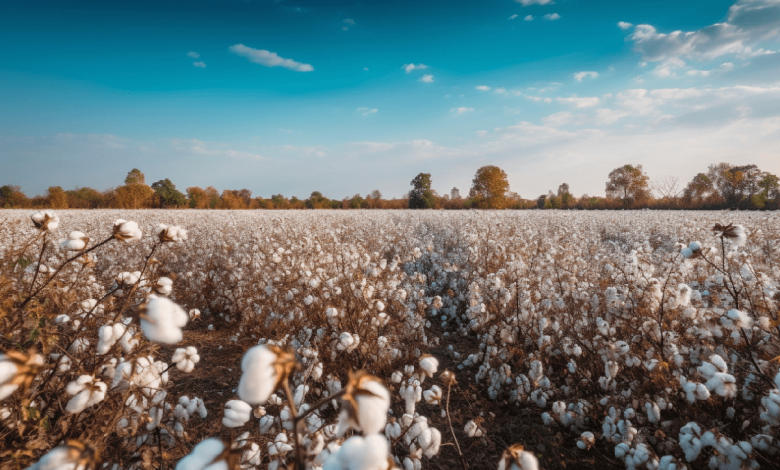
Cotton has long been one of the most important cash crops in Central African Republic, providing a direct link between smallholder farming households and formal export markets. Unlike food staples grown mainly for household consumption, cotton is produced almost entirely for sale, which means farm level decisions around input use, pest management, and harvest quality translate directly into household income at the end of the season.
Running cotton as a genuine business, rather than simply as another crop in the rotation, requires attention to a few specific factors that most directly affect the price a farmer receives: fiber quality, timely and staged picking, and minimizing contamination during harvest and storage. Bollworm and other pests remain a persistent challenge across the region, and unmanaged infestations can both reduce yield and damage lint quality, directly cutting into farm income.
This guide covers the practical steps involved in running a productive and profitable cotton farming operation in Central African Republic, from seed selection and planting through fertility, pest management, and the harvest and grading practices that protect the price farmers ultimately receive for their crop.
1. Selecting Seed and Planning the Season
Certified cotton seed, often distributed through contracted ginning companies or cooperative arrangements in CAR, generally offers more consistent germination and fiber quality than uncertified or recycled seed. Where farmers work under contract farming arrangements, seed and input packages are frequently provided as part of the agreement, which simplifies planning but requires farmers to understand repayment terms clearly before the season begins.
Planning planting area realistically against available household labor is important, since cotton is labor intensive, particularly at picking time, and an area planted beyond what a household can properly manage often results in lower quality lint from delayed or rushed harvesting.
2. Land Preparation and Early Planting
Cotton should be planted as early as possible within the safe planting window once rains are reliably established, since the crop needs a full growing season to properly develop bolls before the dry season returns. Delayed planting shortens this window and typically reduces both yield and fiber quality.
Land should be well tilled ahead of planting to support strong early root development, and spacing recommendations from local extension services or contracting companies should be followed closely, since spacing affects both yield potential and ease of pest scouting and picking later in the season.
3. Fertility Management
Cotton is a nutrient demanding crop, and fertilizer application, where affordable, has a direct and measurable effect on both yield and fiber quality. A basal application at planting followed by a top dressing during early flowering supports the plant through its most nutrient intensive growth phase.
Where fertilizer access is limited, incorporating well decomposed organic matter ahead of planting and rotating cotton with legumes in prior seasons helps maintain soil fertility at lower cost, though yield outcomes will generally be more modest than under full fertilizer programs.
4. Pest Scouting and Bollworm Control
Bollworm is the most economically significant pest threat to cotton across Central Africa, capable of damaging both yield and lint quality if allowed to build up unchecked. Weekly field scouting from early flowering through boll development allows farmers to detect infestations before significant damage occurs.
Where pesticide use is part of the farming plan, following recommended timing and dosage closely protects both crop and farmer safety, while excessive or poorly timed application increases costs without proportionate benefit and can harm beneficial insects that naturally help control pest populations.
Read Also: Crop Rotation to Break Pest Cycles
5. Staged Picking for Quality
Cotton bolls do not all open at the same time, which means picking in stages, returning to the field every seven to ten days as new bolls open, produces cleaner, higher grade lint than waiting to pick everything at once. Bolls left open too long in the field are exposed to rain and dirt, which stains and degrades fiber quality.
Pickers should be trained to avoid pulling in leaf trash, dirt, or immature bolls along with mature cotton, since contamination is one of the most common reasons for price deductions at the point of sale.
6. Grading, Storage, and Sale
Keeping picked cotton clean and dry before delivery to a ginnery or buyer is essential, since damp or contaminated cotton is downgraded and priced lower. Cotton should be stored in clean, dry bags away from moisture and dust until it can be delivered or sold.
Understanding the grading criteria used by local buyers, typically based on cleanliness, moisture content, and fiber length, helps farmers make informed decisions about picking timing and handling practices that protect the final price received for the harvest.
Standard vs Quality Focused Cotton Farming Practices
Practice Standard Approach Quality Focused Approach Planting timing Delayed until convenient Early, within the recommended window Pest scouting Occasional or reactive Weekly scouting from flowering onward Picking method Single bulk picking Staged picking every 7-10 days Handling Mixed with trash and dirt Clean picking, sorted by grade Storage Exposed to moisture Dry, clean bags before sale Frequently Asked Questions
1. Why should cotton be picked in stages rather than all at once?
Bolls open at different times, and staged picking every seven to ten days captures cotton at its best quality before it is exposed to rain, dirt, and staining in the field.
2. What is the most damaging pest to cotton in Central Africa?
Bollworm is generally the most economically damaging pest, affecting both yield and lint quality if infestations are not detected and managed early.
3. When is the best time to plant cotton?
Cotton should be planted as early as possible once rains are reliably established, since the crop needs a full season to properly develop bolls before dry conditions return.
4. How does contamination affect the price farmers receive for cotton?
Contamination from leaf trash, dirt, or immature bolls mixed in with picked cotton is one of the most common reasons buyers apply price deductions at delivery.
5. Is fertilizer necessary for good cotton yield?
Fertilizer significantly improves both yield and fiber quality where it is affordable, though organic matter and legume rotation can support more modest yields at lower cost.
Cotton farming in Central African Republic works best when approached as a quality driven business rather than simply another crop to plant and harvest. Early planting, consistent pest scouting, staged picking, and careful handling after harvest are the practices most directly tied to the price a household ultimately receives, making them worth prioritizing even when labor and input budgets are tight.
Read Also: The-effect-of-solid-waste-on-business-environments
- AuthorPosts

- You must be logged in to reply to this topic.