



Public Group
Active 1 year, 3 months ago
Group Leadership
- Group Administrators
-

Central African Republic Farmers Community
Farm-to-Market Supply Chain Guide in Central African Republic
- This topic is empty.
- AuthorPosts
- August 24, 2026 at 8:09 pm #835640
 Agric4ProfitsModerator
The journey from farm to market in the Central African Republic involves navigating significant infrastructure and logistics challenges, including limited road networks, considerable distances between production areas and major markets, and often multiple intermediary steps that affect both the cost and reliability of getting agricultural products to buyers.
Understanding this supply chain and identifying practical strategies for navigating its specific challenges helps farmers capture more value from their production, since even excellent farming results can be significantly undermined by supply chain problems that prevent products from reaching market in good condition or at reasonable cost.
This article covers practical guidance for understanding and navigating the farm-to-market supply chain in the Central African Republic, from transportation planning to intermediary relationships and strategies for improving overall supply chain efficiency.
Whether you sell locally, to regional markets, or are exploring more distant market opportunities, understanding these supply chain fundamentals will help you make more informed decisions about getting your products to buyers effectively.
1. Understand the Typical Supply Chain Structure
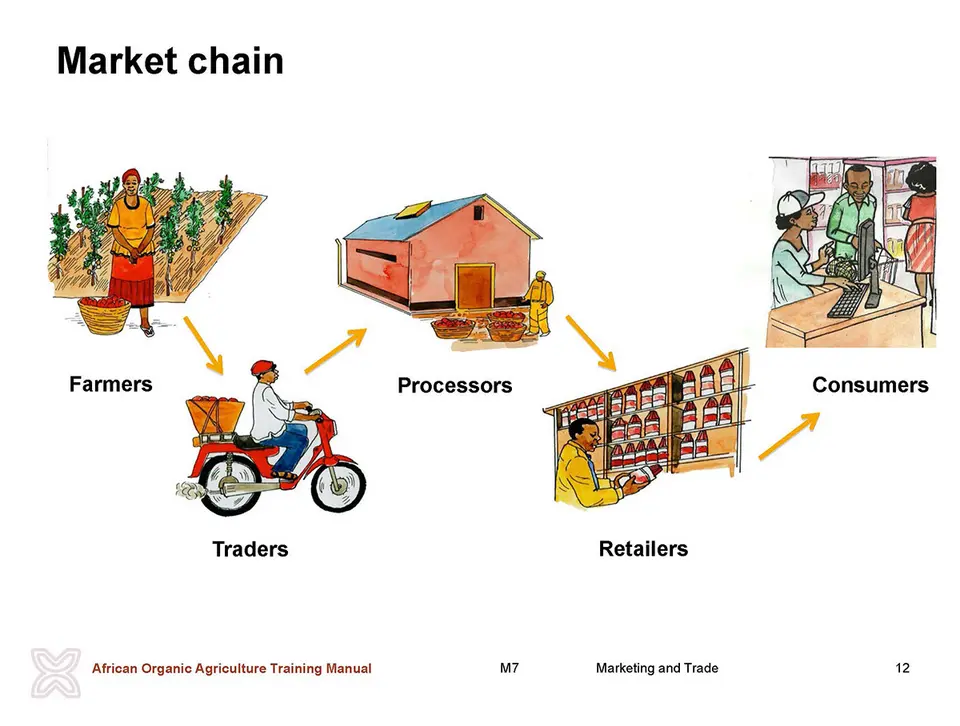
Agricultural products in the Central African Republic often move through several stages from farm to final consumer, potentially including local assemblers or traders, transporters, wholesale markets, and retail sellers, each stage typically adding cost while also providing valuable market access services.
Understanding which stages are genuinely necessary for reaching your target market, versus which might be bypassed through more direct approaches, helps identify opportunities to potentially capture more value by shortening this chain where practical.
2. Plan Transportation Realistically
Given limited road infrastructure across much of the country, realistic transportation planning, including honest assessment of travel time, cost, and product protection needs for your specific route, prevents the disappointment and losses that overly optimistic transport assumptions can cause.
Where multiple transportation options exist, whether different vehicle types, shared transport arrangements, or seasonal route variations, comparing these options for both cost and product protection helps identify the most practical approach for your specific products and market destination.
Supply Chain Stages and Value Considerations
Stage Typical Function Farmer Consideration Local assembly or trading Aggregates smaller quantities May offer convenience but reduces margin Transportation Moves product to market Major cost and quality risk factor Wholesale market Bulk distribution point Access varies by location Retail sale Final consumer transaction Highest margin but requires direct access Read Also: Youth Agribusiness Opportunities in Central African Republic
3. Build Relationships With Reliable Transport Providers
Establishing relationships with dependable transporters, whether individual drivers or transport businesses, who understand appropriate handling for agricultural products helps reduce the damage and delays that unreliable transport arrangements commonly cause.
Where possible, coordinating transport timing with other farmers moving product to the same market destination can improve cost efficiency through shared transport arrangements compared to each farmer arranging individual, smaller transport independently.
4. Consider Which Intermediary Relationships Add Genuine Value
Some intermediaries provide genuinely valuable services, including market knowledge, transport coordination, or bulk buying capability that individual farmers might struggle to replicate independently, making these relationships worth maintaining despite the margin they capture.
Other intermediary steps may add cost without proportional value, making periodic evaluation of whether your specific supply chain arrangement genuinely serves your interests, or whether more direct approaches might improve your returns, a worthwhile ongoing consideration.
Supply Chain Efficiency Strategies
Strategy Potential Benefit Consideration Shared transport with other farmers Reduced per-unit transport cost Requires coordination and trust Direct sales bypassing some intermediaries Captures more value per sale Requires more farmer time and market knowledge Cooperative marketing arrangements Combined volume, shared logistics Requires group organization Pre-arranged buyer relationships Reduces market search time and risk Requires relationship building investment 5. Use Cooperative Arrangements to Improve Supply Chain Access
Farmer cooperatives that combine production for collective transport and marketing often achieve better supply chain outcomes than individual farmers navigating transportation and market access independently, particularly valuable given the country’s infrastructure challenges.
These cooperative arrangements can provide access to transport options, market information, and buyer relationships that individual smallholder farmers might otherwise struggle to access or afford independently.
6. Adapt Your Approach as Conditions Change
Road conditions, transport availability, and market access can vary significantly by season, particularly given rainy season impacts on many roads across the country, making seasonal awareness and flexible planning important parts of effective supply chain management.
Staying informed about changing conditions, whether through farmer networks, cooperative communication, or direct observation, helps farmers adjust their supply chain approach proactively rather than being caught unprepared by conditions that could have been anticipated.
Frequently Asked Questions
- What does a typical agricultural supply chain look like in the Central African Republic?
Products often move through several stages including local assemblers or traders, transporters, wholesale markets, and retail sellers, each stage typically adding cost while providing market access services.
- How does limited road infrastructure affect supply chain planning?
Realistic transportation planning, including honest assessment of travel time, cost, and product protection needs, prevents the disappointment and losses that overly optimistic transport assumptions can cause.
- Should farmers try to bypass all intermediaries in the supply chain?
Not necessarily, since some intermediaries provide genuinely valuable services like market knowledge or transport coordination that individual farmers might struggle to replicate independently.
- Can cooperative arrangements improve farm-to-market supply chain outcomes?
Yes, cooperatives combining production for collective transport and marketing often achieve better outcomes than individual farmers navigating transportation and market access independently.
- How does seasonal timing affect supply chain reliability?
Road conditions, transport availability, and market access vary significantly by season, particularly given rainy season impacts on many roads, making seasonal awareness important for planning.
- Why is building relationships with reliable transporters important?
Establishing relationships with dependable transporters who understand appropriate agricultural product handling helps reduce the damage and delays that unreliable transport arrangements commonly cause.
- Can farmers share transportation costs with other farmers?
Yes, coordinating transport timing with other farmers moving product to the same destination can improve cost efficiency through shared arrangements compared to individual smaller transport.
- How can farmers evaluate whether their supply chain arrangement serves their interests?
Periodic evaluation of whether specific intermediary relationships add genuine value versus cost without proportional benefit helps determine whether more direct approaches might improve returns.
- Should supply chain strategy remain fixed once established?
No, staying informed about changing conditions and adjusting supply chain approach proactively, rather than being caught unprepared, supports more effective ongoing supply chain management.
- What supply chain stage typically offers farmers the highest margin?
Retail sale typically offers the highest margin but requires direct access to end consumers, which demands more farmer time, market knowledge, and often logistical capability than wholesale channels.
Navigating the farm-to-market supply chain in the Central African Republic requires realistic transportation planning, thoughtful evaluation of which intermediary relationships add genuine value, and flexibility to adapt as seasonal and infrastructure conditions change. Cooperative arrangements often provide meaningful advantages for individual farmers facing these supply chain challenges alone. What supply chain strategies have helped you get your products to market more effectively? Share your experience with the Agric4Profits farming community.
- AuthorPosts

- You must be logged in to reply to this topic.